Is Goldenrod toxic to pets?
No, Goldenrod is generally safe for pets.
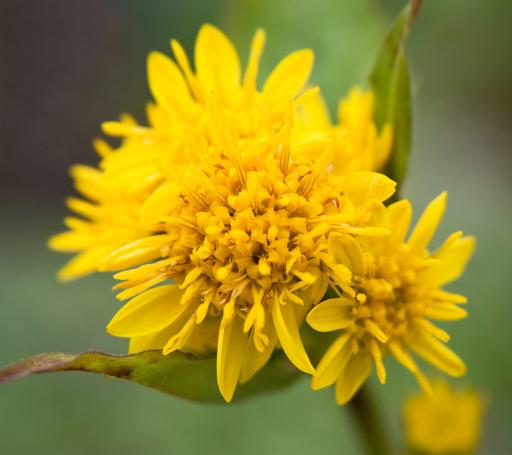
Solidago
Identified By Marcs
Goldenrod is a vibrant perennial wildflower belonging to the aster family, Asteraceae. Renowned for its striking plumes of bright yellow flowers that bloom brilliantly in late summer and autumn, it is a quintessential feature of North American prairies, meadows, and roadsides. Often mistakenly blamed for seasonal allergies—which are actually caused by wind-pollinated ragweed blooming at the same time—goldenrod is strictly insect-pollinated and produces heavy, sticky pollen. Beyond its aesthetic appeal in naturalistic gardens, goldenrod holds a rich history in herbalism and traditional medicine, where its aerial parts are valued for their diuretic, anti-inflammatory, and antioxidant properties.
Pregnant and breastfeeding women should avoid consuming goldenrod in medicinal concentrations, such as concentrated herbal teas, extracts, or supplements. Because goldenrod acts as a strong natural diuretic that increases urine flow, it may alter fluid and electrolyte balances in the body, which could potentially impact pregnancy safety. Always consult a qualified healthcare provider prior to using herbal remedies during pregnancy.
Climate: Thrives in temperate continental climates featuring warm summers, cold winters, and moderate seasonal rainfall.
Plant goldenrod in a location that receives full sun, ideally at least six hours of direct sunlight daily, to ensure robust stems and abundant flower production.
Goldenrod plants are remarkably drought-tolerant once established in the garden. Water newly planted specimens regularly during their first growing season to help establish a deep root system. For mature plants, provide a thorough watering during prolonged dry spells, but allow the surrounding soil to dry out completely between watering sessions to prevent root rot and fungal issues.
Sow seeds directly in the garden in autumn or early spring after the last frost.
Propagating goldenrod through root division is simple and yields reliable results. In early spring as new shoots emerge from the ground, carefully dig up a mature, established clump of goldenrod using a sharp garden spade. Gently shake away excess soil to expose the root network and rhizomes. Using a clean knife or your hands, separate the root clump into smaller sections, ensuring each division contains healthy roots and multiple viable growth buds. Immediately replant the divided sections into prepared garden soil at the same depth they were growing previously, and water them thoroughly to help them settle into their new location.
Powdery mildew manifests as a distinct white or grayish talcum-powder-like fungal growth appearing on the upper and lower surfaces of the goldenrod leaves, as well as on stems and flower buds. Severe infections can cause leaves to twist, yellow, dry up, and drop prematurely from the plant.
Treat affected plants immediately by pruning away severely infected stems to improve overall air circulation. Apply organic fungicidal sprays such as neem oil, sulfur, or potassium bicarbonate directly to the foliage during dry, cool weather conditions according to product guidelines.
Prevent powdery mildew by planting goldenrod in locations with full sun and excellent airflow. Space individual plants adequately apart, avoid overhead sprinkler irrigation late in the day, and clear away all fallen plant debris at the end of the growing season.
Goldenrod has a long-standing tradition in herbal medicine as a powerful natural diuretic that gently stimulates urine production. This action helps flush the urinary tract, supporting kidney health and helping to prevent minor urinary tract infections and kidney stones by reducing the buildup of excess fluids and toxins within the body.
Precautions: Avoid use if you suffer from severe heart or kidney failure where fluid reduction must be medically supervised. Discontinue use immediately if adverse reactions occur.
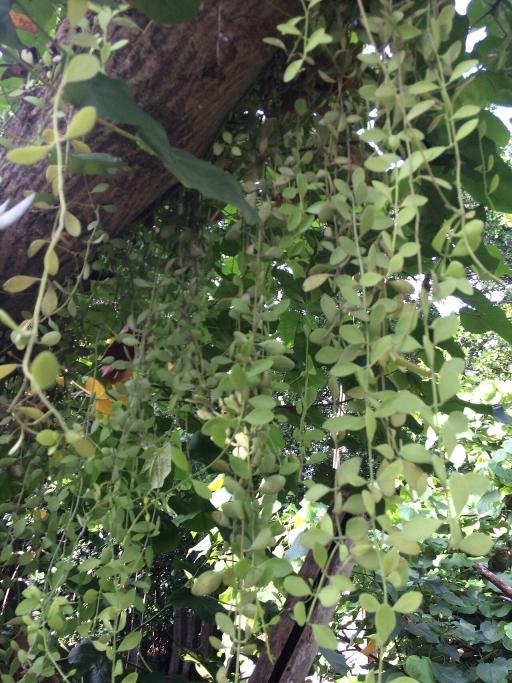
Dischidia oiantha is a charming epiphyte native to the tropical rainforests of Southeast Asia, belonging to the Apocynaceae family. It is closely related to Hoyas and shares their succulent, trailing growth habit, making it an exceptional choice for hanging baskets and indoor vertical gardens. The plant features small, succulent, rounded leaves that can range from solid green to beautifully variegated forms with creamy white margins. It produces tiny, urn-shaped flowers that bloom in clusters along the stems. As an epiphyte, it naturally grows on the surfaces of other plants, absorbing moisture and nutrients from the air and rain, which translates to specific care requirements mimicking its native canopy habitat.
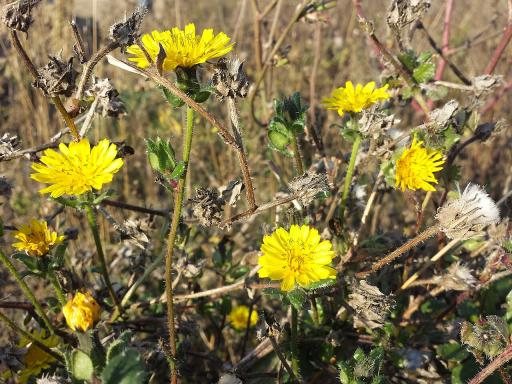
Ox Tongue, scientifically known as Helminthotheca echioides, is an annual or biennial herb belonging to the daisy family Asteraceae. It is widely recognized for its distinctive bristly leaves covered in stiff, hooked hairs that resemble an animal's tongue in texture. The plant produces bright yellow, dandelion-like flower heads and is often found growing in disturbed soils, roadsides, and agricultural fields. While it can act as an aggressive weed in certain environments, it has historical uses in traditional herbal practices and provides forage for various local pollinators. Its resilience and adaptability allow it to thrive across diverse temperate and Mediterranean climates globally.
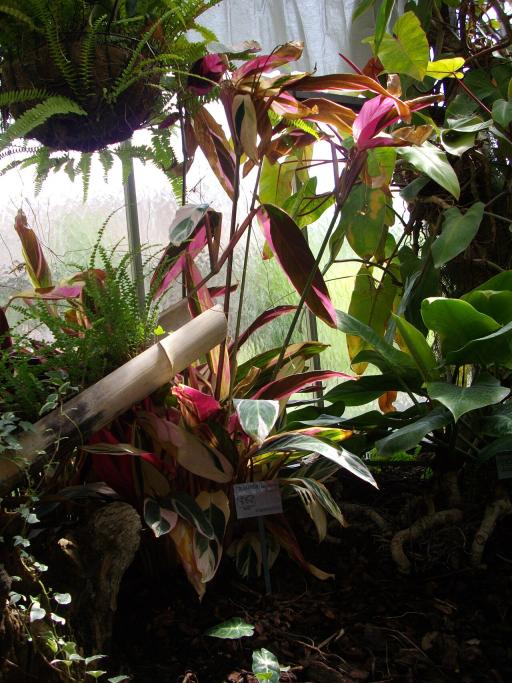
The Stromanthe Triostar is a stunning and highly sought-after tropical foliage plant belonging to the Marantaceae family, native to the tropical rainforests of Central and South America, particularly Brazil. Celebrated for its breathtaking variegation, its elongated leaves display a striking combination of green, cream, white, and a vibrant hot pink or magenta on the undersides. As a member of the prayer plant family, it exhibits nyctinasty, meaning its leaves fold upward at night and unfold in the morning to greet the sun. Caring for this exotic beauty requires attention to detail, as it thrives best in warm, humid environments with bright, indirect light and consistent moisture, making it a favorite among indoor plant enthusiasts who want to add a vibrant splash of color to their indoor jungle spaces.
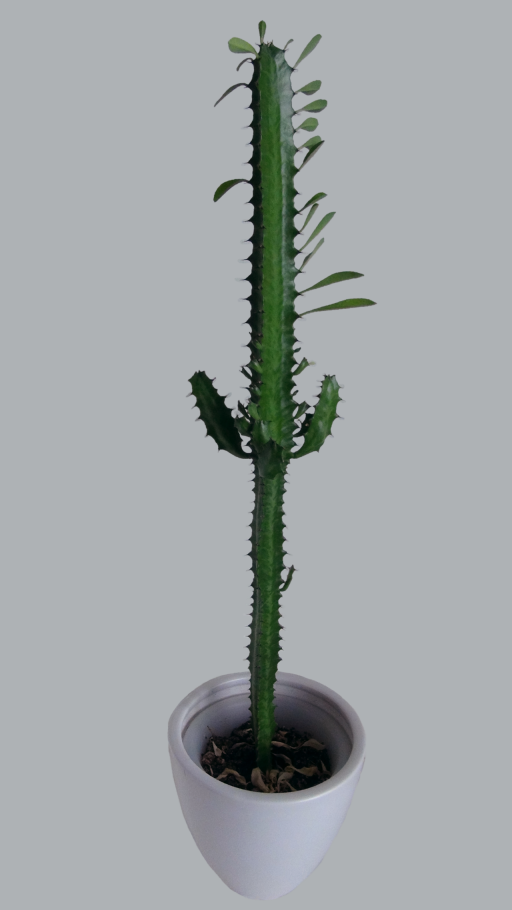
The African Milk Tree, scientifically known as Euphorbia trigona, is a striking perennial succulent shrub native to Central Africa. Despite its common name and cactus-like appearance, it is actually a member of the spurge family (Euphorbiaceae). Characterized by its upright, multi-branched growth habit, three-sided dark green stems adorned with pale green or whitish patterns, and small teardrop-shaped leaves, it makes a dramatic statement in indoor and outdoor settings. It is remarkably resilient, drought-tolerant, and thrives in bright, indirect to direct sunlight. When damaged, the plant exudes a milky latex sap that can cause severe skin irritation and is toxic if ingested by humans and pets.
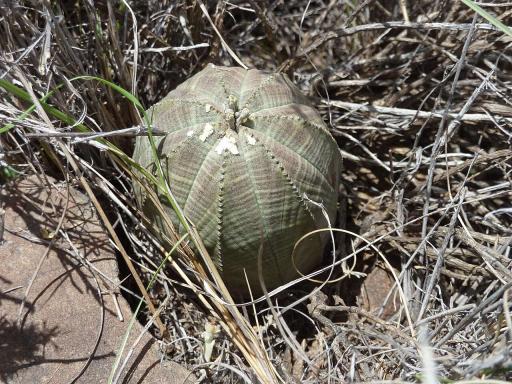
The Baseball Plant, scientifically known as Euphorbia obesa, is a fascinating and highly sought-after succulent native to South Africa. It is immediately recognizable due to its almost perfectly spherical, gray-green body that closely resembles a traditional baseball, complete with faint vertical ribbing and subtle patterns of purple or reddish-brown markings. As a member of the Euphorbiaceae family, this slow-growing plant stores water within its fleshy stem to survive prolonged drought conditions in its natural arid habitat. It typically reaches a modest size of around 15 centimeters in diameter, making it an exceptional specimen for small indoor containers, windowsills, or specialized arid garden collections. Because it is a dioecious species, individual plants are strictly either male or female, meaning both sexes are required to produce viable seeds naturally. Its unique geometry and minimal maintenance requirements have made it a favorite among succulent enthusiasts and botanical collectors worldwide, though proper care must be taken regarding its sensitivity to excessive moisture and its mildly toxic milky sap.
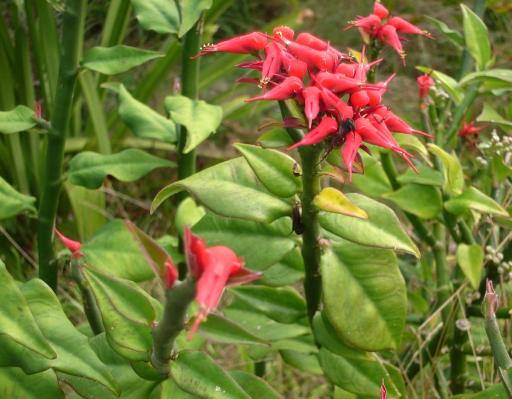
Devil's Backbone, scientifically known as Euphorbia tithymaloides, is a striking succulent shrub belonging to the Euphorbiaceae family. Native to tropical and subtropical regions of the Americas, this fascinating plant is widely recognized for its unique zigzagging stems and attractive variegated leaves that often feature shades of green, white, and pink. It is commonly grown as an ornamental houseplant or an outdoor hedge in warmer climates due to its hardiness and low maintenance requirements. As a member of the Euphorbia genus, it produces a milky white latex sap that can be irritating to the skin and toxic if ingested, requiring careful handling during pruning or propagation. With its architectural form and vibrant foliage, Devil's Backbone adds a distinctive tropical flair to any indoor or outdoor botanical collection.
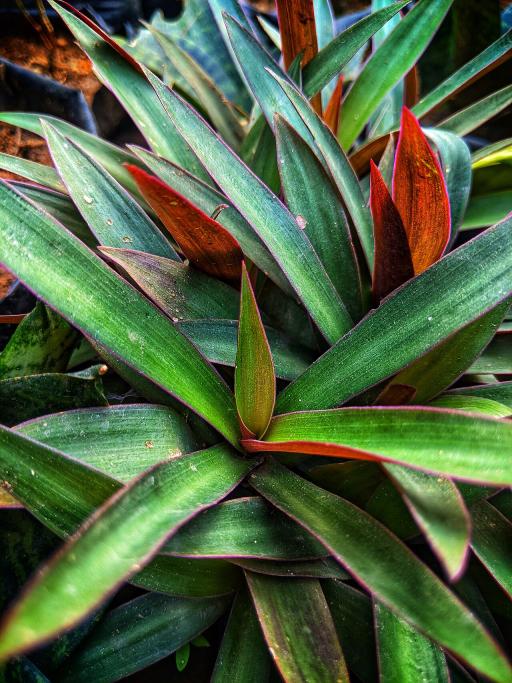
Moses-in-the-Cradle, scientifically known as Tradescantia spathacea, is a striking and robust herbaceous perennial plant belonging to the Commelinaceae family. Native to Central America and Mexico, this popular ornamental species is widely recognized for its vibrant, sword-shaped leaves that showcase deep glossy green on the upper surface and a rich, striking purple or magenta underneath. The common name originates from the unique white, boat-shaped bracts nestled deep within the foliage, which cradle tiny, delicate white flowers resembling a small figure inside a cradle. This versatile plant adapts wonderfully as an indoor houseplant in cooler climates or as a lush, colorful ground cover in tropical and subtropical outdoor landscapes. It thrives with minimal effort, making it a favorite for both novice and experienced plant enthusiasts who want to add an immediate splash of contrasting colors to their living spaces or gardens.
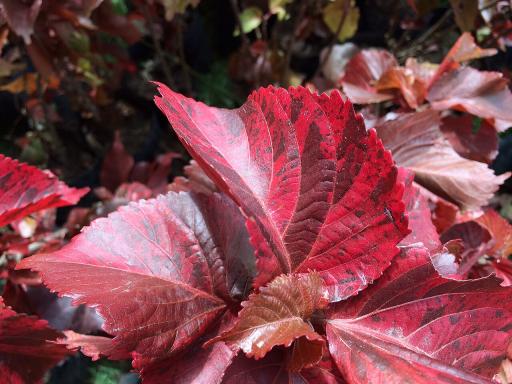
Copperleaf is a stunning tropical evergreen shrub renowned for its brilliantly colored foliage, featuring vibrant shades of copper, red, bronze, green, and purple. Originating from the South Pacific, this ornamental plant is widely cultivated in warm climates around the globe for its striking leaf patterns and textures. It thrives best in warm, humid environments with plenty of bright sunlight to bring out the intensity of its leaf colors. Copperleaf makes an exceptional hedge, accent plant, or focal point in tropical and subtropical garden landscapes. With proper care, adequate watering, and regular pruning, it maintains a dense and bushy appearance throughout the year, adding exotic beauty to outdoor spaces.
The Persian Shield, scientifically known as Strobilanthes durbanensis (often commercially referenced as Strobilanthes auriculata var. djalonensis), is a stunning tropical evergreen shrub celebrated for its intensely iridescent, metallic purple foliage. Native to Myanmar, this striking ornamental plant is widely cultivated across temperate and tropical regions as an annual or perennial garden accent. Its lance-shaped leaves feature deep purple hues paired with dark green veining and a captivating silvery sheen that shimmers in the light. It thrives in humid, warm environments with bright, indirect sunlight and consistently moist, well-draining soil. While it can produce small, pale blue or violet funnel-shaped flowers, it is primarily grown for its magnificent foliage, which adds a dramatic burst of contrasting color to borders, container gardens, and indoor spaces.
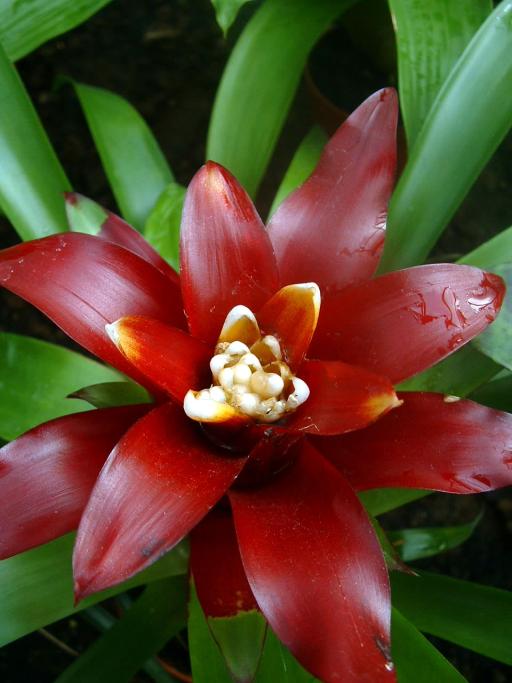
The Scarlet Star Bromeliad, scientifically known as Guzmania lingulata, is a popular tropical epiphyte native to the rainforests of Central and South America. Renowned for its striking, long-lasting bright red or orange floral bracts that resemble a star, this plant adds an instant tropical aesthetic to any indoor space. As a member of the Bromeliaceae family, it features a central cup or 'urn' formed by overlapping green leaves, which holds water in its natural habitat. This fascinating plant is epiphytic, meaning it often grows on other trees rather than in soil, absorbing moisture and nutrients through its foliage and specialized root systems. It is exceptionally well-suited for indoor cultivation due to its manageable size, low maintenance requirements, and ability to thrive in moderate household light conditions.
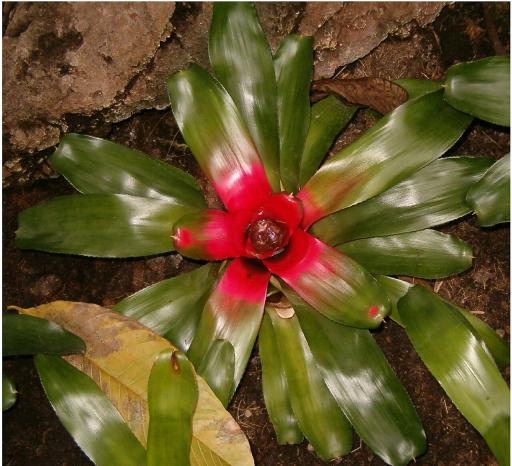
The Blushing Bride Bromeliad, scientifically known as Neoregelia carolinae, is a stunning and popular tropical epiphyte native to the rainforests of Brazil. Renowned for its dramatic transformation, the center leaves of the rosette blush into a brilliant, vivid pink or red hue just before the plant blooms. It features glossy, dark green strap-like leaves and typically forms a central cup or urn that holds water in its natural habitat. As an indoor houseplant, it adds an exotic, vibrant splash of color to any room and is prized for its ornamental beauty, resilience, and unique epiphytic growth habit which makes it a favorite among collectors and interior designers alike.
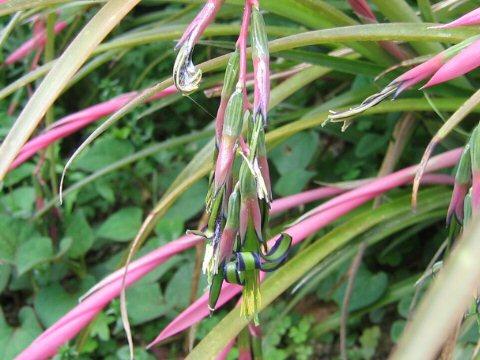
Queen's Tears (Billbergia nutans) is an exceptionally popular and resilient epiphytic bromeliad native to South America, specifically Brazil, Paraguay, Uruguay, and Argentina. Renowned for its arching clusters of metallic pink bracts and nodding tubular flowers with green petals edged in violet, it derives its common name from the nectar droplets that frequently form and drip from the blossom tips. As a member of the Bromeliaceae family, it features a central cup or urn structure that catches water in its natural habitat. This hardy plant is widely cultivated as an indoor houseplant or outdoor garden specimen in frost-free climates, celebrated for its minimal maintenance requirements, drought tolerance, and ability to produce an abundance of offsets or pups over time, making it easy to propagate and share with friends.
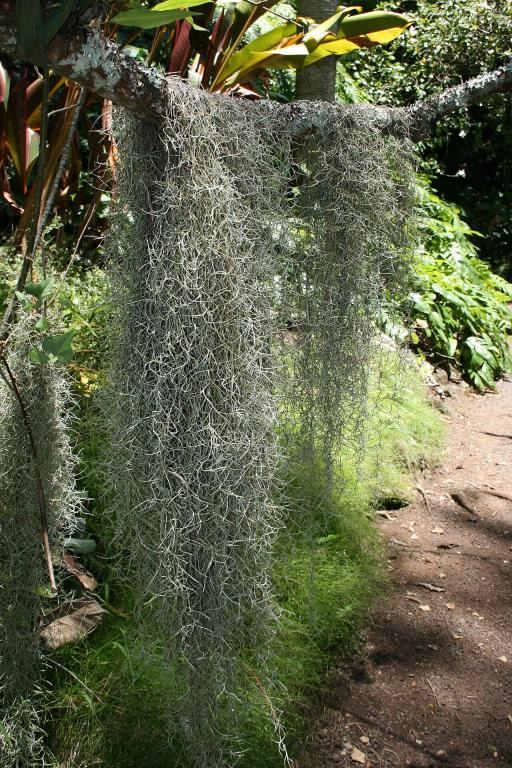
Spanish Moss is a fascinating and iconic epiphyte native to the southern United States and parts of Central and South America. Despite its common name, it is neither Spanish nor a true moss; rather, it is a flowering bromeliad belonging to the pineapple family. It hangs gracefully from the branches of large trees, such as live oaks and bald cypresses, absorbing moisture and nutrients directly from the air and precipitation through specialized scale-like structures called trichomes. Because it does not root in the soil or parasitize its host tree, it is completely harmless to the trees it inhabits, serving instead as a unique component of southeastern woodland ecosystems where it provides shelter for numerous wildlife species.
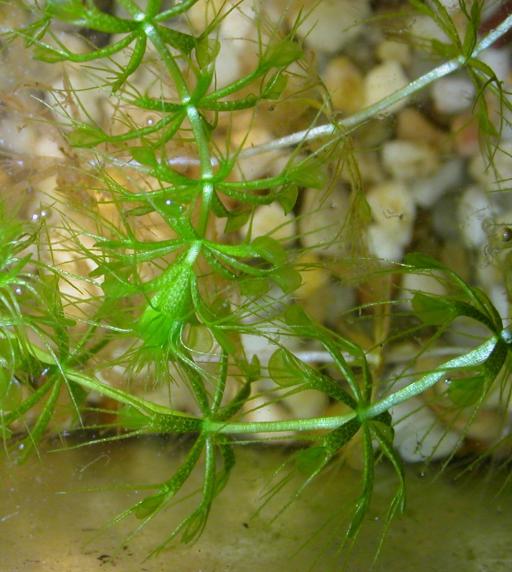
The waterwheel plant, scientifically known as Aldrovanda vesiculosa, is a fascinating and rare aquatic carnivorous plant that captures small aquatic invertebrates using snap traps similar to those of the famous Venus flytrap. As a rootless free-floating macrophyte, it drifts horizontally just below the water surface in pristine, clean, shallow, and acidic wetlands and ponds. The plant features whorls of tiny, microscopic traps along a central stem that grows continuously from one end while dying off at the other. Due to habitat destruction, pollution, and the conversion of wetlands, it is considered endangered across much of its native European, Asian, African, and Australian range, requiring very specific environmental conditions to thrive in cultivation.
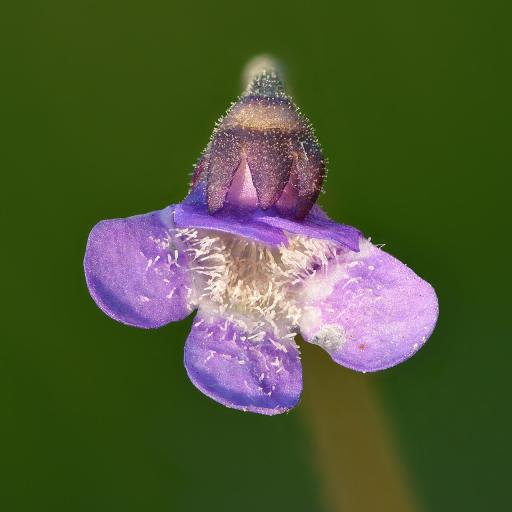
The common butterwort is a fascinating carnivorous perennial herb belonging to the Lentibulariaceae family. It features a rosette of yellowish-green, greasy-textured leaves that actively trap and digest small insects using sticky glandular secretions on their upper surface. In late spring to early summer, it produces delicate, violet or purple, funnel-shaped flowers borne on slender, upright scapes. Native to wet, nutrient-poor acidic habitats such as bogs, fens, and damp rocks across northern and temperate regions of the Northern Hemisphere, this plant requires specialized growing conditions mirroring its boggy origins to thrive successfully in cultivation.
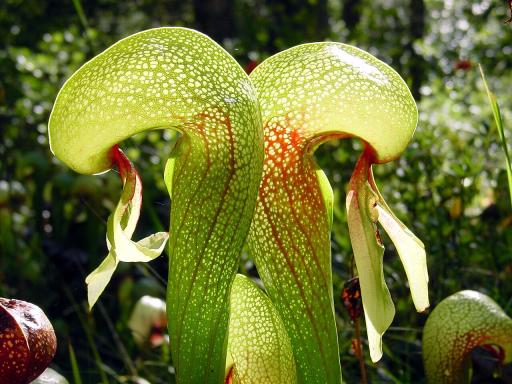
The California Pitcher Plant, scientifically known as Darlingtonia californica and commonly referred to as the cobra lily, is a fascinating carnivorous plant native to the bogs and seepages of Northern California and Oregon. It is the sole species in the genus Darlingtonia. Unlike other pitcher plants, it does not capture rainwater in its traps; instead, it regulates water levels internally. The plant features unique, bulbous, cobra-like hoods with translucent patches that confuse trapped insects, and downward-pointing hairs that guide them deeper into the digesting cavity. It thrives in cool, nutrient-poor, highly acidic soils with constantly moving, cold water running over its root system. Cultivating this botanical wonder requires replicating its specialized natural habitat conditions, making it a prized specimen for dedicated carnivorous plant enthusiasts.
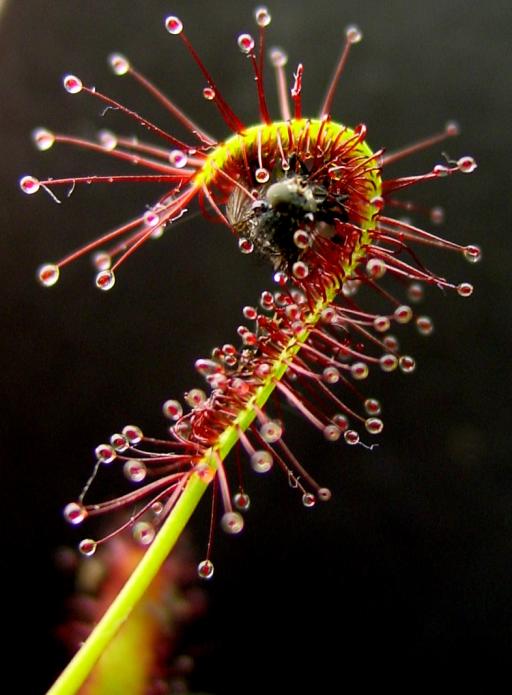
The Cape Sundew, scientifically known as Drosera capensis, is a fascinating and popular carnivorous perennial plant native to the Cape Province of South Africa. It features long, narrow strap-shaped leaves covered in glandular hairs that exude a sticky, glistening mucilage resembling morning dew. This sweet substance attracts insects, which become trapped and are subsequently digested by enzymes secreted by the plant to absorb essential nutrients lacking in its native nutrient-poor soils. The plant produces charming pink or white flowers on scapes that rise well above the sticky foliage to prevent pollinators from becoming prey. It is widely cultivated by carnivorous plant enthusiasts due to its robust nature, ease of growth under proper conditions, and continuous display of fascinating insect-trapping behavior.
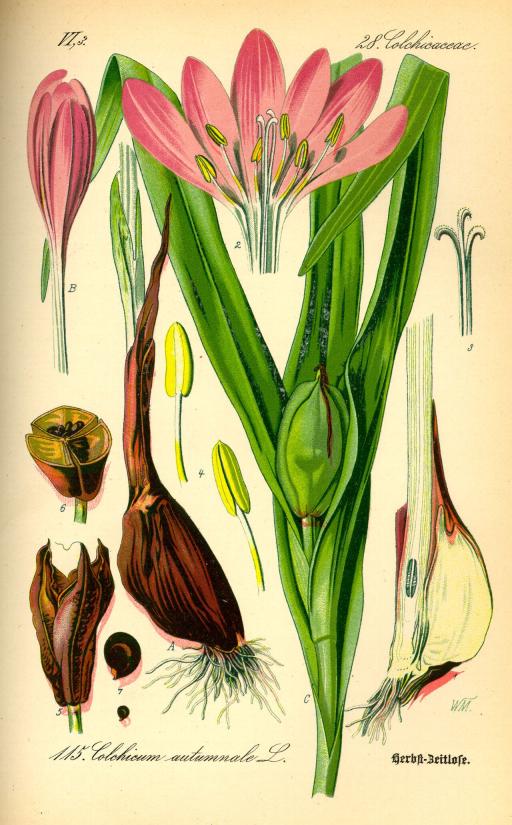
Colchicum is a fascinating genus of perennial cormous plants belonging to the family Colchicaceae. Commonly known as autumn crocus or meadow saffron, they are famous for producing their delicate, goblet-shaped flowers in the autumn without any leaves present. The lush, broad green foliage emerges the following spring, eventually dying back before the blooming cycle repeats in late summer or autumn. While highly prized in ornamental horticulture for bringing vibrant color to the garden when most other flowers are fading, every part of the plant is exceptionally toxic due to the presence of colchicine, requiring careful handling and placement away from children and grazing animals.
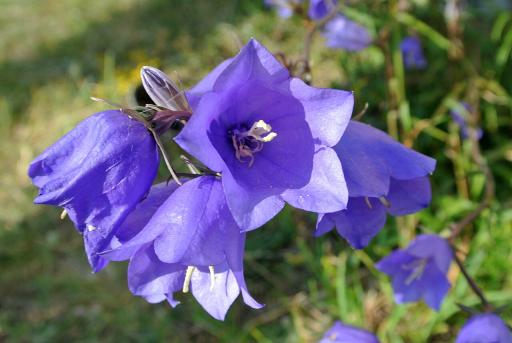
Bellflowers belong to the genus Campanula, comprising a vast and diverse group of herbaceous plants known for their distinctive bell-shaped flowers, which typically bloom in vibrant shades of blue, purple, pink, and white. These charming and resilient plants are extremely popular in garden landscapes, rockeries, and border plantings across temperate regions. Most species are hardy perennials, though some are annuals or biennials. They generally thrive in moderate climates with well-drained soils and benefit from partial shade to full sun depending on the specific species and regional summer heat intensities.
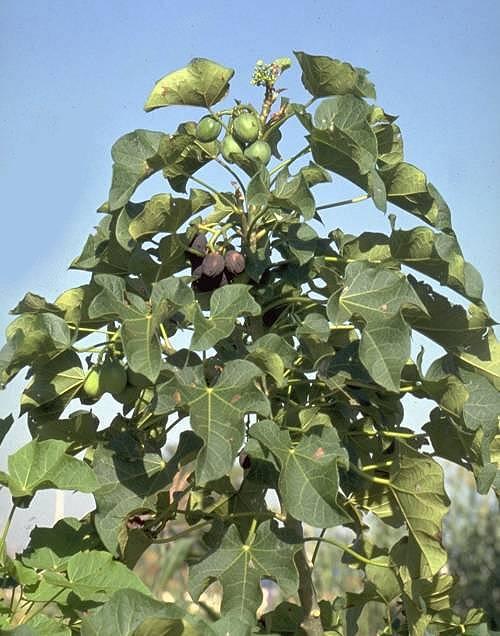
The False Castor Oil Plant, scientifically known as Jatropha curcas, is a species of flowering plant in the spurge family, Euphorbiaceae. Native to the American tropics, it is now widely cultivated in tropical and subtropical regions worldwide. This robust shrub or small tree is primarily recognized for its drought resistance and the high oil content found within its seeds, which has made it a significant candidate for biofuel production. Despite its numerous industrial applications and traditional medicinal uses, all parts of the plant are highly toxic to humans and animals due to the presence of toxalbumin and other phytotoxins. It features large, lobed green leaves and produces small yellowish-green flowers followed by oval fruits.
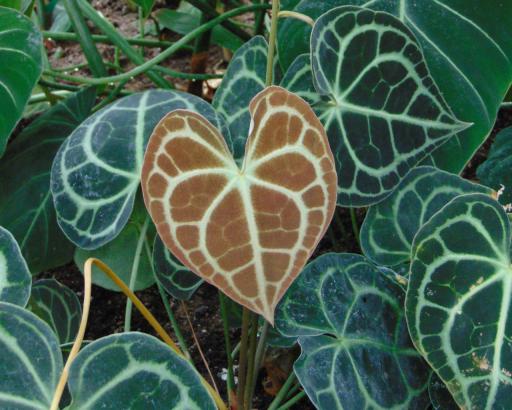
Anthurium clarinervium is a breathtaking tropical epiphyte native to the rainforests of southern Mexico. Celebrated primarily for its striking, heart-shaped dark green velvety leaves adorned with prominent, contrasting white or pale green veins, it is a prized specimen for indoor plant enthusiasts. As a member of the Araceae family, it thrives in warm, humid environments with dappled sunlight. Due to its epiphytic nature, it requires an extremely well-aerated, chunky soil mix that mimics its natural tree-dwelling habitat, allowing its thick roots to breathe and prevent root rot while maintaining adequate moisture levels throughout the growing season.
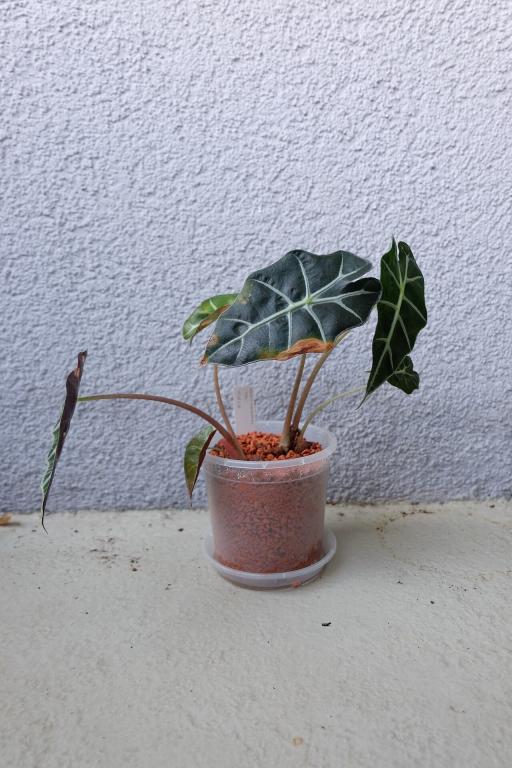
Alocasia Polly is a stunning and highly popular tropical indoor foliage plant known for its striking, glossy, dark green leaves adorned with prominent, contrasting white or silvery veins. This compact hybrid features deeply lobed, arrowhead-shaped leaves that give it a unique, almost sculptural appearance resembling an African tribal mask. As an indoor houseplant, it requires careful attention to environmental conditions, particularly regarding humidity, warmth, and moisture levels, making it slightly more challenging for novice gardeners but deeply rewarding for dedicated plant enthusiasts seeking dramatic aesthetic appeal.
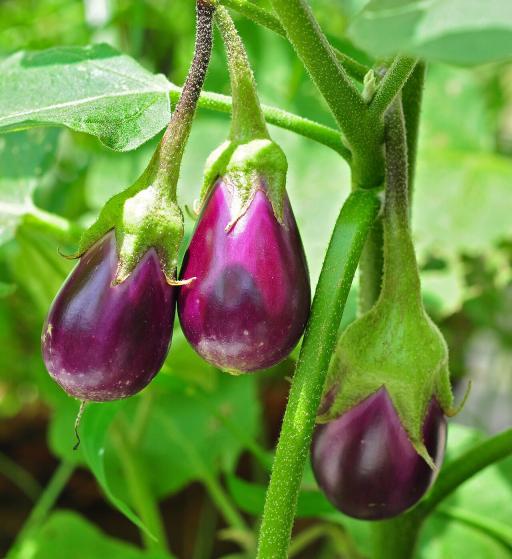
Eggplant, scientifically known as Solanum melongena, is a tender perennial plant belonging to the nightshade family Solanaceae, typically cultivated as an annual in temperate agricultural zones. Grown primarily for its spongy, absorbent edible fruit, the plant features coarse, often lobed leaves, delicate purple to white flowers, and stems that can sometimes bear prickles. Originating in tropical Asia, particularly India, eggplants require warm climates, abundant sunshine, and rich, well-draining soil to thrive. The fruit comes in a diverse range of shapes, sizes, and colors, stretching from the traditional large, glossy deep purple globe cultivars to elongated Asian types and tiny white or variegated varieties. Nutritionally, eggplants are valued for supplying dietary fiber, potassium, and various antioxidant compounds, making them a popular culinary staple in Mediterranean, Middle Eastern, and Asian cuisines.
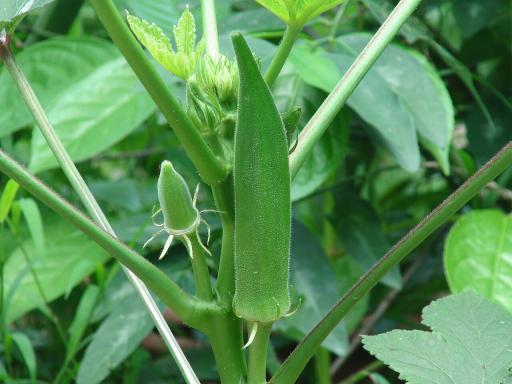
Okra, known scientifically as Abelmoschus esculentus, is a vibrant and versatile warm-season vegetable prized for its edible green seed pods. Cultivated widely in tropical, subtropical, and temperate regions, the plant belongs to the mallow family and features striking hibiscus-like flowers with pale yellow petals and deep red centers. As an agricultural and garden staple, okra thrives in rich, well-draining soils under full sunlight and provides a robust harvest of nutritious pods that are widely utilized in various culinary traditions around the world, particularly in stews, gumbos, and fried dishes, due to its unique thickening properties.