Hellebore plant image
Ranunculaceae HERB OUTDOOR Placement

Hellebore

Helleborus

Identified By Marcs

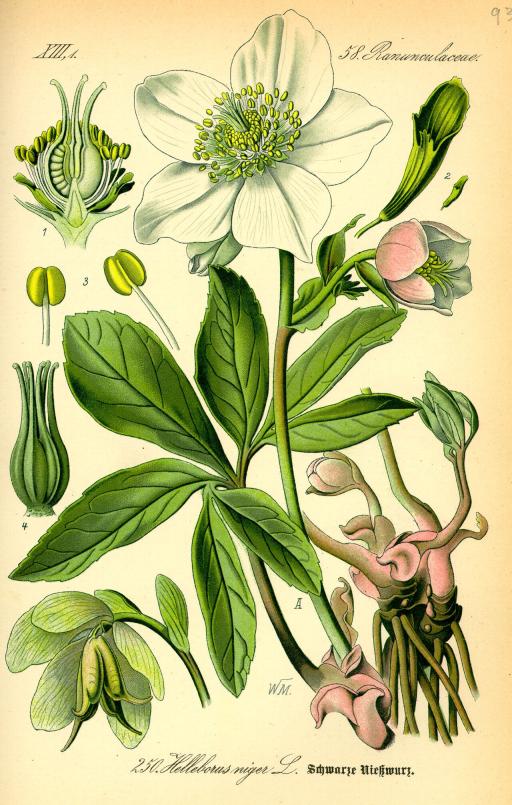
Hellebores are remarkable perennial flowering plants belonging to the buttercup family, Ranunculaceae. Famous for their ability to bloom during the bleakest months of late winter and early spring, they provide much-needed color when most of the garden remains dormant. Their cup-shaped, nodding flowers come in an array of captivating colors including white, green, pink, purple, and deep near-black shades, often complemented by striking speckled markings. Featuring tough, evergreen, leathery foliage, hellebores are exceptionally resilient, deer resistant, and thrive beautifully in shady woodland settings where few other plants dare to bloom.

Also known as: Lenten rose Christmas rose Winter rose

Toxicity & Safety

Is Hellebore toxic to pets?

Yes, toxic to pets.

Hellebores are extremely toxic to household pets including dogs, cats, and horses. All parts of the plant contain potent cardiac glycosides, protoanemonin, and other saponins. Ingestion by pets typically causes immediate and severe irritation of the mouth and gastrointestinal tract, leading to excessive drooling, abdominal pain, intense vomiting, bloody diarrhea, and lethargy. In severe cases, low blood pressure, depression of the central nervous system, and cardiac arrhythmias can occur, requiring immediate veterinary intervention to prevent fatal consequences and ensure proper stabilization and supportive care for the affected animal.
Is Hellebore toxic to humans?

Yes, toxic to humans.

Hellebores are highly toxic to humans if ingested, and handling them can cause contact dermatitis in sensitive individuals due to skin irritants present in the sap. Accidental consumption of any plant part—roots, stems, leaves, or flowers—results in severe toxicity. Symptoms of poisoning include burning sensations in the mouth and throat, violent vomiting, severe abdominal cramping, bloody diarrhea, delirium, and nervous system depression. Historically used in small doses as a potent medicine, modern medical consensus strongly advises against any home consumption, as an overdose can easily lead to circulatory collapse, cardiac arrest, and death.

Is Hellebore safe during pregnancy?

Caution advised during pregnancy.

Hellebores are strictly contraindicated during pregnancy and breastfeeding due to their strong abortifacient and uterine-stimulating properties. The toxic compounds found throughout the plant, particularly the potent glycosides, can trigger powerful contractions of the uterus, significantly raising the severe risk of miscarriage or premature labor. Furthermore, the systemic toxicity and potential for cardiovascular disruption present extreme dangers to both the pregnant individual and the developing fetus. Any accidental exposure, ingestion, or herbal utilization must be avoided entirely to prevent severe medical complications and irreversible damage.

Growth & Dimensions

Height 30 - 60 cm
Width 45 - 90 cm
Growth Rate Moderate
Care Level Easy
Lifespan Perennial

Ideal Environment

Temperature -25°C - 25°C
Sunlight Hours 2 - 6 hrs/day
Sun Exposure Partial shade
Soil pH 6 - 8
Watering Interval 7 - 14 days
Humidity 40.00% - 70.00%
USDA Zone 3 - 9

Temperate Woodland Gardens

Climate: Cool, temperate climates with mild summers and cold winters, receiving moderate rainfall.

Soils: Loam Chalk Clay
Annual Rainfall: 600 - 1200 mm

Native Regions

Europe
Western Asia

How to Care for Hellebore

How should I handle watering hellebores?

Water deeply and regularly during the first growing season to establish a deep root system. Once established, hellebores are relatively drought tolerant, though they appreciate consistent moisture during dry summer spells. Avoid waterlogged soil.

How should I handle soil and fertilizing?

Plant in rich, well-draining soil enriched with organic matter like compost. Hellebores prefer neutral to alkaline soils. Apply a balanced, slow-release fertilizer or a layer of compost around the base in early spring.

How should I handle pruning old foliage?

Cut away old, tattered, or diseased leaves in late winter or early spring just as the new flower buds emerge from the ground. This improves the plant's appearance and helps prevent the spread of black spot fungus.

How to Propagate Hellebore

How to propagate Hellebore by division?

Carefully dig up mature clumps in late summer or early autumn. Gently separate the roots into smaller sections, ensuring each division has at least two to three healthy growth buds, and replant immediately.

How to propagate Hellebore by seed?

Sow fresh seeds in pots outdoors in a shady spot as soon as they ripen in summer. Germination can be slow and irregular, often taking several months to a full year.

Common Diseases & Pests of Hellebore

What is Hellebore Black Spot and how is it treated?

Fungal
Symptoms:

Circular or irregular black to dark brown spots appearing on leaves, stems, and flowers, sometimes leading to distorted foliage and premature leaf drop.

Treatment:

Remove and destroy all heavily infected leaves immediately. Apply an appropriate copper-based fungicide if the infection is severe.

Prevention:

Ensure good air circulation, avoid overhead watering, and prune away old foliage annually in late winter.

Properties & Benefits of Hellebore

Bears Fruit

Key Nutrients / Compounds

OTHER PLANTS

Colchicum

Colchicum

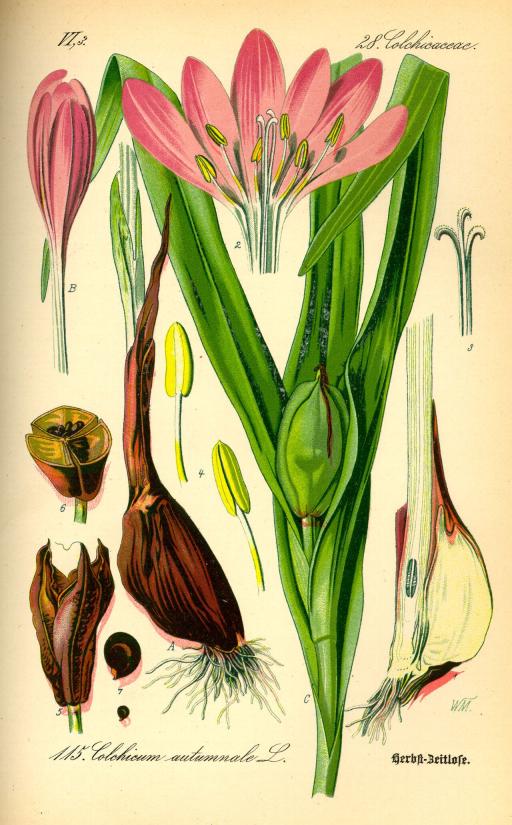
Colchicum is a fascinating genus of perennial cormous plants belonging to the family Colchicaceae. Commonly known as autumn crocus or meadow saffron, they are famous for producing their delicate, goblet-shaped flowers in the autumn without any leaves present. The lush, broad green foliage emerges the following spring, eventually dying back before the blooming cycle repeats in late summer or autumn. While highly prized in ornamental horticulture for bringing vibrant color to the garden when most other flowers are fading, every part of the plant is exceptionally toxic due to the presence of colchicine, requiring careful handling and placement away from children and grazing animals.

Bellflower

Bellflower

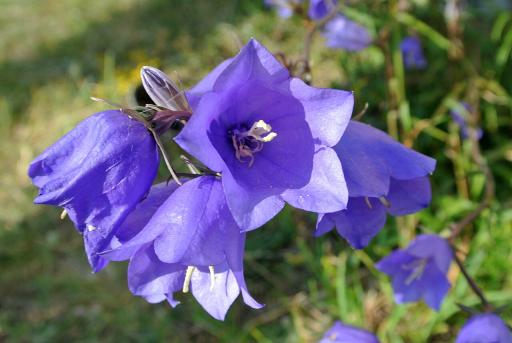
Bellflowers belong to the genus Campanula, comprising a vast and diverse group of herbaceous plants known for their distinctive bell-shaped flowers, which typically bloom in vibrant shades of blue, purple, pink, and white. These charming and resilient plants are extremely popular in garden landscapes, rockeries, and border plantings across temperate regions. Most species are hardy perennials, though some are annuals or biennials. They generally thrive in moderate climates with well-drained soils and benefit from partial shade to full sun depending on the specific species and regional summer heat intensities.

False Castor Oil Plant

False Castor Oil Plant

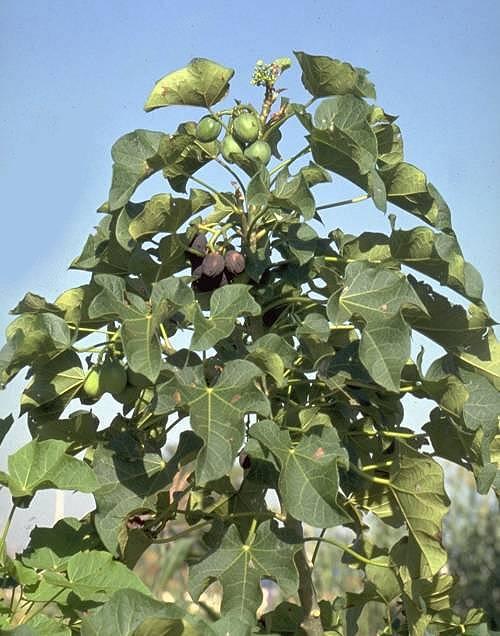
The False Castor Oil Plant, scientifically known as Jatropha curcas, is a species of flowering plant in the spurge family, Euphorbiaceae. Native to the American tropics, it is now widely cultivated in tropical and subtropical regions worldwide. This robust shrub or small tree is primarily recognized for its drought resistance and the high oil content found within its seeds, which has made it a significant candidate for biofuel production. Despite its numerous industrial applications and traditional medicinal uses, all parts of the plant are highly toxic to humans and animals due to the presence of toxalbumin and other phytotoxins. It features large, lobed green leaves and produces small yellowish-green flowers followed by oval fruits.

Velvet Leaf Anthurium

Velvet Leaf Anthurium

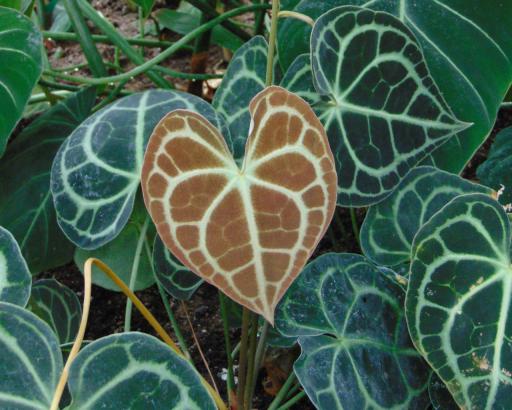
Anthurium clarinervium is a breathtaking tropical epiphyte native to the rainforests of southern Mexico. Celebrated primarily for its striking, heart-shaped dark green velvety leaves adorned with prominent, contrasting white or pale green veins, it is a prized specimen for indoor plant enthusiasts. As a member of the Araceae family, it thrives in warm, humid environments with dappled sunlight. Due to its epiphytic nature, it requires an extremely well-aerated, chunky soil mix that mimics its natural tree-dwelling habitat, allowing its thick roots to breathe and prevent root rot while maintaining adequate moisture levels throughout the growing season.

Alocasia Polly

Alocasia Polly

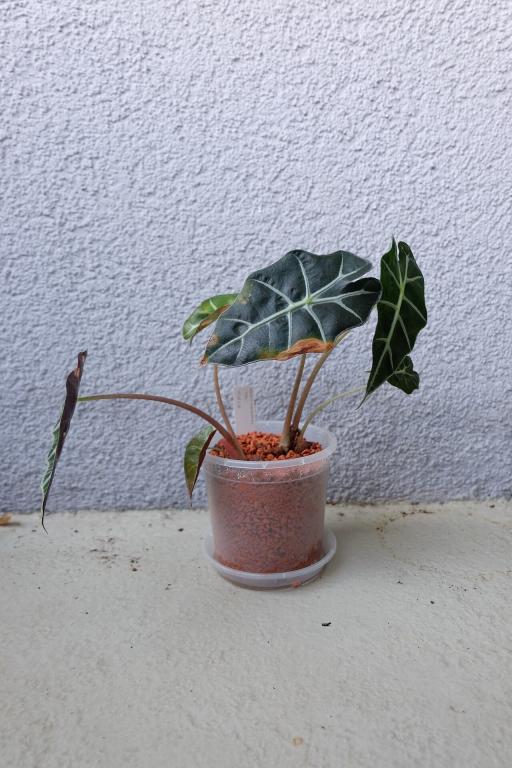
Alocasia Polly is a stunning and highly popular tropical indoor foliage plant known for its striking, glossy, dark green leaves adorned with prominent, contrasting white or silvery veins. This compact hybrid features deeply lobed, arrowhead-shaped leaves that give it a unique, almost sculptural appearance resembling an African tribal mask. As an indoor houseplant, it requires careful attention to environmental conditions, particularly regarding humidity, warmth, and moisture levels, making it slightly more challenging for novice gardeners but deeply rewarding for dedicated plant enthusiasts seeking dramatic aesthetic appeal.

Eggplant

Eggplant

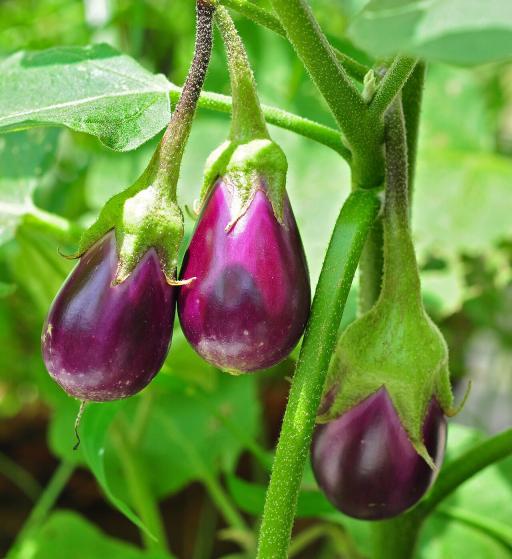
Eggplant, scientifically known as Solanum melongena, is a tender perennial plant belonging to the nightshade family Solanaceae, typically cultivated as an annual in temperate agricultural zones. Grown primarily for its spongy, absorbent edible fruit, the plant features coarse, often lobed leaves, delicate purple to white flowers, and stems that can sometimes bear prickles. Originating in tropical Asia, particularly India, eggplants require warm climates, abundant sunshine, and rich, well-draining soil to thrive. The fruit comes in a diverse range of shapes, sizes, and colors, stretching from the traditional large, glossy deep purple globe cultivars to elongated Asian types and tiny white or variegated varieties. Nutritionally, eggplants are valued for supplying dietary fiber, potassium, and various antioxidant compounds, making them a popular culinary staple in Mediterranean, Middle Eastern, and Asian cuisines.

Okra

Okra

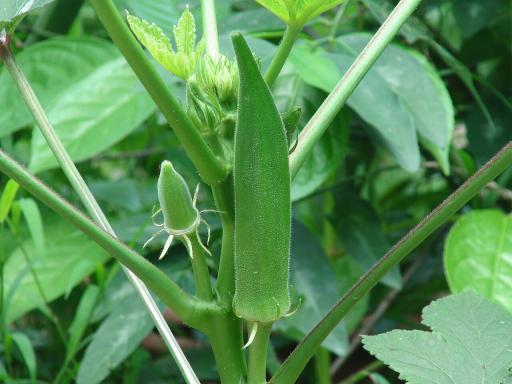
Okra, known scientifically as Abelmoschus esculentus, is a vibrant and versatile warm-season vegetable prized for its edible green seed pods. Cultivated widely in tropical, subtropical, and temperate regions, the plant belongs to the mallow family and features striking hibiscus-like flowers with pale yellow petals and deep red centers. As an agricultural and garden staple, okra thrives in rich, well-draining soils under full sunlight and provides a robust harvest of nutritious pods that are widely utilized in various culinary traditions around the world, particularly in stews, gumbos, and fried dishes, due to its unique thickening properties.

Winged Bean

Winged Bean

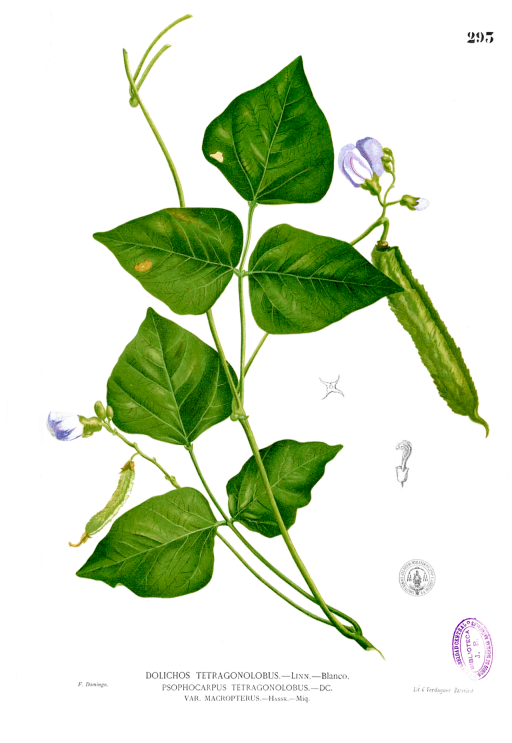
The winged bean is a tropical legume plant native to New Guinea, highly prized for its exceptional nutritional value and versatility in tropical agriculture. Every part of the plant is edible, including the pods, leaves, flowers, seeds, and tuberous roots. It gets its common name from the distinctive four longitudinal wings with frilly edges that run along the length of the green pods. Thriving primarily in warm, humid climates, this vigorous climbing vine requires strong support structures to maximize pod production and prevent fungal issues caused by ground contact.

Cassava

Cassava

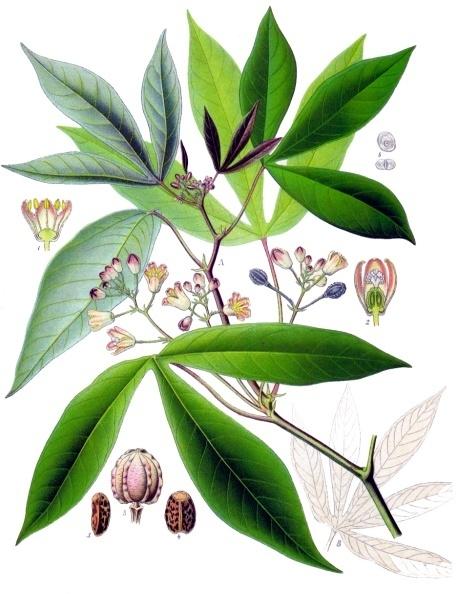
Cassava is a woody shrub native to South America of the spurge family, Euphorbiaceae. It is extensively cultivated as an annual crop in tropical and subtropical regions for its edible starchy tuberous root, a major source of carbohydrates. Cassava is remarkably drought-tolerant, capable of surviving in poor soils where many other crops would fail. Its starchy roots can be processed into flour, bread, and tapioca. Despite its agricultural importance, all parts of the plant contain cyanogenic glucosides, which require proper and thorough processing before safe human or animal consumption to prevent severe toxicity and health issues.

Crocosmia

Crocosmia

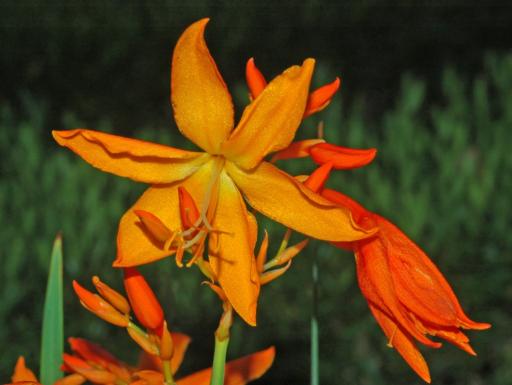
Crocosmia is a stunning genus of perennial cormous flowering plants belonging to the iris family, Iridaceae. Native primarily to the grasslands of South Africa, these vibrant plants are celebrated for their fiery spikes of red, orange, and yellow tubular flowers that bloom brilliantly throughout the mid to late summer months. They possess sword-shaped, pleated green leaves that create an attractive architectural contrast in garden beds and borders. Crocosmia plants are well-loved by gardeners for their resilience, ability to attract pollinators like hummingbirds and bees, and their exceptional performance as long-lasting cut flowers. They thrive in fertile, well-draining soils under full sun to partial shade conditions and multiply rapidly via underground corms.

Panda Plant

Panda Plant

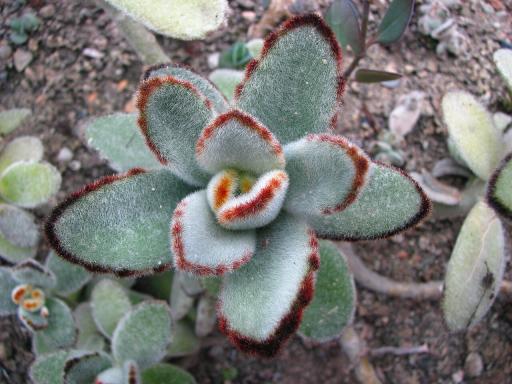
The Panda Plant, scientifically known as Kalanchoe tomentosa, is a fascinating and popular succulent native to Madagascar. It is widely celebrated for its thick, velvety, fleshy leaves that feature a soft, silvery-gray coating and charming brownish-black spots along the scalloped margins. This distinctive fuzzy texture helps the plant reduce moisture loss in its native arid habitats by trapping a thin layer of humid air around the leaf surface. As an exceptionally drought-tolerant perennial, the Panda Plant is remarkably well-suited for indoor container gardening, requiring minimal maintenance, bright indirect sunlight, and infrequent watering to thrive successfully in typical household environments.

Zebra Haworthia

Zebra Haworthia

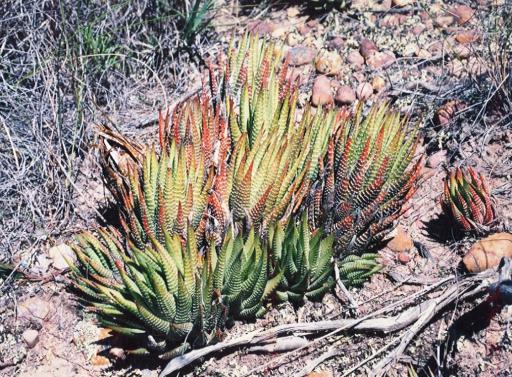
The Zebra Haworthia, scientifically known as Haworthiopsis fasciata, is a charming, compact succulent native to South Africa, specifically the Eastern Cape province. It is widely celebrated for its striking dark green leaves adorned with distinctive, raised white horizontal stripes that resemble zebra patterns. Growing in small rosettes, this resilient plant typically reaches a height of 10 to 15 centimeters, making it an ideal choice for windowsills, small apartment spaces, and terrariums. As a succulent, it stores water in its fleshy leaves, allowing it to withstand periods of drought with ease. It is particularly popular among beginner gardeners due to its low maintenance requirements and high tolerance for indoor growing conditions.

Tree Aeonium

Tree Aeonium

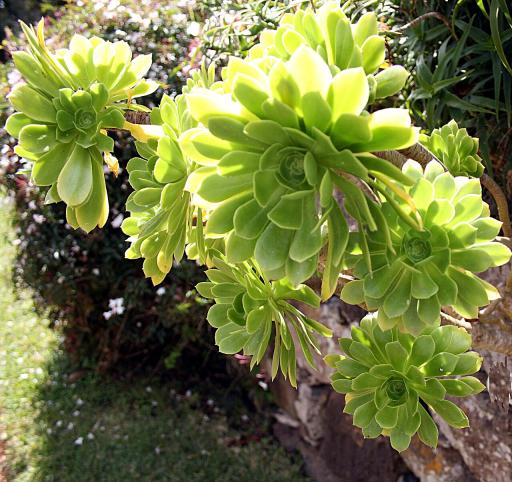
The Tree Aeonium (Aeonium arboreum) is a striking succulent subshrub native to the Canary Islands, known for its rosette-forming, fleshy leaves and branching woody stems. This architectural plant typically grows up to one to two meters in height, producing large, glossy rosettes that can range in color from vibrant green to deep purple or almost black, depending on the cultivar and sunlight exposure. In winter or spring, mature rosettes produce large, conical panicles of bright yellow, star-shaped flowers. As a popular ornamental plant in Mediterranean and arid gardens, it thrives in mild climates and well-draining soils, requiring minimal water once established. Its ability to withstand coastal conditions makes it a favorite for seaside landscaping, rock gardens, and container planting.

Heliotrope

Heliotrope

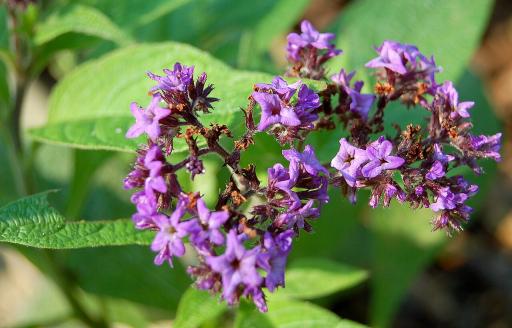
Heliotrope is a cherished garden perennial grown primarily for its intensely fragrant, vanilla-scented purple or blue flower clusters and rich, dark green foliage. Native to Peru, this charming plant brings both visual elegance and a delightful aroma to outdoor borders, containers, and patios. It thrives best in warm climates with plenty of sunshine and moist, well-draining soil. Gardeners frequently use heliotrope as an annual in cooler temperate regions, appreciating its long blooming season that extends from early summer right through the first autumn frosts. While visually stunning and adored by pollinators like butterflies, all parts of the plant contain pyrrolizidine alkaloids, meaning it is toxic if ingested by pets or humans.

Garden Phlox

Garden Phlox

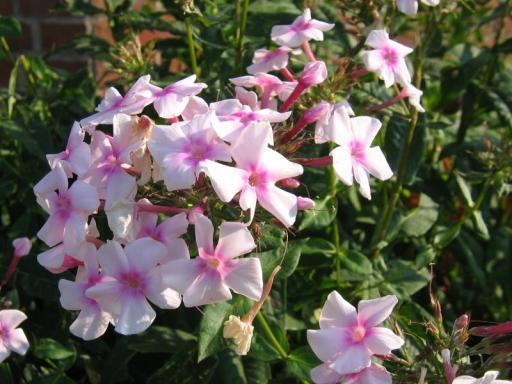
Garden Phlox is a magnificent, classic perennial powerhouse deeply cherished in traditional cottage gardens for its breathtaking, sweetly fragrant blossom clusters that burst into vibrant shades of pink, purple, red, and white during the peak of summer. Reaching impressive heights, this robust plant serves as an exceptional structural element in perennial borders, reliably drawing in a diverse array of essential pollinators such as butterflies and hummingbirds. Originating primarily from the rich woodlands and moist meadows of North America, garden phlox adapts wonderfully to cultivated landscapes provided it receives adequate moisture, fertile soil, and sufficient air circulation to thrive harmoniously.

Sweet Alyssum

Sweet Alyssum

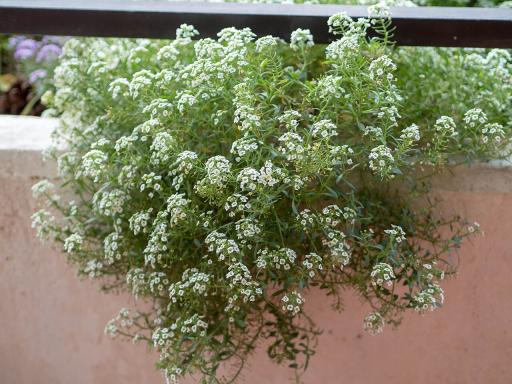
Sweet Alyssum is a popular, low-growing, mounding annual plant belonging to the Brassicaceae family. Highly appreciated for its dense carpets of tiny, fragrant white, pink, or purple flowers that emit a sweet, honey-like scent, it is a favorite for garden borders, rockeries, containers, and hanging baskets. This resilient plant attracts a wide array of beneficial insects, including pollinators like bees and butterflies, making it an excellent companion plant for vegetable gardens. Thriving best in cooler weather, Sweet Alyssum is remarkably easy to cultivate from seeds and can bloom continuously from spring until the first heavy frost if properly maintained with occasional trimming. Its compact habit and drought tolerance once established make it an indispensable choice for both novice and experienced gardeners seeking reliable, long-lasting floral displays and wonderful fragrances in their outdoor living spaces.

French Marigold

French Marigold

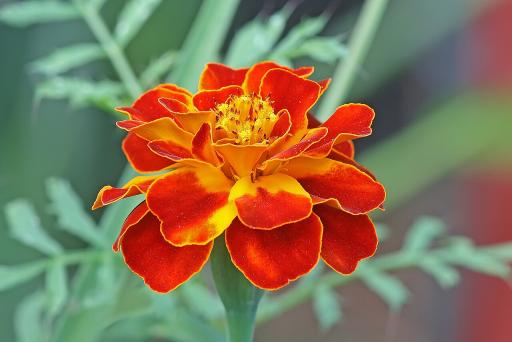
The French Marigold, scientifically known as Tagetes patula, is a popular herbaceous annual flowering plant belonging to the Asteraceae family. Native to Mexico and Central America, it is widely cultivated across the globe for its vibrant, cheerful blooms in shades of yellow, orange, red, and mahogany. Renowned for its pungent, distinct aroma and brightly colored compound flowers, this resilient plant is a favorite in ornamental gardening, companion planting, and border landscaping. It acts as a natural pest deterrent in vegetable gardens, helping to repel nematodes and various harmful insects, making it an invaluable asset for organic gardeners seeking sustainable pest management solutions alongside aesthetic beauty.

Pot Marigold

Pot Marigold

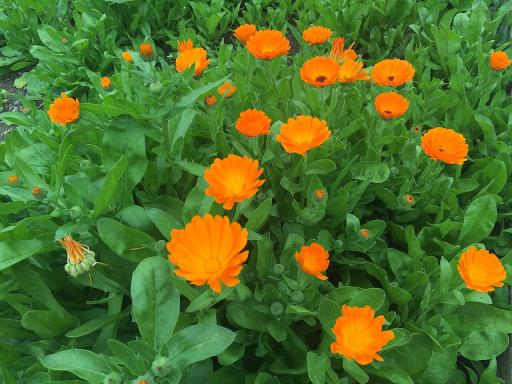
Pot Marigold, scientifically known as Calendula officinalis, is a popular and cheerful flowering plant belonging to the daisy family Asteraceae. Native to the Mediterranean region, this hardy annual or short-lived perennial is widely celebrated for its vibrant yellow and orange blossoms that brighten up any garden landscape. Beyond its ornamental appeal, the pot marigold has a rich history in herbal medicine, culinary arts, and cosmetics. Its petals are frequently used to add color to salads, infuse oils, and create soothing salves for skin irritations. Exceptionally easy to grow from seed, it thrives in a variety of soils and full sun, making it a favorite companion plant for vegetable gardens due to its ability to deter certain pests and attract beneficial pollinators.

Strawflower

Strawflower

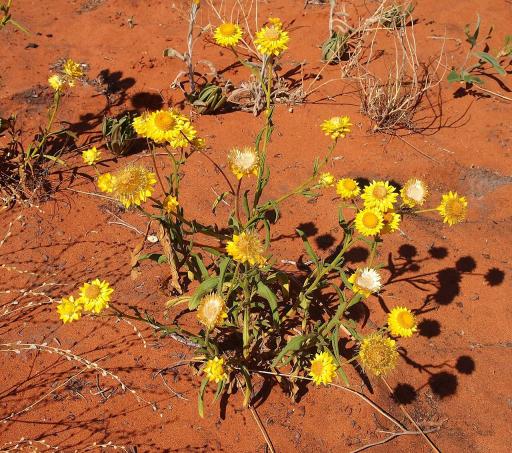
The strawflower, scientifically known as Xerochrysum bracteatum, is a remarkable and popular ornamental plant native to Australia. It is widely celebrated for its uniquely stiff, papery bracts that surround the actual flowers, giving them a dry, straw-like texture that lasts indefinitely even after being cut. This characteristic makes strawflowers an absolute favorite for dried floral arrangements, crafts, and long-lasting bouquets. They thrive in warm climates with plenty of sunshine and well-draining soil, offering a vibrant splash of yellow, red, orange, pink, and white colors throughout the summer and autumn months. As resilient annuals or short-lived perennials in warmer zones, they are remarkably drought-tolerant and easy to grow for both novice and experienced gardeners alike.

Love-Lies-Bleeding

Love-Lies-Bleeding

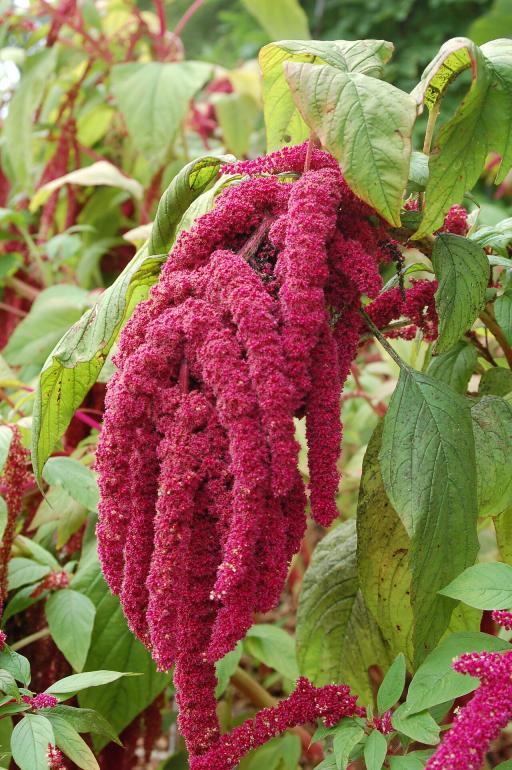
Love-Lies-Bleeding, scientifically known as Amaranthus caudatus, is a remarkable and striking ornamental plant famous for its cascading, rope-like clusters of deep crimson or purplish-red flowers. Native to the tropical regions of the Americas, this annual herb can grow quite tall, creating a dramatic architectural statement in gardens and floral arrangements. The flowers can stretch downwards for up to sixty centimeters, giving the plant its vivid and melancholy common name. It thrives in warm weather, requires plenty of sunlight, and adapts well to a variety of well-drained soils. Beyond its stunning visual appeal, parts of the plant, including the nutritious seeds and leaves, have historically been utilized for culinary purposes by indigenous cultures in South America, making it both a feast for the eyes and a source of sustenance.

Statice

Statice

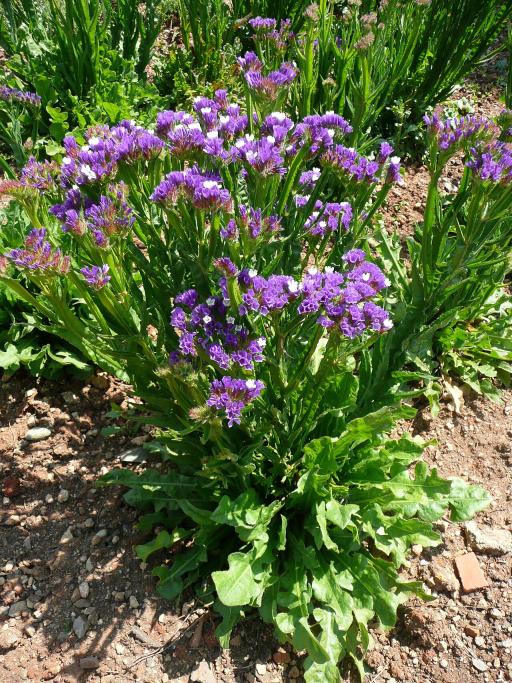
Statice, scientifically known as Limonium sinuatum, is a remarkably popular ornamental plant celebrated for its brightly colored, papery calyces that retain their vibrant hues long after being cut. This makes them an absolute favorite in the floral industry for fresh bouquets as well as dried flower arrangements. Native to the Mediterranean region, statice thrives in coastal environments and poorly fertile soils, showcasing an exceptional resilience to drought and salty conditions. The plant features deeply lobed, basal leaves and produces stiff, winged stems topped with clusters of tiny, delicate flowers. Gardeners appreciate statice for its long blooming season, spanning from late spring straight through the autumn frosts, adding reliable splashes of purple, pink, yellow, white, or blue to garden beds and borders.

Baby's Breath

Baby's Breath

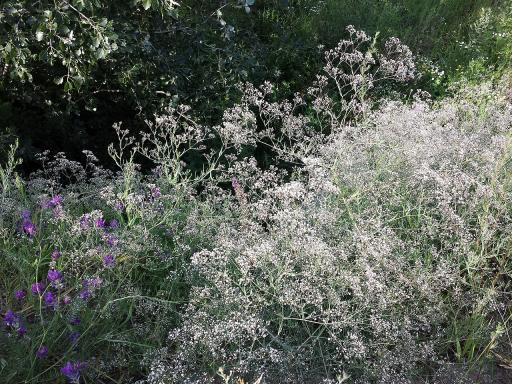
Baby's Breath, scientifically known as Gypsophila paniculata, is a popular ornamental flowering plant belonging to the carnation family, Caryophyllaceae. Native to parts of Europe and Asia, it is widely celebrated for its delicate, cloud-like clusters of tiny white or pink flowers that add an ethereal, airy texture to floral arrangements and garden borders. This hardy herbaceous perennial thrives in well-drained, alkaline soils and full sun exposure, making it remarkably drought-tolerant once established. While it is a cherished favorite among florists globally, it can behave as an invasive species in certain agricultural regions due to its prolific seed production and deep taproot system.

Sweet William

Sweet William

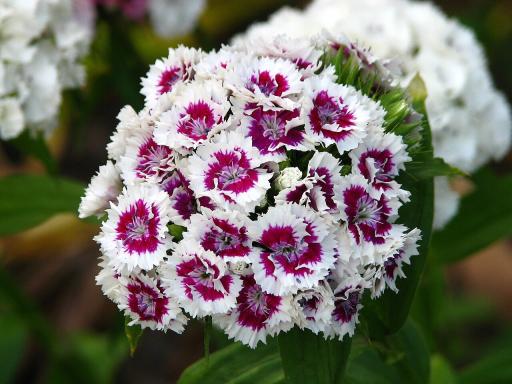
Sweet William is a popular ornamental garden plant belonging to the Caryophyllaceae family. Renowned for its dense, flat-topped clusters of vibrant flowers that feature shades of red, pink, white, and bicolors, this charming flowering plant is a favorite in traditional and cottage gardens. Typically grown as a biennial or short-lived perennial, Sweet William thrives in cooler temperate climates and is well-appreciated for its delightful, spicy fragrance reminiscent of cloves. It attracts various pollinators, including butterflies and bees, making it a wonderful ecological addition to backyard landscapes. Cultivating Sweet William is relatively straightforward, as it prefers well-drained soils and plenty of sunshine, though it can tolerate partial shade in hotter regions.

Foxtail Palm

Foxtail Palm

The Foxtail Palm, scientifically known as Wodyetia bifurcata, is a magnificent and highly sought-after ornamental palm native to the rocky outcrops of Cape Melville in Queensland, Australia. Renowned for its distinctive, bushy fronds that resemble the bushy tail of a fox, this single-trunked palm can reach heights of up to 10 meters in cultivation. It features a smooth, self-cleaning, gray trunk and a striking crownshaft that adds a vibrant tropical elegance to landscapes. Highly adaptable to various tropical and subtropical climates, the Foxtail Palm is exceptionally popular in modern landscaping due to its resilience, striking aesthetic appeal, and relatively fast growth rate under optimal conditions. It thrives in well-drained soils and requires abundant sunshine to showcase its lush green foliage at its absolute best.