Is Winter Melon toxic to pets?
No, Winter Melon is generally safe for pets.
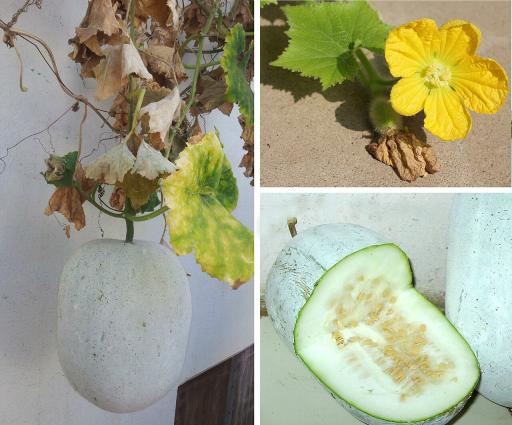
Benincasa hispida
Identified By Marcs
Winter melon, scientifically known as Benincasa hispida, is a large vine grown for its very large fruit, eaten as a vegetable when mature. It is the only member of the genus Benincasa. The plant is native to tropical Asia, likely originating in Southeast Asia or India, and is widely cultivated across tropical and subtropical regions. The fruit is characterized by a fuzzy coating when young, which matures into a thick, chalky white waxy bloom that gives it incredible shelf life, allowing it to keep for many months during the winter season.
Climate: Warm tropical and subtropical climates with high humidity, long sunny days, and frost-free growing seasons lasting at least four to five months.
Winter melon plants require consistent moisture to thrive and produce large, healthy fruits. Water deeply at the base of the plant at least once or twice a week, depending on rainfall and temperature conditions. Ensure that the soil remains evenly moist but never waterlogged, as stagnant water can easily cause root rot and encourage fungal diseases to develop rapidly across the vine.
Plant your winter melons in a location that receives full sun for a minimum of six to eight hours every single day. Ample sunlight is crucial for vigorous vine growth, abundant flowering, and optimal fruit development. If planted in partial shade, the plant will produce fewer fruits and they may fail to reach their full, mature size.
Provide a rich, well-draining sandy loam or loamy soil amended generously with organic compost or aged manure before planting. Maintain a soil pH between 6.0 and 7.0 for best nutrient uptake. Feed the plants with a balanced, slow-release fertilizer during the early vegetative stage, and switch to a formula higher in phosphorus and potassium once flowering begins to support heavy fruit production.
To propagate winter melon from seeds, start by soaking the seeds in warm water for about 12 to 24 hours to soften the hard outer seed coat and accelerate germination. Sow the seeds directly into warm garden soil or biodegradable seed-starting pots filled with a nutrient-rich, well-draining seed-starting mix at a depth of roughly 2 to 3 centimeters. Maintain a warm ambient temperature between 25 and 30 degrees Celsius, keeping the soil consistently moist until germination occurs, which usually takes between 7 to 14 days. Once seedlings develop their first true leaves and all danger of frost has completely passed, transplant them outdoors into their final permanent growing locations, spacing them generously to allow for their sprawling vine habit.
White or gray powdery spots appear on the upper and lower surfaces of the leaves, stems, and sometimes the petioles. As the infection progresses, leaves turn yellow, curl up, dry out, and drop prematurely, drastically reducing the overall photosynthetic capacity and stunting fruit development.
Apply organic fungicides such as neem oil, potassium bicarbonate, or sulfur-based sprays at the very first sign of infection. Remove and destroy heavily infected leaves to prevent the fungal spores from spreading further across the canopy.
Ensure proper plant spacing and adequate airflow between vines to keep foliage dry. Water the base of the plants directly in the morning rather than overhead splashing, and rotate crops annually to reduce fungal spore loads in the soil.
Winter melon is exceptionally high in water content, typically comprising over 95 percent water, which makes it extremely low in calories, fat, and carbohydrates. Incorporating winter melon into your regular diet helps promote effective hydration and provides a satisfying dietary volume that can assist significantly with weight management programs. Furthermore, its mild taste allows it to absorb flavors from broths and spices easily, making it a versatile ingredient in traditional Asian culinary dishes and healing broths during hot summer or cold winter months alike.
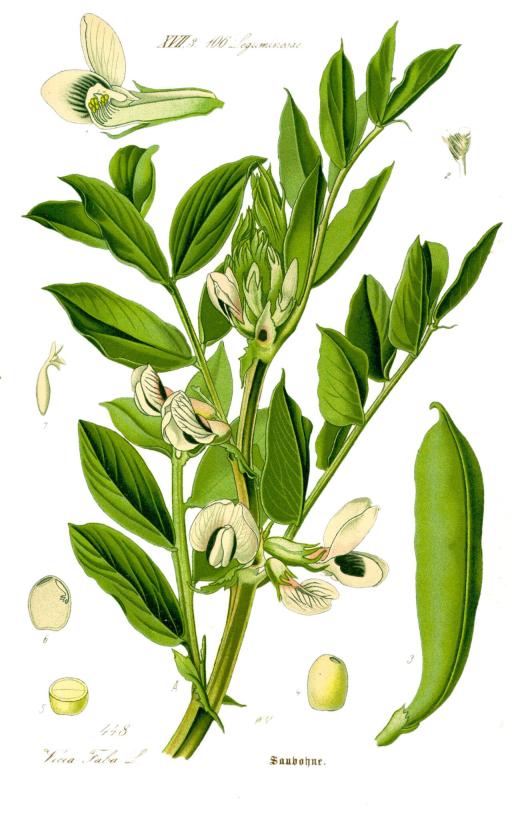
The fava bean, scientifically known as Vicia faba, is a large, flat, green legume cultivated since ancient times across the Mediterranean, Middle East, and parts of Asia and Europe. Grown primarily as a cool-season annual crop, this robust herbaceous plant features erect stems and pinnate leaves with grey-green leaflets. It produces distinct white and black-blotched flowers that eventually develop into large, fleshy pods containing edible seeds. Highly valued in culinary traditions globally, fava beans are packed with essential nutrients, dietary fiber, and plant-based proteins. Additionally, they serve an important agricultural role as a nitrogen-fixing cover crop that significantly improves soil fertility for subsequent plantings.
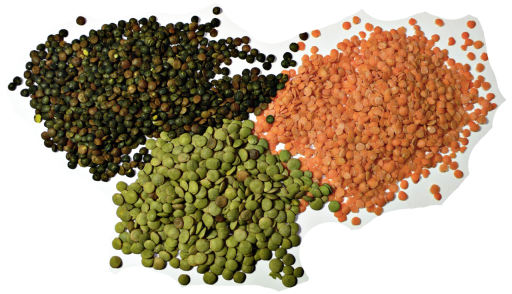
The lentil is an edible legume known for its lens-shaped seeds. It is an annual plant that grows as a small, bushy herb, originating from the Near East and Central Asia. Widely cultivated for its culinary value, lentils are a remarkable source of plant-based protein, dietary fiber, iron, and essential minerals. They thrive in temperate and subtropical climates with well-draining soils and are extremely drought tolerant compared to other legumes. The plant produces small, self-pollinating flowers that develop into short pods containing typically one or two seeds each.
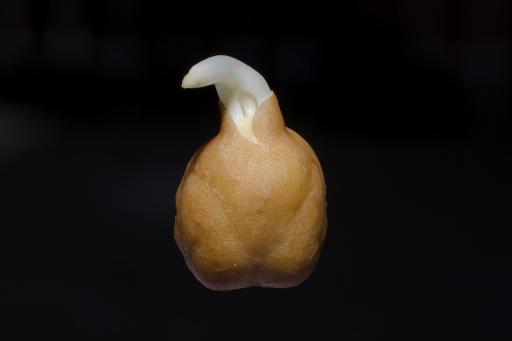
The chickpea is an annual legume of the family Fabaceae, widely cultivated for its nutritious seeds. It is one of the earliest cultivated legumes and remains a vital food source globally, especially in Mediterranean, Middle Eastern, and South Asian cuisines. The plant typically grows as a small, bush-like herb featuring feathery leaves and small white, pink, or purplish flowers. Chickpeas thrive in warm, semi-arid climates and well-draining soils. They are celebrated not only for their culinary versatility in dishes like hummus and curries but also for their agricultural benefit of nitrogen fixation, which enriches the soil they grow in. They are packed with essential nutrients, making them a cornerstone of healthy plant-based diets.
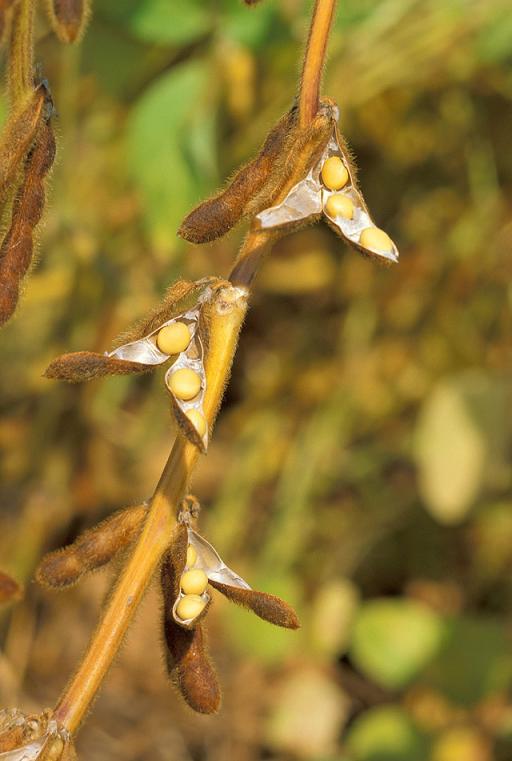
The soybean is a species of legume native to East Asia, widely grown for its edible bean, which has numerous uses. Traditional unfermented food uses of soybeans include soybean meal and tofu. Fat-free soybean meal is a significant and cheap source of protein for animal feeds and many packaged meals. Soybeans are also a primary source of vegetable oil and are utilized in various industrial applications. As a legume, soybeans harbor a symbiotic bacterium called Bradyrhizobium japonicum, which has the ability to fix nitrogen from the atmosphere. This makes soybeans an invaluable crop in agricultural rotations, as they enrich the soil with vital nutrients and reduce the need for synthetic nitrogen fertilizers. The plant itself is an annual herb featuring trifoliate leaves, inconspicuous white or purple flowers, and hairy pods containing two to four seeds each.
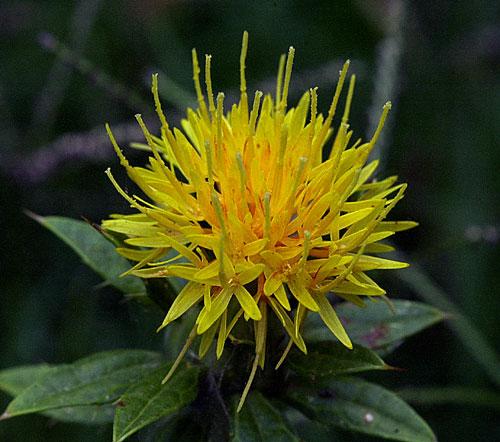
Safflower is a highly branched, herbaceous, thistle-like annual plant that typically grows from 30 to 150 centimeters tall. It features bright yellow, orange, or red flowers that have historically been used for coloring and flavoring foods, as well as making dyes. Cultivated primarily in arid and semi-arid regions around the world, safflower is valued heavily for the vegetable oil extracted from its seeds, which is rich in polyunsaturated fatty acids. The plant adapts exceptionally well to dry climates due to its deep taproot system, which allows it to extract moisture from deep within the soil profile. Beyond its agricultural value, safflower has a long history of utilization in traditional medicine systems and continues to be an important crop for industrial oil and organic textile dyeing applications.
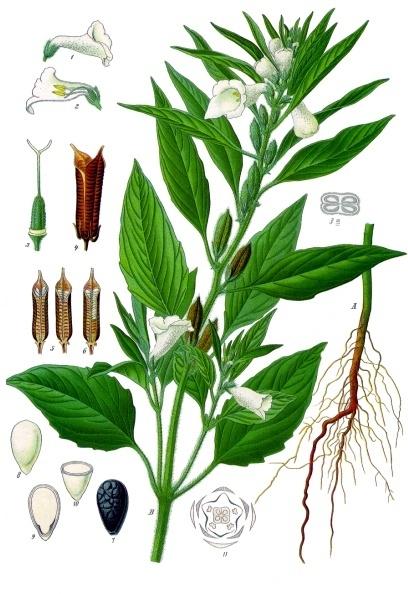
Sesame is an ancient flowering plant cultivated primarily for its edible seeds, which have been used in culinary traditions around the world for thousands of years. As an erect annual herb, it thrives in warm, tropical, and subtropical climates and is remarkably drought-tolerant once established. The plant produces tubular, bell-shaped flowers that range in color from white to pink or purple, eventually developing into seed capsules that burst open when mature. Sesame seeds are prized not only for their distinct, nutty flavor and rich oil content but also for their impressive nutritional profile, containing healthy fats, essential minerals, and powerful antioxidants.
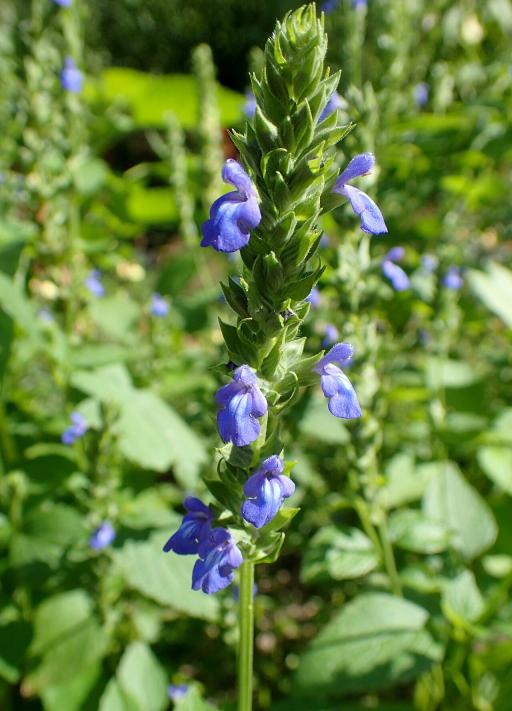
Chia is a species of flowering plant in the mint family, Lamiaceae, native to central and southern Mexico and Guatemala. Historically, it was cultivated by the Aztecs and Mayans as a staple food crop and for medicinal and religious purposes. The plant produces small, oval, grey-colored seeds with black and white spots that are highly valued for their nutritional properties, being exceptionally rich in omega-3 fatty acids, dietary fiber, protein, and various micronutrients. Chia plants typically grow up to one meter in height, featuring opposite leaves and whorls of purple or white flowers. They thrive best in well-draining soils with abundant sunlight and warm climates, making them increasingly popular worldwide as a healthy superfood crop and an attractive ornamental garden addition.
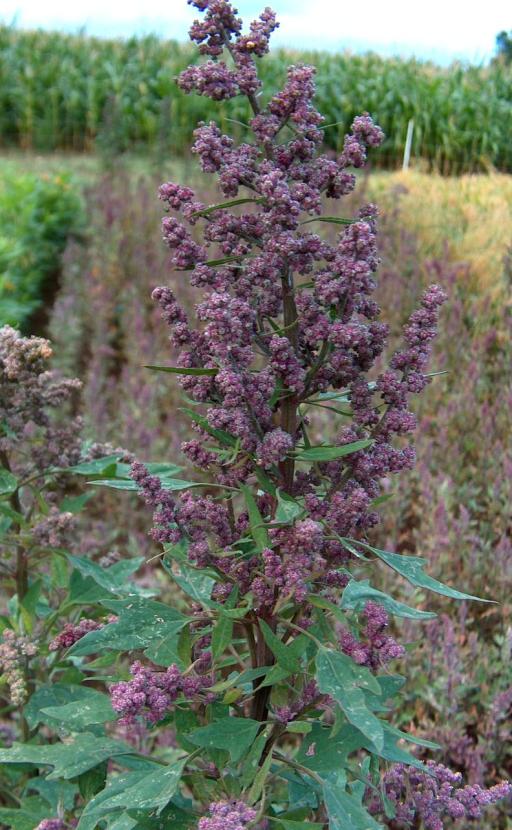
Quinoa is a flowering plant in the amaranth family, cultivated primarily for its edible seeds. It is a pseudocereal rather than a true cereal, as it is not a member of the true grass family. Quinoa has been an important crop for the Andean peoples for thousands of years, providing a vital source of nutrition due to its remarkable balance of essential amino acids, making it a complete protein source. The plant is exceptionally hardy, capable of growing in poor soils, under drought conditions, and at high altitudes. Its leaves, stems, and seeds can all be utilized, though the seeds are globally renowned for their culinary versatility and health benefits.
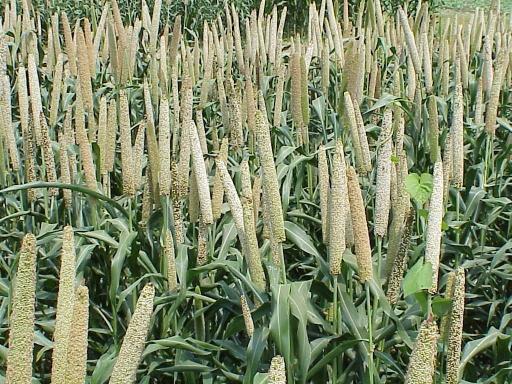
Pearl millet is a major cereal crop extensively cultivated in the arid and semi-arid regions of Africa and the Indian subcontinent due to its exceptional drought tolerance and resilience against harsh environmental conditions. Botanically known as Pennisetum glaucum, this robust annual grass belongs to the Poaceae family. It features erect, sturdy stems, broad linear leaves, and dense, cylindrical spike-like inflorescences that resemble cattails and hold nutrient-dense grains. Beyond its primary role as a vital staple food source providing essential dietary energy, minerals, and proteins for millions of people, pearl millet is also widely utilized for high-quality livestock forage, green grazing, and biomass production. Its deep root system allows it to extract moisture and nutrients from poor, sandy soils where other cereal crops like maize or wheat would typically fail completely.
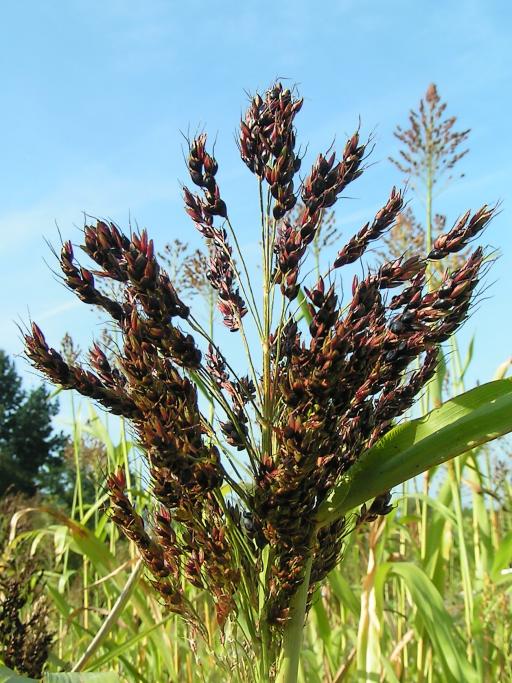
Sorghum is a versatile and resilient cereal grain belonging to the grass family Poaceae. Originally domesticated in Northeast Africa, it is now cultivated widely across arid and semi-arid regions globally due to its exceptional drought tolerance and adaptability to poor soils. The plant features tall, robust stalks topped with dense seed heads containing nutritious, gluten-free grains. Sorghum serves multiple agricultural purposes, including human consumption as food, animal forage, and biofuel production. Its rich nutrient profile and low water requirements make it an increasingly vital crop for sustainable agriculture in changing global climates.
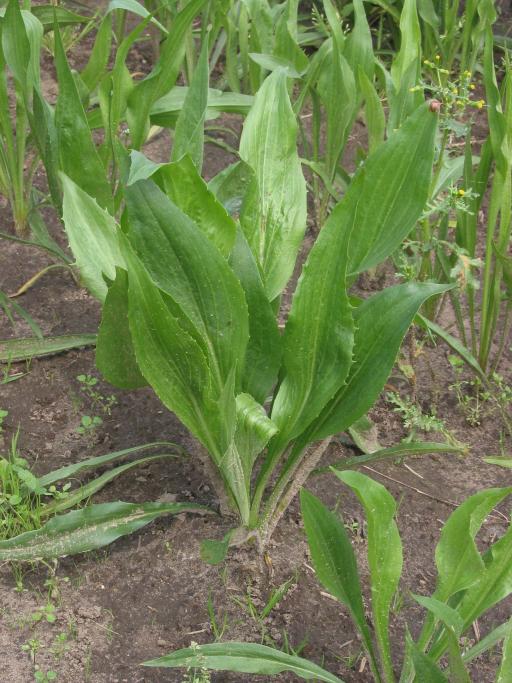
Black Salsify, scientifically known as Scorzonera hispanica, is a fascinating perennial vegetable belonging to the daisy family Asteraceae. Originally native to Southern Europe and parts of Western Asia, it is cultivated extensively for its long, slender taproots, which are covered in a dark, rough, corky skin that conceals a pristine white, creamy flesh. The flavor of the cooked root is uniquely delicate, often compared to asparagus or oysters, hence one of its colloquial names, the oyster plant. In addition to the edible roots, the plant produces cheerful, bright yellow flowers during its second year of growth. It is highly valued in European cuisine, particularly during the winter months, and offers numerous nutritional benefits, including rich dietary fiber and essential minerals.
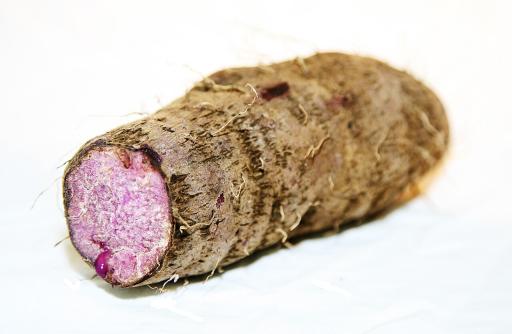
Purple yam, botanically known as Dioscorea alata, is a species of yam cultivated primarily for its vibrant, tuberous roots. Originating in Southeast Asia, this climbing vine is widely recognized for its striking bright purple or violet flesh, which owes its color to a high concentration of powerful anthocyanin antioxidants. The plant features twining stems with winged edges and heart-shaped leaves arranged in opposite pairs. It requires a tropical or subtropical climate with warm temperatures and consistent moisture to thrive. As a staple carbohydrate source, purple yam has gained immense popularity globally, particularly in culinary arts where it is used in desserts, pastries, and savory dishes alike. Beyond its culinary appeal, it offers various nutritional benefits, including dietary fiber, essential vitamins, and minerals that support overall health and wellness.
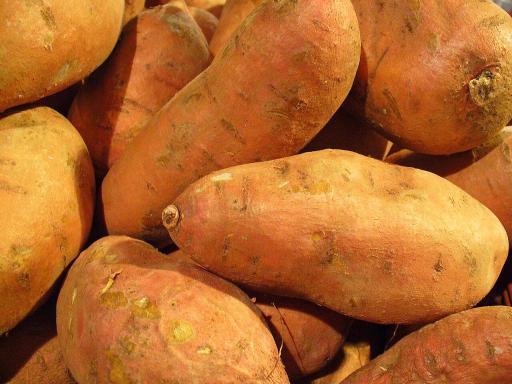
The sweet potato is a dicotyledonous plant that belongs to the bindweed or morning glory family, Convolvulaceae. Its large, starchy, sweet-tasting root is a root vegetable widely used as a human food source and for animal feed. The young leaves and shoots are also sometimes eaten as greens. Sweet potatoes are native to the tropical regions of the Americas and are cultivated extensively around the globe in warm climates where there is an adequate frost-free growing period. They are rich in complex carbohydrates, dietary fiber, beta-carotene, vitamin C, and vitamin B6, making them a highly nutritious and versatile agricultural crop.
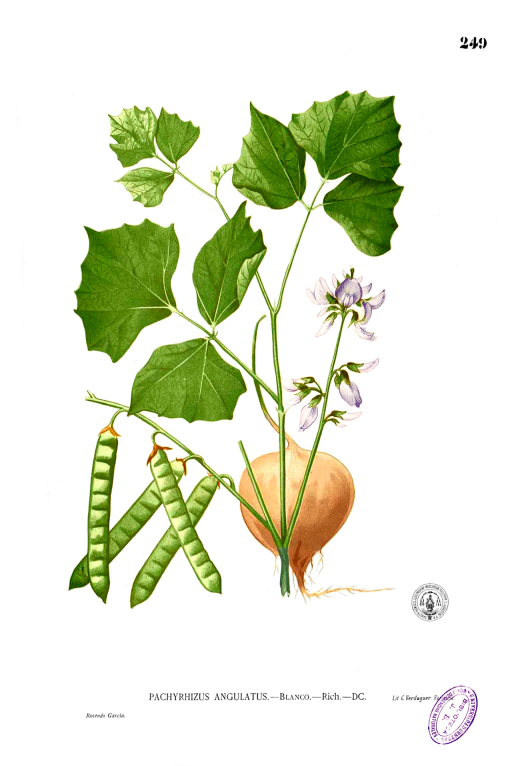
Jicama, scientifically known as Pachyrhizus erosus, is a species of vine native to Mexico and Central America, widely cultivated for its large, edible, tuberous roots. The plant grows as a vigorous herbaceous vine that can climb significantly if provided with adequate support, producing compound leaves and purple or white pea-like flowers. While the crisp, sweet, and starchy root is a popular culinary ingredient prized for its high water content and dietary fiber, the rest of the plant, including the seed pods, leaves, and vines, contains a toxic organic compound called rotenone. This compound makes the vegetative parts highly toxic to humans and animals, serving as a natural defense mechanism. Jicama thrives in warm, frost-free tropical and subtropical climates, requiring well-draining soils and abundant sunlight to develop its characteristic sweet tubers over a long growing season.
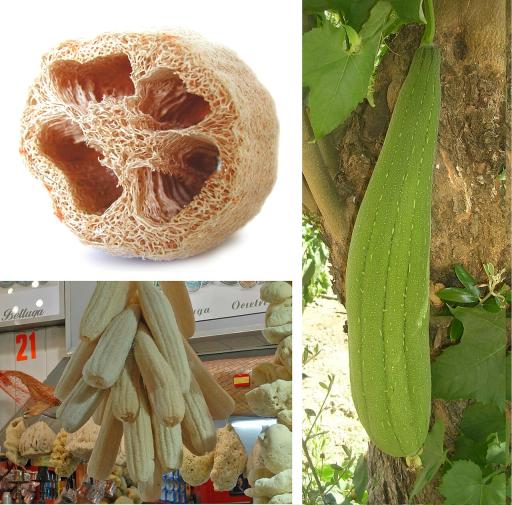
Luffa is a popular tropical and subtropical vine belonging to the Cucurbitaceae family, widely cultivated for its fibrous vascular system found inside the mature fruit. When the fruit fully ripens and dries, the outer skin can be easily peeled away to reveal a tough, sponge-like network of fibers that is extensively used globally as an exfoliating bath sponge, household cleaning scrubber, and in various artisanal crafts. In addition to its industrial and cosmetic utility, the immature green fruits of certain species are edible and prized in Asian cuisines, where they are consumed as a nutritious vegetable in stir-fries, soups, and curries. As a vigorous climbing vine, luffa requires substantial vertical support structures, full sunlight, and consistently warm temperatures to thrive and reach its maximum agricultural potential. It is an extraordinary multi-purpose plant that bridges the gap between functional household products and sustainable agricultural produce, making it an increasingly popular crop for home gardeners and commercial farmers alike.
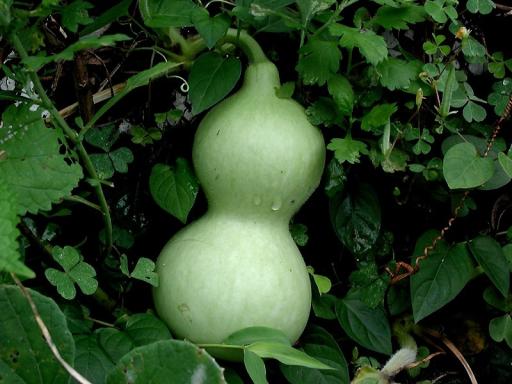
The bottle gourd, scientifically known as Lagenaria siceraria, is a popular annual climbing or trailing vine belonging to the Cucurbitaceae family. Grown extensively across tropical and subtropical regions worldwide, it is primarily cultivated for its edible fruit, which is harvested young and consumed as a nutritious vegetable. The plant features large, fuzzy leaves, white nocturnal flowers, and produces distinctive fruit that varies significantly in shape and size, ranging from long cylinders to large round spheres. Once mature and dried, the hard woody shells of the fruits have historically been utilized globally for crafting utensils, containers, musical instruments, and decorative items. As a versatile and fast-growing crop, the bottle gourd requires a warm climate, ample sunlight, rich well-draining soil, and consistent moisture to thrive and produce an abundant harvest.
Winter melon, scientifically known as Benincasa hispida, is a large vine grown for its very large fruit, eaten as a vegetable when mature. It is the only member of the genus Benincasa. The plant is native to tropical Asia, likely originating in Southeast Asia or India, and is widely cultivated across tropical and subtropical regions. The fruit is characterized by a fuzzy coating when young, which matures into a thick, chalky white waxy bloom that gives it incredible shelf life, allowing it to keep for many months during the winter season.
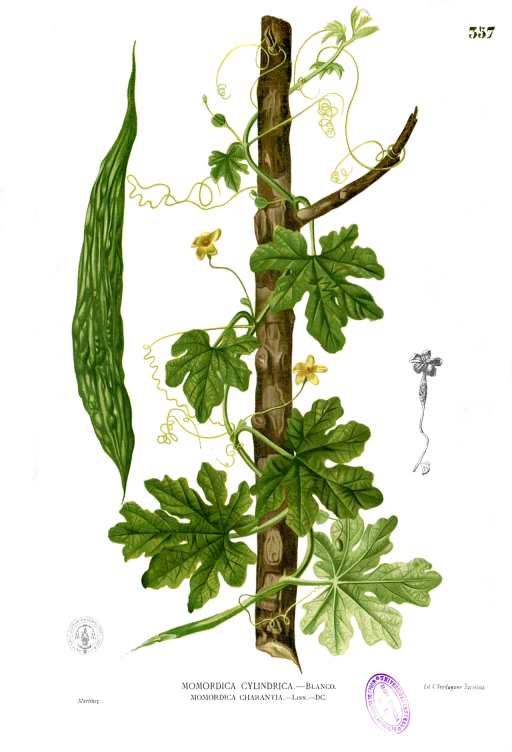
Bitter melon, scientifically known as Momordica charantia, is a tropical and subtropical vine belonging to the Cucurbitaceae family, widely cultivated for its edible, distinctly bitter fruit. Originating in tropical regions of Asia, the plant features distinct lobed leaves and yellow flowers, followed by warty, oblong fruits that turn bright orange-yellow and split open when fully ripe. Highly valued in various Asian, African, and Caribbean cuisines, bitter melon is also celebrated in traditional medicine systems for its potential health benefits, particularly in managing blood sugar levels and providing essential vitamins and antioxidants.
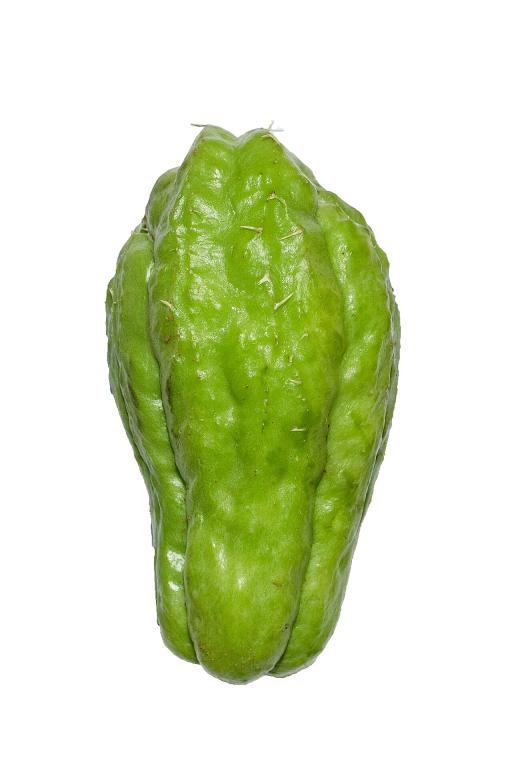
Chayote, scientifically known as Sechium edule, is a vigorous, perennial climbing vine belonging to the Cucurbitaceae family, which also includes gourds, squashes, and pumpkins. Originating from Mesoamerica, particularly Mexico and Central America, this plant is widely cultivated across tropical and subtropical regions globally for its edible pear-shaped fruit, starchy tuberous roots, and tender shoots. The plant produces large, heart-shaped leaves and delicate tendrils that allow it to climb extensively over trellises, fences, and walls. Chayote is remarkably versatile in culinary applications, prized for its mild flavor and crisp texture, and it holds significant agricultural importance due to its high yield and adaptability to various warm climates.
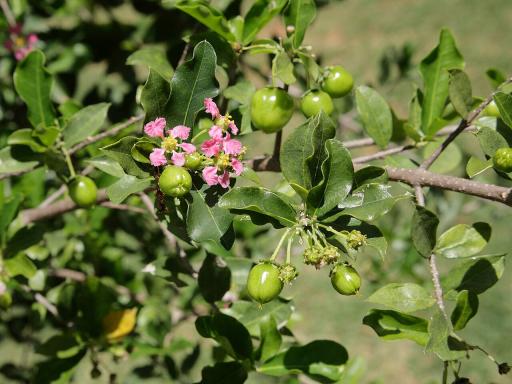
Acerola, scientifically known as Malpighia emarginata, is a tropical fruit-bearing shrub or small tree belonging to the Malpighiaceae family. Native to tropical regions of the Americas, including Central America, northern South America, and the Caribbean, it is widely celebrated for its exceptionally high vitamin C content. The plant typically features dense, glossy green foliage and produces small, bright red, cherry-like fruits that are tart and juicy. Beyond its nutritional value, acerola is frequently cultivated as an ornamental garden plant and can be trained into stunning bonsai specimens due to its woody trunk and delicate pink or white flowers.
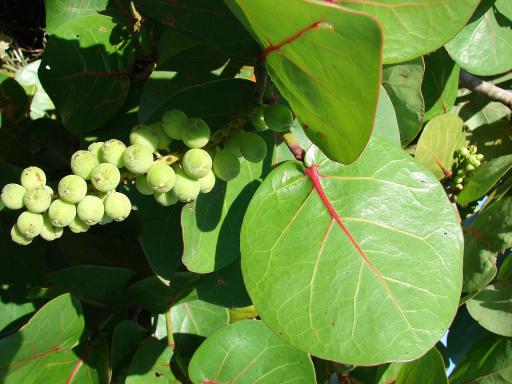
The sea grape is a remarkable, sturdy coastal plant native to tropical coastal regions of the Americas and the Caribbean. Scientifically known as Coccoloba uvifera, this woody evergreen shrub or small tree belongs to the buckwheat family, Polygonaceae. It is widely recognized for its large, leathery, rounded leaves that feature prominent red veins, and its grape-like clusters of edible fruits that turn from green to purple as they ripen. Highly tolerant of salt spray and sandy soils, the sea grape plays a vital ecological role in stabilizing coastal dunes, preventing beach erosion, and providing essential habitat for various coastal wildlife species. Additionally, it is frequently cultivated as an ornamental landscape plant in coastal gardens and urban environments due to its unique tropical appearance, architectural branching, and resilience against harsh coastal winds and salty air.
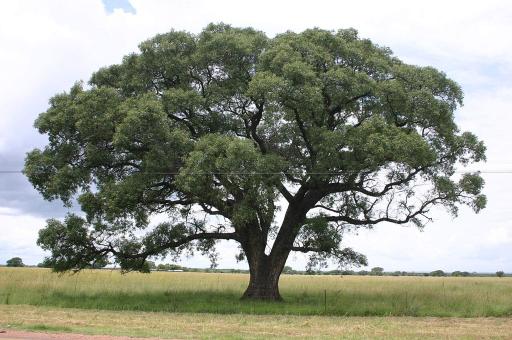
The Marula is a medium to large deciduous tree native to the miombo woodlands of Southern Africa and the savannahs of West Africa. It belongs to the Anacardiaceae family, which also includes mangoes, cashews, and pistachios. Characterized by a single stern and a spreading crown, the tree is dioecious, meaning male and female flowers are borne on separate trees. It produces pale yellow, oval fruits with a delicious tart flavor, highly prized by local wildlife and human populations alike. The wood, bark, and leaves have a long history of traditional uses, while the rich, nutty kernels inside the stone are processed to produce valuable cosmetic oils and traditional food products.
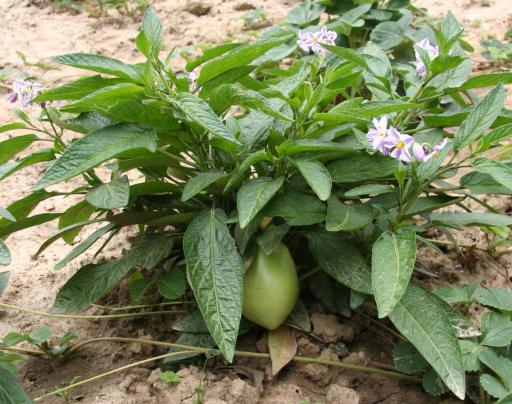
The Pepino Melon, scientifically known as Solanum muricatum, is a fascinating and unique evergreen shrub native to the Andean region of South America. Cultivated for its edible, sweet, and juicy fruits, the plant belongs to the nightshade family, Solanaceae, making it a close relative of tomatoes, eggplants, and potatoes. The fruit typically features a pale yellow or cream-colored skin adorned with striking purple or violet stripes, and its flesh offers a refreshing flavor reminiscent of a cross between a honeydew melon and a cucumber. Growing as a low-spreading, semi-woody subshrub, it thrives in temperate climates and is widely grown in home gardens around the world.
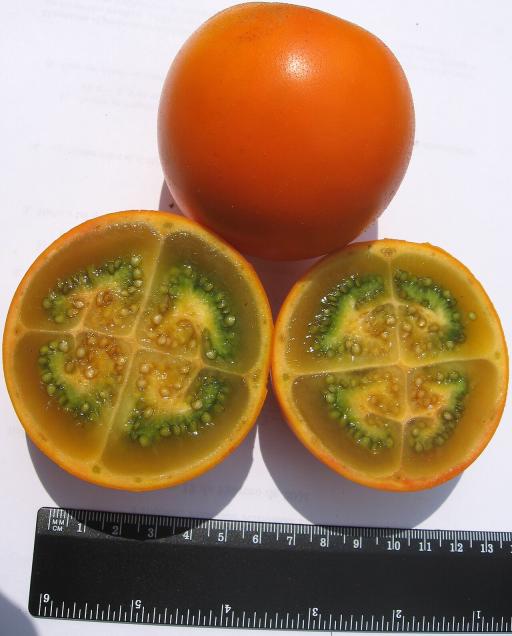
The naranjilla, scientifically known as Solanum quitoense, is a fascinating tropical fruit-bearing shrub native to the northwestern region of South America, primarily found in the Andean highlands of Ecuador, Colombia, and Peru. Highly prized for its unique, exotic citrus flavor that resembles a blend of rhubarb and lime, the fruit is enclosed in a husk covered with small hairs. The plant itself is visually striking, featuring large, velvety leaves with prominent purple veins. Cultivating naranjilla requires specific environmental conditions, as it thrives best in humid, subtropical mountain climates with partial shade and rich, well-draining soils. Despite its delicate nature and susceptibility to certain pests, it remains a beloved agricultural product and a staple in local markets across its native range.