Is Daisy Flower toxic to pets?
No, Daisy Flower is generally safe for pets.
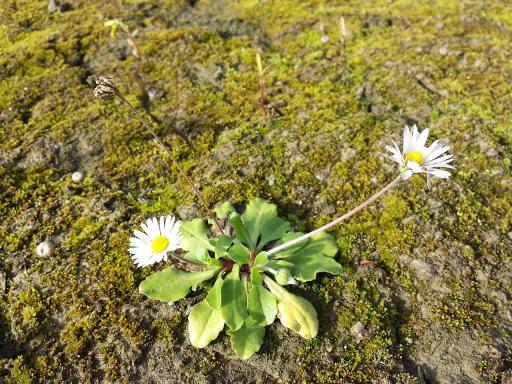
Bellis perennis
Identified By Marcs
The daisy flower, scientifically known as Bellis perennis, is a charming and resilient perennial plant native to western, central, and northern Europe, though it has naturalized worldwide. It is widely recognized for its classic appearance featuring white petals radiating around a bright yellow central disc. Daisies thrive in temperate climates and are frequently found growing abundantly in lawns, meadows, and gardens. They are remarkably hardy, enduring regular mowing and various soil conditions while providing essential early-season nectar for pollinators. As an ornamental plant, the daisy is prized for its cheerful aesthetic, ease of cultivation, and ability to symbolize innocence, purity, and new beginnings across numerous cultures.
Climate: Thrives best in temperate maritime and continental climates characterized by moderate rainfall and distinct seasonal temperature changes.
Water your daisy plants regularly during dry spells to keep the soil consistently moist but never waterlogged. Ensure that the top few centimeters of soil dry out slightly between watering sessions to prevent root rot. Morning watering is generally ideal as it allows any foliage moisture to evaporate quickly under the sun, significantly reducing the likelihood of fungal disease development.
Propagation by division is best performed in early spring or autumn. Carefully dig up a mature, healthy daisy clump using a garden fork. Gently shake off excess soil to expose the root system. Using a sharp, clean knife or your hands, separate the clump into smaller sections, ensuring that each section retains a healthy portion of roots and several growing shoots. Immediately replant these divisions into prepared soil at the same depth they were previously growing, and water them thoroughly to help them establish successfully.
You will notice a characteristic white or grayish powdery fungal growth spreading across the surface of the leaves and stems. Affected leaves may eventually turn yellow, curl up, and drop prematurely, which weakens the overall vitality of the daisy plant.
Apply an organic fungicide or a homemade mixture of water, mild dish soap, and baking soda to the affected foliage. Promptly prune and dispose of severely infected leaves to prevent the fungal spores from spreading further across the garden bed.
Ensure adequate spacing between individual plants to promote good air circulation. Plant your daisies in locations that receive ample direct sunlight and avoid overhead watering to keep the leaves as dry as possible.
Daisies have a long history of utilization in traditional European herbal medicine. The flowers and leaves contain various beneficial compounds such as saponins, flavonoids, and tannins, which possess mild astringent, anti-inflammatory, and expectorant properties. Historically, infusions and poultices made from daisy flowers were applied topically to soothe minor bruises, cuts, and skin irritations, or consumed as a warm tea to help alleviate mild coughs and respiratory discomfort associated with common colds.
Precautions: Individuals with known allergies to plants in the Asteraceae family, such as ragweed, marigolds, or chrysanthemums, should exercise caution and avoid using daisy preparations to prevent allergic reactions.
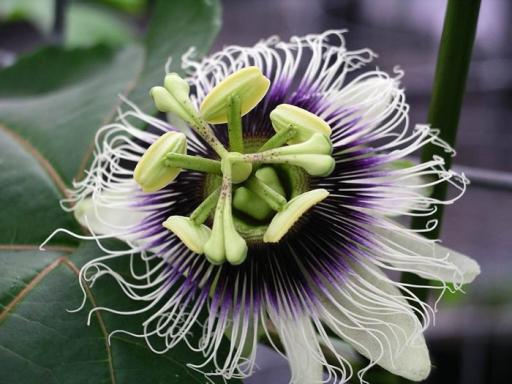
Passiflora edulis, commonly known as the passion fruit, is a vigorous, climbing vine native to South America, specifically Paraguay, Brazil, and northern Argentina. It is widely cultivated in tropical and subtropical regions for its sweet, aromatic fruit and stunning, complex flowers. The plant features alternate, deeply lobed evergreen leaves and tendrils that allow it to climb rapidly over fences, trellises, or up into trees. Passion fruit is prized globally by gardeners and commercial farmers alike for its high yields of round or oval fruits containing numerous edible seeds encased in a vibrant, gelatinous, and juicy orange pulp. In addition to its culinary uses, the plant holds significant value in traditional medicine and ornamental landscaping due to its striking blossoms which attract numerous pollinators such as bees and hummingbirds.
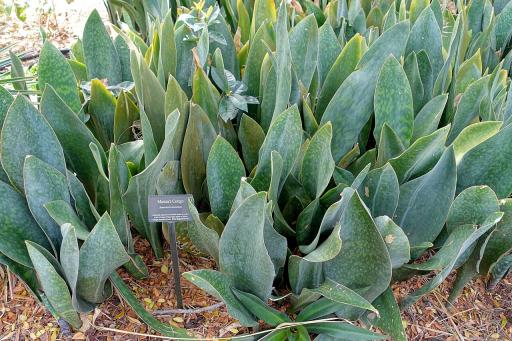
Whale Fin is an extraordinary and striking succulent plant renowned for its massive, broad, and paddle-like leaves that resemble the fin of a whale emerging from the water. Belonging to the Asparagaceae family and formerly classified under Sansevieria before being merged into the Dracaena genus, this architectural marvel is native to the Democratic Republic of Congo. It features deeply channeled, thick leaves adorned with mottled dark green variegation and subtle purple hues along the edges. Prized for its incredible drought tolerance and resilience, it thrives in neglect, making it an exceptional choice for beginning indoor gardeners. Furthermore, it acts as an effective natural air purifier, helping to remove indoor pollutants and releasing oxygen during the night.

Deciduous trees are a diverse group of perennial woody plants that naturally shed all of their leaves annually, typically during autumn, as an evolutionary adaptation to conserve water and energy during cold or dry seasons. This distinct cycle involves a chemical signaling process that breaks down chlorophyll, revealing vibrant autumn foliage before the leaves drop. Following dormancy throughout the winter months, these trees flush out new foliage in the spring. They play a critical ecological role in forest ecosystems by dropping organic matter that enriches topsoil, providing essential habitats for numerous wildlife species, and contributing significantly to carbon sequestration and global oxygen production across temperate and tropical biomes worldwide.
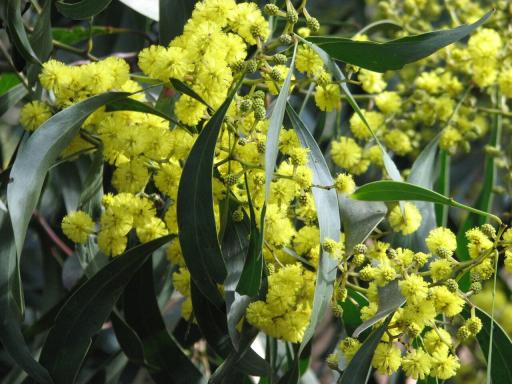
The golden wattle is a stunning perennial tree native to southeastern Australia, celebrated widely for its vibrant, golden-yellow globular flower heads that burst into bloom during late winter and spring. Serving as Australia's national floral emblem, it features distinctive curved phyllodes instead of true leaves, which help it conserve moisture in arid and semi-arid conditions. This hardy plant is highly adaptable, thriving in various well-draining soils and bringing remarkable ornamental beauty, sweet fragrance, and important ecological value to gardens, bushlands, and wildlife habitats across suitable temperate zones worldwide.
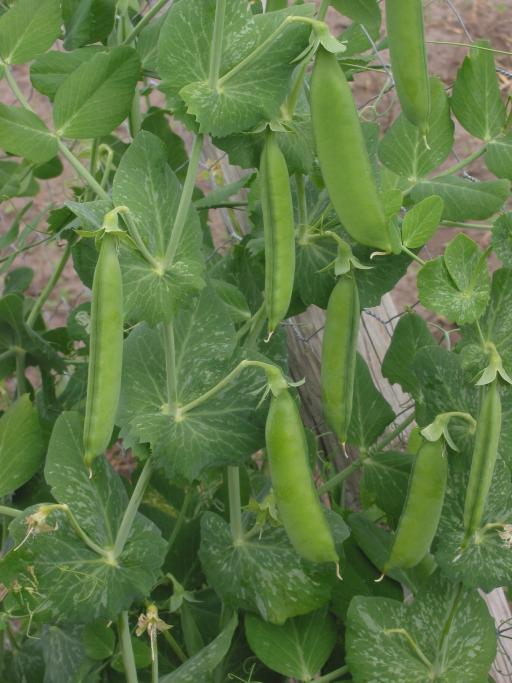
The snow pea is a popular cool-season legume cultivated extensively for its edible, flat pods containing very small, immature seeds. Unlike garden peas, snow peas are harvested while the pods are still tender and crisp, making them a favorite in various culinary applications worldwide, particularly in Asian stir-fries. They grow as climbing or bush vines that thrive in temperate climates during the spring and autumn months. As a nitrogen-fixing plant, snow peas also contribute positively to garden soil health by enriching it with essential nutrients.
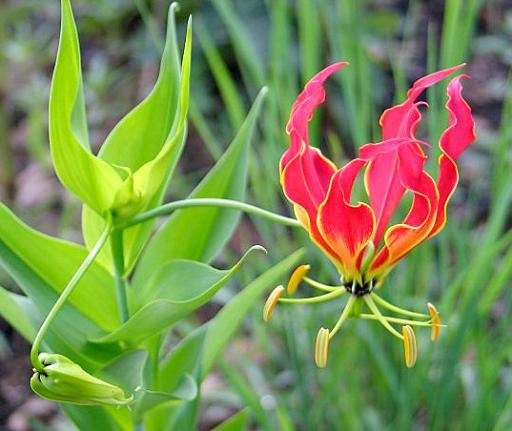
Gloriosa superba, commonly known as the flame lily or glory lily, is a stunning tuberous climbing plant celebrated for its exceptionally striking, flamboyant flowers featuring reflexed petals that resemble tongues of fire, shifting in color from yellow to vibrant red. Native to tropical Africa and Asia, this striking perennial vine utilizes tendrils at the tips of its leaves to scale surrounding vegetation and trellises. While widely cultivated as an ornamental garden specimen for its exotic aesthetic value, all parts of the plant, especially the tubers, contain highly toxic colchicine alkaloids, making it extremely dangerous to humans and animals if ingested. It thrives in warm, humid climates with well-draining soil and a distinct resting period during the cooler or drier months of the year.
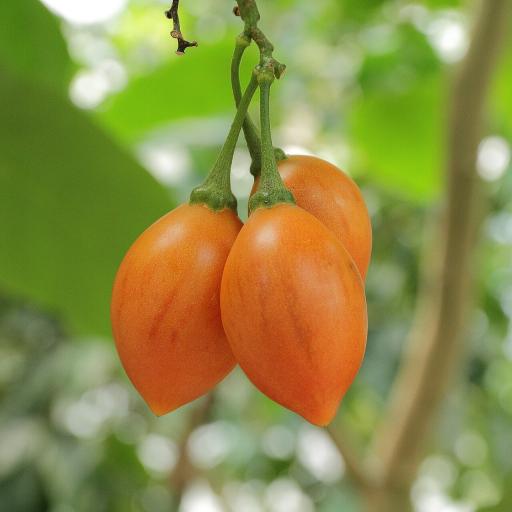
The tree tomato, scientifically known as Solanum betaceum and commonly referred to as the tamarillo, is a small, semi-woody, fast-growing evergreen shrub or small tree native to the Andean region of South America. It produces egg-shaped edible fruits that are widely cultivated for their unique, tangy, and sweet-tart flavor profile. The plant typically features large, ovate leaves and fragrant pinkish-white flowers that attract various pollinators. Tamarillos thrive in subtropical climates with moderate rainfall, rich and well-draining soils, and protection from strong winds and heavy frosts. The vibrant fruits range in color from deep red and yellow to orange and purple, making the plant both an ornamental garden feature and a valuable culinary crop used in diverse dishes, salsas, juices, and desserts worldwide.
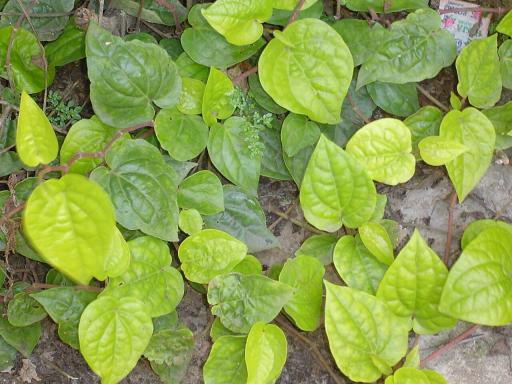
Betel leaf is an evergreen, perennial root climber with glossy heart-shaped leaves and white catkin flowers, belonging to the Piperaceae family. Native to South and Southeast Asia, it holds immense cultural, medicinal, and religious significance, particularly in India and surrounding regions where the leaves are frequently chewed with areca nut and slaked lime. The plant thrives in tropical and subtropical climates, requiring high humidity, warm temperatures, and well-draining, fertile soils rich in organic matter. Beyond cultural traditions, betel leaves are widely celebrated for their therapeutic properties in traditional medicine systems like Ayurveda, where they are utilized to aid digestion, freshen breath, and alleviate respiratory ailments.

Grevillea is a diverse genus of about 360 species of evergreen flowering plants in the family Proteaceae, native to habitats ranging from rainforest to alpine areas in Australia, with a few species extending to Indonesia, New Guinea, and New Caledonia. They are widely celebrated for their uniquely shaped, vibrant flowers which resemble spiders or toothbrushes, attracting a wide variety of nectar-feeding birds and mammals. The foliage ranges from needle-like to broad and fern-like, often covered in fine hairs. These plants thrive in Mediterranean and subtropical climates, requiring well-draining soils and full sun exposure to flourish.
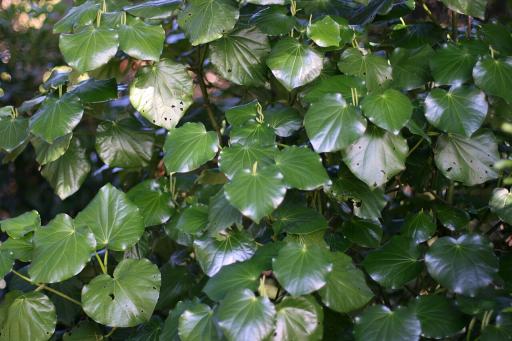
Kawakawa (Piper excelsum) is an iconic small tree or shrub native to New Zealand, deeply significant in Māori culture and traditional medicine. Recognizable by its distinct heart-shaped, glossy green leaves, which often feature insect holes—a sign prized by traditional healers because it indicates the leaves are rich in active compounds. The plant thrives in coastal and lowland forests, preferring moist, well-draining soils and partial to full shade. It belongs to the Piperaceae family, making it a close relative of the black pepper plant. Kawakawa has been historically utilized for its medicinal properties, particularly for digestive and skin ailments, as well as making aromatic teas.
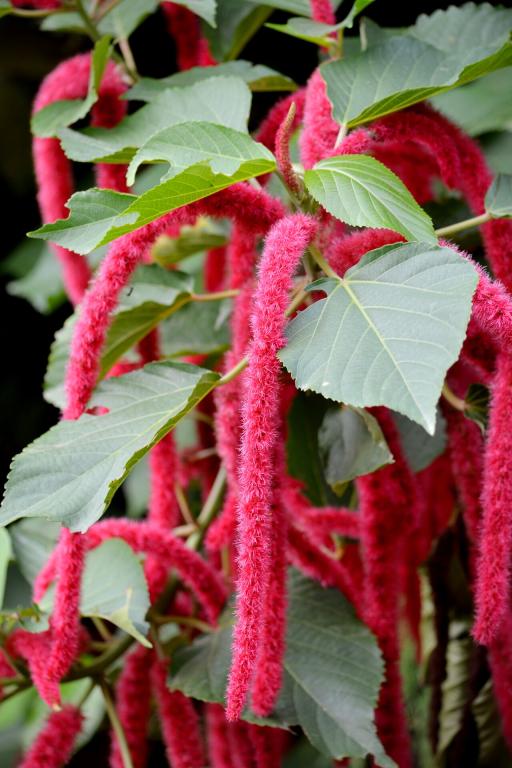
The cat tail plant, scientifically known as Acalypha hispida, is a fascinating and visually striking tropical evergreen shrub celebrated for its long, fuzzy, bright red catkin-like flowers that dramatically cascade downwards. Native to tropical regions, this remarkable ornamental specimen thrives in warm, humid climates and can provide continuous color indoors or outdoors when given proper care. It demands consistent moisture, rich and well-draining soil, and abundant bright sunlight to maintain its vibrant appearance and promote steady growth. Although it adds incredible ornamental value to gardens, patios, and sunrooms, gardeners should note that parts of the plant contain toxic compounds if ingested by curious household pets or young children, making mindful placement an essential part of its cultivation routine.

Crabapples are deciduous trees or shrubs belonging to the Rosaceae family, widely celebrated for their stunning spring blossoms and colorful autumn fruit. Typically smaller than standard domesticated apple trees, crabapples make exceptional ornamental additions to residential landscapes, urban parks, and wildlife gardens. They provide multi-seasonal interest with vibrant pink, white, or red flowers in the spring, lush green foliage throughout the summer, and persistent small fruits that attract various species of birds and mammals during the colder winter months. Furthermore, they are remarkably hardy and adaptable to diverse urban environments, tolerating pollution and varying soil conditions exceptionally well.
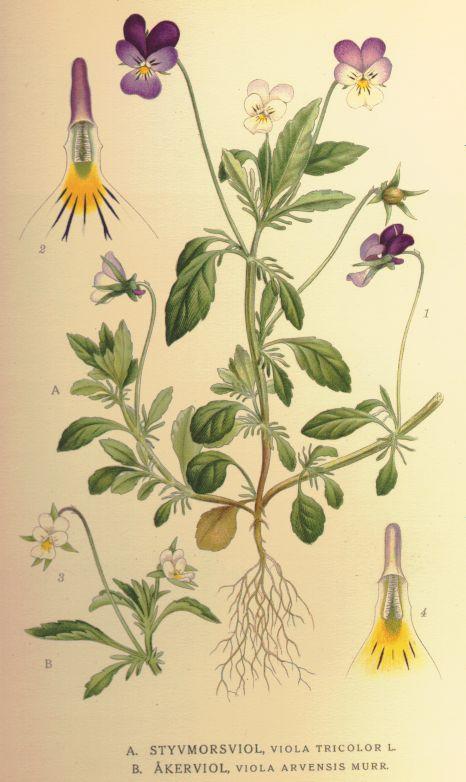
Violas are a delightful group of charming flowering plants belonging to the Violaceae family, renowned for their cheerful, face-like blossoms that brighten up gardens during the cooler months of spring and autumn. These versatile plants thrive in temperate climates and are exceptionally popular for borders, containers, and hanging baskets due to their vibrant colors ranging from deep purples and blues to bright yellows and whites. Cultivating violas successfully involves providing them with well-draining, nutrient-rich soil, adequate moisture, and a balance of sunlight and partial shade to protect them from harsh afternoon heat, ensuring a prolonged and continuous blooming season throughout their active growth cycle.
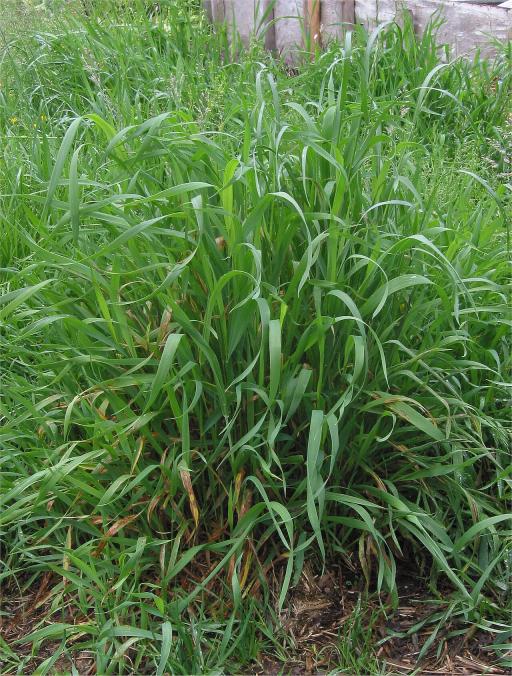
Couch grass is an aggressive, perennial grass species that is native to Eurasia and widely distributed throughout temperate regions of the world. Known scientifically as Elytrigia repens, it spreads rapidly via an extensive network of underground rhizomes, making it a notoriously persistent weed in agricultural fields, gardens, and lawns. Despite its invasive nature and reputation for choking out desirable plants, couch grass has historically been utilized in herbal medicine for its diuretic properties. Its deep root system allows it to withstand severe drought conditions and poor soil types, enabling it to thrive in disturbed environments where other vegetation often struggles to establish itself successfully.
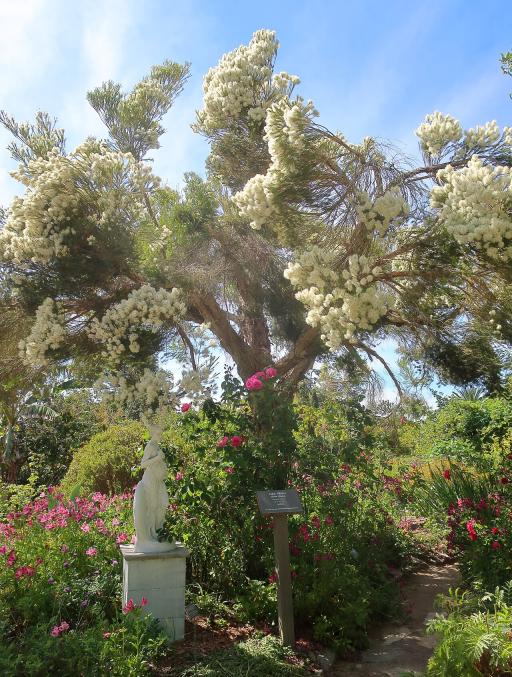
Roses are among the most celebrated and widely cultivated ornamental plants in the world, belonging to the Rosaceae family. Renowned for their stunning blooms, intricate petal arrangements, and often enchanting fragrances, they have been cherished for centuries across various cultures and gardens. Cultivating roses successfully involves understanding their specific needs regarding sunlight, rich well-drained soil, and consistent moisture. Regular maintenance, including deadheading and proper seasonal pruning, helps encourage continuous flowering and prevents common fungal diseases. Whether grown as climbers, shrubs, or ground covers, roses add timeless elegance and vibrant color to any landscape or garden design.

Redwood trees are among the tallest, oldest, and most majestic living organisms on the planet, native primarily to the narrow coastal strip of California and southern Oregon. Characterized by their thick, fibrous, reddish-brown bark and needle-like evergreen foliage, these magnificent trees thrive in unique maritime fog-belt climates that provide consistent moisture and moderate temperatures year-round. Their massive root systems interlock to provide incredible stability against heavy winds and floods, while their thick bark offers natural resistance to forest fires and insect pests. Ecologically, redwoods play a critical role in sequestering massive amounts of carbon and creating complex forest habitats for diverse wildlife species. Cultivating them successfully requires specific environmental conditions that mimic their natural coastal habitat, including high humidity and deep, well-draining acidic soils.

Narcissus is a popular genus of predominantly spring-flowering perennial plants belonging to the family Amaryllidaceae. Commonly known as daffodils, jonquils, and paperwhites, they are widely cultivated around the world for their cheerful, brightly colored yellow, white, or orange blooms that signal the arrival of spring. These resilient geophytes grow from underground bulbs and typically feature strap-shaped leaves and distinctive flowers with a central trumpet- or cup-shaped corona surrounded by petals. They thrive in well-drained soils and prefer temperate climates with cool winters, making them exceptionally reliable garden perennials that naturalize easily over time.
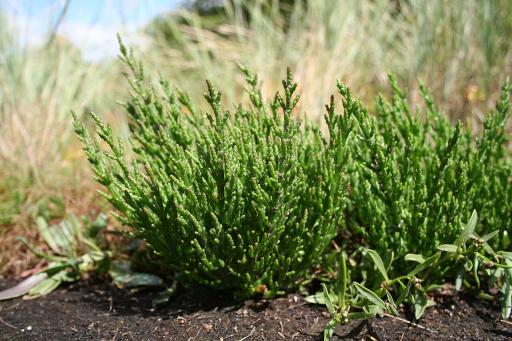
Samphire, scientifically known as Salicornia europaea, is a succulent, halophytic annual herb that thrives in brackish waters, salt marshes, and muddy intertidal flats. Recognized by its fleshy, jointed, bright green stems that often turn red in autumn, samphire has gained immense popularity in contemporary gastronomy as a sea vegetable. Historically, it was harvested for use in glassmaking and soap production due to its high sodium and potassium carbonate content. Ecologically, it plays a vital role in stabilizing coastal mudflats and providing habitat for various coastal wildlife species. Nutritionally, it is packed with essential minerals and vitamins, making it a unique and sustainable addition to coastal foraging and modern culinary dishes.
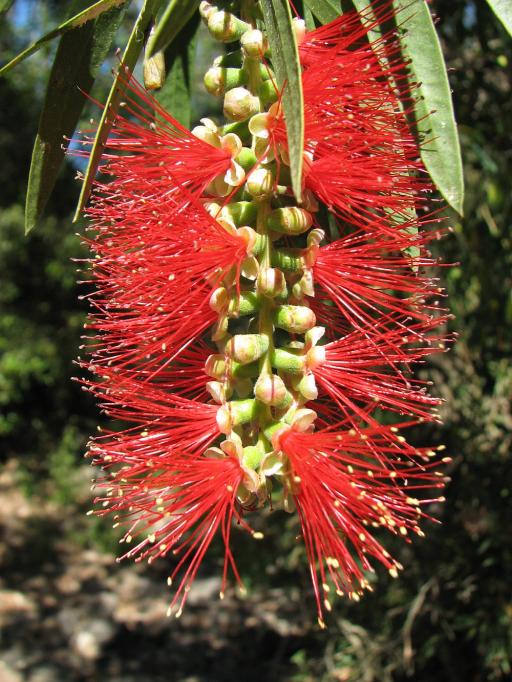
Callistemon, commonly known as bottlebrushes, is a genus of shrubs and small trees in the family Myrtaceae, native to Australia. They are widely cultivated in warm temperate regions across the world for their striking, cylindrical, brush-like flowers that closely resemble traditional bottle brushes. These hardy plants are exceptionally resilient, drought-tolerant once established, and highly attractive to nectar-feeding birds and beneficial pollinators. Their rigid leaves and unique floral displays make them an exceptional choice for ornamental landscaping, hedges, and urban gardens.

Aspen trees are magnificent deciduous trees renowned for their distinctive smooth white bark and shimmering green leaves that tremble effortlessly in the slightest breeze due to their flattened leaf petioles. These trees typically grow in large clonal colonies originating from a single massive underground root system, making them some of the largest and oldest living organisms on Earth. In autumn, the foliage transforms into a breathtaking golden-yellow spectacle, illuminating mountainous landscapes across North America. They thrive in cold, temperate environments and are often the first tree species to repopulate areas following wildfires.
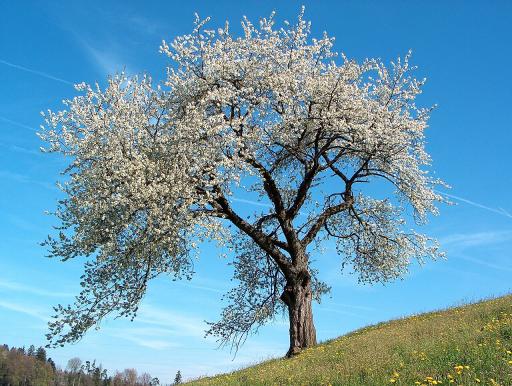
Prunus is a large and economically important genus of trees and shrubs that includes popular cultivated fruits such as plums, cherries, peaches, nectarines, apricots, and almonds. Most species are deciduous and renowned for their stunning, highly ornamental spring blossoms in shades of pink and white, followed by fleshy stone fruits containing a hard-shelled seed. They thrive in temperate regions around the Northern Hemisphere and require well-draining soil and adequate sunlight to produce optimal fruit harvests. While many species are cultivated for delicious edible crops, others are strictly grown as ornamental landscape specimens for their vibrant seasonal foliage and spectacular floral displays.
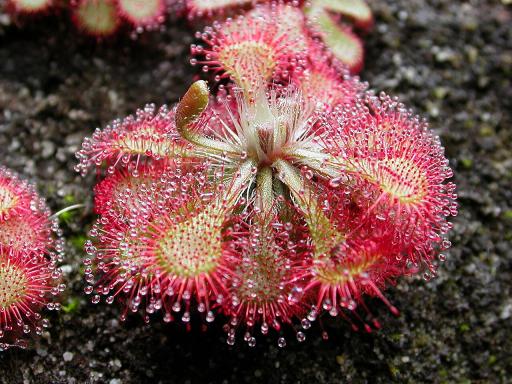
Sundews belong to one of the largest genera of carnivorous plants, known scientifically as Drosera. These fascinating botanical specimens feature striking glandular tentacles tipped with shimmering, sticky mucilage that resembles morning dew, which serves to attract, trap, and digest unsuspecting insects. Native to every continent except Antarctica, sundews have evolved to thrive in nutrient-poor, highly acidic soils by supplementing their nutritional intake through carnivorous digestion. They are immensely popular among botanical enthusiasts for their unique morphology, vibrant coloration, and active trapping mechanisms.
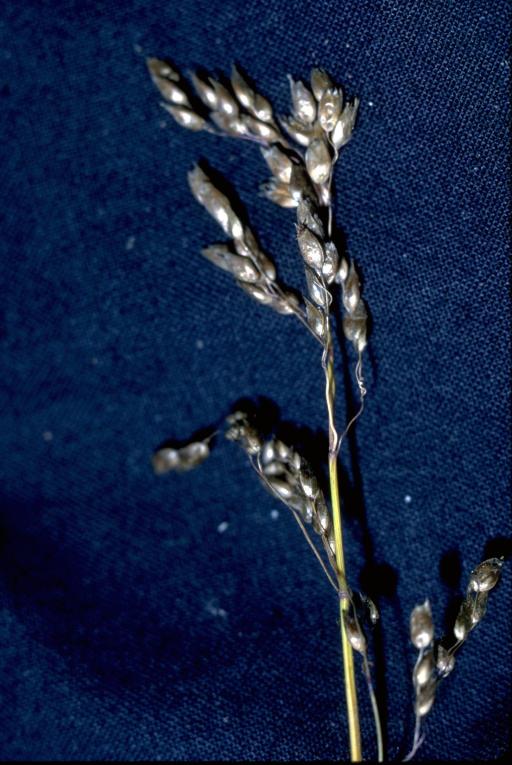
Sweetgrass is an aromatic herb native to northern regions of Europe, Asia, and North America. Revered by indigenous peoples, it is traditionally used in sacred ceremonies, crafts, and as a natural fragrance due to its sweet, vanilla-like scent caused by the presence of coumarin. The plant typically features bright green blades with a distinctive shiny golden hue near the base. It thrives in moist, cool climates, spreading vigorously via underground rhizomes. As a hardy perennial, it requires minimal maintenance once established, preferring damp soils near riverbanks, wetlands, and open meadows.
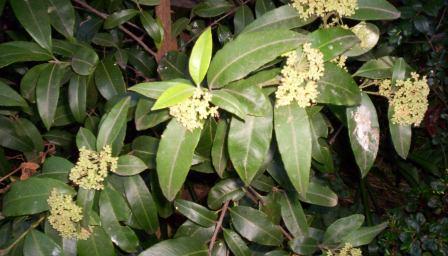
Lemon myrtle is a flowering plant native to the subtropical rainforests of central and south-eastern Queensland, Australia. Renowned for its intense, refreshing citrus aroma that surpasses even that of lemons, the leaves contain the highest known natural source of citral. This remarkable botanical has become a cornerstone of Australian bushfood and is widely celebrated globally in culinary dishes, herbal teas, and high-end cosmetic formulations due to its uplifting scent and remarkable antimicrobial properties.