Is Black Mulberry toxic to pets?
No, Black Mulberry is generally safe for pets.
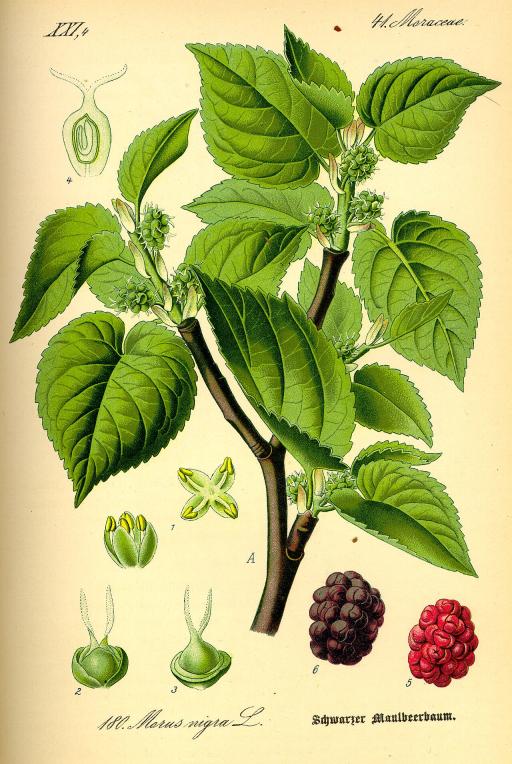
Morus nigra
Identified By Marcs
The black mulberry, scientifically known as Morus nigra, is a substantial deciduous tree native to southwestern Asia, cultivated for centuries across various regions for its intensely flavored and nutritious dark purple to black aggregate fruits. This long-lived tree typically grows with a crooked trunk and a broad, dense, rounded crown, creating a picturesque addition to orchards and large gardens. Beyond its culinary appeal, the plant holds historical significance in sericulture and traditional medicine, yielding leaves traditionally utilized as the primary food source for silkworms. The fruit is highly perishable, exceptionally juicy, and packed with valuable health-promoting compounds.
Climate: Thrives in warm temperate to subtropical climates featuring hot summers and mild winters with moderate annual rainfall.
Provide deep and consistent watering for young black mulberry trees during their initial establishment years to encourage a strong, deep root system. Once mature, these trees exhibit good drought tolerance, though they will produce a much more abundant and juicier fruit crop when supplied with regular moisture throughout the dry summer months. Avoid waterlogged soils, which can lead to root rot.
Select an open location that receives full sun exposure for the majority of the day to ensure optimal fruit sweetness and overall tree vigor. Planting the tree in a warm, sheltered spot away from harsh, freezing winter winds will protect the tender new spring growth and prevent premature bud drop, leading to a more reliable yearly harvest.
Select healthy hardwood cuttings approximately 20 to 30 centimeters long from dormant branches during the late winter months. Treat the basal end of each cutting with rooting hormone to stimulate root development, and insert them deeply into a well-draining propagation medium consisting of sand and peat. Keep the medium consistently moist and maintain a sheltered environment until roots establish successfully by late spring.
Appearance of a white or grayish powdery fungal growth predominantly on the upper and lower surfaces of the leaves, causing them to curl, distort, and potentially drop prematurely during warm and humid weather conditions.
Apply a suitable organic fungicide or sulfur-based spray at the first sign of infection. Ensure proper spacing and pruning to maximize air circulation through the dense canopy.
Water the base of the tree rather than overhead sprinkling to keep foliage dry, and clear away fallen infected leaves during autumn to reduce overwintering fungal spores.
Black mulberries are exceptionally rich in powerful antioxidant compounds, including anthocyanins, resveratrol, and various polyphenols, which help neutralize damaging free radicals throughout the body. Regular consumption supports cellular health, reduces systemic oxidative stress, and contributes to long-term cardiovascular wellness by protecting blood vessels from inflammatory damage and supporting healthy cholesterol levels.
Precautions: Excessive consumption of very tart, unripe fruits can cause mild digestive discomfort.
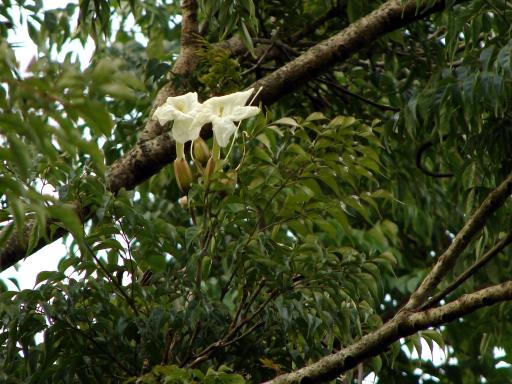
The China Doll Plant is a stunning, lush foliage houseplant native to the subtropical mountain regions of southern China and Taiwan. Featuring glossy, dark green, finely divided compound leaves, it brings an elegant, tropical touch to indoor living spaces. Although it can grow into a large tree in its natural outdoor habitat, it is most commonly cultivated as a compact, bushy potted plant indoors. It thrives in bright, indirect light and prefers consistent moisture without being waterlogged. Providing adequate humidity and protection from cold drafts will keep this charming botanical specimen vibrant and healthy throughout the year.
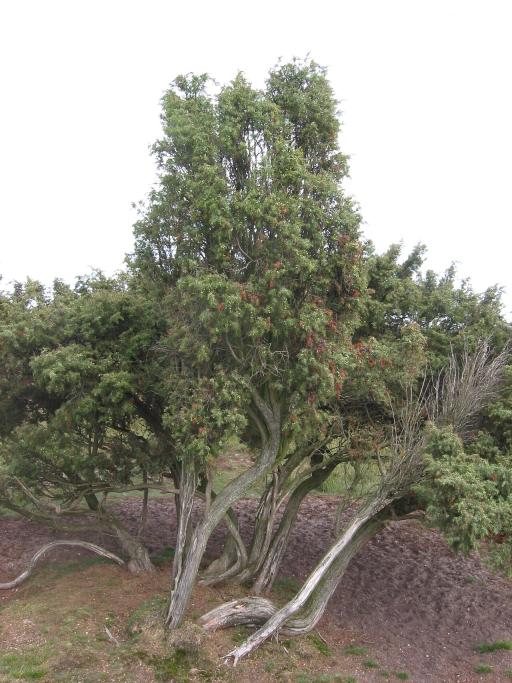
The Common Juniper is a widespread evergreen conifer that typically grows as a large shrub or small tree belonging to the Cupressaceae family. It has an exceptionally wide native distribution throughout the cool temperate zones of the Northern Hemisphere, spanning North America, Europe, and Asia. Recognized by its sharp, needle-like leaves arranged in whorls of three and featuring a distinctive white stomatal band on the upper surface, this resilient plant adapts to harsh rocky soils and exposed mountainous locations. The plant is dioecious, bearing separate male and female individual plants, where the female cones develop into fleshy, spherical seed cones commonly known as juniper berries. These aromatic blue-black cones are historically famous for flavoring gin and serving various culinary and herbal medicine purposes worldwide.

The Deodar Cedar, scientifically known as Cedrus deodara, is a majestic evergreen coniferous tree native to the western Himalayas. Renowned for its striking pyramidal shape, weeping branches, and glaucous blue-green to silvery needles, it serves as an exceptional ornamental specimen in large landscapes, parks, and expansive gardens. This magnificent tree can grow to immense heights, displaying a graceful, drooping leader and horizontal branches that create a dense canopy. It is highly valued not only for its striking aesthetic presence throughout all seasons but also for its durable, rot-resistant timber, which has been historically used in construction, furniture making, and traditional carpentry across its native range.
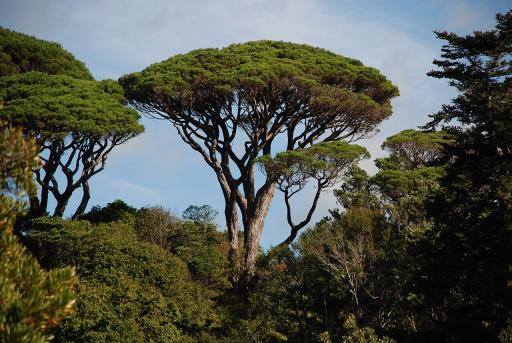
The Stone Pine, scientifically known as Pinus pinea, is a distinctive and iconic evergreen conifer native to the Mediterranean region. Easily recognized by its umbrella-shaped canopy supported by a straight trunk, this majestic tree has been cultivated for millennia, primarily for its edible pine nuts. As the tree matures, its crown flattens out, creating a striking silhouette in coastal and warm inland landscapes. It thrives in well-drained soils and full sunlight, exhibiting high drought tolerance once established. Beyond its culinary value, the stone pine provides valuable ecological benefits, offering shelter and food for various local wildlife while enhancing the aesthetic appeal of Mediterranean gardens.
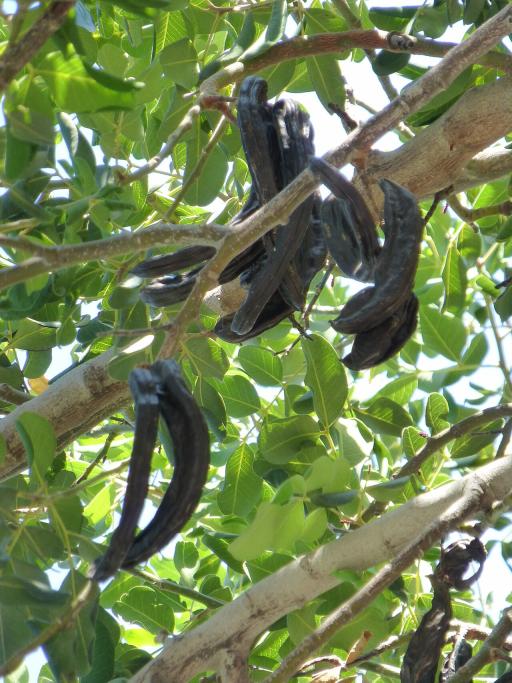
The carob tree is a magnificent, slow-growing evergreen tree or large shrub native to the Mediterranean region, renowned for its tough resilience and valuable edible pods. Belonging to the legume family, Fabaceae, it features a dense, rounded crown, leathery dark green compound leaves, and produces thick, dark brown pods that have been used for centuries as a natural sweetener, chocolate substitute, and animal fodder. Highly drought-tolerant and well-adapted to poor soils, the carob tree thrives in warm, arid, and semi-arid climates around the globe.
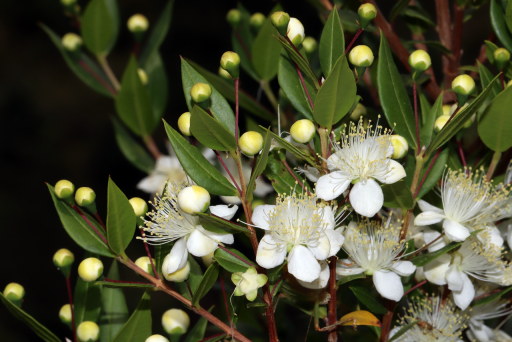
The Common Myrtle is an evergreen shrub or small tree native to the Mediterranean region, famous for its dense, glossy dark green foliage and fragrant white flowers that are followed by dark purple or black berries. Traditionally holding deep cultural and historical significance, this aromatic plant has been utilized for centuries in landscaping, perfumery, and culinary traditions. It thrives in warm, temperate climates and requires well-draining soil alongside generous amounts of sunshine to reach its full ornamental potential.
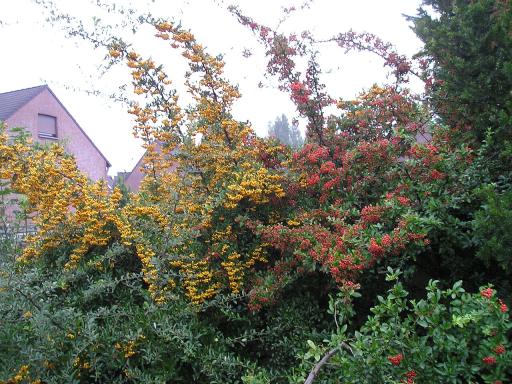
Scarlet Firethorn is a robust, evergreen or semi-evergreen shrub belonging to the Rosaceae family, renowned for its brilliant display of vibrant red to orange-red berries that persist well into the winter months. Featuring thorny branches and glossy dark green leaves, this resilient plant serves exceptionally well as a decorative hedge or a formidable security barrier. In spring, it produces clusters of delicate white flowers that attract numerous pollinators. Thriving across diverse climates, it adapts readily to various soil types and provides vital winter food for local wildlife, making it a functional and aesthetic addition to landscapes.
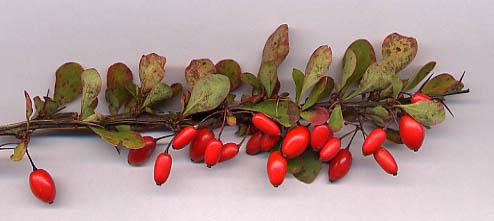
Japanese Barberry is a dense, deciduous shrub native to Japan that has become widely cultivated and naturalized in various parts of the world, including North America. It is characterized by its small, spoon-shaped leaves, thorny stems, and bright red berries that persist through the winter months. Often used as an ornamental hedge or barrier plant due to its dense growth habit and sharp spines, it adapts well to a wide range of soil types and environmental conditions. However, it can also become invasive in natural woodlands, where it alters soil chemistry and shades out native understory vegetation. Its autumn foliage displays vibrant shades of orange, red, and purple, making it a visually striking addition to landscapes throughout the growing season.
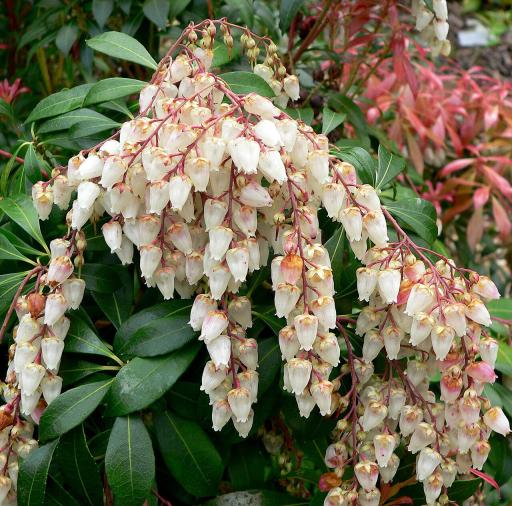
Japanese Pieris is an exceptional and highly popular evergreen shrub renowned for its stunning cascading clusters of white or pink, bell-shaped flowers that resemble lily-of-the-valley. Emerging in early spring, the brilliant new foliage often unfurls in vivid shades of fiery red, coppery orange, or bronze before maturing to a glossy, deep dark green. Native to mountain thickets in eastern Asia, this ornamental treasure thrives best in acidic, well-draining soils with partial shade, bringing incredible year-round structural interest, vibrant seasonal color shifts, and undeniable elegance to woodland gardens, shaded borders, and meticulously designed landscape settings across temperate regions.
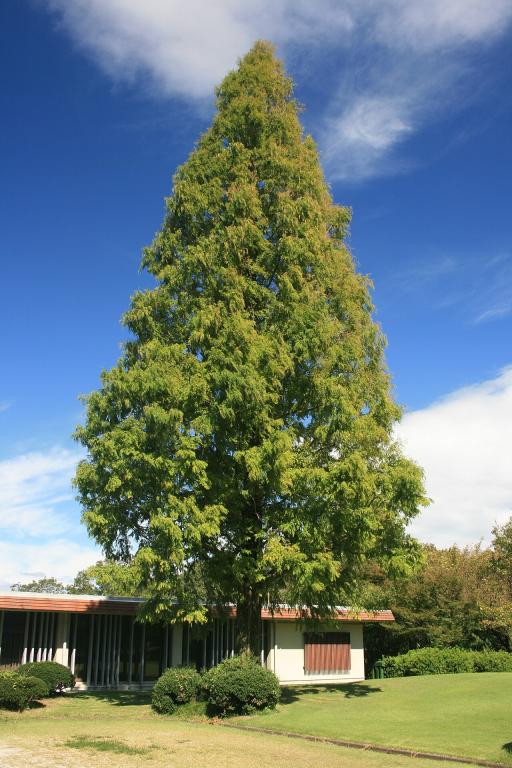
The Dawn Redwood, scientifically known as Metasequoia glyptostroboides, is a fast-growing deciduous conifer that belongs to the cypress family. Once known only from the fossil record and believed to be extinct for millions of years, a living grove was famously discovered in China in the 1940s. This majestic tree is renowned for its unique combination of needle-like foliage that turns a brilliant coppery-orange in autumn before dropping, and its distinctively fluted, reddish-brown trunk that widens dramatically at the base. Thriving best in moist, well-draining soils, the Dawn Redwood makes an exceptional landscape specimen for large yards, parks, and along water features where it can reach towering heights while providing dramatic seasonal interest.
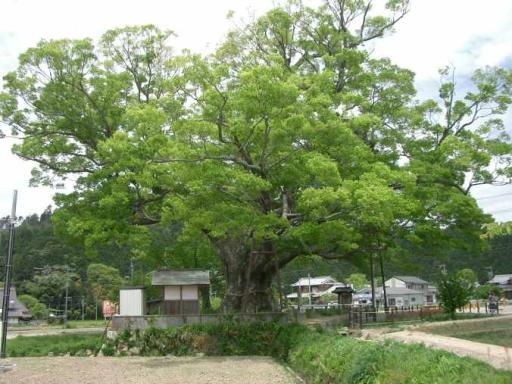
The Japanese Zelkova is a magnificent deciduous tree native to Japan, Korea, eastern China, and Taiwan. Renowned for its graceful vase-shaped canopy, smooth grey bark, and finely toothed serrated leaves that turn vibrant shades of yellow, orange, and red in autumn, it is a favored ornamental tree worldwide. It provides excellent shade in urban landscapes and parks, demonstrating remarkable resilience against various environmental stresses and urban pollution. As a member of the Cannabaceae family, it is frequently utilized in bonsai cultivation and as a durable timber source in traditional Japanese architecture.
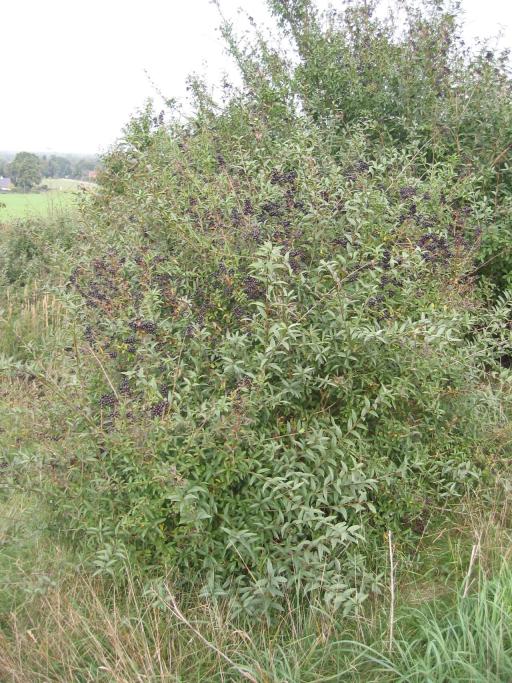
European Privet, scientifically known as Ligustrum vulgare, is a semi-evergreen to deciduous shrub native to Europe, North Africa, and southwestern Asia. It is widely recognized for its dense foliage, fragrant white flowers in summer, and small, glossy black berries that persist into the winter months. Because of its hardy nature and dense branching habit, it has been extensively planted across the globe as an ornamental hedge plant and windbreak. However, in certain regions outside its native range, it can behave as an invasive species, outcompeting native flora. It adapts exceptionally well to urban pollution, heavy pruning, and a wide variety of soil conditions, making it a resilient and versatile choice for landscaping projects.
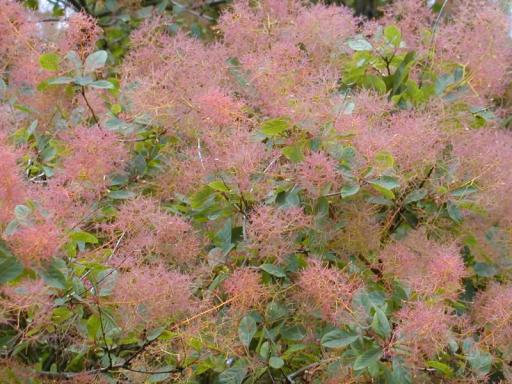
The Smoke Tree, scientifically known as Cotinus coggygria, is a remarkable and highly ornamental deciduous shrub or small tree renowned for its ethereal, cloud-like flower clusters that appear in shades of pink or purple during the summer months. These hazy panicles give the impression of rising smoke billowing from the branches, inspiring its common name. In addition to its fascinating floral display, the Smoke Tree features stunning foliage that can range from vibrant green to deep maroon, purple, and black depending on the cultivar. As autumn arrives, the leaves transform into a brilliant spectacle of fiery orange, red, and yellow hues, ensuring seasonal interest throughout the year. Highly adaptable, drought-tolerant once established, and exceptionally hardy, this versatile landscape specimen thrives in various garden settings, serving brilliantly as a dramatic focal point, informal hedge, or colorful mixed border addition.
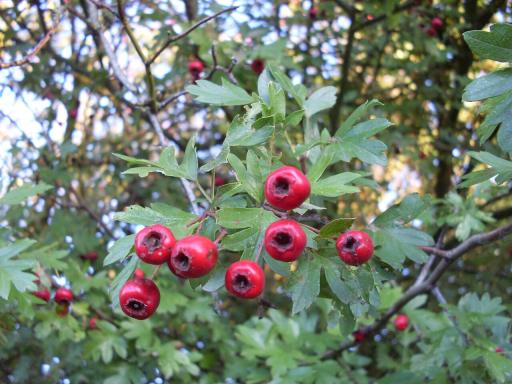
The Common Hawthorn is a dense, spiny deciduous shrub or small tree native to temperate regions of Europe, northwestern Africa, and western Asia. Renowned for its deeply lobed dark green leaves, clusters of fragrant white or pale pink flowers in spring, and vibrant red haws in autumn, it has been a staple of traditional hedgerows for centuries. This resilient plant provides exceptional wildlife value, offering shelter and food for numerous bird and insect species. Additionally, various parts of the hawthorn have a long history of use in herbal medicine, particularly for supporting cardiovascular health and calming the nervous system.
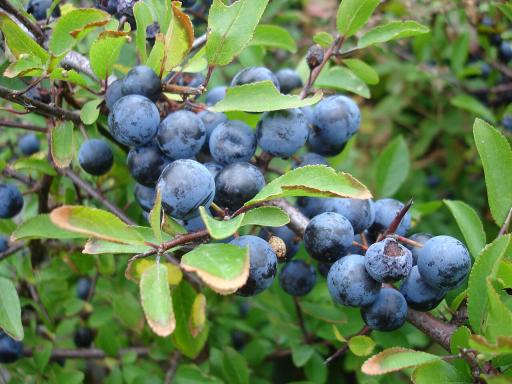
Blackthorn, scientifically known as Prunus spinosa, is a large deciduous shrub or small tree native to Europe, western Asia, and locally in northwest Africa. Renowned for its dense, stiff, and thorny branches, it forms impenetrable thickets that provide exceptional wildlife habitats. In early spring, before the dark green leaves emerge, the plant bursts into a profusion of small, brilliant white flowers that illuminate woodland edges and hedgerows. By autumn, it produces small, dark bluish-black drupes commonly known as sloes. These fruits are notoriously astringent and tart when raw, but they are widely utilized in traditional recipes, particularly for flavoring gin, making jams, and brewing artisanal country wines.
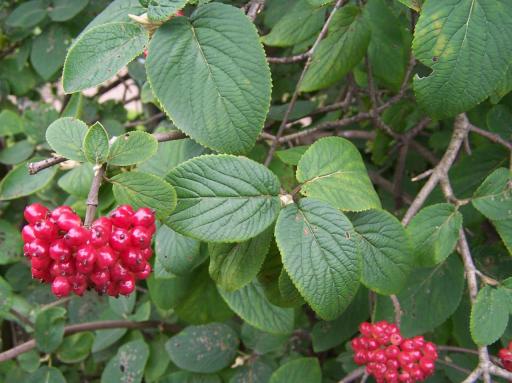
The Wayfaring Tree is a large, deciduous shrub or small tree native to Europe, western Asia, and northwest Africa. It is widely recognized for its attractive, wrinkled, dark green leaves that feature densely hairy, grayish-white undersides. In spring, it produces flat-topped clusters of creamy-white flowers that attract numerous pollinating insects. These flowers are followed by clusters of berries that transition in color from green to red, and eventually turn a glossy black when fully ripe. Highly adaptable and robust, the Wayfaring Tree is frequently planted in woodland edges, hedgerows, and ornamental gardens for its ornamental appeal, wildlife value, and ability to thrive in challenging soil conditions including chalky substrates.
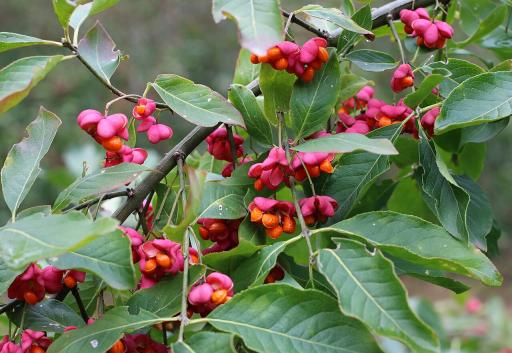
The European Spindle, scientifically known as Euonymus europaeus, is a deciduous shrub or small tree native to a wide swath of Europe and western Asia. Renowned for its brilliant autumn foliage and striking, colorful fruits that split open to reveal bright orange seeds, it has long been a popular choice for ornamental landscaping. Historically, the dense, hard wood of this plant was famously utilized for crafting spindles used in wool spinning, which gives the plant its common name. While it offers high ecological value for pollinators and birds, every part of the plant is toxic to humans and pets if ingested, containing compounds that cause severe gastrointestinal distress and other systemic symptoms.
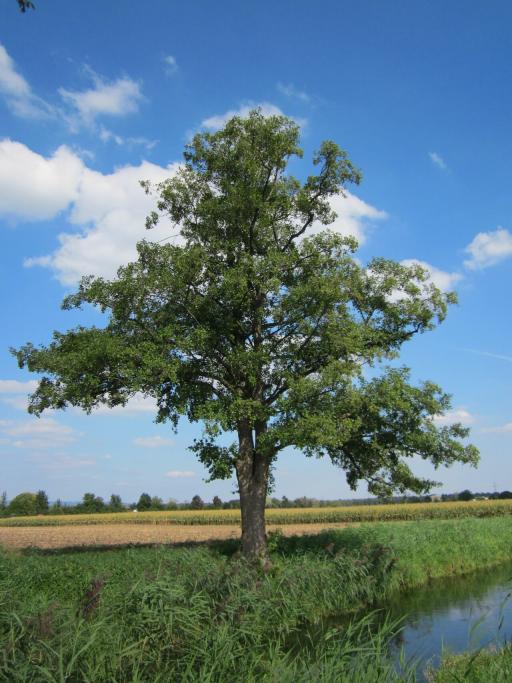
The common alder is a medium-sized deciduous tree belonging to the birch family Betulaceae, native to almost the entirety of Europe, southwest Asia, and parts of north Africa. It is widely recognized for its strong preference for damp, wet habitats such as riverbanks, marshes, and swampy woodlands, where its extensive root system helps stabilize soils and prevent erosion. The tree forms a symbiotic relationship with the nitrogen-fixing bacterium Frankia alni, which allows it to thrive in nutrient-poor soils by enriching the surrounding earth. Its glossy dark green leaves remain on the tree relatively late into autumn before dropping green. The common alder is also notable for producing woody, cone-like female catkins that persist through the winter months, providing food and habitat for various local wildlife species.
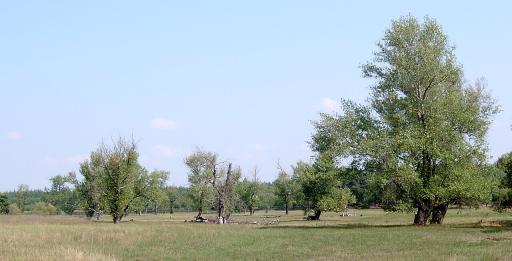
The Black Poplar is a large deciduous tree belonging to the willow family, Salicaceae. Native to Europe, southwest and central Asia, and northwest Africa, it is known for its dark, deeply fissured bark and large, triangular to diamond-shaped leaves. This magnificent tree thrives in riparian habitats, floodplains, and damp woodlands, playing a crucial role in aquatic and riverine ecosystems by stabilizing riverbanks and providing essential habitats for numerous wildlife species, including insects, birds, and mammals. Due to habitat loss and hybridization, true native specimens have become increasingly rare across its historical range.
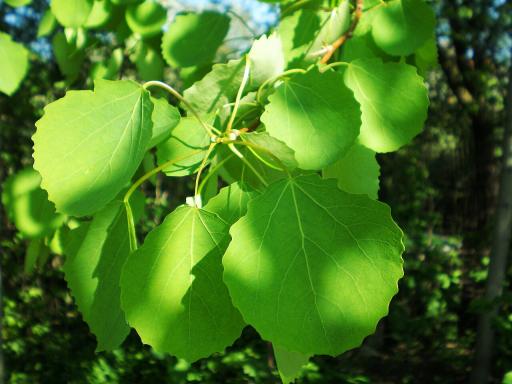
The European Aspen, scientifically known as Populus tremula, is a species of poplar native to cool temperate regions of Europe and Asia. It is widely recognized for its distinctive leaves that tremble or quiver in even the slightest breeze due to their flattened petioles. This deciduous tree grows rapidly, reaching heights of up to twenty-five meters, and features a smooth, greenish-grey bark that becomes deeply fissured on older trunks. The tree plays a significant role in forest ecology, providing a vital habitat and food source for numerous insects, birds, and mammals. It is also valued in forestry for its lightweight timber and ability to colonize disturbed areas quickly through extensive root systems.
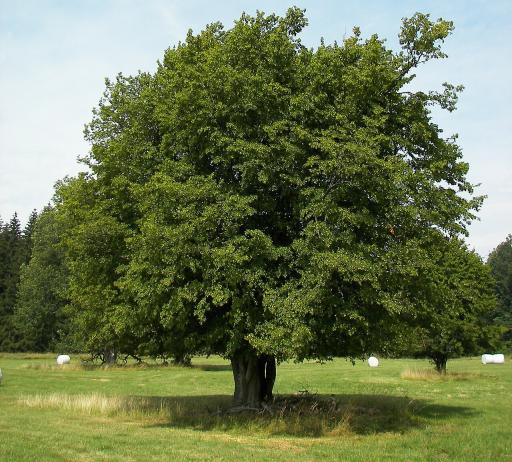
The European Hornbeam, scientifically known as Carpinus betulus, is a magnificent deciduous tree native to Western, Central, and Southern Europe, as well as parts of Southwest Asia. Renowned for its dense, muscular-looking grey bark and heavily veined, serrated green leaves that often persist through winter in a brown state, it is an exceptionally versatile landscape plant. Frequently utilized for formal hedges, topiary, and architectural shade due to its remarkable tolerance to heavy pruning, the European Hornbeam provides excellent privacy screens and windbreaks while supporting local wildlife habitats.
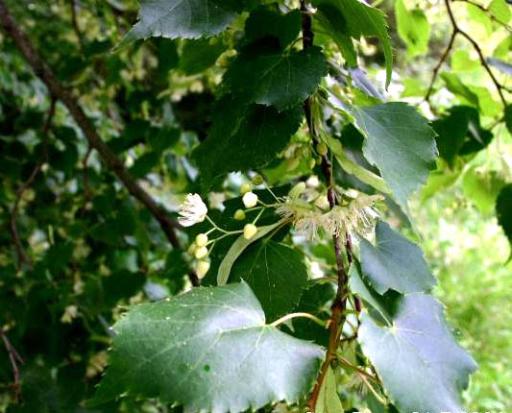
The small-leaved linden, scientifically known as Tilia cordata, is a magnificent medium to large deciduous tree native to Britain and much of Europe. Renowned for its dense, pyramidal to rounded canopy and heart-shaped leaves, it is a favorite shade tree in urban plantings and historic estates. In early summer, it produces fragrant yellowish-white flowers that are immensely popular with bees, producing highly prized monofloral honey. This versatile tree adapts well to various soil conditions, tolerates heavy pruning, and withstands urban pollution, making it an exceptional landscape specimen for parks, large gardens, and street avenues.
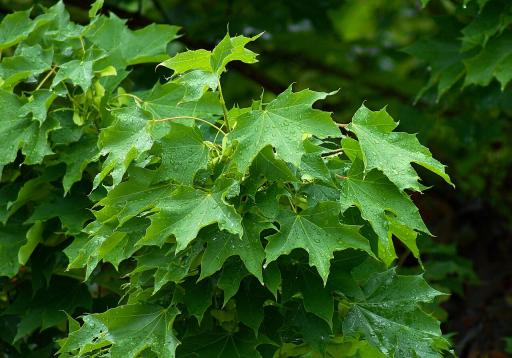
The Norway Maple, scientifically known as Acer platanoides, is a large deciduous tree native to Eastern and Central Europe and Southwest Asia. It is widely recognized for its dense, rounded canopy, broad dark green leaves that typically feature five lobes, and its ability to adapt to urban environments. Introduced to North America in the mid-18th century as an ornamental shade tree, it has since become a popular fixture in urban landscaping, parks, and along streets. However, due to its vigorous seed production and dense shade that inhibits understory growth, it is also classified as an invasive species in various regions outside its native range. The tree produces winged seeds known as samaras and displays striking yellow to orange fall foliage.
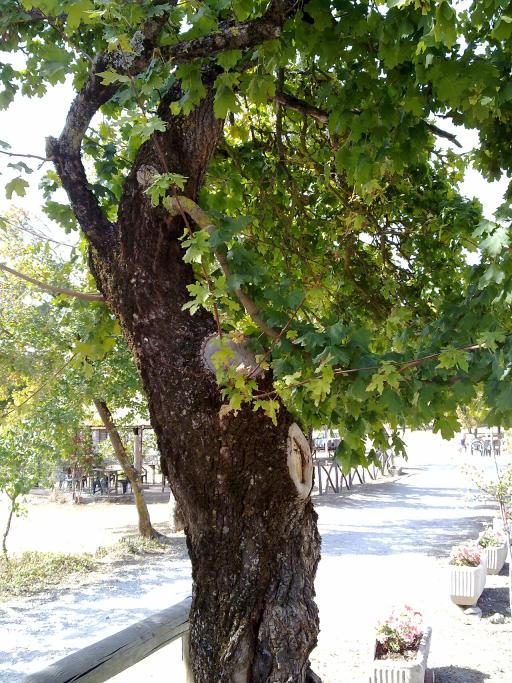
The field maple is a wonderful deciduous tree native across much of Europe, Southwest Asia, and parts of North Africa. Renowned for its dense, rounded canopy and lobed dark green leaves that turn vibrant golden-yellow in autumn, it is exceptionally hardy and adaptable. It thrives in urban environments because it tolerates severe pruning, pollution, and varied soil conditions. Frequently utilized in hedgerows, parks, and compact gardens, it supports diverse local wildlife, providing nesting sites for birds and nectar for pollinators during spring flowering.