Is Spruce Tree toxic to pets?
No, Spruce Tree is generally safe for pets.
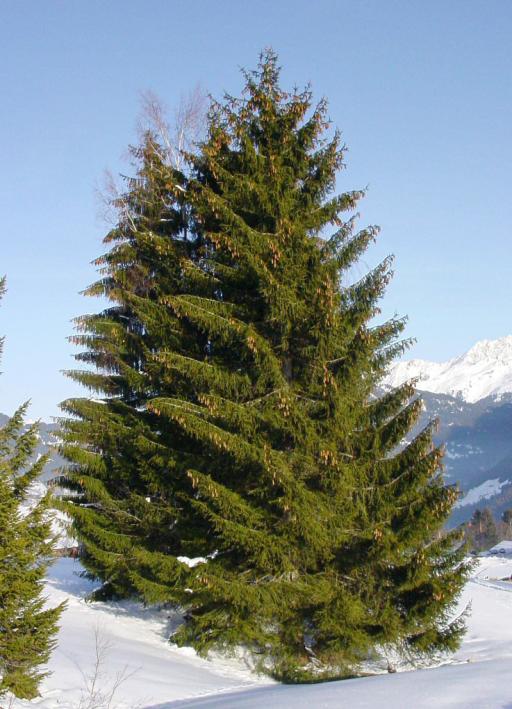
Picea
Identified By Marcs
The spruce tree is a magnificent evergreen conifer belonging to the Pinaceae family, widely recognized for its stately conical form, stiff needle-like leaves, and pendulous cones. Thriving primarily in the cool temperate and taiga regions of the Northern Hemisphere, these resilient trees play a vital role in forest ecosystems and commercial timber production. Their dense branches provide crucial shelter and habitat for various wildlife species throughout harsh winters. Furthermore, spruces are culturally significant, frequently celebrated worldwide as traditional holiday and Christmas trees due to their symmetrical beauty and enduring vibrant green foliage.
Climate: Thrives in cool to cold climates with distinct winters, moderate to high relative humidity, and well-draining soils rich in organic matter.
Plant spruce trees in a location that receives full sun, ideally at least six hours of direct sunlight daily, to promote dense and healthy foliage growth.
Spruces prefer moist, well-draining, slightly acidic soils. Avoid heavy waterlogged clays. Fertilize sparingly in early spring with a balanced slow-release fertilizer formulated for evergreens.
Prune only to remove dead, diseased, or crossing branches. The best time for pruning is late winter or early spring before new growth starts.
Provide deep watering once every week or two during the growing season, especially for younger trees. Once established, spruce trees are moderately drought tolerant, but they require consistent moisture retention in the soil without becoming waterlogged or sitting in standing water to prevent root rot.
Collect mature cones in autumn, dry them to release the seeds, and subject the seeds to cold stratification for 30 to 60 days before sowing them in moist, well-draining soil mixes under bright, indirect light conditions to ensure successful germination and seedling establishment.
Lower branches show needles turning purple-brown and subsequently dropping prematurely, starting from the inside of the canopy and working outward over multiple growing seasons, severely reducing the aesthetic appeal and overall vitality of the evergreen tree.
Apply targeted copper-based fungicides or chlorothalonil in the spring when new shoots reach about 3 centimeters in length, followed by a second application according to local extension recommendations to halt the spread of the fungal spores.
Ensure proper spacing between trees for adequate airflow, avoid overhead sprinkler irrigation that keeps needles wet for extended periods, and promptly rake up and destroy fallen infected needles to reduce the overwintering fungal spore population.
Spruce needles and essential oils contain aromatic compounds such as pinene and camphene, which have traditionally been utilized in steam inhalations and aromatherapy to help clear respiratory airways, soothe coughing, ease congestion caused by colds, and provide a deeply calming, grounding sensory experience that relieves mental stress and fatigue.
Precautions: Essential oils should always be properly diluted before topical application and should not be ingested directly without professional guidance.
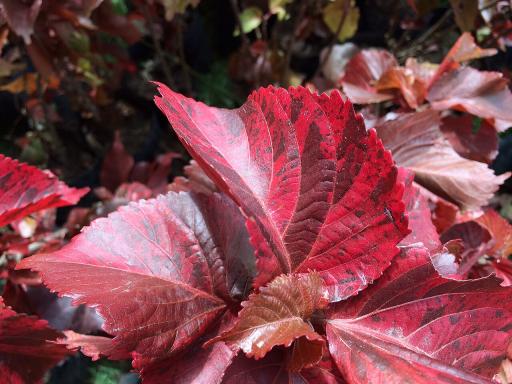
Copperleaf is a stunning tropical evergreen shrub renowned for its brilliantly colored foliage, featuring vibrant shades of copper, red, bronze, green, and purple. Originating from the South Pacific, this ornamental plant is widely cultivated in warm climates around the globe for its striking leaf patterns and textures. It thrives best in warm, humid environments with plenty of bright sunlight to bring out the intensity of its leaf colors. Copperleaf makes an exceptional hedge, accent plant, or focal point in tropical and subtropical garden landscapes. With proper care, adequate watering, and regular pruning, it maintains a dense and bushy appearance throughout the year, adding exotic beauty to outdoor spaces.
The Persian Shield, scientifically known as Strobilanthes durbanensis (often commercially referenced as Strobilanthes auriculata var. djalonensis), is a stunning tropical evergreen shrub celebrated for its intensely iridescent, metallic purple foliage. Native to Myanmar, this striking ornamental plant is widely cultivated across temperate and tropical regions as an annual or perennial garden accent. Its lance-shaped leaves feature deep purple hues paired with dark green veining and a captivating silvery sheen that shimmers in the light. It thrives in humid, warm environments with bright, indirect sunlight and consistently moist, well-draining soil. While it can produce small, pale blue or violet funnel-shaped flowers, it is primarily grown for its magnificent foliage, which adds a dramatic burst of contrasting color to borders, container gardens, and indoor spaces.
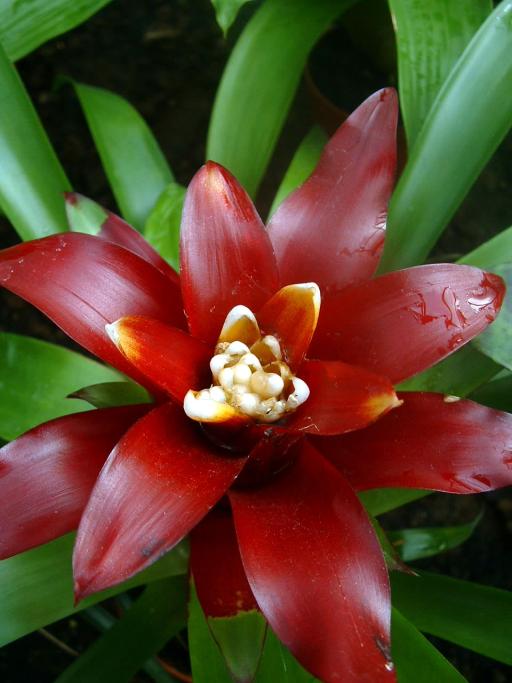
The Scarlet Star Bromeliad, scientifically known as Guzmania lingulata, is a popular tropical epiphyte native to the rainforests of Central and South America. Renowned for its striking, long-lasting bright red or orange floral bracts that resemble a star, this plant adds an instant tropical aesthetic to any indoor space. As a member of the Bromeliaceae family, it features a central cup or 'urn' formed by overlapping green leaves, which holds water in its natural habitat. This fascinating plant is epiphytic, meaning it often grows on other trees rather than in soil, absorbing moisture and nutrients through its foliage and specialized root systems. It is exceptionally well-suited for indoor cultivation due to its manageable size, low maintenance requirements, and ability to thrive in moderate household light conditions.
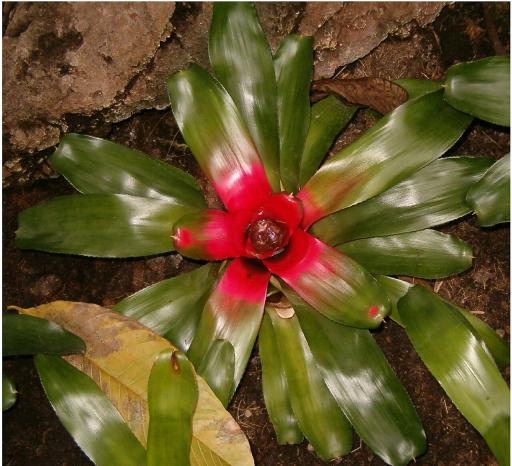
The Blushing Bride Bromeliad, scientifically known as Neoregelia carolinae, is a stunning and popular tropical epiphyte native to the rainforests of Brazil. Renowned for its dramatic transformation, the center leaves of the rosette blush into a brilliant, vivid pink or red hue just before the plant blooms. It features glossy, dark green strap-like leaves and typically forms a central cup or urn that holds water in its natural habitat. As an indoor houseplant, it adds an exotic, vibrant splash of color to any room and is prized for its ornamental beauty, resilience, and unique epiphytic growth habit which makes it a favorite among collectors and interior designers alike.
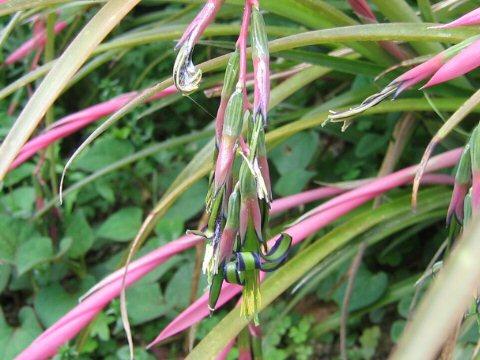
Queen's Tears (Billbergia nutans) is an exceptionally popular and resilient epiphytic bromeliad native to South America, specifically Brazil, Paraguay, Uruguay, and Argentina. Renowned for its arching clusters of metallic pink bracts and nodding tubular flowers with green petals edged in violet, it derives its common name from the nectar droplets that frequently form and drip from the blossom tips. As a member of the Bromeliaceae family, it features a central cup or urn structure that catches water in its natural habitat. This hardy plant is widely cultivated as an indoor houseplant or outdoor garden specimen in frost-free climates, celebrated for its minimal maintenance requirements, drought tolerance, and ability to produce an abundance of offsets or pups over time, making it easy to propagate and share with friends.
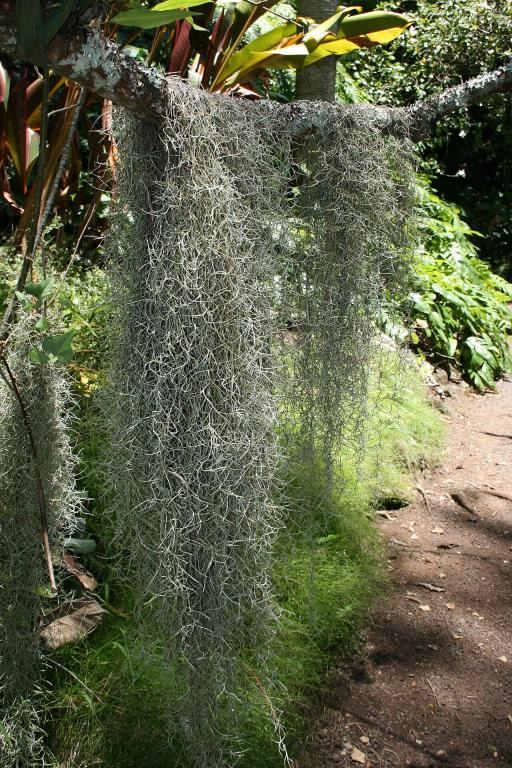
Spanish Moss is a fascinating and iconic epiphyte native to the southern United States and parts of Central and South America. Despite its common name, it is neither Spanish nor a true moss; rather, it is a flowering bromeliad belonging to the pineapple family. It hangs gracefully from the branches of large trees, such as live oaks and bald cypresses, absorbing moisture and nutrients directly from the air and precipitation through specialized scale-like structures called trichomes. Because it does not root in the soil or parasitize its host tree, it is completely harmless to the trees it inhabits, serving instead as a unique component of southeastern woodland ecosystems where it provides shelter for numerous wildlife species.
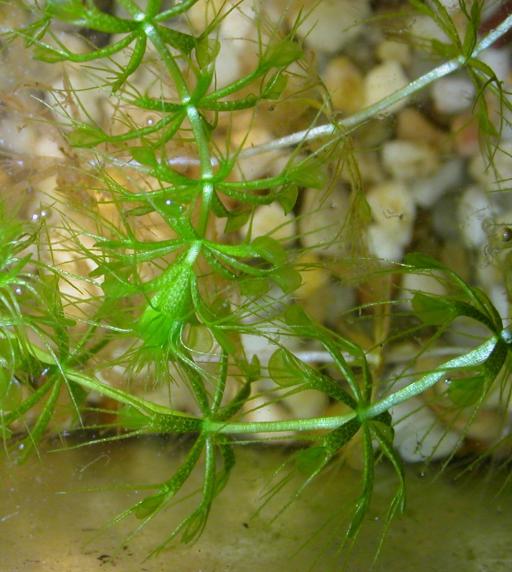
The waterwheel plant, scientifically known as Aldrovanda vesiculosa, is a fascinating and rare aquatic carnivorous plant that captures small aquatic invertebrates using snap traps similar to those of the famous Venus flytrap. As a rootless free-floating macrophyte, it drifts horizontally just below the water surface in pristine, clean, shallow, and acidic wetlands and ponds. The plant features whorls of tiny, microscopic traps along a central stem that grows continuously from one end while dying off at the other. Due to habitat destruction, pollution, and the conversion of wetlands, it is considered endangered across much of its native European, Asian, African, and Australian range, requiring very specific environmental conditions to thrive in cultivation.
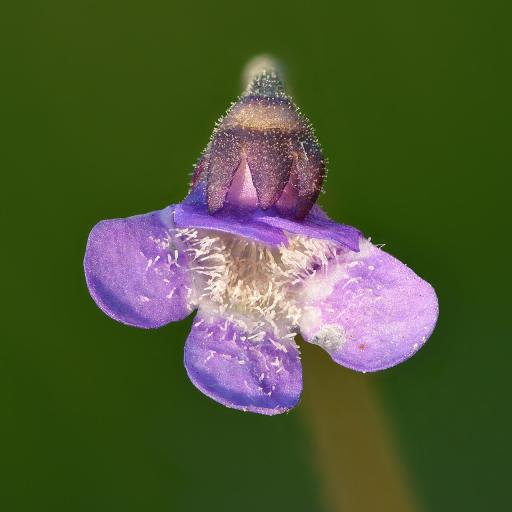
The common butterwort is a fascinating carnivorous perennial herb belonging to the Lentibulariaceae family. It features a rosette of yellowish-green, greasy-textured leaves that actively trap and digest small insects using sticky glandular secretions on their upper surface. In late spring to early summer, it produces delicate, violet or purple, funnel-shaped flowers borne on slender, upright scapes. Native to wet, nutrient-poor acidic habitats such as bogs, fens, and damp rocks across northern and temperate regions of the Northern Hemisphere, this plant requires specialized growing conditions mirroring its boggy origins to thrive successfully in cultivation.
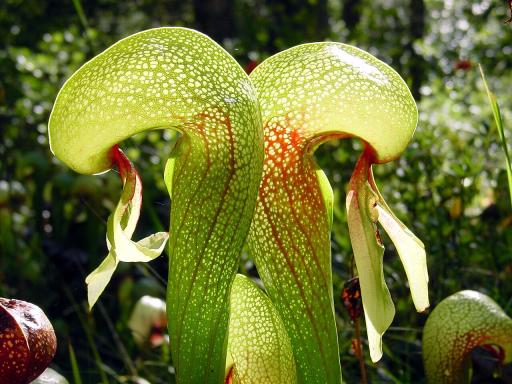
The California Pitcher Plant, scientifically known as Darlingtonia californica and commonly referred to as the cobra lily, is a fascinating carnivorous plant native to the bogs and seepages of Northern California and Oregon. It is the sole species in the genus Darlingtonia. Unlike other pitcher plants, it does not capture rainwater in its traps; instead, it regulates water levels internally. The plant features unique, bulbous, cobra-like hoods with translucent patches that confuse trapped insects, and downward-pointing hairs that guide them deeper into the digesting cavity. It thrives in cool, nutrient-poor, highly acidic soils with constantly moving, cold water running over its root system. Cultivating this botanical wonder requires replicating its specialized natural habitat conditions, making it a prized specimen for dedicated carnivorous plant enthusiasts.
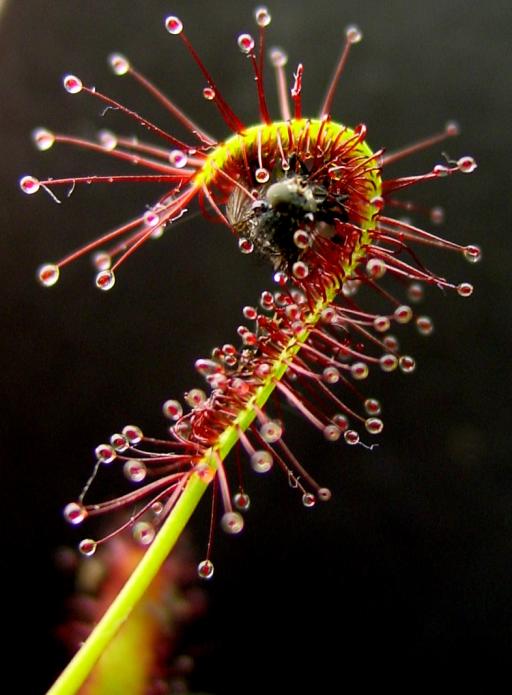
The Cape Sundew, scientifically known as Drosera capensis, is a fascinating and popular carnivorous perennial plant native to the Cape Province of South Africa. It features long, narrow strap-shaped leaves covered in glandular hairs that exude a sticky, glistening mucilage resembling morning dew. This sweet substance attracts insects, which become trapped and are subsequently digested by enzymes secreted by the plant to absorb essential nutrients lacking in its native nutrient-poor soils. The plant produces charming pink or white flowers on scapes that rise well above the sticky foliage to prevent pollinators from becoming prey. It is widely cultivated by carnivorous plant enthusiasts due to its robust nature, ease of growth under proper conditions, and continuous display of fascinating insect-trapping behavior.
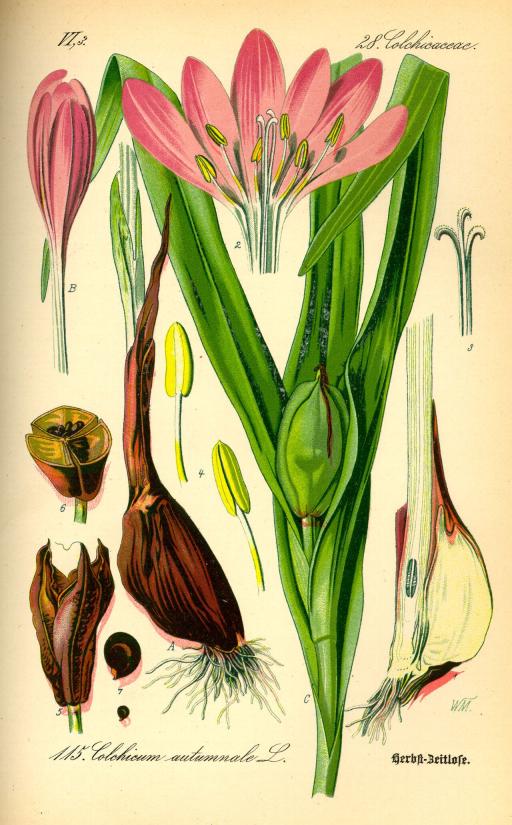
Colchicum is a fascinating genus of perennial cormous plants belonging to the family Colchicaceae. Commonly known as autumn crocus or meadow saffron, they are famous for producing their delicate, goblet-shaped flowers in the autumn without any leaves present. The lush, broad green foliage emerges the following spring, eventually dying back before the blooming cycle repeats in late summer or autumn. While highly prized in ornamental horticulture for bringing vibrant color to the garden when most other flowers are fading, every part of the plant is exceptionally toxic due to the presence of colchicine, requiring careful handling and placement away from children and grazing animals.
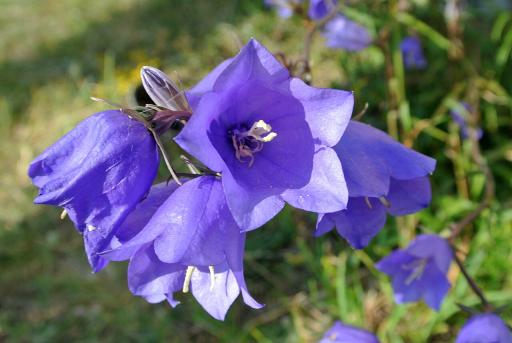
Bellflowers belong to the genus Campanula, comprising a vast and diverse group of herbaceous plants known for their distinctive bell-shaped flowers, which typically bloom in vibrant shades of blue, purple, pink, and white. These charming and resilient plants are extremely popular in garden landscapes, rockeries, and border plantings across temperate regions. Most species are hardy perennials, though some are annuals or biennials. They generally thrive in moderate climates with well-drained soils and benefit from partial shade to full sun depending on the specific species and regional summer heat intensities.
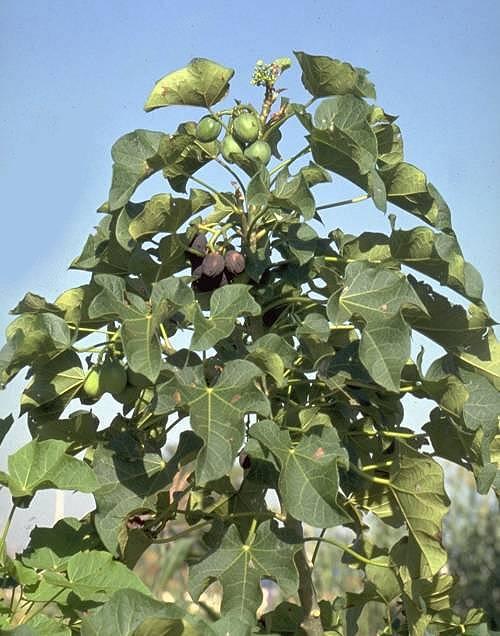
The False Castor Oil Plant, scientifically known as Jatropha curcas, is a species of flowering plant in the spurge family, Euphorbiaceae. Native to the American tropics, it is now widely cultivated in tropical and subtropical regions worldwide. This robust shrub or small tree is primarily recognized for its drought resistance and the high oil content found within its seeds, which has made it a significant candidate for biofuel production. Despite its numerous industrial applications and traditional medicinal uses, all parts of the plant are highly toxic to humans and animals due to the presence of toxalbumin and other phytotoxins. It features large, lobed green leaves and produces small yellowish-green flowers followed by oval fruits.
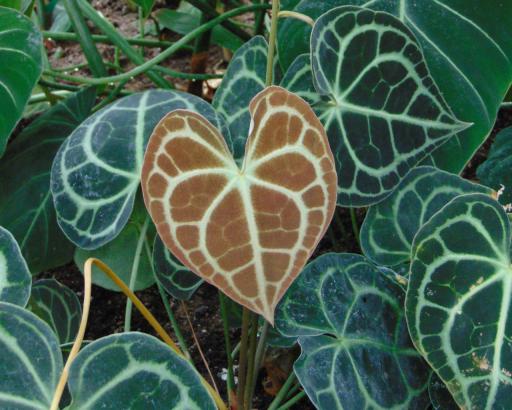
Anthurium clarinervium is a breathtaking tropical epiphyte native to the rainforests of southern Mexico. Celebrated primarily for its striking, heart-shaped dark green velvety leaves adorned with prominent, contrasting white or pale green veins, it is a prized specimen for indoor plant enthusiasts. As a member of the Araceae family, it thrives in warm, humid environments with dappled sunlight. Due to its epiphytic nature, it requires an extremely well-aerated, chunky soil mix that mimics its natural tree-dwelling habitat, allowing its thick roots to breathe and prevent root rot while maintaining adequate moisture levels throughout the growing season.
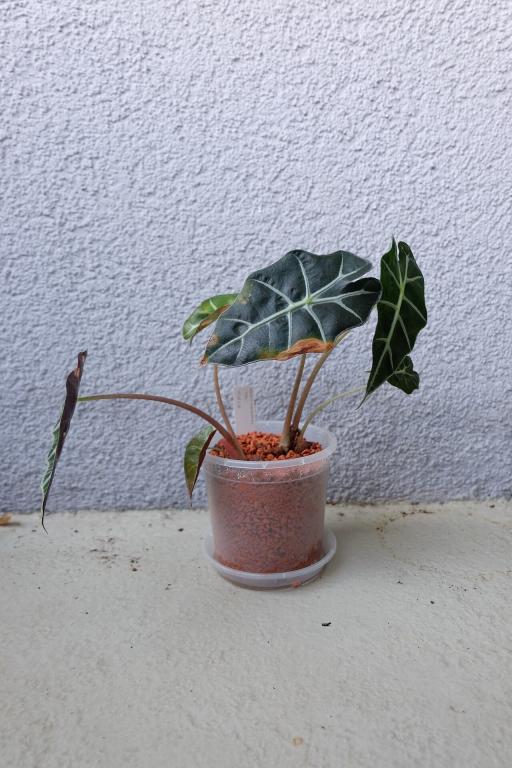
Alocasia Polly is a stunning and highly popular tropical indoor foliage plant known for its striking, glossy, dark green leaves adorned with prominent, contrasting white or silvery veins. This compact hybrid features deeply lobed, arrowhead-shaped leaves that give it a unique, almost sculptural appearance resembling an African tribal mask. As an indoor houseplant, it requires careful attention to environmental conditions, particularly regarding humidity, warmth, and moisture levels, making it slightly more challenging for novice gardeners but deeply rewarding for dedicated plant enthusiasts seeking dramatic aesthetic appeal.
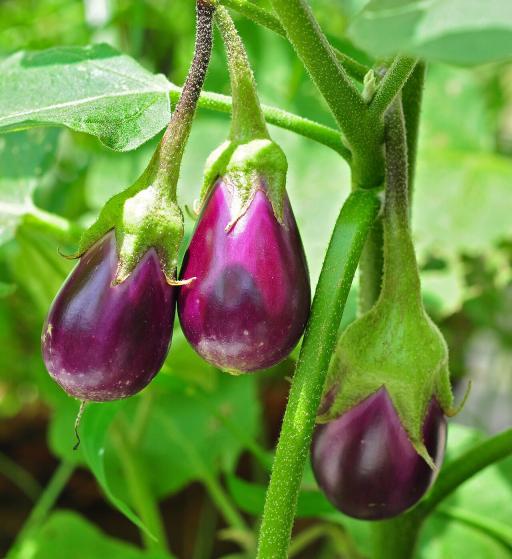
Eggplant, scientifically known as Solanum melongena, is a tender perennial plant belonging to the nightshade family Solanaceae, typically cultivated as an annual in temperate agricultural zones. Grown primarily for its spongy, absorbent edible fruit, the plant features coarse, often lobed leaves, delicate purple to white flowers, and stems that can sometimes bear prickles. Originating in tropical Asia, particularly India, eggplants require warm climates, abundant sunshine, and rich, well-draining soil to thrive. The fruit comes in a diverse range of shapes, sizes, and colors, stretching from the traditional large, glossy deep purple globe cultivars to elongated Asian types and tiny white or variegated varieties. Nutritionally, eggplants are valued for supplying dietary fiber, potassium, and various antioxidant compounds, making them a popular culinary staple in Mediterranean, Middle Eastern, and Asian cuisines.
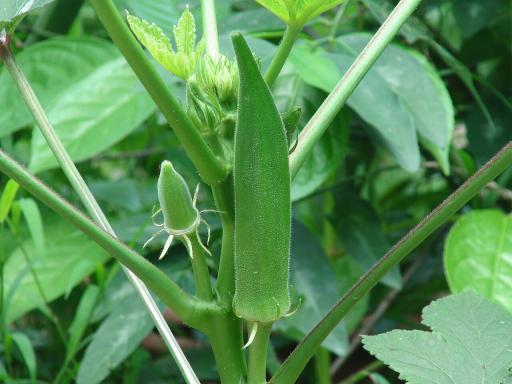
Okra, known scientifically as Abelmoschus esculentus, is a vibrant and versatile warm-season vegetable prized for its edible green seed pods. Cultivated widely in tropical, subtropical, and temperate regions, the plant belongs to the mallow family and features striking hibiscus-like flowers with pale yellow petals and deep red centers. As an agricultural and garden staple, okra thrives in rich, well-draining soils under full sunlight and provides a robust harvest of nutritious pods that are widely utilized in various culinary traditions around the world, particularly in stews, gumbos, and fried dishes, due to its unique thickening properties.
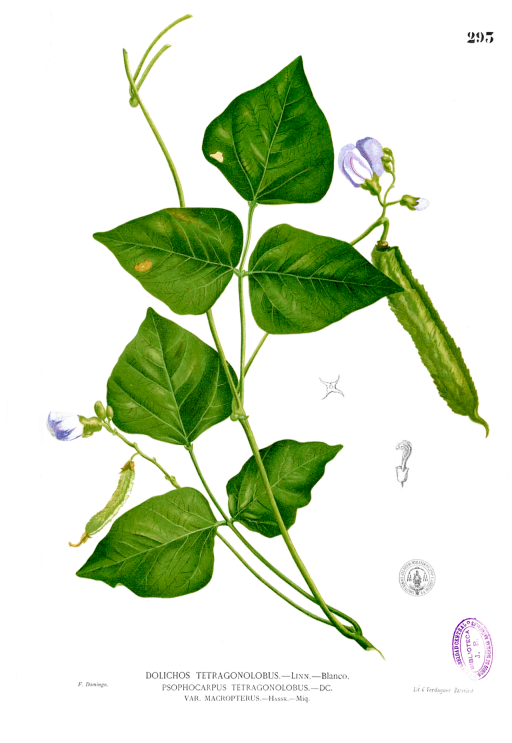
The winged bean is a tropical legume plant native to New Guinea, highly prized for its exceptional nutritional value and versatility in tropical agriculture. Every part of the plant is edible, including the pods, leaves, flowers, seeds, and tuberous roots. It gets its common name from the distinctive four longitudinal wings with frilly edges that run along the length of the green pods. Thriving primarily in warm, humid climates, this vigorous climbing vine requires strong support structures to maximize pod production and prevent fungal issues caused by ground contact.
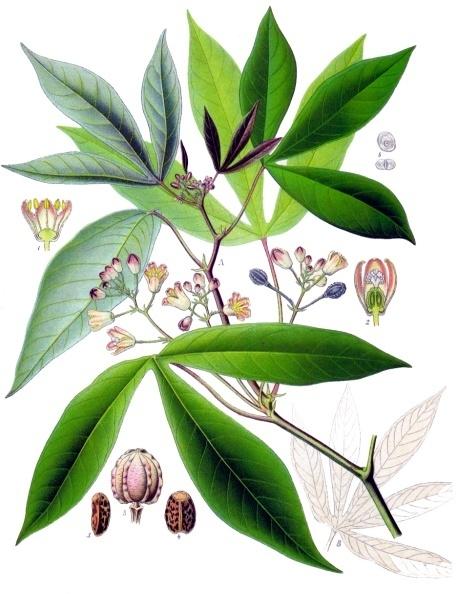
Cassava is a woody shrub native to South America of the spurge family, Euphorbiaceae. It is extensively cultivated as an annual crop in tropical and subtropical regions for its edible starchy tuberous root, a major source of carbohydrates. Cassava is remarkably drought-tolerant, capable of surviving in poor soils where many other crops would fail. Its starchy roots can be processed into flour, bread, and tapioca. Despite its agricultural importance, all parts of the plant contain cyanogenic glucosides, which require proper and thorough processing before safe human or animal consumption to prevent severe toxicity and health issues.
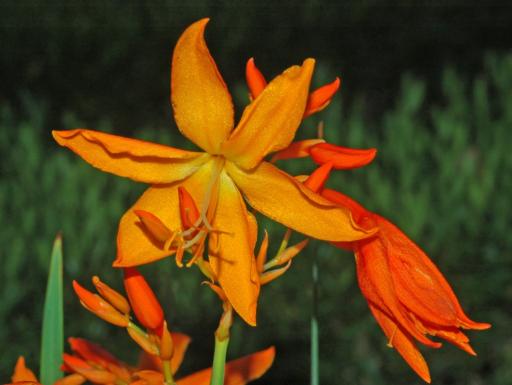
Crocosmia is a stunning genus of perennial cormous flowering plants belonging to the iris family, Iridaceae. Native primarily to the grasslands of South Africa, these vibrant plants are celebrated for their fiery spikes of red, orange, and yellow tubular flowers that bloom brilliantly throughout the mid to late summer months. They possess sword-shaped, pleated green leaves that create an attractive architectural contrast in garden beds and borders. Crocosmia plants are well-loved by gardeners for their resilience, ability to attract pollinators like hummingbirds and bees, and their exceptional performance as long-lasting cut flowers. They thrive in fertile, well-draining soils under full sun to partial shade conditions and multiply rapidly via underground corms.
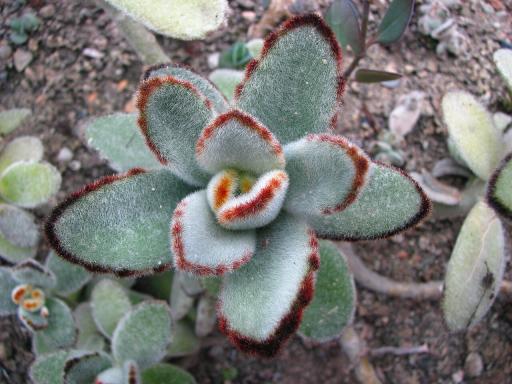
The Panda Plant, scientifically known as Kalanchoe tomentosa, is a fascinating and popular succulent native to Madagascar. It is widely celebrated for its thick, velvety, fleshy leaves that feature a soft, silvery-gray coating and charming brownish-black spots along the scalloped margins. This distinctive fuzzy texture helps the plant reduce moisture loss in its native arid habitats by trapping a thin layer of humid air around the leaf surface. As an exceptionally drought-tolerant perennial, the Panda Plant is remarkably well-suited for indoor container gardening, requiring minimal maintenance, bright indirect sunlight, and infrequent watering to thrive successfully in typical household environments.
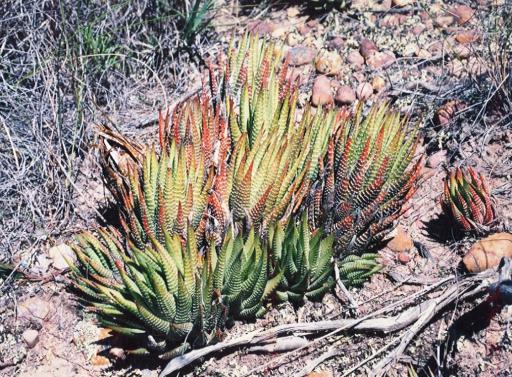
The Zebra Haworthia, scientifically known as Haworthiopsis fasciata, is a charming, compact succulent native to South Africa, specifically the Eastern Cape province. It is widely celebrated for its striking dark green leaves adorned with distinctive, raised white horizontal stripes that resemble zebra patterns. Growing in small rosettes, this resilient plant typically reaches a height of 10 to 15 centimeters, making it an ideal choice for windowsills, small apartment spaces, and terrariums. As a succulent, it stores water in its fleshy leaves, allowing it to withstand periods of drought with ease. It is particularly popular among beginner gardeners due to its low maintenance requirements and high tolerance for indoor growing conditions.
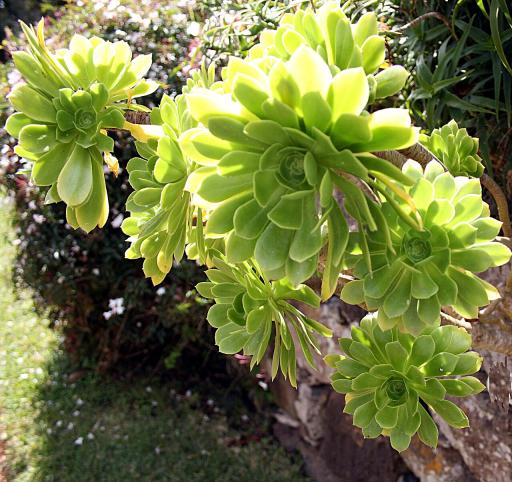
The Tree Aeonium (Aeonium arboreum) is a striking succulent subshrub native to the Canary Islands, known for its rosette-forming, fleshy leaves and branching woody stems. This architectural plant typically grows up to one to two meters in height, producing large, glossy rosettes that can range in color from vibrant green to deep purple or almost black, depending on the cultivar and sunlight exposure. In winter or spring, mature rosettes produce large, conical panicles of bright yellow, star-shaped flowers. As a popular ornamental plant in Mediterranean and arid gardens, it thrives in mild climates and well-draining soils, requiring minimal water once established. Its ability to withstand coastal conditions makes it a favorite for seaside landscaping, rock gardens, and container planting.
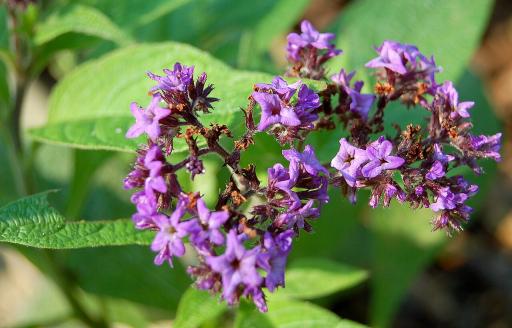
Heliotrope is a cherished garden perennial grown primarily for its intensely fragrant, vanilla-scented purple or blue flower clusters and rich, dark green foliage. Native to Peru, this charming plant brings both visual elegance and a delightful aroma to outdoor borders, containers, and patios. It thrives best in warm climates with plenty of sunshine and moist, well-draining soil. Gardeners frequently use heliotrope as an annual in cooler temperate regions, appreciating its long blooming season that extends from early summer right through the first autumn frosts. While visually stunning and adored by pollinators like butterflies, all parts of the plant contain pyrrolizidine alkaloids, meaning it is toxic if ingested by pets or humans.