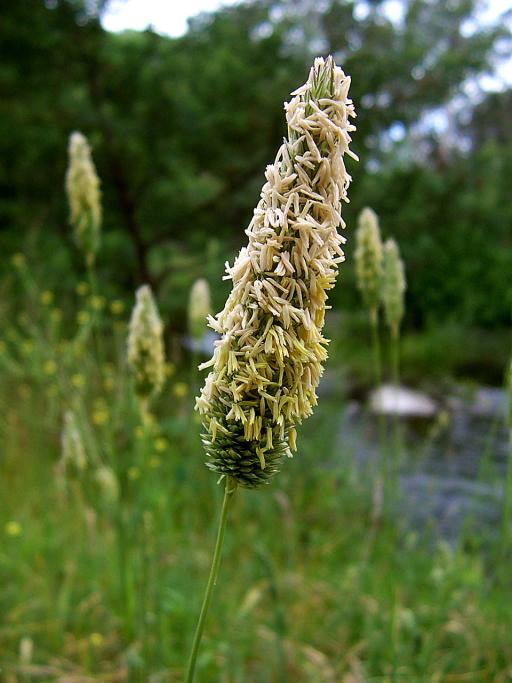
Lawngrass
Poaceae
Identified By Marcs
Lawngrass refers to various species of grasses cultivated in lawns, gardens, sports fields, and parks for aesthetic pleasure and recreational use. These plants typically form a dense, uniform green carpet that can withstand regular foot traffic and mowing. Lawngrass plays an important environmental role by stabilizing topsoil, reducing erosion, filtering rainwater, and producing oxygen while mitigating ambient temperatures in urban landscapes. Proper maintenance involves regular irrigation, fertilization, aeration, and mowing to keep the turf healthy, vibrant, and resilient against environmental stressors and various weed invasions.
Growth & Dimensions
Ideal Environment
Temperate and Subtropical Zones
Climate: Thrives in open, sunny areas with moderate rainfall and well-draining soils.
Native Regions
Care Guide
Watering
Water deeply and infrequently to encourage deep root growth. Provide about 2.5 cm of water per week either from rainfall or irrigation, preferably in the early morning to minimize evaporation and fungal diseases.
Mowing
Mow regularly, keeping the grass at an optimal height of 5 to 8 cm depending on the species. Never remove more than one-third of the blade height in a single mowing session to prevent plant shock.
Fertilization
Apply a balanced slow-release lawn fertilizer during the active growing seasons in spring and autumn to maintain rich green color and robust root density.
Propagation Methods
Seed
Broadcast grass seeds evenly over properly prepared, raked, and leveled soil, then lightly rake them in and keep moist until germination.
Division
Plant sod plugs or blocks spaced evenly across bare areas to quickly establish a uniform turf lawn.
Common Diseases & Pests
Brown Patch
FungalCircular patches of brown, withered grass, often with a dark brown smoke ring edge during humid weather.
Apply appropriate bio-fungicides, reduce nitrogen fertilization, and improve air circulation and drainage.
Water in the early morning and avoid over-fertilizing with nitrogen during hot, humid periods.
Properties & Benefits
Uses & Health Benefits
Air Purification and Oxygen Production
Lawngrass absorbs carbon dioxide, traps dust particles, and releases fresh oxygen, significantly improving the local microclimate and air quality.
Key Nutrients / Compounds
OTHER PLANTS
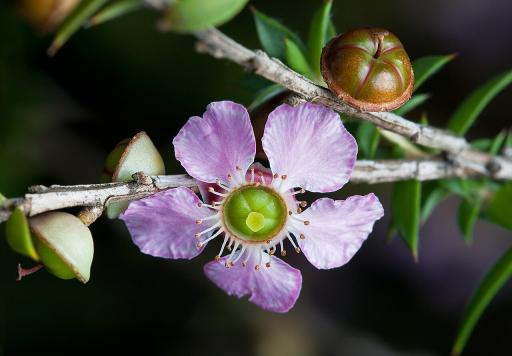
Tea Tree
Leptospermum is a diverse genus of shrubs and small trees belonging to the Myrtaceae family, predominantly native to Australia and New Zealand. Renowned for their abundance of small, colourful flowers in shades of white, pink, and red, these resilient plants are extremely popular in ornamental landscaping and native gardens. Many species produce aromatic foliage and nectar-rich blossoms that attract local pollinators such as bees and birds. One of the most famous species, Leptospermum scoparium, produces the renowned Manuka honey with unique antibacterial properties. They adapt well to coastal conditions and make exceptional hedging plants.
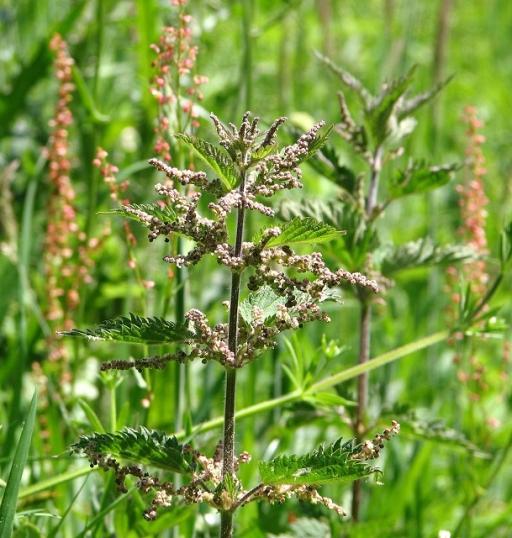
Common Nettle
Urtica dioica, commonly known as the stinging nettle or common nettle, is a herbaceous perennial flowering plant in the family Urticaceae. Originally native to Europe, much of temperate Asia and western North America, the plant is well known for its stinging hairs, called trichomes, which act like hypodermic needles, injecting histamine and other chemicals that produce a stinging sensation upon contact. Despite this defensive mechanism, the common nettle has a long history of human usage as a source for traditional medicine, food, and textile fiber. Young leaves can be cooked and consumed like spinach, losing their sting entirely once heated or dried thoroughly, making them exceptionally nutritious and versatile.
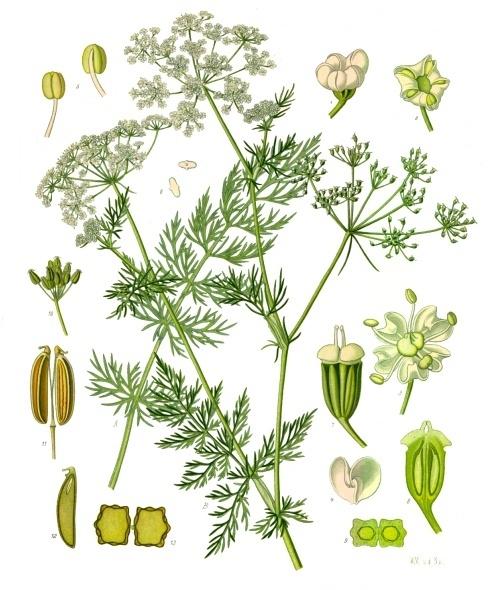
Caraway
Carum carvi, commonly known as caraway, is a biennial herb belonging to the Apiaceae family, native to Europe, Western Asia, and North Africa. It is widely cultivated for its aromatic seeds, which are frequently used as a spice in European, Middle Eastern, and Indian cuisine. The plant features finely divided, feathery leaves resembling those of carrots and produces small white or pink flowers arranged in umbels during its second year of growth. Caraway prefers well-drained soils and full sun exposure, making it an excellent addition to herb gardens and vegetable plots. Beyond its culinary uses, caraway has a long history of traditional medicinal applications, particularly for digestive health, and yields essential oils utilized in flavoring and aromatherapy.
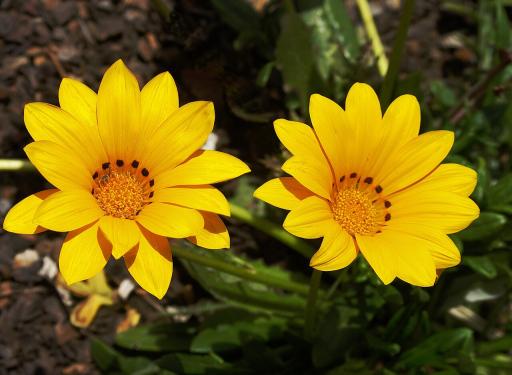
Gazania
Gazania is a stunning, low-growing perennial native to Southern Africa, widely celebrated for its remarkably vibrant, daisy-like flowers that open wide in bright sunlight and close on cloudy days or at night. These resilient plants form dense clumps of foliage, often featuring dark green to silver-gray leaves with woolly undersides. They are exceptionally drought-tolerant and thrive in poor, well-draining soils under intense sun, making them a popular choice for rockeries, coastal gardens, borders, and container plantings. Their brilliant shades of yellow, orange, red, bronze, and pink bring an unmatched, cheerful splash of vivid color to outdoor landscapes throughout the growing season.
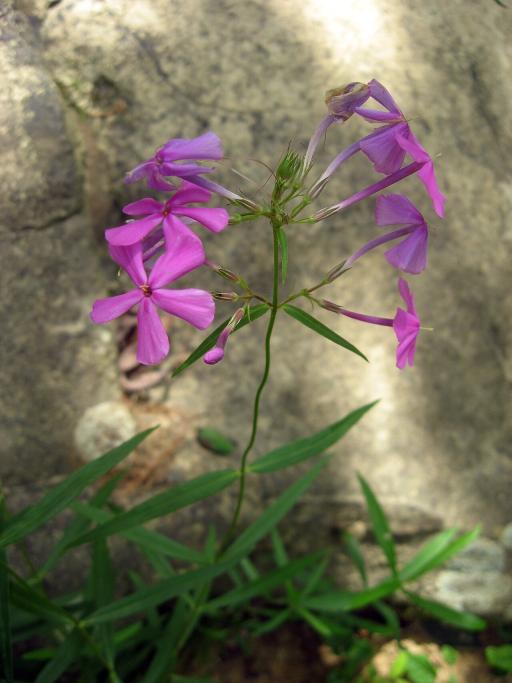
Phlox
Phlox is a popular genus of flowering plants comprising around 60 to 70 species of perennial and annual plants, mostly native to North America, with one species native to Siberia. They are well known for their vibrant, star-shaped blossoms that come in shades of pink, purple, white, red, and blue. Gardeners widely appreciate phlox for their long blooming seasons, pleasant fragrance, and ability to attract pollinators like butterflies and hummingbirds. Depending on the specific species, phlox can form dense carpets of low-growing foliage or stand tall in traditional border gardens, making them exceptionally versatile and resilient landscape additions.
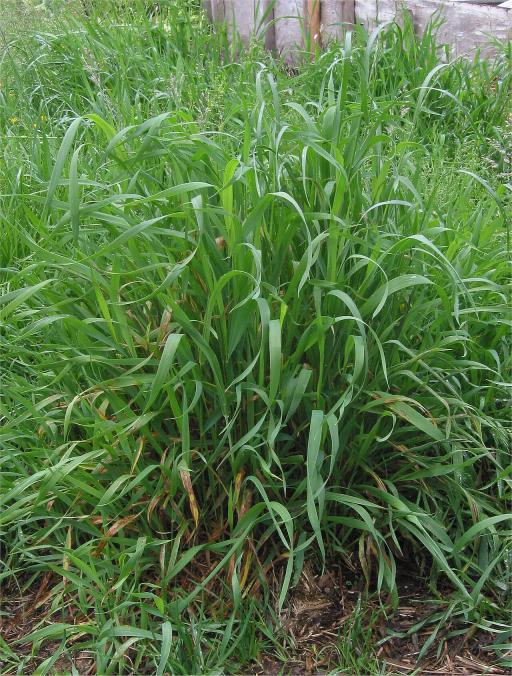
Common couch
Common couch is a perennial grass species native to Europe, Asia, and northwest Africa. It is widely recognized for its extensive and aggressive creeping rhizomes, which allow it to spread rapidly and form dense mats. Because of this robust root system, it is frequently classified as a persistent and difficult weed in agricultural fields and gardens, though it also serves a role in stabilizing soil against erosion. The plant typically grows upright stems with flat, rough-textured leaves and produces slender spikes of flowers during the summer months. Its adaptability enables it to thrive in various soil types and environmental conditions.
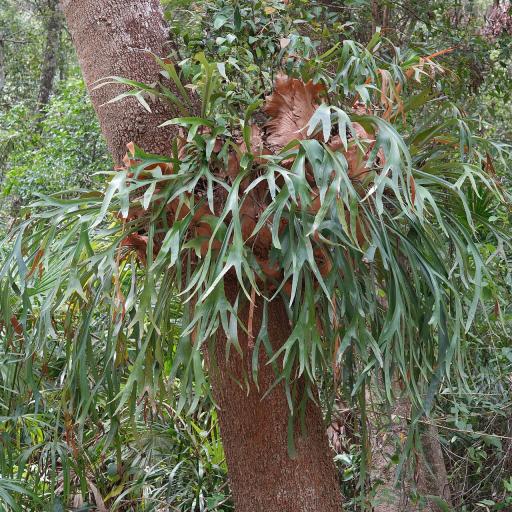
Staghorn fern
The staghorn fern is a fascinating epipytic fern native to tropical and temperate areas of Australia, Southeast Asia, and New Guinea. Known for its uniquely shaped fronds that resemble the antlers of a stag, this striking botanical specimen typically grows mounted on wooden boards or bark rather than planted in standard soil. It features two distinct types of fronds: basal fronds that form a protective shield against the tree bark and absorb nutrients, and fertile fronds that branch out dramatically and produce spores on their underside. As a popular houseplant, it adds an exotic, architectural element to interior spaces, thriving in bright, indirect light and high humidity environments with proper watering routines.
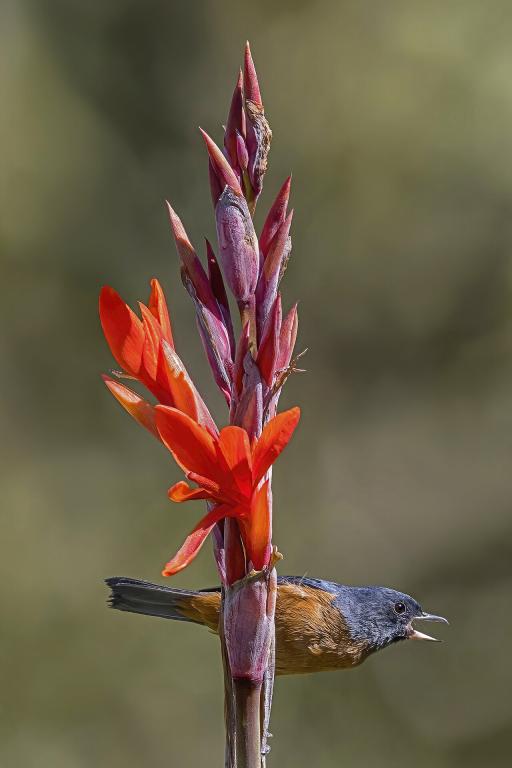
Canna Lily
The canna lily is a striking tropical and subtropical perennial plant known for its large, banana-like foliage and brilliant, orchid-like flowers in shades of red, yellow, orange, and pink. Originating from the Americas and parts of Asia, these robust plants thrive in warm climates and damp environments, frequently being used as dramatic focal points in gardens and large containers. Although they are technically perennials in frost-free regions, they are often treated as annuals or stored as dormant rhizomes over winter in colder climates. Their showy blossoms attract various pollinators such as hummingbirds and bees, enhancing backyard biodiversity.
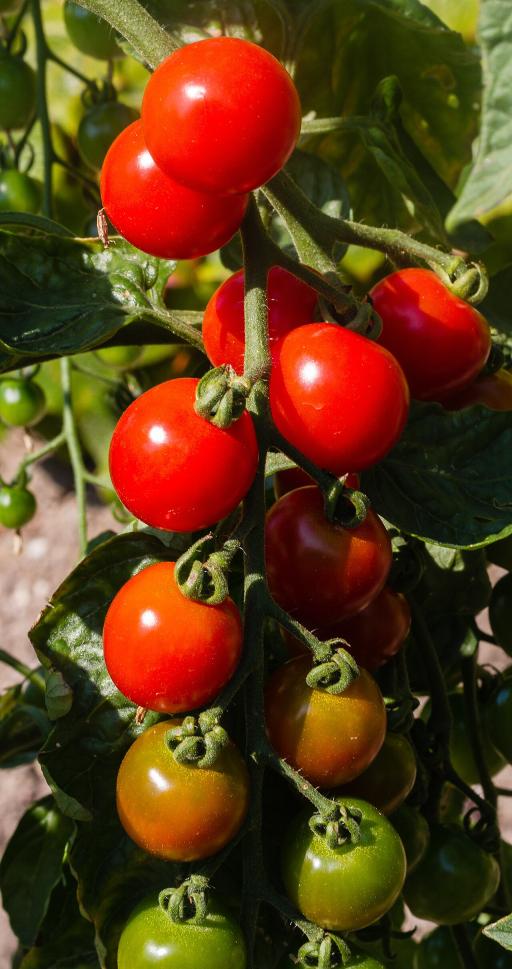
Cherry tomato
The cherry tomato is a delightful, bite-sized garden favorite belonging to the nightshade family. It produces abundant clusters of small, incredibly sweet and juicy fruits that are widely celebrated in culinary traditions across the globe. Highly versatile and relatively easy to cultivate, cherry tomatoes thrive in warm climates with ample sunlight and well-draining soil. Whether grown in large backyard gardens, raised beds, or even compact patio containers, these vigorous plants add vibrant color and fresh, tangy flavor to salads, pastas, and snacks while offering wonderful nutritional benefits.
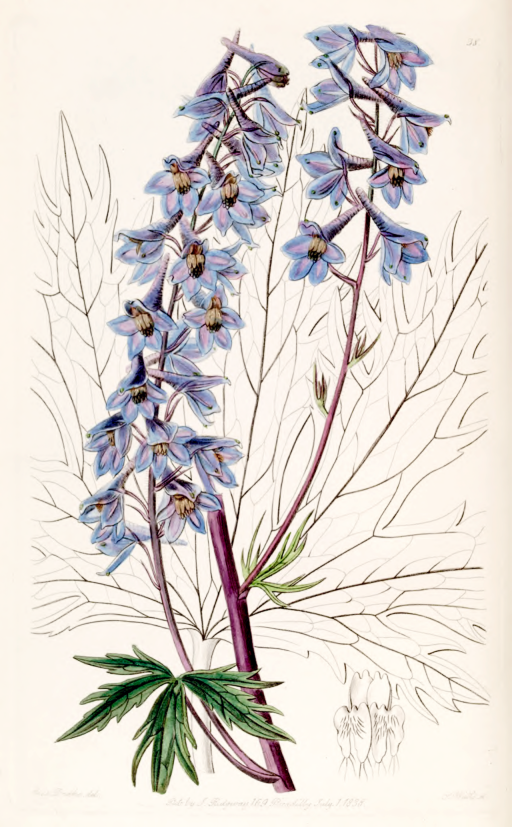
Delphinium
Delphinium is a magnificent genus of perennial and annual flowering plants belonging to the buttercup family Ranunculaceae, highly celebrated for their towering spikes of vividly colored blooms in shades of blue, purple, pink, and white. Native to the Northern Hemisphere and high mountain regions, these striking architectural plants make a dramatic focal point in traditional cottage gardens and perennial borders. They require meticulous care, including rich, well-draining soil, regular moisture, and careful staking to protect their tall flower spikes from strong winds. Although they are undeniably breathtaking in landscape designs, every part of the plant contains dangerous toxic alkaloids, making them unsuitable for areas accessible to grazing pets and livestock.
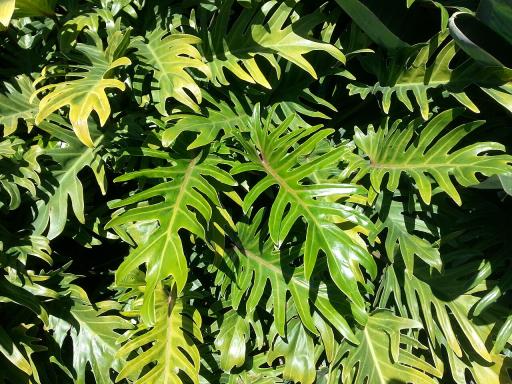
Philodendron Xanadu
Philodendron Xanadu is a stunning tropical plant native to Brazil, known for its deeply lobed, glossy green leaves that form a dense, upright, and mounding growth habit. Unlike many other philodendrons that climb or trail, the Xanadu grows as a self-heading shrub, making it a popular choice for indoor container gardening, tropical landscape designs, and shaded patio spaces. It thrives in warm temperatures, high humidity, and bright indirect sunlight. As it matures, it develops a woody stem and creates an impressive, lush focal point in any botanical collection.
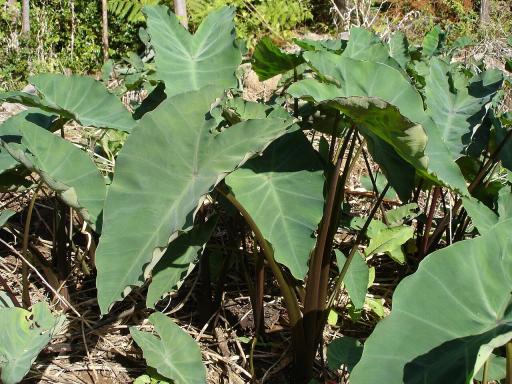
Elephant Ear
Colocasia is a genus of flowering plants in the family Araceae, commonly known as elephant ear for their large, striking foliage that resembles pachyderm ears. Native to tropical Asia and the Indian subcontinent, these plants thrive in wet, humid environments and are frequently cultivated both as ornamental garden features and for their edible starchy corms known as taro. They add a dramatic, tropical aesthetic to landscapes, patios, and indoor spaces alike, provided they receive adequate moisture and warmth throughout their active growing season.
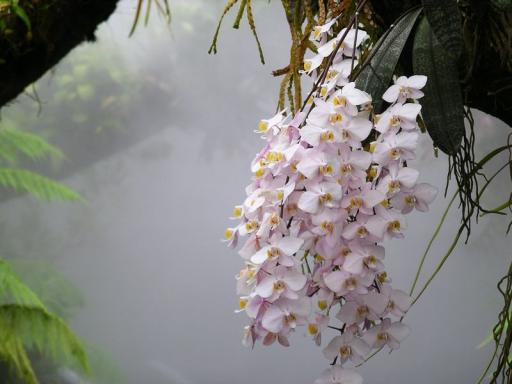
Moth orchids
Moth orchids are among the most popular and widely cultivated houseplants in the world, prized for their long-lasting, elegant flowers that resemble flying moths. Belonging to the genus Phalaenopsis, these epiphytic or lithophytic plants naturally grow attached to trees or rocks in warm, humid tropical and subtropical forests across Asia and Australia. They feature thick, fleshy green leaves and produce striking arching sprays of blooms in a vast array of colors, including white, pink, purple, yellow, and patterned varieties. Because they do not grow in traditional soil in their native habitats, they require specialized care, specifically coarse bark potting media that allows maximum airflow to their thick, silvery roots. When given bright indirect light, appropriate watering routines, and stable indoor temperatures, moth orchids can bloom reliably for months at a time, making them a fantastic and rewarding choice for both beginner and experienced indoor gardeners alike.
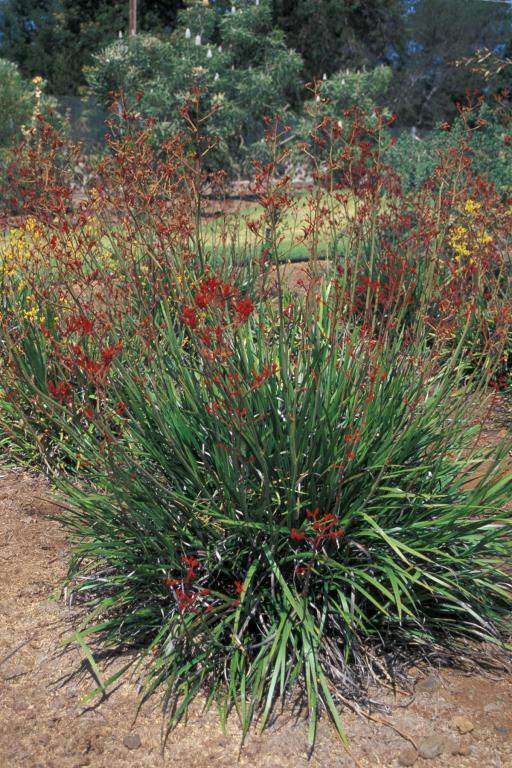
Kangaroo paws
Kangaroo paws are striking evergreen perennial plants native to the southwestern regions of Australia, renowned for their unique, brightly colored tubular flowers covered in fine hairs that resemble the paws of a kangaroo. These remarkable Australian natives belong to the Haemodoraceae family and have adapted exceptionally well to Mediterranean and temperate climates. They serve as stunning ornamental accents in contemporary gardens, attracting an array of native birds and pollinators with their nectar-rich blooms. Thriving in well-drained soils and abundant sunlight, they require specific care regarding watering and soil acidity to prevent fungal issues such as ink spot disease. Their architectural foliage and velvety floral stalks create incredible visual interest throughout the spring and summer seasons.
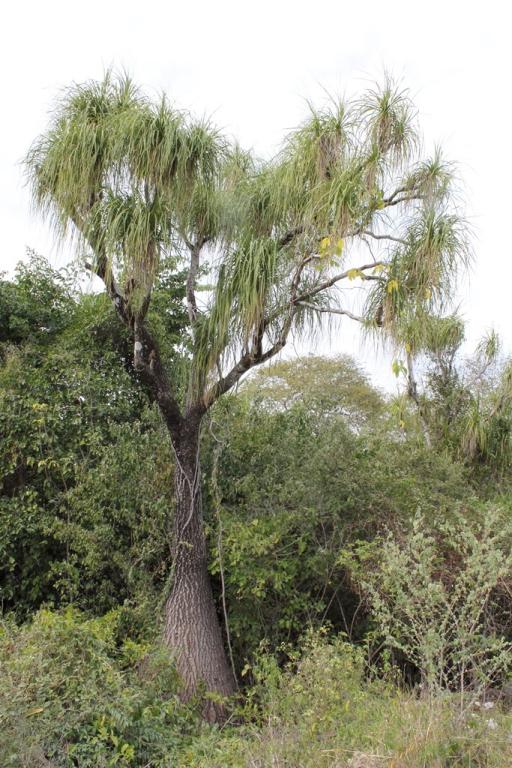
Ponytail Palm
The ponytail palm, scientifically known as Beaucarnea recurvata, is a popular and striking houseplant famous for its unique appearance featuring a swollen, bulbous trunk that stores water and a cascade of long, thin, leathery leaves reminiscent of a horse's tail. Despite its common name, it is not actually a true palm but rather a succulent belonging to the asparagus family, Asparagaceae. Native to the semi-desert regions of eastern Mexico, this slow-growing plant is exceptionally hardy and remarkably drought-tolerant, making it an ideal choice for beginning gardeners, indoor environments, and offices where maintenance might be minimal.
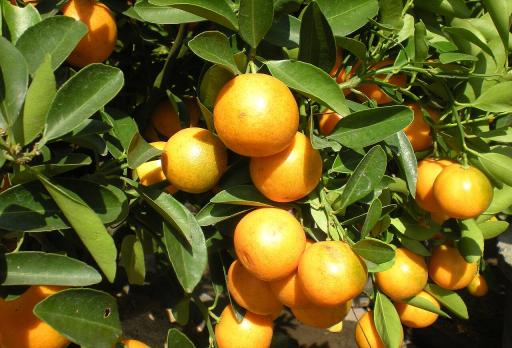
Kumquat
The kumquat is a charming group of small fruit-bearing trees belonging to the Rutaceae family. Native to South Asia and the Asia-Pacific region, these compact evergreens are widely celebrated for producing unique citrus fruits that can be consumed entirely, including the sweet peel and the tart, tangy pulp inside. Kumquats thrive in warm, subtropical climates but are remarkably adaptable, frequently grown as ornamental container plants in cooler patio or indoor settings where adequate sunlight is available. Their glossy dark green foliage and fragrant white blossoms add exceptional year-round aesthetic value to gardens, patios, and orchards alike.
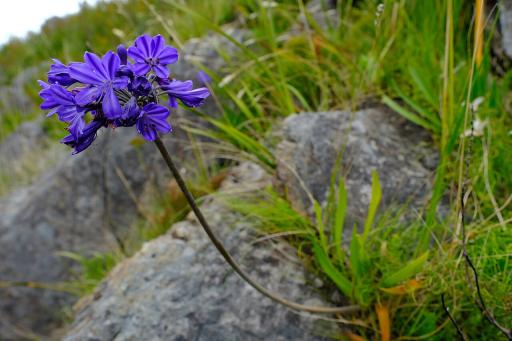
Lily of the Nile
Lily of the Nile, scientifically known as Agapanthus africanus, is a stunning perennial plant native to South Africa, highly prized for its magnificent globes of blue, purple, or white flowers held high on sturdy stalks above clumps of strapping, strap-shaped green leaves. This resilient plant is an exceptional choice for gardeners looking to add striking vertical interest and vibrant, long-lasting summer color to borders, pathways, and large container displays. Thriving in warm climates and full sun, it is relatively drought-tolerant once established and adapts well to coastal conditions, making it a popular landscape favorite worldwide.
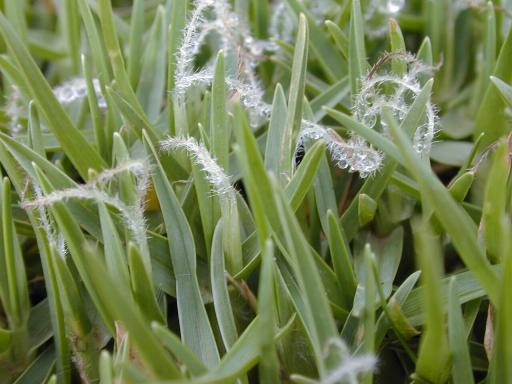
Kikuyu grass
Kikuyu grass is a vigorous, warm-season perennial grass native to the East African highlands. It is widely cultivated in tropical and subtropical regions for lawns, pastures, and erosion control due to its aggressive growth habit, excellent drought tolerance, and ability to form a dense, bright green turf. The grass spreads rapidly via extensive creeping stolons and underground rhizomes, allowing it to quickly recover from heavy foot traffic and wear. However, its aggressive nature can also make it a persistent weed in agricultural settings and gardens where it may invade flower beds and smother other desirable plants. It thrives in full sun and various soil types, making it a popular choice for residential and commercial landscaping.
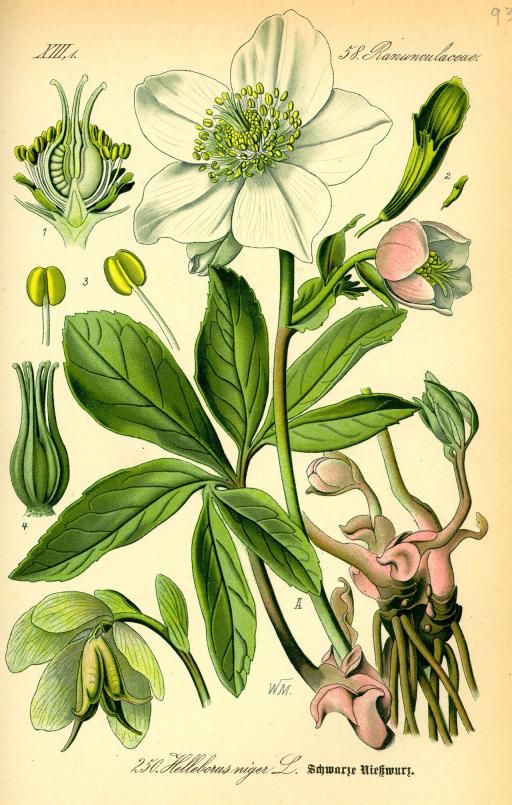
Hellebore
Hellebores are remarkable perennial flowering plants belonging to the buttercup family, Ranunculaceae. Famous for their ability to bloom during the bleakest months of late winter and early spring, they provide much-needed color when most of the garden remains dormant. Their cup-shaped, nodding flowers come in an array of captivating colors including white, green, pink, purple, and deep near-black shades, often complemented by striking speckled markings. Featuring tough, evergreen, leathery foliage, hellebores are exceptionally resilient, deer resistant, and thrive beautifully in shady woodland settings where few other plants dare to bloom.
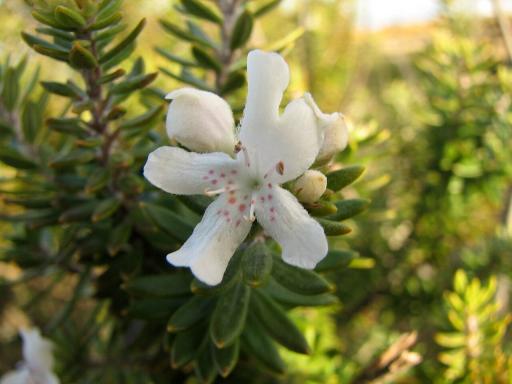
Westringia
Westringia is a popular genus of evergreen shrubs native to Australia, belonging to the mint family Lamiaceae. Commonly known as coastal rosemary due to the superficial resemblance of its leaves to true rosemary, this versatile and hardy plant is renowned for its resilience against harsh coastal winds, salt spray, and drought conditions. It typically features narrow, grey-green or variegated leaves arranged in whorls around the stems, accompanied by profuse, small white, blue, or mauve flowers that bloom throughout much of the year. Due to its dense growth habit and exceptional tolerance to heavy pruning, Westringia is widely utilized in landscaping for formal hedges, low maintenance garden borders, or as an attractive structural accent in Mediterranean and coastal garden designs.
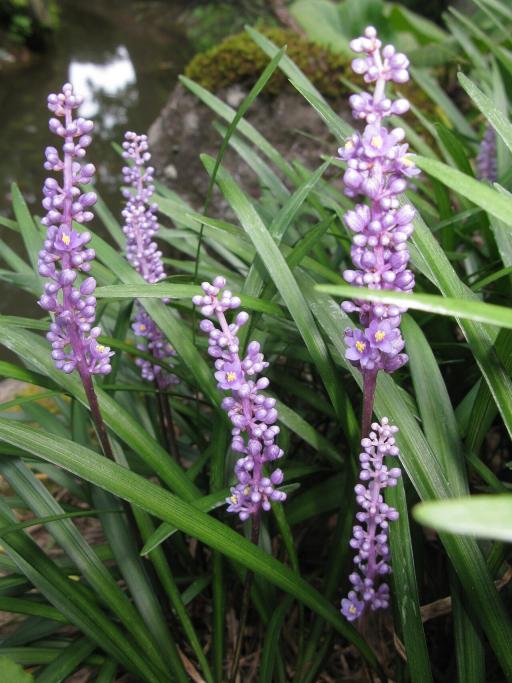
Lilyturf
Lilyturf is a tough, grass-like perennial plant belonging to the Asparagaceae family, widely celebrated for its robust evergreen foliage and spikes of purple or white flowers resembling miniature grape hyacinths. Native to East Asia, it is exceptionally adaptable, thriving in conditions ranging from full sun to deep shade, and is frequently utilized as a resilient ground cover, border plant, or erosion control measure on slopes. Once established, lilyturf demonstrates remarkable drought tolerance and resistance to common pests and diseases, making it a favorite choice for low-maintenance urban and suburban landscape designs across various climates.
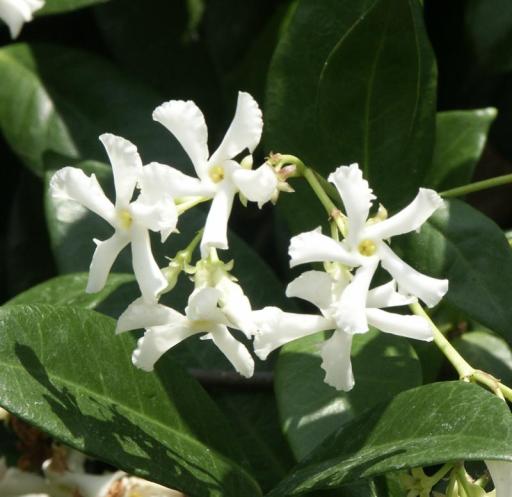
Star Jasmine
Star jasmine is a vigorous, evergreen woody vine known for its intensely fragrant, pinwheel-shaped white flowers that bloom profusely in the spring and early summer. Native to eastern and southern Asia, this climbing plant features glossy, dark green leaves that provide year-round visual interest. It is frequently trained to climb up trellises, fences, and walls, or used as a dense, sprawling ground cover in warm climates. Although commonly referred to as jasmine, it actually belongs to the Apocynaceae family and is entirely distinct from true jasmines. Star jasmine adapts remarkably well to container gardening and can also be grown indoors in brighter spaces, making it a highly versatile and beloved ornamental plant prized for its sweet, captivating perfume.
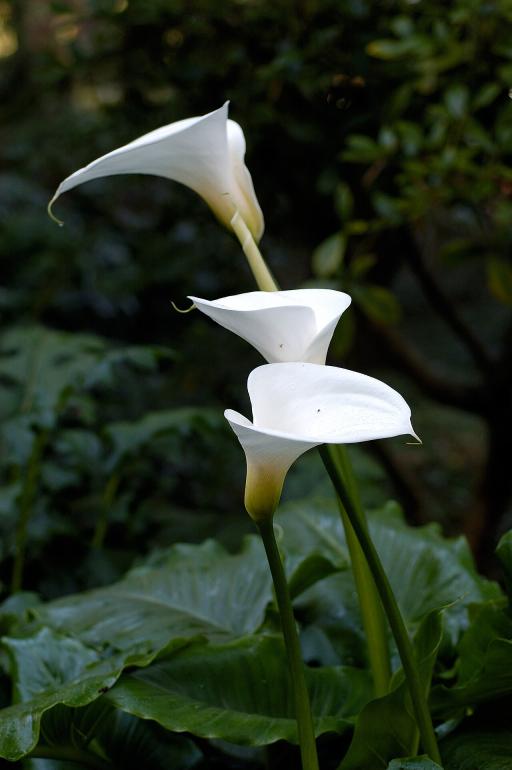
Calla Lily
The calla lily is a striking and elegant perennial plant native to southern Africa, renowned for its large, funnel-shaped spathes that surround a prominent central spadix. While commonly referred to as a lily, it actually belongs to the Araceae family, which also includes anthuriums and philodendrons. Featuring glossy, arrow-shaped dark green leaves, calla lilies make stunning additions to both garden beds and indoor container arrangements. They thrive in damp, boggy conditions and are frequently planted near ponds or water features. Despite their delicate appearance, they are robust growers when provided with adequate moisture, warmth, and bright indirect sunlight during their growing season.
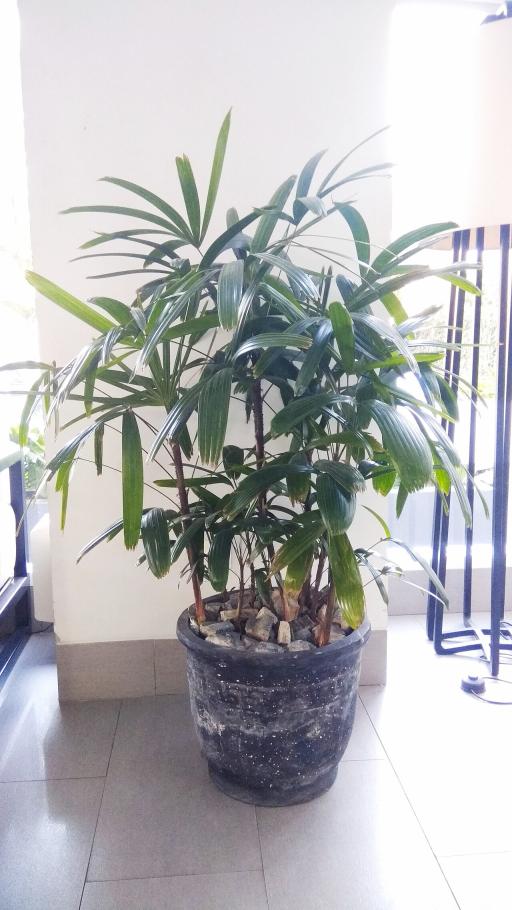
Broadleaf lady palm
The broadleaf lady palm, scientifically known as Rhapis excelsa, is a stunning and popular multi-stemmed fan palm native to southern China and Taiwan. Renowned for its elegant, bamboo-like stems covered in dark brown fibrous netting and deeply divided, glossy green fronds, it is a favorite for both indoor and shaded outdoor landscapes. This resilient palm is remarkably adaptable to various light conditions and indoor environments, making it one of the most reliable houseplants for homes and offices. Furthermore, it excels as an air purifier, effectively filtering common indoor pollutants from the atmosphere. It thrives in well-drained soils and requires moderate humidity, bringing a touch of tropical elegance to any architectural space.