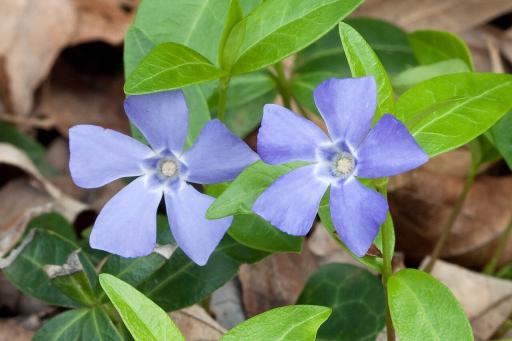
Periwinkle
Vinca minor
Identified By Unknown Guest
Periwinkle is a popular evergreen trailing ground cover known for its glossy dark green leaves and vibrant blue-purple pinwheel-shaped flowers. It thrives in shaded areas and spreads quickly.
Safety Warnings
Growth & Dimensions
Ideal Environment
Temperate Woodlands and Gardens
Climate: Thrives in temperate climates with moderate rainfall and shaded environments.
Native Regions
Care Guide
Watering
Water regularly during the first year to establish a deep root system. Once established, periwinkle is moderately drought-tolerant but performs best with weekly watering during dry spells.
Sunlight
Prefers partial to full shade. While it can tolerate full sun in cooler climates, intense afternoon sun can scorch the leaves.
Soil and Fertilizer
Grows best in moist, well-draining soil rich in organic matter. Apply a balanced slow-release fertilizer in early spring if growth is sluggish.
Pruning
Prune back in early spring before new growth starts to control spread and encourage bushier foliage and more blooms.
Propagation Methods
Cutting
Take stem cuttings in summer, dip in rooting hormone, and plant in moist propagating mix.
Division
Divide established clumps in spring or autumn and replant immediately.
Common Diseases & Pests
Root Rot
FungalYellowing leaves, stunted growth, and mushy dark roots caused by overwatering or poor drainage.
Improve soil drainage, reduce watering, and remove severely affected plants.
Ensure the plant is planted in well-draining soil and avoid waterlogged conditions.
Stem Canker
FungalDark lesions on stems, wilting, and dieback of shoots.
Prune away infected stems well below the diseased area and dispose of them.
Avoid overhead watering and provide adequate spacing for air circulation.
Properties & Benefits
Uses & Health Benefits
Traditional Medicinal Use
Extracts from related species have been used historically in traditional medicine and pharmaceutical development (such as vinca alkaloids for chemotherapy), though the common periwinkle itself should not be ingested.
Precautions: Highly toxic when ingested; do not use for self-medication.
Key Nutrients / Compounds
OTHER PLANTS
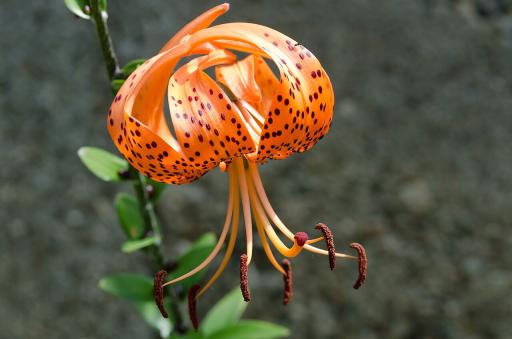
Tiger Lily
Tiger lily is a striking perennial bulb known for its vibrant orange flowers featuring dark spots and recurved petals. Highly popular in ornamental gardens, they are hardy and resilient.
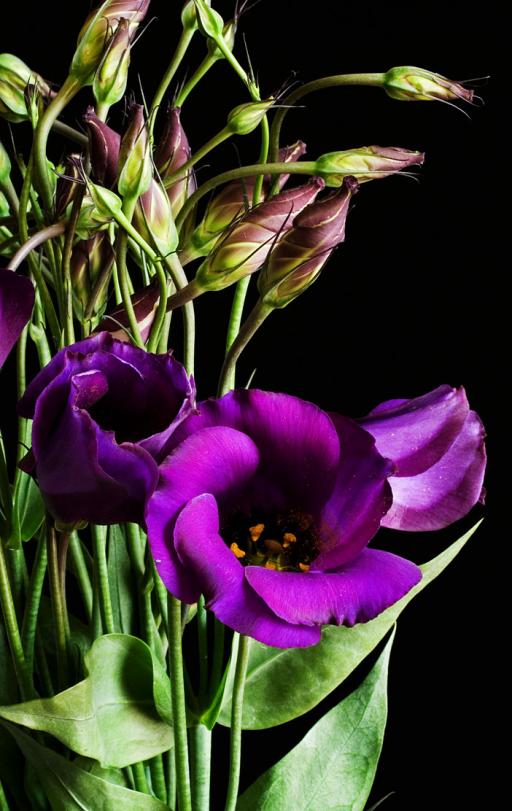
Lisianthus
Lisianthus is renowned for its large, rose-like blooms and long vase life. Native to the warm regions of the southern United States, Mexico, Caribbean, and northern South America, it is a popular ornamental flower prized for its elegance.
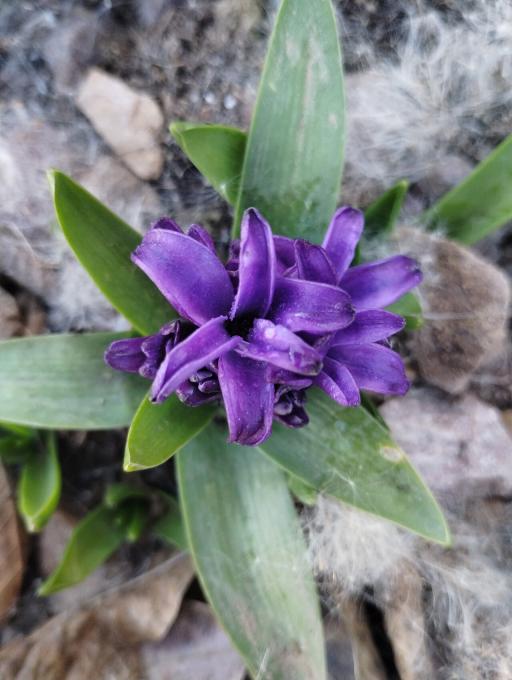
Hyacinth
Hyacinthus orientalis is a bulbous perennial flowering plant prized for its intensely fragrant spikes of bell-shaped flowers that bloom in early to mid-spring. They come in a wide array of vibrant colors including blue, purple, pink, white, and red.
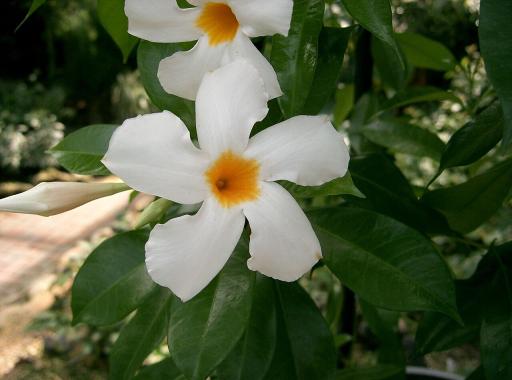
Dipladenia
Dipladenia is a popular tropical and subtropical flowering vine known for its glossy green leaves and vibrant, trumpet-shaped flowers in shades of pink, red, or white. It is frequently grown as a patio container plant or annual in cooler climates.

Poinsettia
The poinsettia is a commercially important plant species of the diverse spurge family. Indigenous to Mexico and Central America, it is widely known for its red and green foliage and is widely used in Christmas holiday decor.
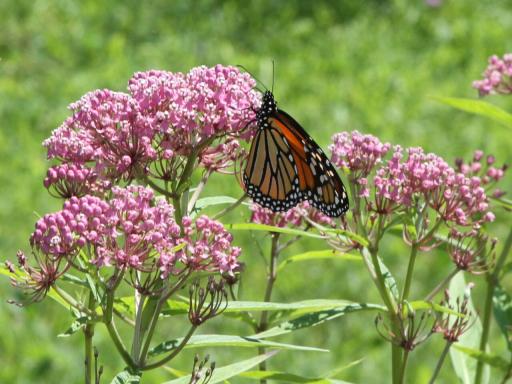
Milkweed
Milkweed is a vital herbaceous perennial plant best known as the exclusive host plant for monarch butterfly larvae. It features distinctive milky sap, clusters of showy flowers, and seed pods filled with silky hairs.
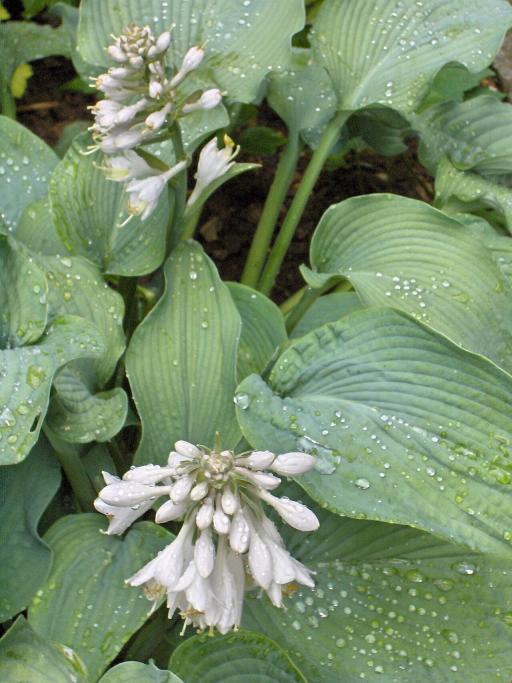
Hosta
Hostas are popular shade-tolerant perennial foliage plants grown primarily for their lush, mounding leaves in various shades of green, blue, and variegated patterns.
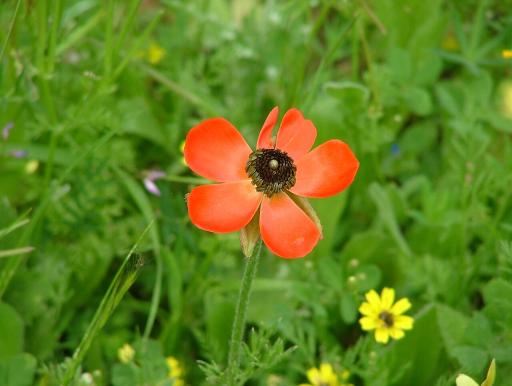
Persian Buttercup
Ranunculus asiaticus is a species of buttercup native to the eastern Mediterranean region, southwest Asia, and northeastern Africa. They are prized for their brilliantly colored, rose-like double flowers and are popular in gardens and floral arrangements.
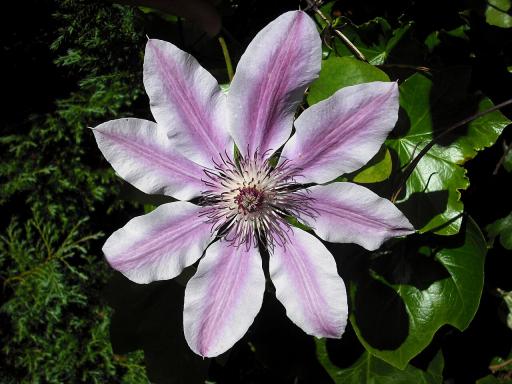
Clematis
Clematis is a popular genus of about 300 species of mostly vigorous, woody, climbing vines valued for their stunning, often colorful flowers that bloom in various seasons.
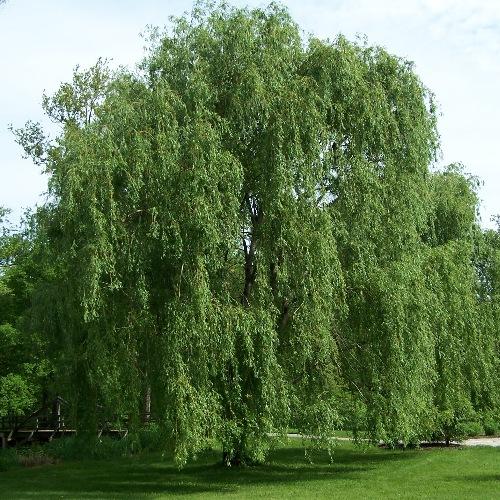
Willow
Willows, also known as sallows and osiers, form the genus Salix, comprising around 400 species of deciduous trees and shrubs, found primarily on moist soils in cold and temperate regions of the Northern Hemisphere.
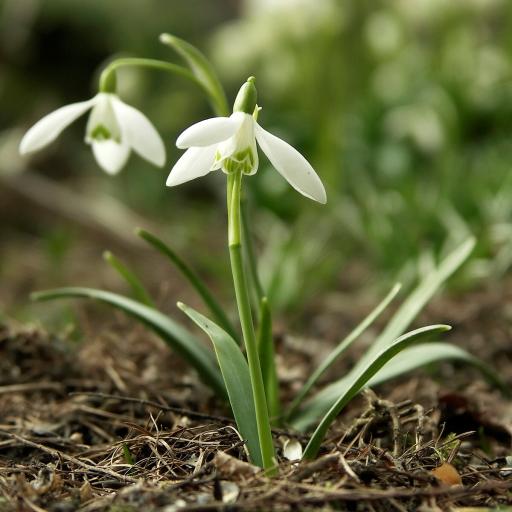
Snowdrop
Galanthus nivalis, known as the common snowdrop, is a small bulbous perennial herbaceous plant that blooms in winter or early spring with characteristic drooping white flowers.
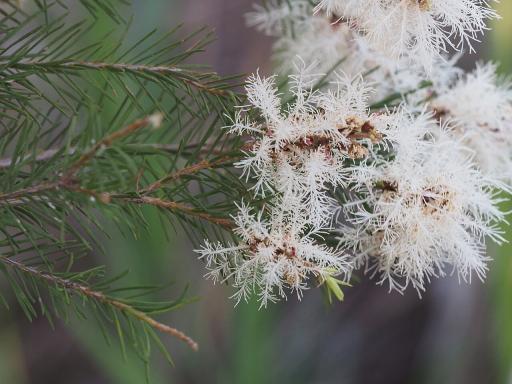
Melaleuca
Melaleuca, commonly known as the tea tree, is a genus of plants in the myrtle family, Myrtaceae. Native to Australia, they are widely known for their aromatic leaves and essential oils, particularly tea tree oil, which has antimicrobial properties.
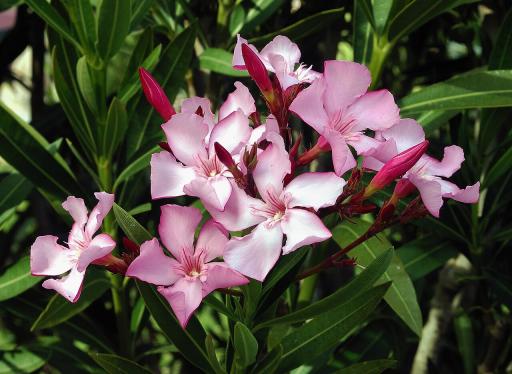
Oleander
Oleander is a large, evergreen shrub or small tree widely grown in subtropical regions for its beautiful, showy flowers. However, every part of the plant is highly toxic if ingested.
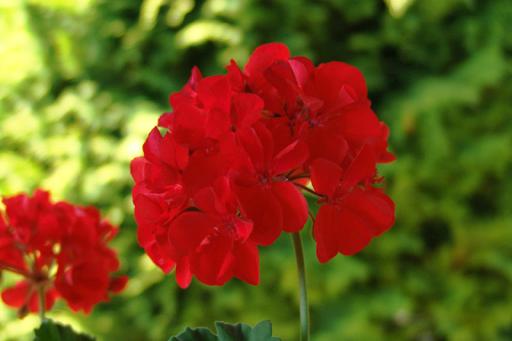
Geranium
Geraniums are popular flowering plants known for their vibrant clusters of red, pink, white, or purple blooms and distinctively scented foliage. They are widely used in gardens, hanging baskets, and window boxes.
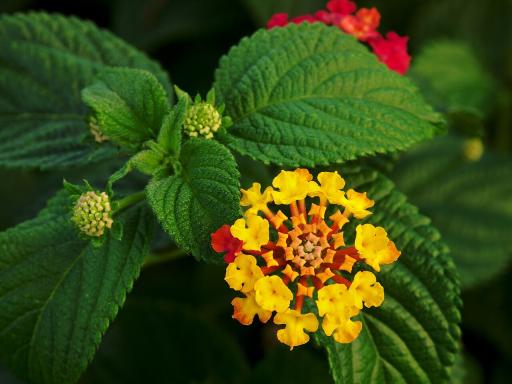
Lantana
Lantana is a genus of about 150 species of perennial flowering plants in the verbena family. They are native to the American tropics and Africa and are widely grown as ornamental garden plants for their brightly colored flowers.
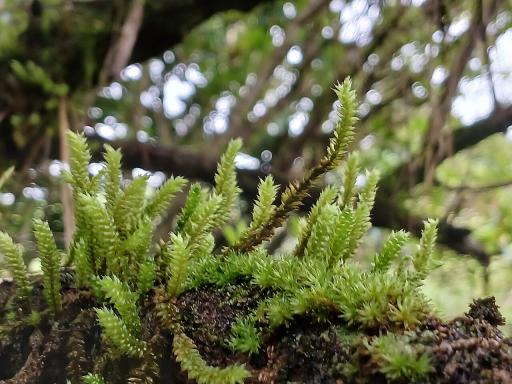
Moss
Mosses are small flowerless plants that typically form dense green clumps or mats, often in damp or shady locations. They do not have roots, flowers, or seeds, and absorb water and nutrients directly through their leaves.
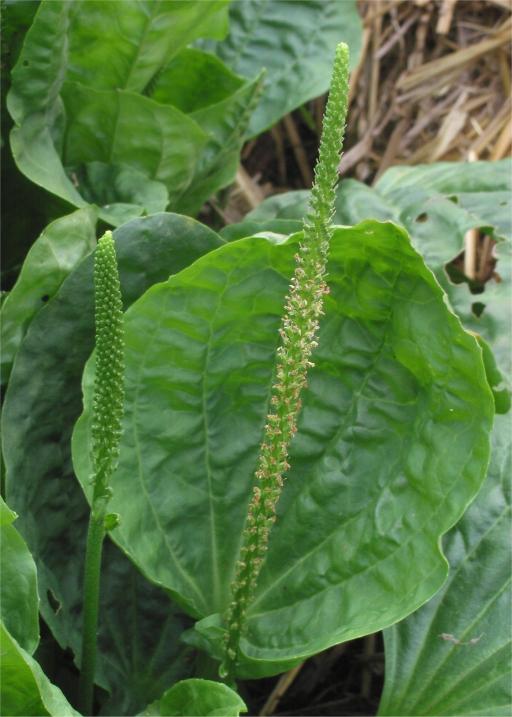
Plantain
Plantago major, commonly known as greater plantain or broadleaf plantain, is a species of flowering plant in the plantain family Plantaginaceae. The plant is native to most of Europe and northern and central Asia, and has widely naturalized elsewhere in the world.
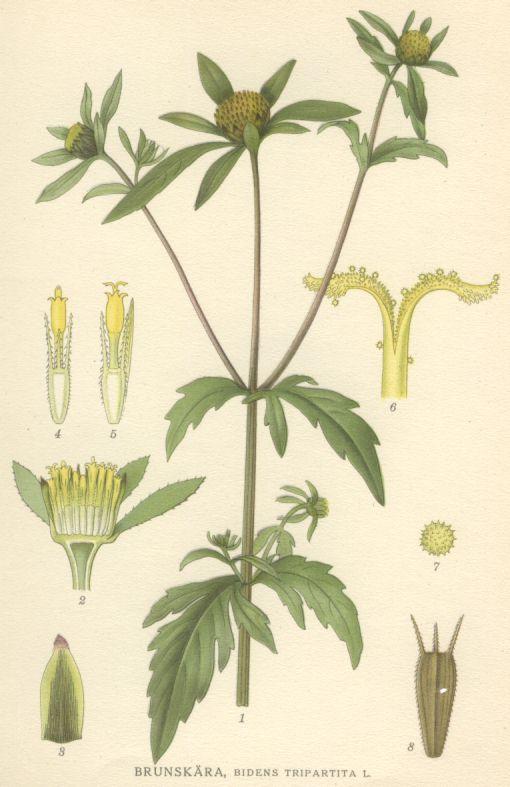
Bidens
Bidens is a large genus of flowering plants in the aster family, Asteraceae. Known for their cheerful yellow, daisy-like flowers, they are exceptionally resilient, thrive in full sun, and are popular choices for hanging baskets, borders, and pollinator gardens.
Periwinkle
Periwinkle is a popular evergreen trailing ground cover known for its glossy dark green leaves and vibrant blue-purple pinwheel-shaped flowers. It thrives in shaded areas and spreads quickly.
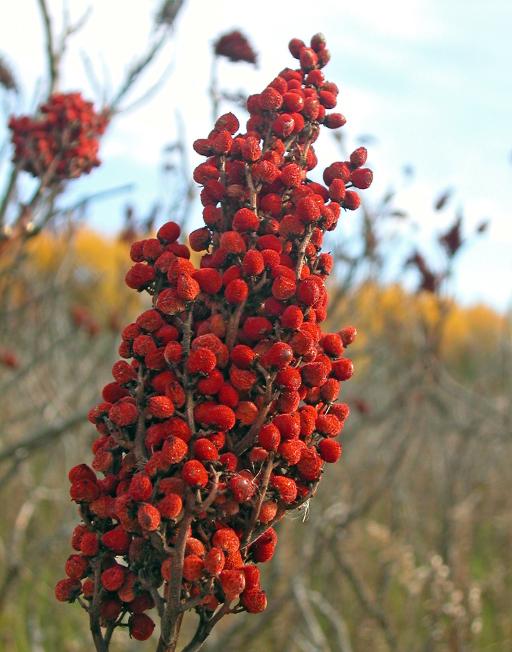
Sumac
Sumac is a shrub or small tree belonging to the cashew family, Anacardiaceae. Known for its vibrant red autumn foliage and conical clusters of fuzzy red berries, sumac is widely valued for ornamental use, wildlife support, and culinary or medicinal applications.
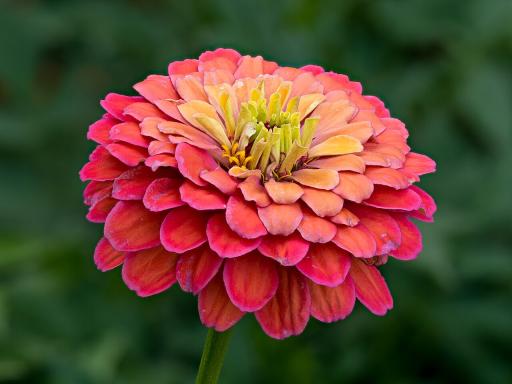
Zinnia
Zinnias are popular garden plants with bright, daisy-like flower heads that come in a wide variety of vivid colors. They are extremely easy to grow, blooming profusely from summer until the first frost.
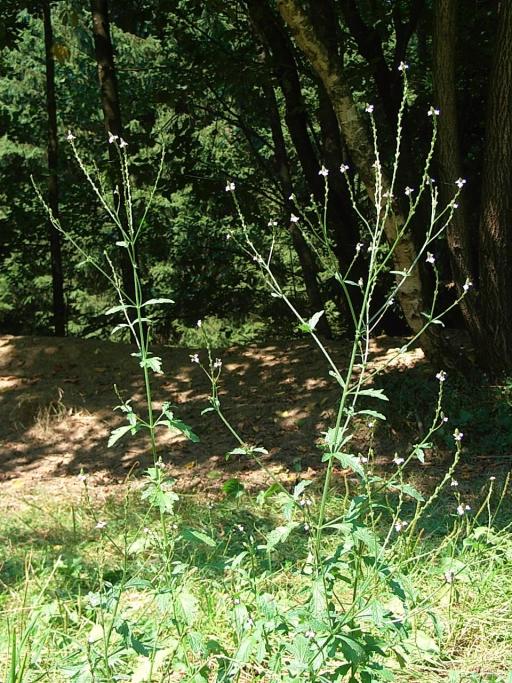
Verbena
Verbena is a genus of flowering plants containing about 250 species of annual and perennial herbs or semi-woody plants, widely known for their clusters of brightly colored flowers that attract pollinators.
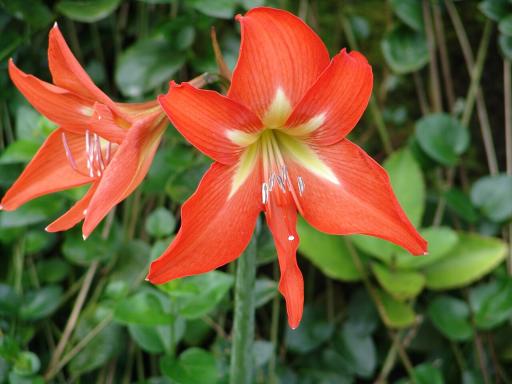
Amaryllis
Amaryllis is a popular bulbous plant known for its large, striking, trumpet-shaped flowers that bloom in vibrant shades of red, pink, white, and orange during the winter and spring months.

Wisteria
Wisteria is a genus of flowering plants in the legume family, Fabaceae, that includes ten species of woody climbing vines native to the Eastern United States and to countries in East Asia such as China, Korea, and Japan. They are widely cultivated for their cascading clusters of fragrant purple, pink, or white flowers.