Is Boston Fern toxic to pets?
No, Boston Fern is generally safe for pets.
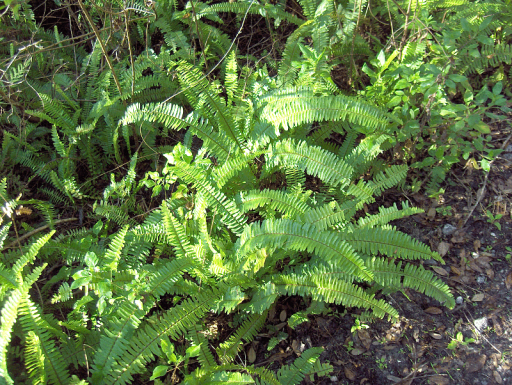
Nephrolepis exaltata
Identified By Unknown Guest
The Boston Fern is one of the most popular and classic houseplants known for its lush, graceful fronds and vibrant green color. Originating from tropical regions, this fern thrives in humid environments with indirect sunlight and consistently moist soil. It is widely celebrated for its ability to enhance indoor air quality by effectively filtering out common household toxins. While it requires a bit of attention regarding humidity levels, keeping it in a cool room away from harsh drafts ensures it remains a stunning decorative centerpiece in homes and offices.
Climate: Thrives in warm, humid climates with filtered sunlight and constant moisture availability throughout the year.
Provide bright, indirect sunlight. Direct sunlight will scorch the delicate fronds.
Use a rich, organic, well-draining potting mix. Feed with a balanced liquid fertilizer diluted to half strength monthly during spring and summer.
Regularly remove dead, brown, or damaged fronds from the base of the plant to encourage healthy new growth.
The Boston Fern requires consistently moist soil to thrive and maintain its vibrant green appearance. Water the plant thoroughly whenever the top layer of the soil feels slightly dry to the touch, making sure never to let the root ball dry out completely. However, ensure that the pot features adequate drainage holes to prevent the roots from sitting in stagnant water, which can quickly lead to fatal root rot issues.
To propagate a healthy Boston Fern through division, gently remove the mature plant from its container during the spring repotting season. Carefully inspect the root ball and tease apart the natural clumps using your hands or a clean, sharp knife, ensuring that each separate section retains several healthy fronds and a robust root system. Plant each newly divided section individually into a suitable, moisture-retentive potting mix, water them thoroughly to settle the soil around the roots, and place them in a warm, humid environment with indirect light until established.
Foliage turns yellow, wilts unexpectedly, and the fronds drop off easily. The root system becomes brown, mushy, and emits a foul odor due to excessive moisture and lack of oxygen.
Remove the plant from its container, gently wash away the heavily damaged and decaying roots using lukewarm water, and prune away any dead fronds. Repot the fern into fresh, well-draining soil and adjust your watering habits immediately.
Always use a well-aerated potting mix and ensure your planter pot contains functional drainage holes. Allow the top soil to dry slightly between watering sessions and never let excess water pool in the saucer beneath.
The Boston Fern is widely recognized as one of the most effective natural air-purifying houseplants available for indoor environments. Scientific studies and observations indicate that this leafy green fern excels at removing common indoor air pollutants such as formaldehyde, xylene, and toluene from the surrounding atmosphere. In addition to filtering out these unwanted chemical toxins, the Boston Fern acts as a natural humidifier by releasing significant amounts of moisture through transpiration, which can greatly improve respiratory comfort and alleviate dry skin during harsh winter months inside heated homes.
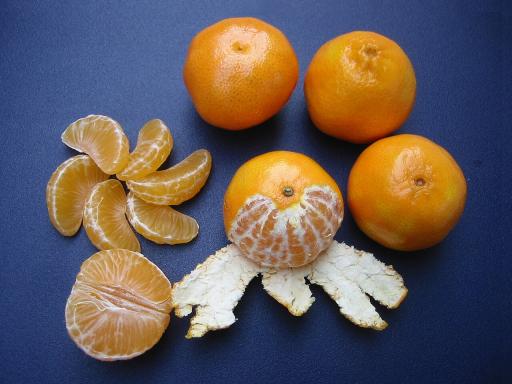
The clementine is a delightful citrus fruit tree that is widely cultivated for its sweet, seedless, and easy-to-peel fruits. Believed to be a natural hybrid between a mandarin orange and a sweet orange, this compact evergreen tree thrives in warm, subtropical climates with plenty of sunshine and well-draining soil. Clementines are highly prized in home gardens and commercial orchards alike, offering both ornamental beauty with their glossy dark green foliage and fragrant white blossoms, and delicious nutritional value through their vitamin-rich fruit.
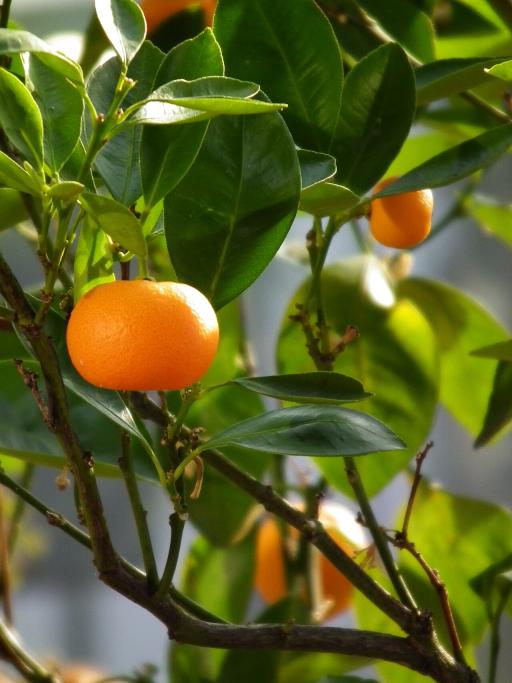
The mandarin orange, scientifically known as Citrus reticulata, is a small citrus tree species with fruit resembling other orange species. Mandarins are usually eaten plain or in fruit salads. Tangerines are a group of mandarin orange varieties. The tree is tender, drought-sensitive, and thrives best in subtropical and tropical climates. It features glossy evergreen leaves and fragrant white flowers that eventually develop into sweet, easily peelable citrus fruits. They require ample sunlight, well-draining soil, and consistent care to produce bountiful harvests of juicy, vitamin-rich fruits.
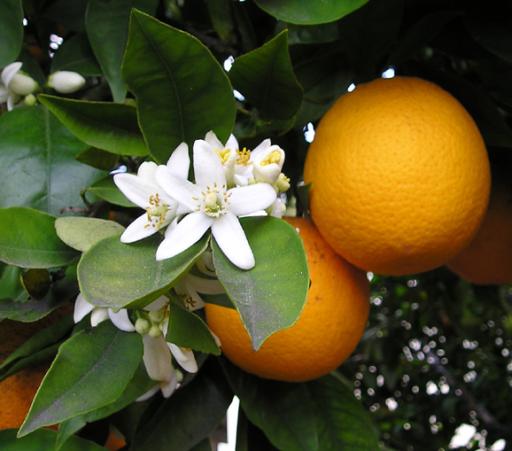
The sweet orange, scientifically known as Citrus sinensis, is a widely cultivated fruit tree belonging to the Rutaceae family. Originating from tropical Asia, it has become a staple in orchards worldwide, prized for its juicy, vitamin-rich citrus fruits that are consumed fresh or processed into juice. The tree typically features glossy, evergreen dark green leaves, fragrant white blossoms, and rounded fruits that transition from green to vibrant orange upon ripening. Sweet orange trees thrive in subtropical to tropical climates with ample sunlight and well-draining soil. Beyond its delicious fruit, the plant holds significant economic and cultural value globally.
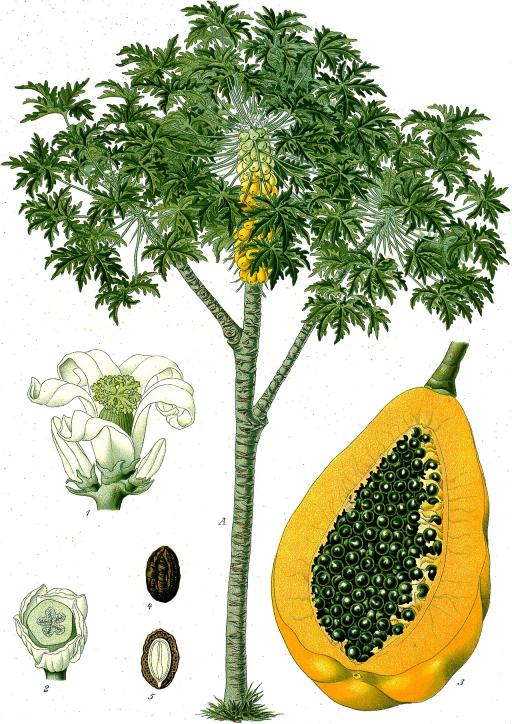
The papaya is a large, fast-growing herbaceous plant rather than a true tree, featuring a single unbranched stem topped with deeply lobed leaves. Native to the tropics of the Americas, it produces large, edible yellow-to-orange fleshed fruits packed with numerous black, peppercorn-like seeds. The plant thrives in warm climates with high sunlight and well-draining soil. Papaya fruit is globally renowned for its sweet flavor, tenderizing enzymes such as papain, and dense nutritional profile rich in vitamins C and A, making it a staple in tropical agriculture and global cuisine alike.
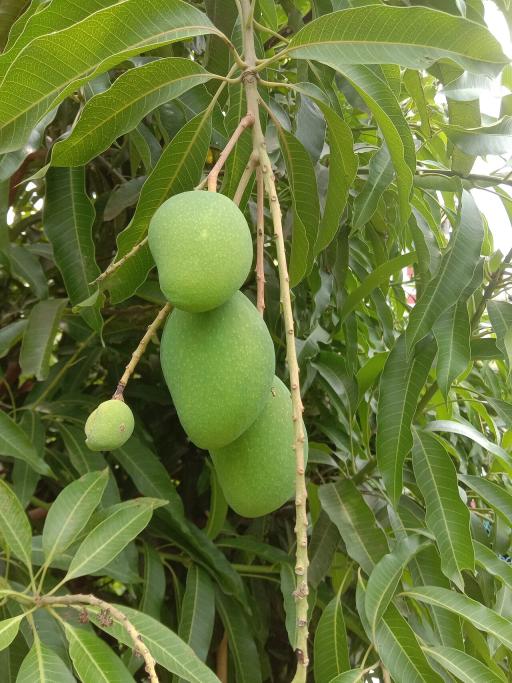
The mango is a succulent stone fruit produced by the tropical tree Mangifera indica, which is believed to have originated from the region between northwestern Myanmar, Bangladesh, and northeastern India. Cultivated for thousands of years, mango trees are large evergreen canopies that can grow up to 30 meters tall. The fruit is globally renowned for its sweet flavor, vibrant color, and rich nutritional profile. It holds significant cultural importance in various traditions across South Asia and is considered the national fruit of several countries. Beyond direct consumption, mangoes are utilized extensively in culinary applications, ranging from chutneys and smoothies to desserts and salads, making them one of the most widely consumed tropical fruits in the entire world.
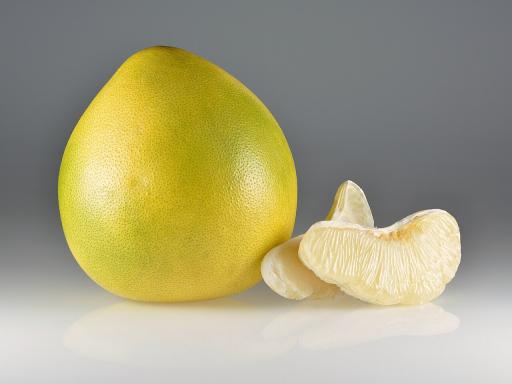
The pomelo, scientifically known as Citrus maxima, is the largest citrus fruit and the natural ancestor of the modern grapefruit. Native to Southeast Asia, this majestic evergreen tree produces large, thick-rinded fruits with sweet, juicy vesicles inside that are widely enjoyed fresh or used in various culinary preparations. The tree features glossy, dark green leaves and fragrant white flowers that bloom profusely during the spring season. Cultivating a pomelo tree requires a warm tropical or subtropical climate, abundant sunshine, and well-draining soil to thrive and produce its signature oversized, delicious fruits.
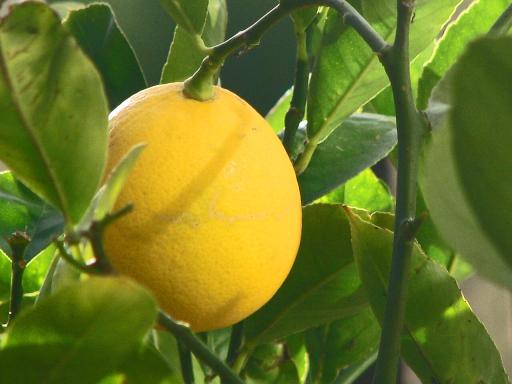
The Meyer lemon is a popular citrus fruit native to China, widely believed to be a cross between a traditional lemon and a sweet orange or mandarin. It is cherished by home gardeners and culinary enthusiasts alike for its unique fruit, which is sweeter, rounder, and less acidic than standard grocery store lemons. The skin is deep yellow to slightly orange when fully ripe, and the flesh is exceptionally juicy and fragrant. Grown as an attractive evergreen shrub or small tree, it features glossy dark green leaves and intensely fragrant white blossoms that can appear year-round in optimal climates. While it can thrive outdoors in warm Mediterranean regions, its manageable size and container adaptability make it a favorite indoor-outdoor plant in cooler climates worldwide.
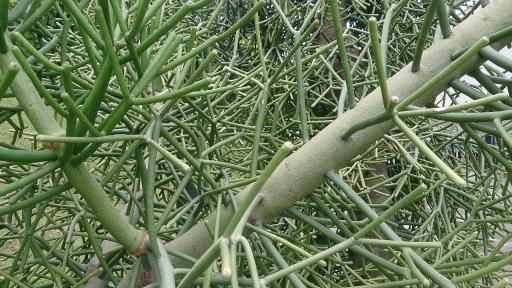
The Pencil Cactus, scientifically known as Euphorbia tirucalli, is a striking succulent shrub native to semi-arid tropical regions of Africa. Characterized by its cylindrical, pencil-thin green branches that can develop vibrant coral or red tips when exposed to bright sunlight, this resilient plant makes a dramatic architectural statement in indoor and outdoor settings. Belonging to the diverse Euphorbiaceae family, it thrives in warm climates and requires minimal moisture once established, making it exceptionally popular for drought-tolerant xeriscaping and modern interior decoration. However, despite its appealing sculptural form and low maintenance requirements, all parts of the plant contain a highly toxic milky latex sap that can cause severe skin irritation, temporary blindness upon eye contact, and significant systemic toxicity if ingested by humans or animals.
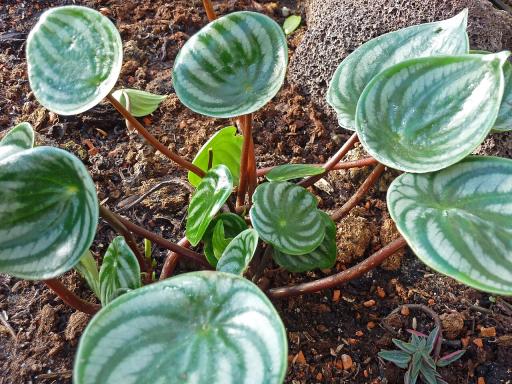
The Watermelon Peperomia, scientifically known as Peperomia argyreia, is a delightful and compact perennial plant native to the rainforests of South America, including Brazil, Bolivia, and Ecuador. It is celebrated for its striking, ornamental foliage featuring distinctive silver and dark green stripes that remarkably resemble the rind of a miniature watermelon. Growing typically up to 20 to 30 centimeters in height, this charming epiphyte or lithophyte thrives as an exceptional indoor houseplant due to its manageable size and non-demanding growth habits. It prefers bright, indirect sunlight and well-draining soil, making it a favorite for tabletops, terrariums, and indoor plant enthusiasts looking to add a splash of tropical uniqueness to their living spaces.
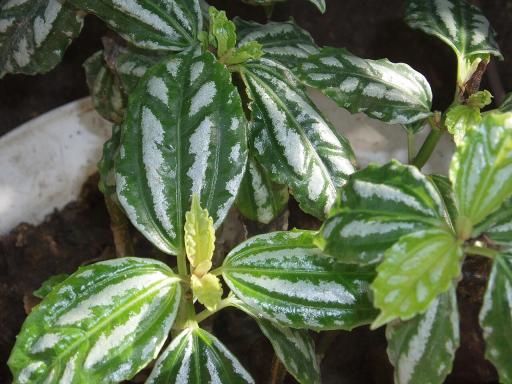
The Aluminum Plant, scientifically known as Pilea cadierei, is a popular and visually striking tropical herbaceous perennial native to Vietnam and parts of China. It belongs to the Urticaceae family and is widely cultivated as an indoor houseplant due to its uniquely patterned foliage. The dark green leaves feature distinctive, bright silvery-white metallic patches that look as though they have been painted or splashed with aluminum, giving the plant its common name. Growing to a modest height, it has a bushy yet somewhat trailing habit, making it exceptionally well-suited for hanging baskets, terrariums, or tabletop containers where its striking texture can be admired up close.
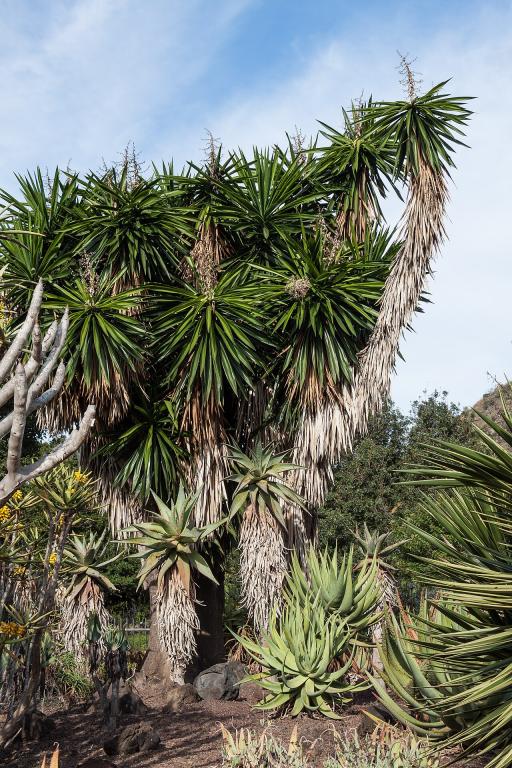
The Yucca Cane, scientifically known as Yucca elephantipes, is a remarkably popular and resilient indoor and outdoor plant appreciated for its striking architectural appearance, featuring sword-shaped green leaves cascading from thick, woody trunks. Native to Central America and Mexico, this hardy evergreen adapts exceptionally well to indoor household environments, tolerating neglect and varying light conditions better than many other tropical houseplants. It thrives in bright, indirect light and requires minimal watering due to its exceptional drought tolerance. The plant's sturdy structure and tropical yet clean aesthetic make it a favored choice for modern interior decoration, offices, and patios alike, providing a touch of natural elegance with very low maintenance demands.
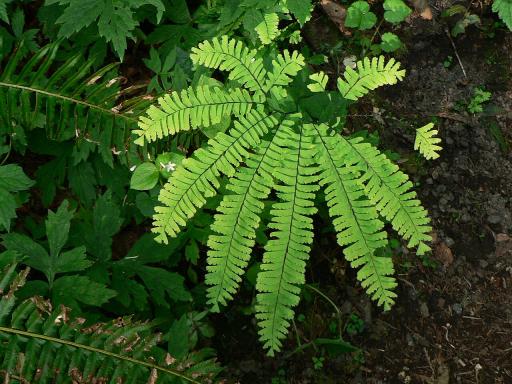
The Maidenhair Fern is widely celebrated for its exquisite, delicate fronds featuring fan-shaped leaflets and contrasting dark, wiry stems that resemble human hair, which inspires its charming common name. As a member of the Pteridaceae family, this elegant plant thrives naturally in damp, shaded woodland environments, alongside streams, and on moist rock crevices across temperate and tropical regions worldwide. Cultivating a maidenhair fern indoors requires meticulous attention to environmental parameters, particularly maintaining consistently high humidity and moist soil conditions to prevent the fragile foliage from drying out and turning brown. Despite its notoriously delicate appearance and reputation for being demanding in standard indoor settings, providing the correct balance of filtered indirect sunlight, well-draining organic rich soil, and protection from cold drafts rewards enthusiasts with a stunning, lush botanical display that dramatically elevates interior aesthetics.
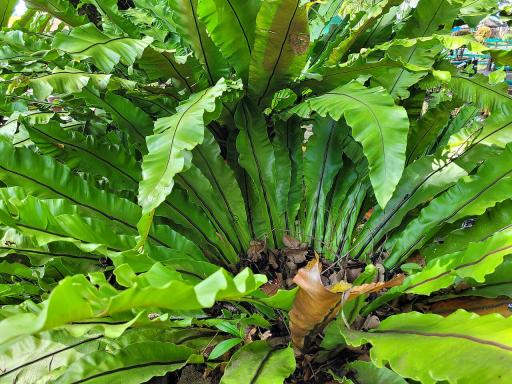
The Bird's Nest Fern, scientifically known as Asplenium nidus, is a striking epiphytic fern native to tropical and subtropical rainforests across southeastern Asia, eastern Australia, and Polynesia. Characterized by its bright green, shiny, undivided fronds that emerge from a central, fuzzy rosette, it closely resembles a bird's nest. As an indoor plant, it adds a lush, tropical aesthetic to living spaces and bathrooms alike, thriving exceptionally well in high humidity and indirect light conditions. Unlike many other ferns that feature feathery, delicate fronds, Asplenium nidus offers broad, paddle-shaped leaves that can grow quite large. Proper care involves keeping the soil consistently moist without waterlogging, avoiding direct sun which can scorch the delicate leaves, and maintaining warm ambient temperatures year-round to mimic its natural rainforest habitat.
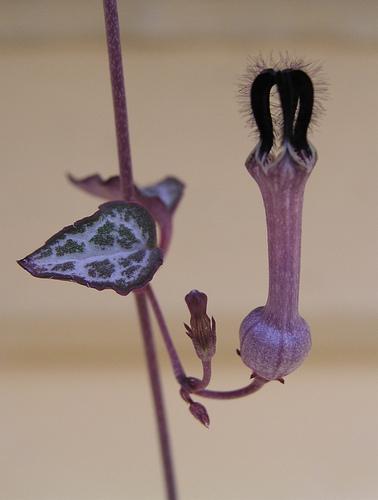
The String of Hearts, scientifically known as Ceropegia woodii, is a charming trailing succulent-like vine native to southern Africa. It belongs to the Apocynaceae family and is widely celebrated for its delicate, heart-shaped leaves that feature a mesmerizing marbled silver and green pattern above, with a deep purplish-magenta underside. The slender, wire-like stems can cascade gracefully for meters, making it an exceptionally popular choice for hanging baskets, high shelves, and macrame plant holders. Because it stores water in its thick leaves, tuberous bases, and specialized nodes along the vines, it is remarkably drought-tolerant and well-suited for indoor environments where owners occasionally forget to water. It produces unique, tubular flowers resembling tiny brownish-purple lanterns or parachutes. With minimal care, bright indirect light, and a well-draining soil mix, this resilient houseplant will thrive and multiply rapidly, offering an aesthetically pleasing botanical display for plant enthusiasts of all skill levels.
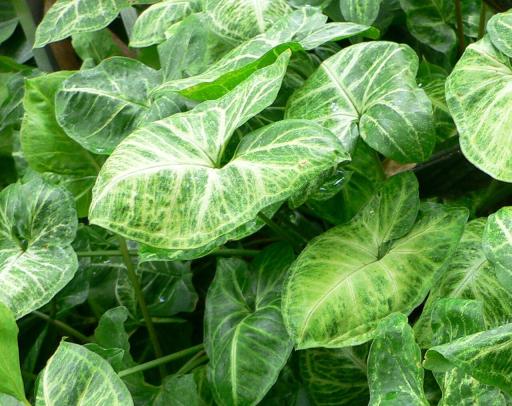
The Arrowhead Vine, scientifically known as Syngonium podophyllum, is a popular tropical epiphyte native to the rainforests of Central and South America. Renowned for its striking, arrow-shaped leaves that change shape as the plant matures, this versatile houseplant is exceptionally favored for indoor cultivation. Juvenile plants typically feature compact, heart-to-arrow-shaped leaves adorned with varying variegations of green, white, pink, or cream, while mature plants develop deeply lobed, climbing vines that can attach to supports. Thriving in bright, indirect light and warm, humid conditions, the Arrowhead Vine is not only celebrated for its ornamental beauty and ability to brighten indoor spaces, but it is also recognized for its air-purifying qualities, effectively filtering indoor pollutants and contributing to a healthier living environment.
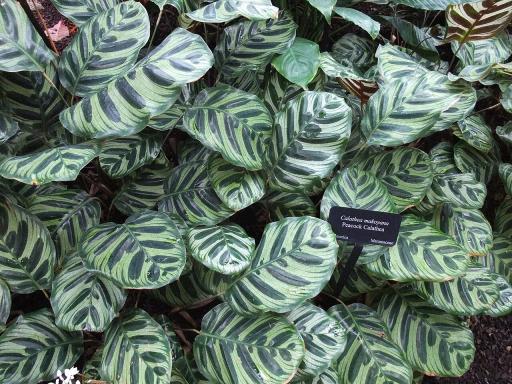
The Peacock Plant, scientifically known as Goeppertia makoyana (formerly Calathea makoyana), is a stunning tropical perennial native to the rainforests of southeastern Brazil. Renowned for its highly ornamental foliage, it features translucent, pale green leaves adorned with deep green blotches and dark reddish-purple undersides. This mesmerizing pattern resembles a peacock's tail feathers, hence its common name. As a member of the Marantaceae family, it is also famous for its nyctinasty, meaning its leaves fold upward at night like praying hands and open again in the morning to greet the sun. Thriving best in warm, humid environments with bright, indirect light, the Peacock Plant makes an exceptional indoor statement piece.
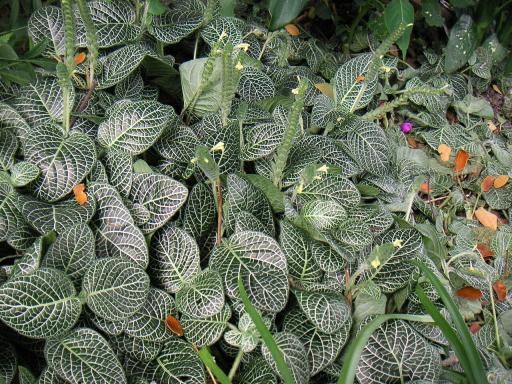
The nerve plant, scientifically known as Fittonia albivenis, is a charming and popular tropical perennial grown extensively for its striking foliage. Native to the rainforests of South America, primarily Peru, it is celebrated for its deep green leaves intricately veined with contrasting shades of white, pink, or red. Because of its native habitat, this delightful houseplant thrives in warm, humid environments and requires consistent moisture to maintain its vibrant appearance. When it lacks water, the plant famously dramatizes its thirst by dramatically drooping, only to bounce back remarkably fast after a thorough watering. It is a compact, low-growing creeper, making it an ideal candidate for terrariums, bottle gardens, and indoor containers where humidity can be easily regulated and maintained at optimal levels.
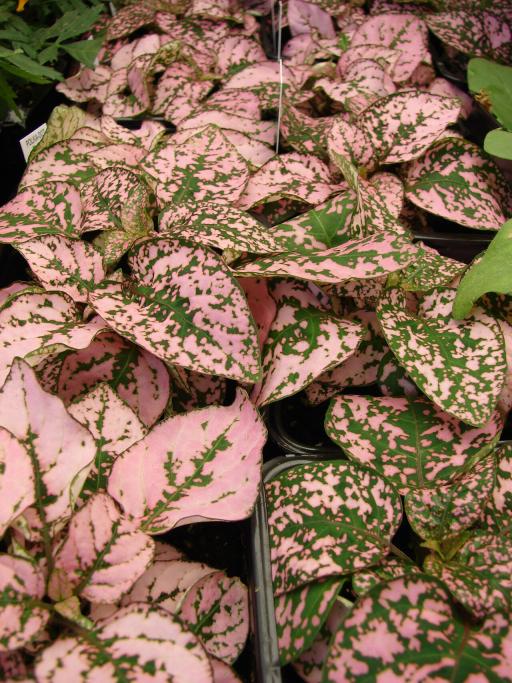
The Polka Dot Plant, scientifically known as Hypoestes phyllostachya, is a charming and vibrant tropical perennial prized for its uniquely speckled foliage. Native to Madagascar, South Africa, and Southeast Asia, this popular houseplant features soft green leaves heavily splashed with contrasting shades of pink, white, red, or purple. It typically grows as a compact, bushy herb, making it an exceptional choice for indoor tabletops, terrariums, or shaded outdoor garden beds in warm climates. While relatively easy to care for, it thrives best in bright, indirect sunlight and consistently moist, well-draining soil to maintain its vivid coloration and prevent leggy growth.

The Wax Begonia, scientifically known as Begonia semperflorens-cultorum, is a popular and versatile ornamental plant cherished for its glossy, succulent foliage and continuous clusters of delicate flowers in shades of pink, red, white, and bicolors. Typically grown as an annual in temperate climates, it thrives in garden beds, borders, hanging baskets, and indoor containers. Its compact, mounding growth habit and resilience against varying weather conditions make it a favorite among landscapers and home gardeners alike. Wax begonias require well-draining soil, moderate watering, and bright indirect light to full sun depending on the climate to maintain their vibrant appearance throughout the growing season.
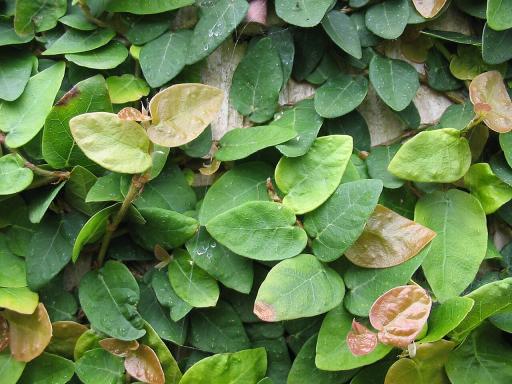
The creeping fig, scientifically known as Ficus pumila, is a vigorous, self-clinging evergreen vine belonging to the mulberry family, Moraceae. Native to East Asia, including China, Japan, and Vietnam, it is exceptionally well-known for its ability to adhere tightly to walls, fences, and various vertical surfaces using tiny, aerial rootlets. Juvenile foliage features small, heart-shaped or ovate leaves that create a delicate, lace-like tapestry against masonry. As the plant matures and reaches the top of its climbing surface, it transitions to producing larger, leathery adult leaves along with distinctive, pear-shaped figs. It is widely cultivated both as an outdoor groundcover or wall climber in warmer climates and as a popular hanging basket or terrarium plant indoors due to its adaptability, fast growth rate, and attractive lush green appearance.
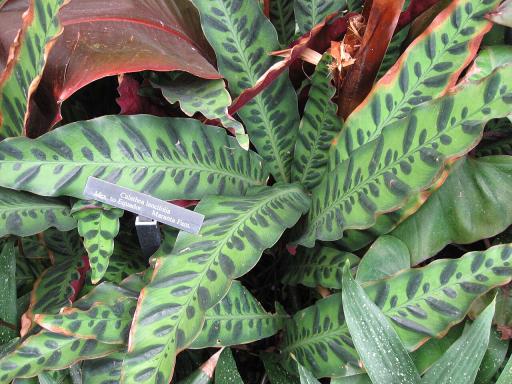
The Rattlesnake Plant, scientifically known as Goeppertia insignis (formerly Calathea lancifolia), is a stunning tropical perennial celebrated for its remarkably decorative foliage. Native to the rainforests of Brazil, it features long, slender, wavy-edged light green leaves adorned with striking dark green, oblong blotches that alternate along the midrib, resembling the pattern of a rattlesnake skin. The underside of each leaf displays a rich, deep purple color. As a member of the Marantaceae family, it is also known as a prayer plant because its leaves fold upward slightly at night and flatten out again during the day in a circadian movement known as nyctinasty. Thriving in warm, humid environments with bright, indirect light, the Rattlesnake Plant makes an exceptional indoor decorative houseplant, adding an exotic and vibrant touch to living spaces while remaining completely safe for household pets.

The Christmas Cactus is a popular, festive houseplant belonging to the Cactaceae family, known for its striking tubular flowers that bloom in shades of pink, red, purple, and white during the winter months. Unlike desert cacti, this epiphytic plant originates from the coastal mountains of southeastern Brazil, where it grows on trees and in shaded rocky crevices. Consequently, it prefers humid environments, indirect sunlight, and regular moisture rather than arid conditions. With proper care, including specific light and temperature triggers to encourage blooming, a Christmas Cactus can live for decades, often being passed down through generations as a cherished family heirloom plant.

The Dragon Tree, scientifically known as Dracaena draco, is a striking and distinctive subtropical tree native to the Canary Islands, Cape Verde, Madeira, and parts of western Morocco. Renowned for its umbrella-like canopy and thick, succulent-like trunk that oozes a reddish resin known as dragon's blood, this remarkable plant holds significant botanical and historical importance. It grows very slowly, often taking decades to reach maturity, but can eventually attain impressive heights with massive, sculptural branching patterns. As a popular ornamental plant, it adapts well to container growth in cooler climates and thrives as a resilient landscape specimen in Mediterranean and subtropical regions.
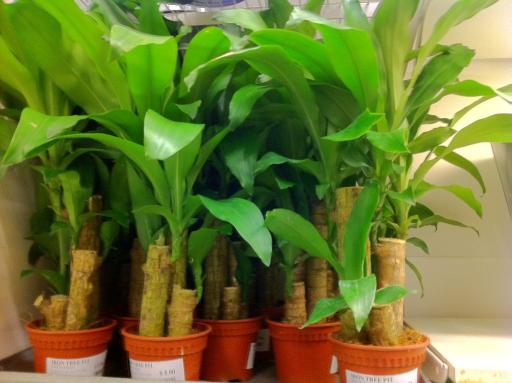
The Corn Plant, scientifically known as Dracaena fragrans, is a very popular indoor foliage houseplant admired for its lush, tropical appearance and remarkable resilience. Native to tropical regions of Africa, this resilient shrub features long, arching green leaves that often display a lighter yellowish-green stripe down the center, bearing a strong resemblance to traditional corn leaves, hence its common name. As it matures, it develops a sturdy, woody cane-like stem that can grow quite tall indoors, making it an excellent statement piece for living rooms, offices, and large entryways. Beyond its stunning aesthetic appeal, the corn plant is widely celebrated for its exceptional ability to purify indoor air by filtering out common household toxins like formaldehyde, benzene, and trichloroethylene, thereby contributing to a healthier and more refreshing indoor living environment for you and your family.