Is Swedish Ivy toxic to pets?
No, Swedish Ivy is generally safe for pets.
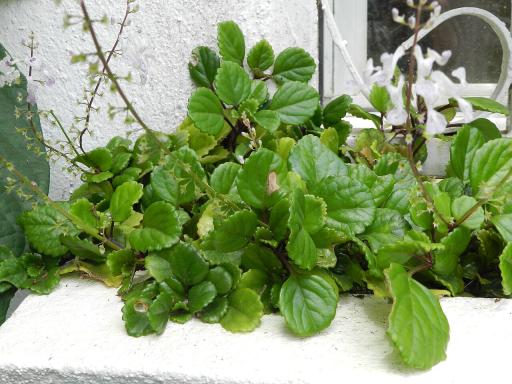
Plectranthus verticillatus
Identified By Unknown Guest
Swedish Ivy is a popular indoor trailing houseplant known for its glossy, scalloped green leaves and vigorous growth habit. Despite its common name, it is native to Southeast Africa rather than Sweden.
Climate: Warm, humid environments with indirect light.
Water thoroughly when the top 2-3 cm of soil feels dry to the touch. Reduce watering slightly during winter months.
Provide bright, indirect sunlight. Avoid harsh direct sunlight which can scorch the leaves.
Use a well-draining potting mix. Feed with a balanced liquid fertilizer every 4 weeks during the active growing season (spring and summer).
Pinched tips regularly to encourage bushier growth and prevent the plant from becoming leggy.
Take a 10 cm stem cutting, remove lower leaves, and place it in water or moist potting soil until roots develop.
Yellowing leaves, wilting, and mushy dark roots caused by overwatering.
Remove affected roots, repot in fresh well-draining soil, and reduce watering frequency.
Ensure the pot has adequate drainage holes and allow soil to dry partially between waterings.
Small green or black insects clustering on new growth and sticky residue on leaves.
Wash the plant with a gentle stream of water or apply insecticidal soap.
Regularly inspect the plant and maintain good air circulation.
Helps improve indoor air quality by filtering common household toxins.
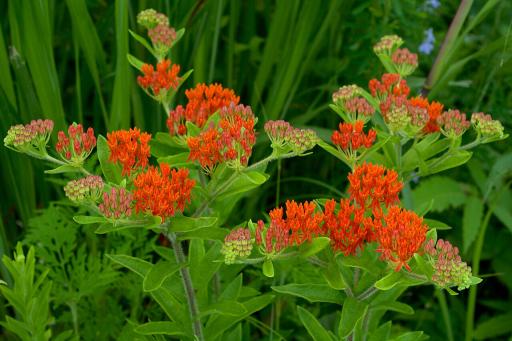
Butterfly Weed, scientifically known as Asclepias tuberosa, is a stunning North American native perennial plant celebrated for its vibrant clusters of bright orange, yellow, or red flowers. Unlike other milkweeds, it lacks milky sap, but it serves as an indispensable host and nectar plant for monarch butterflies and various other pollinators. Thriving in poor, well-draining soils and full sun, this drought-tolerant beauty adds incredible visual appeal to naturalistic gardens, wildflower meadows, and native landscapes while supporting declining pollinator populations.
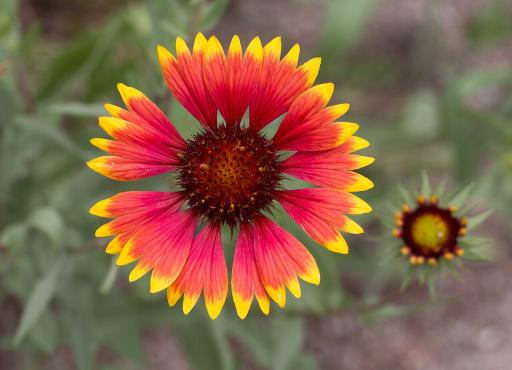
Blanket flower, scientifically known as Gaillardia, is a vibrant and hardy perennial or annual plant belonging to the daisy family, Asteraceae. Native to North and South America, these resilient flowers are celebrated for their striking, fiery blooms featuring shades of red, orange, yellow, and bronze, often with contrasting center disks. They are exceptionally drought-tolerant, thrive in full sun, and bloom continuously from early summer straight through to the first autumn frosts, making them a popular and dependable choice for dry gardens, borders, and attracting diverse pollinators like bees and butterflies.
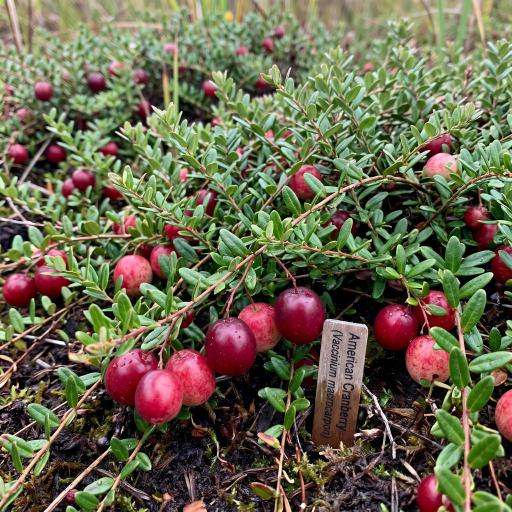
The American Cranberry, scientifically known as Viburnum opulus var. americanum, is a delightful deciduous shrub native to the cool, temperate regions of North America. Renowned for its stunning clusters of white, lacecap-like flowers in spring and brilliant translucent red berries in autumn, this resilient plant serves both ornamental and practical purposes in natural landscaping. Unlike the unrelated true cranberry found in bogs, this highbush variety thrives in well-drained upland soils and woodland edges, offering significant value to local wildlife. Its edible tart fruits are traditionally harvested for making delicious jams, jellies, and sauces after the first frost softens their bold flavor profile, making it a favorite among foragers and gardeners alike.
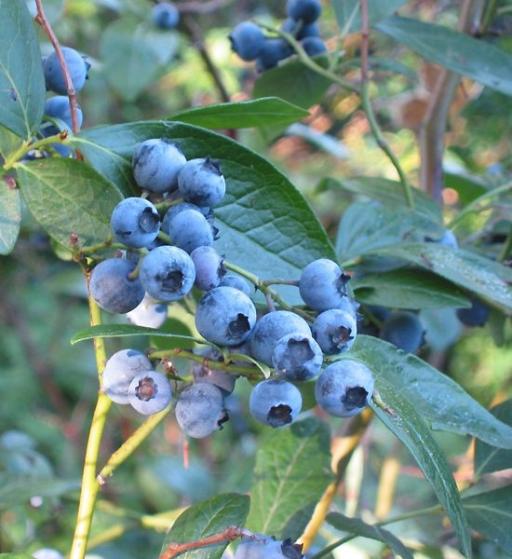
The highbush blueberry is a magnificent deciduous shrub native to eastern and southeastern North America, prized widely for its delicious, nutrient-dense berries and its stunning ornamental value throughout the changing seasons. In spring, the plant blooms with delicate bell-shaped white or pinkish flowers that attract numerous pollinators. As summer progresses, these flowers give way to heavy clusters of sweet, plump, dark blue berries rich in vitamins and antioxidants. During autumn, the foliage transforms into a brilliant display of fiery red and orange hues, making it a favorite landscaping choice. Thriving best in acidic, well-draining soils rich in organic matter, the highbush blueberry requires careful environmental management but rewards dedicated growers with abundant harvests year after year.
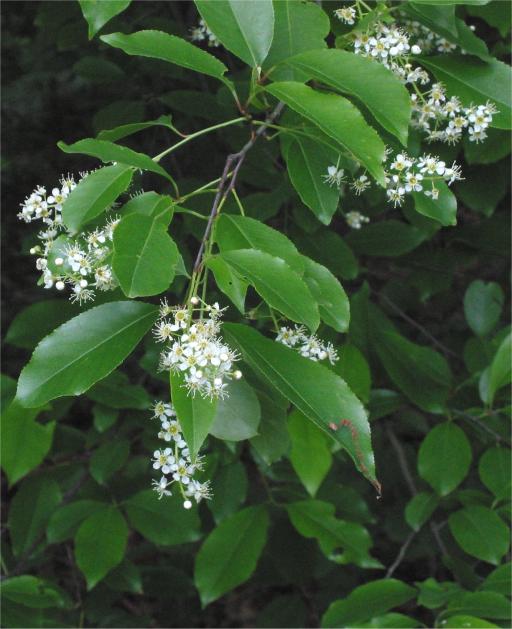
Prunus serotina, commonly known as the black cherry, rum cherry, or mountain black cherry, is a deciduous tree belonging to the rose family, Rosaceae. Native to eastern and central North America, this large tree is renowned for its valuable reddish-brown timber, which is heavily utilized in fine woodworking and cabinetry. In the spring, it produces cascading clusters of fragrant white flowers that attract numerous pollinators, followed by small dark red to black drupes in late summer. These fruits are a vital food source for a wide variety of wildlife, including birds and mammals. Additionally, the bark and leaves have historically been used in traditional herbal remedies, though caution is required due to cyanogenic compounds found in certain parts of the plant.
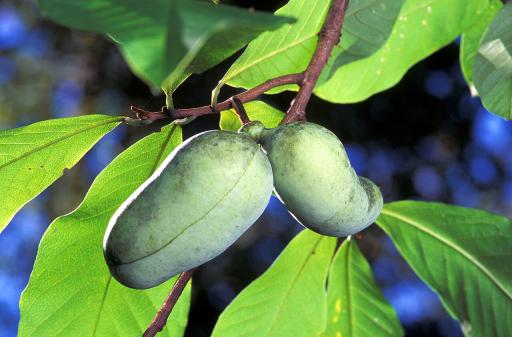
The pawpaw, Asimina triloba, is a small deciduous tree native to eastern North America, renowned for producing the largest edible fruit indigenous to the continent. The fruit has a luscious, custard-like texture and a tropical flavor profile reminiscent of a blend of banana, mango, and cantaloupe. Asimina triloba features large, drooping dark green leaves that turn a striking golden yellow in autumn. This resilient understory tree thrives in temperate climates, preferring rich, moist, and well-draining soils. Beyond its culinary appeal, the pawpaw holds ecological importance as the exclusive larval host plant for the zebra swallowtail butterfly, making it a wonderful addition to native wildlife gardens and sustainable food forests.
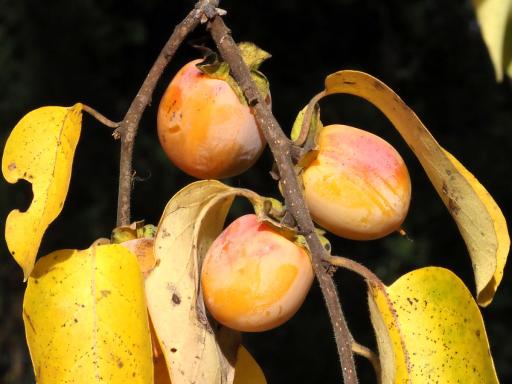
The American Persimmon is a medium-sized deciduous tree native to the eastern and south-central United States, famously known for its sweet, edible fruits that ripen in late autumn. Reaching heights of up to 20 meters, it features deeply furrowed bark, dark green ovate leaves, and inconspicuous greenish-yellow flowers. The fruit is a spherical or oval berry that turns a rich orange or reddish color when fully mature. Unripe fruits contain high concentrations of tannins, making them intensely astringent, but once softened by frost or fully ripened, the flesh becomes remarkably sweet and custardy. This hardy tree thrives in full sun and well-drained soils, providing both ecological benefits to local wildlife and a traditional food source for humans.
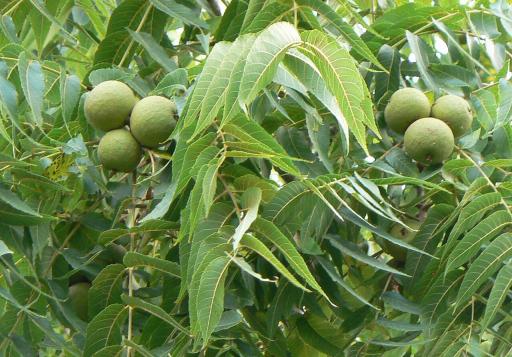
The black walnut, scientifically known as Juglans nigra, is a large deciduous tree native to North America, prized for its exceptionally durable and rich dark-brown heartwood. Beyond its high-value timber used in fine furniture and cabinetry, the tree produces edible nuts enclosed in a thick, semi-fleshy husk. One of its most defining ecological characteristics is the production of juglone, a chemical compound exuded by its roots and leaves that inhibits the growth of many surrounding plant species, creating a natural allelopathic zone. This majestic tree thrives in deep, fertile bottomland soils with abundant moisture and full sunlight, growing into a magnificent canopy that supports diverse wildlife, although careful consideration is required for companion planting in residential gardens.
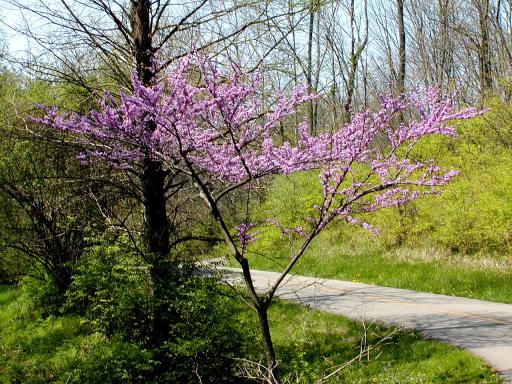
The Eastern Redbud is a magnificent small deciduous tree native to eastern and central North America, celebrated for its breathtaking display of bright pink to purple pea-like flowers that bloom profusely on bare branches in early spring before the heart-shaped leaves emerge. Growing typically to a height of six to nine meters, it features a rounded, graceful canopy that adds exceptional ornamental value to landscapes, gardens, and woodland edges. This versatile tree adapts well to various soil types and provides vital early-season nectar for pollinators such as bees and butterflies. Its stunning seasonal transformations, from vivid spring blossoms to lush summer foliage and vibrant yellow autumn colors, make it a beloved focal point for temperate gardens across multiple hardiness zones.
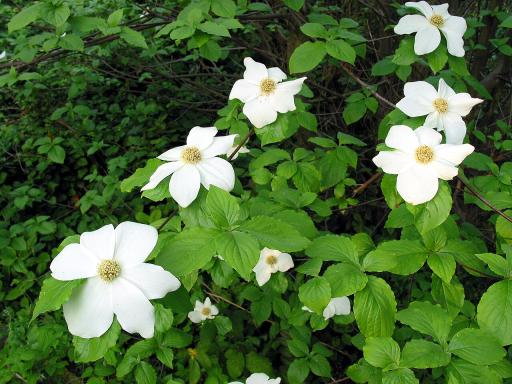
The Pacific Dogwood, scientifically known as Cornus nuttallii, is a magnificent deciduous tree native to the western regions of North America, stretching from British Columbia down to Southern California. Renowned for its breathtaking floral displays in the spring, it features large, showy white bracts that resemble petals surrounding a small, clustered green flower head. In autumn, the tree transitions gracefully, offering brilliant foliage in shades of vibrant orange and red, followed by dense clusters of bright red fruits that provide essential nourishment for local wildlife. Thriving best in temperate woodland environments with moist, well-draining soils, this iconic tree holds significant ecological value and remains a cherished symbol of natural beauty across its native Pacific Northwest habitats.
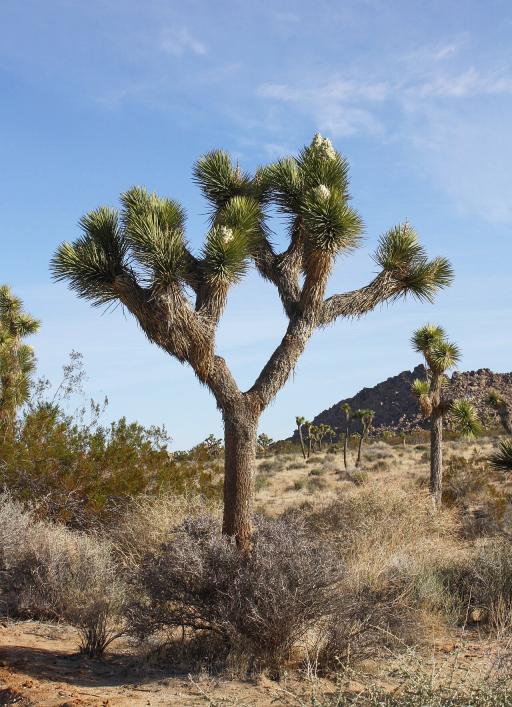
The Joshua Tree, scientifically known as Yucca brevifolia, is an iconic plant species native to the arid deserts of southwestern North America, primarily the Mojave Desert. Characterized by its unique silhouette, spiky leaves, and thick trunk composed of numerous small fibers rather than true annual growth rings, this remarkable succulent tree can live for hundreds of years. It plays a critical ecological role in its native habitat by providing shelter and food for various desert wildlife species, including birds, reptiles, and insects. Thriving under intense sunlight and extreme temperatures, the Joshua Tree is exceptionally adapted to survival in harsh, drought-prone environments.
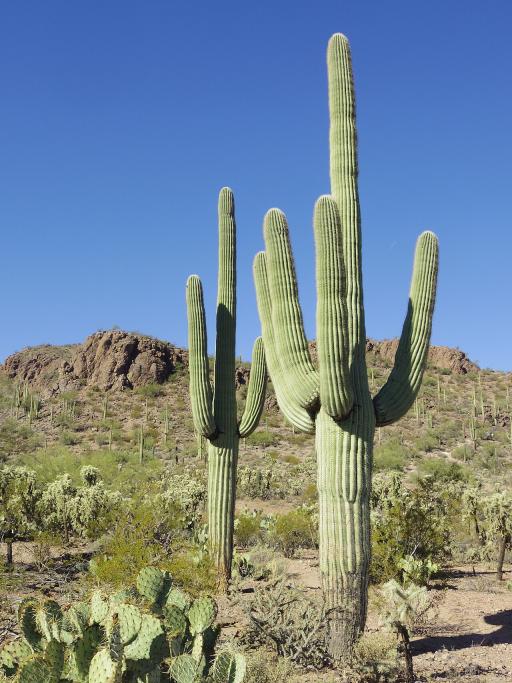
The Saguaro Cactus is a large, tree-shaped cactus species that can grow to be extremely tall, with distinctive arms curving upward as it ages. Native to the Sonoran Desert in Arizona, western Sonora, and a small part of California, it is an iconic symbol of the American West. These slow-growing giants can live for well over a century, developing a complex root system designed to capture scarce rainfall. They feature white, nocturnal flowers that bloom in the spring and produce edible red fruit historically harvested by indigenous peoples. Their massive ribs store large amounts of water, allowing them to survive extreme desert heat and prolonged droughts.

The Douglas Fir is a magnificent, large evergreen conifer native to western North America. Renowned for its towering height, dense pyramid-like shape in youth, and durable timber, it holds immense ecological and economic significance. The tree features needle-like leaves that are soft, flat, and attached to twigs with a distinct raised circular scar resembling a suction cup. Its unique cones possess distinct three-pronged bracts that resemble the hind legs and tail of a mouse hiding under the scales. It thrives in temperate moist regions, adapts to diverse soil types, and serves as a vital habitat for numerous wildlife species, making it a cornerstone of forest ecosystems across its native range.
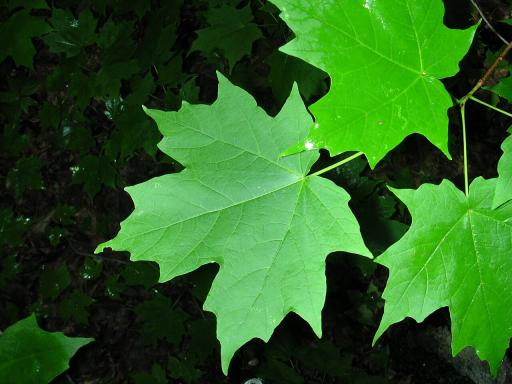
The Sugar Maple is a magnificent deciduous tree native to the hardwood forests of northeastern North America. Renowned for its brilliant autumn foliage displaying vibrant shades of orange, yellow, and red, it is also the primary source for authentic maple syrup production. Reaching impressive heights, this resilient species thrives in temperate climates with deep, well-draining soils. Its dense wood makes it highly valuable in the timber industry for furniture and flooring. Ecologically, it provides vital habitat and food for various wildlife species, making it a cornerstone of northern forest ecosystems and a beloved ornamental shade tree in large landscapes and parks.
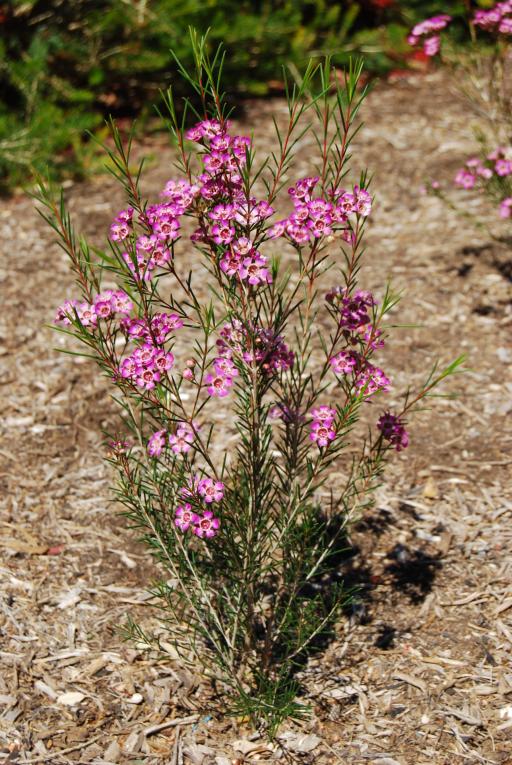
The Geraldton Wax, scientifically known as Chamelaucium uncinatum, is a stunning woody shrub native to the western regions of Australia. Renowned for its abundant and long-lasting waxy flowers that bloom from late winter through to spring, it has become a favorite in ornamental gardens and the commercial cut-flower industry. The plant features needle-like, aromatic leaves that release a pleasant citrus scent when crushed. It is exceptionally resilient in Mediterranean climates, thriving in poor soils and dry conditions once established. Its ability to withstand drought makes it a quintessential choice for water-wise landscaping and coastal gardens.
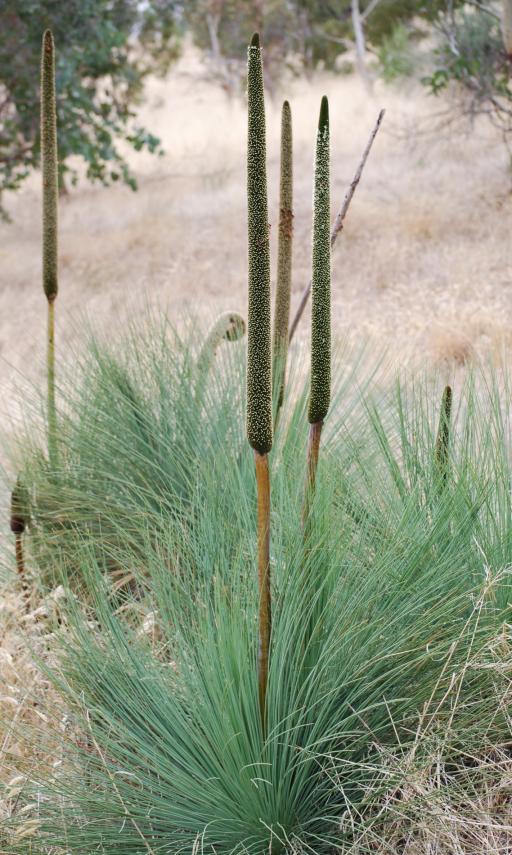
The grass tree, scientifically known as Xanthorrhoea, is an iconic and ancient genus of Australian native plants renowned for its distinctive appearance, featuring a heavy black trunk and a thick crown of long, wiry, grass-like leaves. These remarkable plants are exceptionally slow-growing, sometimes taking decades or even centuries to form a noticeable trunk, and they have adapted remarkably well to the harsh Australian environment by developing impressive fire-resistant properties. Following bushfires, they often put on a dramatic display of massive, spear-like flower spikes covered in small white or cream blossoms that burst into vibrant bloom, attracting a wide array of native pollinators and providing a striking focal point in native gardens.
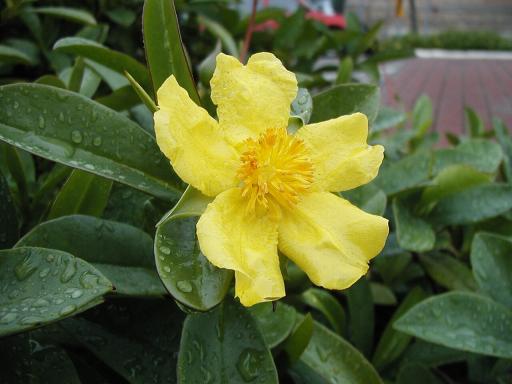
The Golden Guinea Vine, scientifically known as Hibbertia scandens, is a vigorous evergreen climber native to the coastal regions of eastern Australia. Renowned for its large, bright yellow, cup-shaped flowers that resemble minted gold coins, this stunning vine provides a brilliant tropical splash to gardens and landscapes. It features thick, glossy, dark green foliage that remains attractive throughout the entire year. As a versatile scrambling plant, it can be trained to climb fences, trellises, and arbors, or allowed to cascade gracefully over retaining walls as an effective ground cover. It thrives primarily in warm, coastal environments, showing good tolerance to salt spray and sandy soils, though it appreciates consistent moisture and moderate protection from harsh, drying winds during establishment.
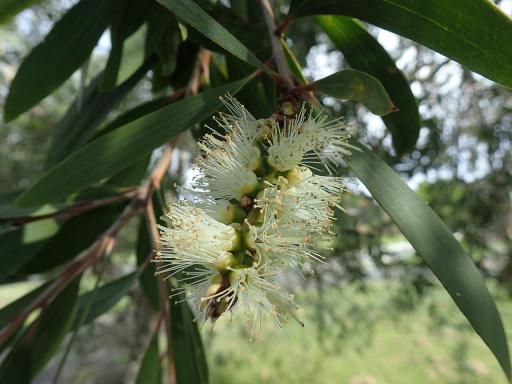
The Broad-Leaved Paperbark, scientifically known as Melaleuca quinquenervia, is a striking and resilient tree native to swampy coastal regions and floodplains of eastern Australia, New Guinea, and parts of New Caledonia. Famous for its thick, whitish, spongy, and papery bark that peels away in layers, this species can reach heights of up to 25 meters in optimal conditions. It produces masses of creamy-white, bottlebrush-like flowers that are a magnet for native wildlife, particularly nectar-feeding birds and insects. Highly adaptable, it thrives in wet soils and waterlogged conditions, making it a popular choice for ecological restoration and urban landscaping, though it can become invasive in certain tropical wetland environments outside its native range.
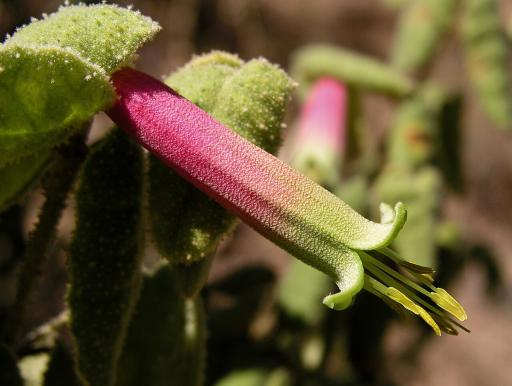
Native Fuchsia, scientifically known as Correa reflexa, is a charming evergreen shrub native to the diverse landscapes of Australia. Renowned for its distinctive, tubular, nodding flowers that resemble traditional fuchsias, this resilient plant belongs to the Rutaceae family. It is a fantastic addition to native Australian gardens, rockeries, and wildlife habitats because its nectar-rich blossoms are a favorite among local honeyeaters and various pollinating insects. The foliage typically features dark green, leathery leaves with a slightly hairy underside, providing year-round structural interest. Thriving in temperate climates, Native Fuchsia is well-adapted to coastal conditions, woodland understories, and dry sclerophyll forests, making it a robust and adaptable choice for gardeners seeking hardy, low-maintenance flora.
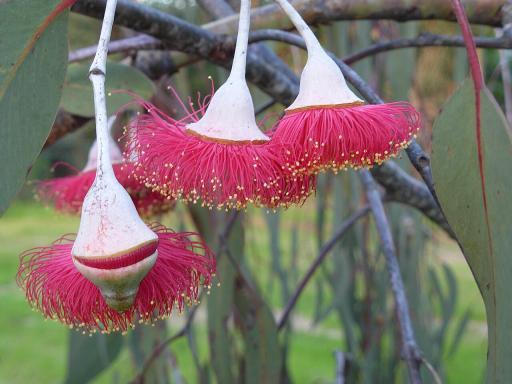
The Silver Princess Eucalyptus, scientifically known as Eucalyptus caesia, is a magnificent weeping small tree native to Western Australia. Renowned for its striking white powdery bark, weeping branches, and stunning pink to red bell-shaped flowers, it has become a favorite ornamental plant in Mediterranean and arid climates around the world. The striking silvery-white bloom on its stems and juvenile leaves gives the tree its charming common name. It typically grows to a modest height, making it ideal for residential gardens, while attracting local wildlife such as nectar-eating birds and beneficial insects with its vibrant floral displays.
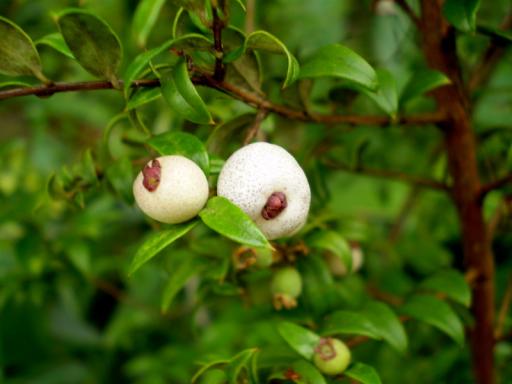
The Midyim Berry, scientifically known as Austromyrtus dulcis, is a delightful and hardy shrub native to the coastal regions of eastern Australia. Belonging to the Myrtaceae family, this low-growing, spreading bush typically features delicate, narrow leaves with a fine texture, lovely white spring flowers, and highly sought-after edible white berries speckled with mauve or purple. These sweet, aromatic fruits have a uniquely spicy-sweet ginger-like flavor that has made them a favorite in bush tucker cuisine. The plant thrives in coastal environments, adapting well to sandy, well-draining soils and coping with moderate coastal winds. Beyond its culinary appeal, the Midyim Berry serves as an exceptional ornamental ground cover or low hedge in native Australian gardens, providing critical habitat and food resources for local wildlife, including native birds and insects.
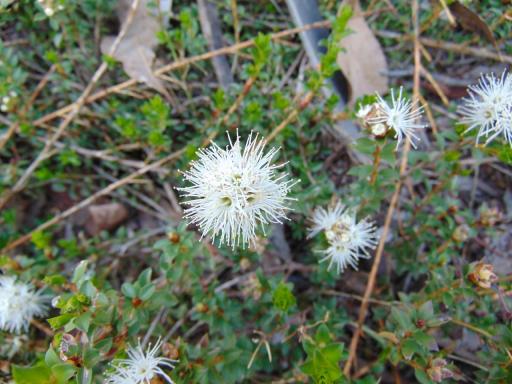
Muntries, scientifically known as Kunzea pomifera, is a low-growing prostrate shrub native to the southern regions of Australia. Traditionally valued by Indigenous Australians for its delicious, spicy-apple flavored edible berries, this hardy plant has gained popularity in contemporary bush food cuisine. The plant typically forms a dense ground cover, featuring small glossy green leaves and producing small white or cream-colored flowers followed by plump, purplish-red berries. It thrives in coastal and mallee environments, showing remarkable resilience to dry conditions once established. Beyond its culinary appeal, Muntries are exceptionally rich in antioxidants, offering significant nutritional benefits that surpass many traditional fruits. Cultivating Muntries requires well-drained soil and adequate sunlight, making them an excellent choice for native gardens and water-wise landscaping projects seeking unique, productive flora.
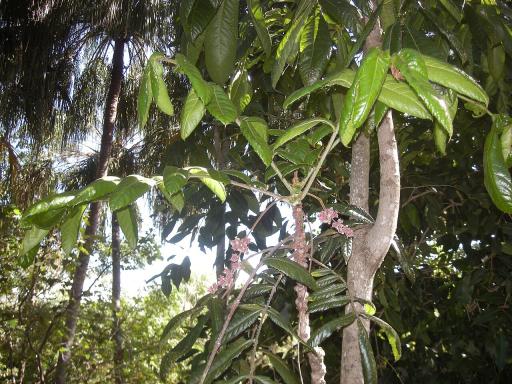
Davidson's Plum is a magnificent small rainforest tree native to the subtropical and tropical regions of Australia. Highly celebrated for its striking dark purple, tart fruits, this understory tree thrives in humid environments with rich, well-draining soils. The fruit grows directly from the trunk and major branches in a characteristic cauliflorous habit. Packed with antioxidants, vitamins, and minerals, the bright red flesh inside the dark skin is exceptionally acidic and is traditionally used to make gourmet jams, sauces, and beverages. In modern horticulture, it is appreciated both as an exotic bush food crop and as an ornamental specimen due to its large, deeply lobed tropical foliage and stunning purple fruit displays.
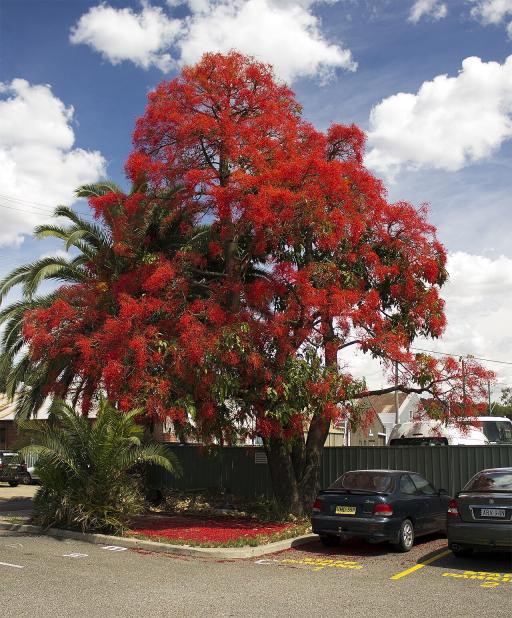
The Illawarra Flame Tree, scientifically known as Brachychiton acerifolius, is a large, spectacular tree native to subtropical regions on the east coast of Australia. It is widely renowned and celebrated for its remarkable flowering habit, during which the tree sheds all of its green foliage and becomes entirely covered in brilliant, bell-shaped red flowers, creating a stunning visual impact in landscapes. Belonging to the Malvaceae family, this tree typically grows to a substantial height with a symmetrical, canopy-forming shape. It features glossy, deeply lobed leaves when in leaf, and produces large, woody seed pods containing edible seeds that were historically utilized by Indigenous Australians. It is a very popular ornamental specimen planted in parks, large gardens, and urban streetscapes around the world due to its incredible seasonal display and moderate adaptability to various growing conditions.