Safety Warnings
Growth & Dimensions
Ideal Environment
Tropical and Subtropical Regions
Climate: Warm, humid climates with consistent temperatures.
Native Regions
Care Guide
Soil and Fertilizer
Use well-draining potting mix. Feed with a balanced liquid fertilizer monthly during the growing season.
Watering
Water when the top 3 cm of soil is dry. Avoid overwatering to prevent root rot.
Sunlight
Provide bright, indirect sunlight. Protect from harsh direct afternoon sun.
Propagation Methods
Cutting
Take a stem cutting with a few leaves, dip in rooting hormone, and plant in moist propagation soil.
Common Diseases & Pests
Root Rot
FungalYellowing leaves, leaf drop, soggy soil, and mushy roots.
Remove affected roots, repot in fresh well-draining soil, and reduce watering frequency.
Ensure proper drainage and let the soil dry slightly between waterings.
Properties & Benefits
Uses & Health Benefits
Air Purification
Effective at filtering indoor air pollutants such as formaldehyde and xylene.
Precautions: Keep away from pets due to toxic sap.
Key Nutrients / Compounds
OTHER PLANTS
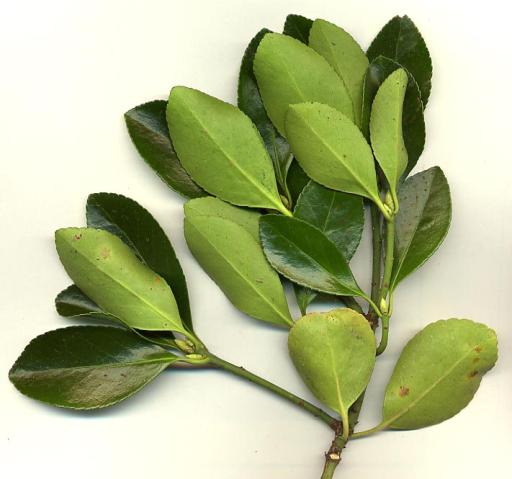
Japanese Spindle
Euonymus japonicus, commonly known as Japanese spindle, is a species of flowering plant in the family Celastraceae, native to Japan, Korea, and China. It is a dense, evergreen shrub widely used for hedges and ornamental landscaping due to its glossy foliage.
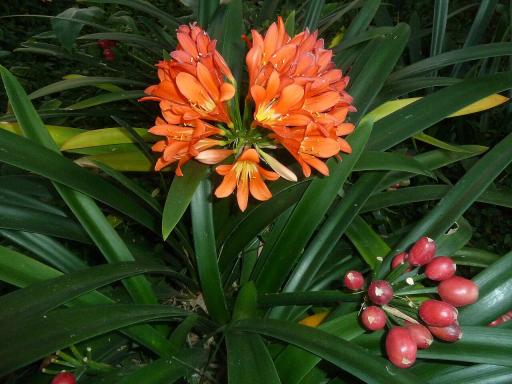
Clivia
Clivia miniata is a popular evergreen perennial plant known for its striking, dark green strap-like leaves and vibrant clusters of orange, red, or yellow trumpet-shaped flowers. It thrives indoors in indirect light and requires minimal care.
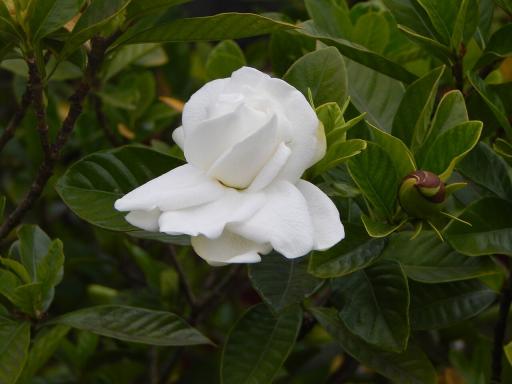
Gardenia
Gardenia is a genus of flowering plants in the coffee family, Rubiaceae, native to the tropical and subtropical regions of Africa, Asia, and the Pacific Islands. They are well known for their strong, sweet scent and glossy green leaves.
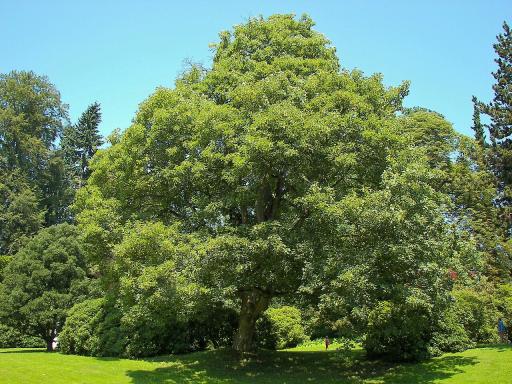
Sycamore Maple
Acer pseudoplatanus, commonly known as the sycamore maple, is a large deciduous tree native to central Europe and southwestern Asia. It is widely planted in parks and gardens for its dense foliage and imposing size.
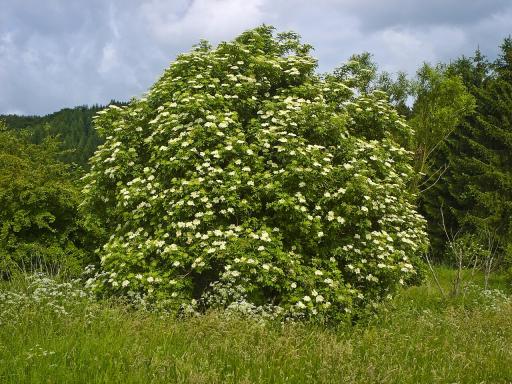
European Elder
Sambucus nigra is a species of flowering plant in the family Adoxaceae, native to most of Europe and North America. It is a large deciduous shrub or small tree bearing clusters of white flowers followed by small black or blue-black berries.
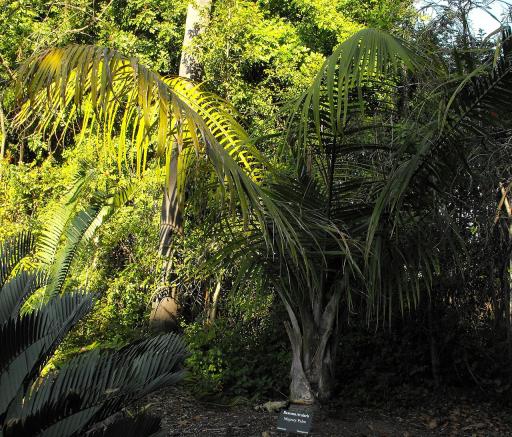
Majestic Palm
The Majestic Palm is a popular indoor and outdoor palm featuring graceful, arching fronds and a smooth trunk. Native to Madagascar, it thrives in high humidity and moist, well-draining soil.

Kentia Palm
The Kentia Palm is a popular, elegant indoor and outdoor palm known for its graceful, drooping dark green fronds. It is exceptionally hardy, adaptable to low light levels, and makes a stunning architectural statement.
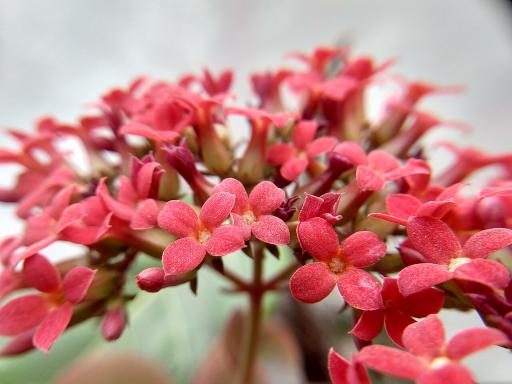
Flaming Katy
Kalanchoe blossfeldiana is a popular, easy-to-care-for succulent houseplant known for its dark green, scalloped leaves and clusters of long-lasting colorful flowers.
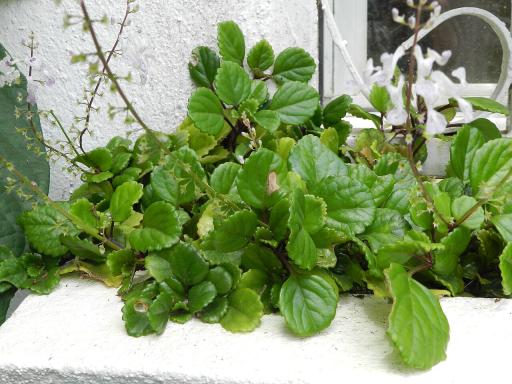
Swedish Ivy
Swedish Ivy is a popular indoor trailing houseplant known for its glossy, scalloped green leaves and vigorous growth habit. Despite its common name, it is native to Southeast Africa rather than Sweden.
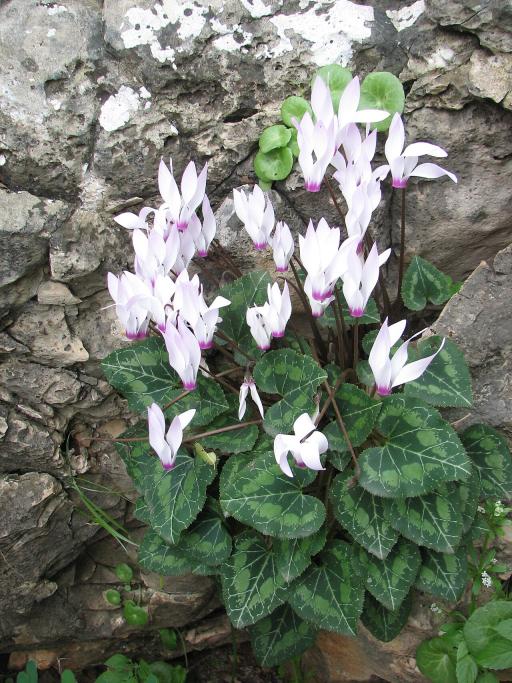
Persian Cyclamen
Cyclamen persicum is a popular flowering perennial known for its distinctive swept-back petals and beautifully patterned, heart-shaped leaves. It thrives in cooler indoor environments and blooms during the winter and spring months.
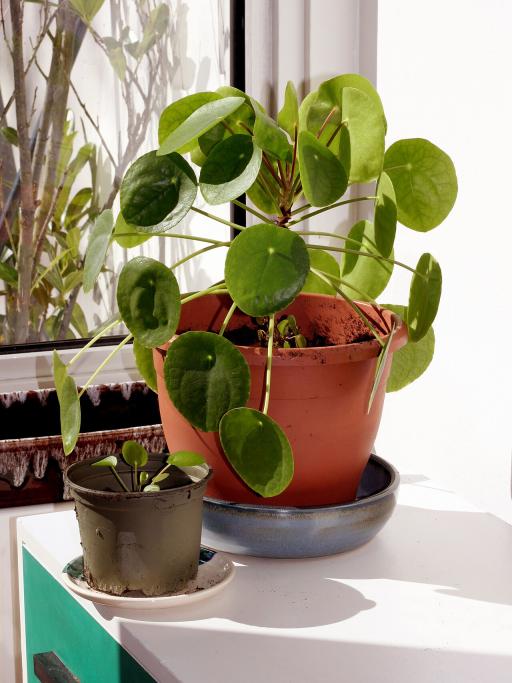
Chinese Money Plant
Pilea peperomioides, commonly known as the Chinese money plant, is a popular indoor houseplant known for its distinct flat, round, peltate green leaves on long petioles. It is easy to care for and propagates readily.
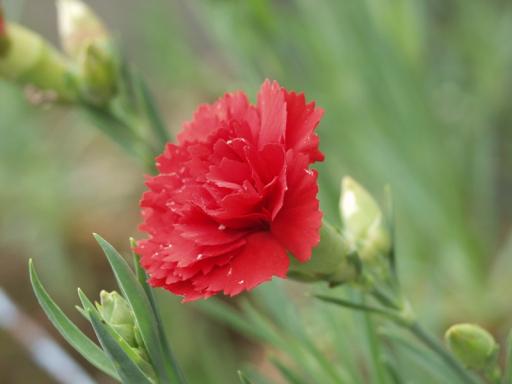
Garden Pink
Dianthus is a popular genus of flowering plants known for their vibrant, often fringed petals and charming spicy fragrance reminiscent of cloves. They are hardy garden favorites that thrive in sunny locations and well-drained soil.
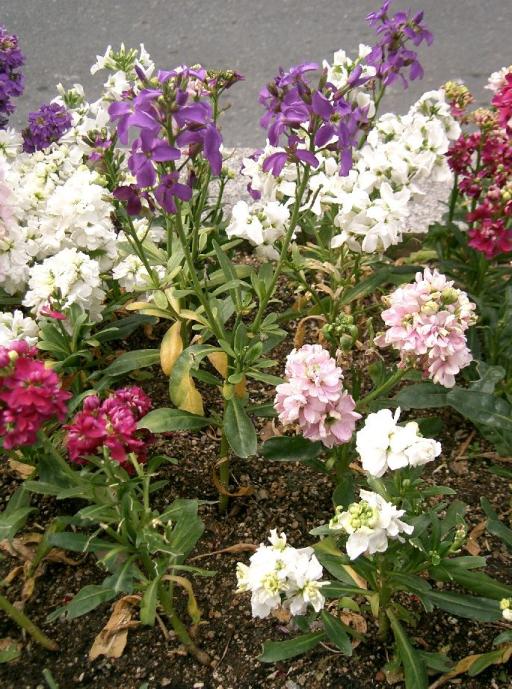
Hoary Stock
Matthiola incana, commonly known as hoary stock or simply stock, is a popular garden flower known for its vibrant, intensely fragrant blossoms that bloom in shades of pink, purple, red, white, and yellow.
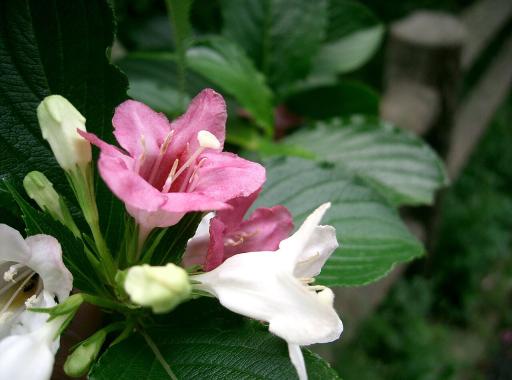
Weigela
Weigela is a genus of deciduous shrubs belonging to the honeysuckle family, Caprifoliaceae. They are known for their trumpet-shaped pink, red, or white flowers that bloom profusely in spring and early summer, attracting hummingbirds and butterflies.

Rhododendron
Rhododendrons are renowned for their spectacular blooms of trumpet-shaped flowers and glossy, leathery green leaves. They thrive in acidic, well-draining soils and partial shade.
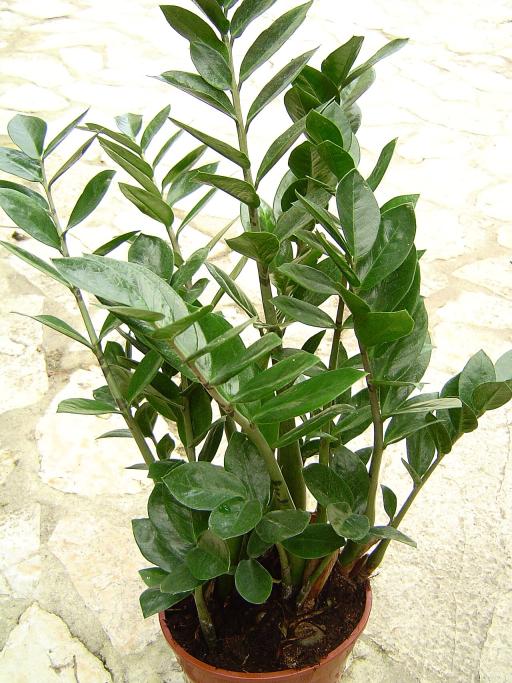
ZZ Plant
Zamioculcas zamiifolia, commonly known as the ZZ plant, is a tropical perennial plant native to eastern Africa, known for its shiny, dark green leaves and exceptional tolerance to neglect and low-light conditions.
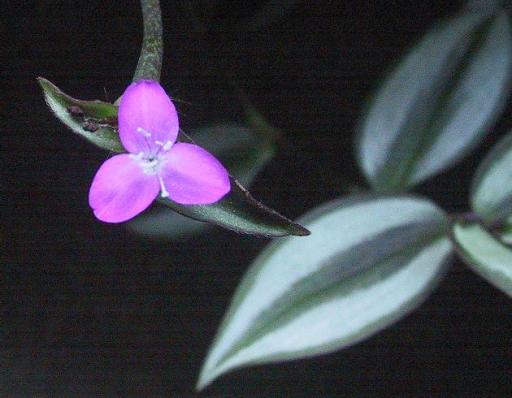
Wandering Jew
Tradescantia zebrina is a species of plant in the commelina family native to Mexico. It is widely grown as a houseplant and popular for its trailing stems and attractive striped leaves.
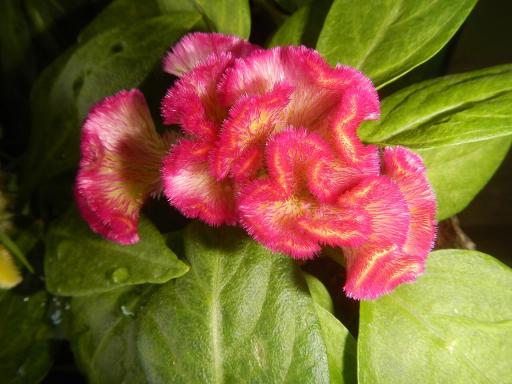
Cockscomb
Celosia cristata, commonly known as cockscomb, is a fascinating annual plant famous for its brightly colored, velvety flower heads that resemble a rooster's comb or a brain. They thrive in warm weather and add a striking splash of color to gardens and floral arrangements.
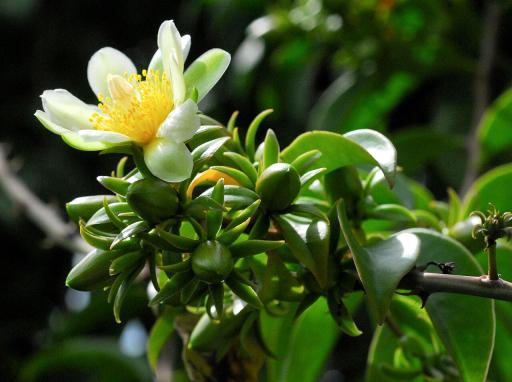
Barbados Gooseberry
Pereskia aculeata, commonly known as the Barbados gooseberry or lemon vine, is a unique leafy cactus species that grows as a scrambling vine or shrub. Unlike most cacti, it possesses true leaves and produces edible fruits.
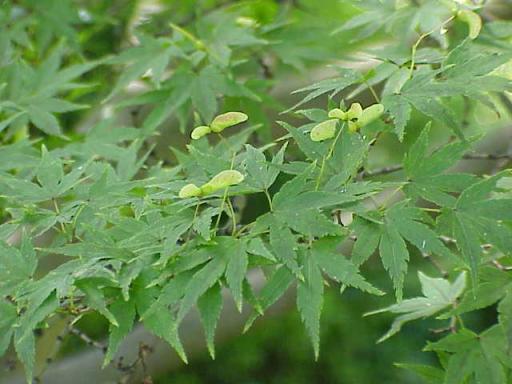
Japanese Maple
Acer palmatum is a species of woody plant native to Japan, Korea, China, eastern Mongolia, and southeast Russia. Many different cultivars of this maple have been selected and are grown worldwide for their large variety of attractive shapes, colors, and sizes.
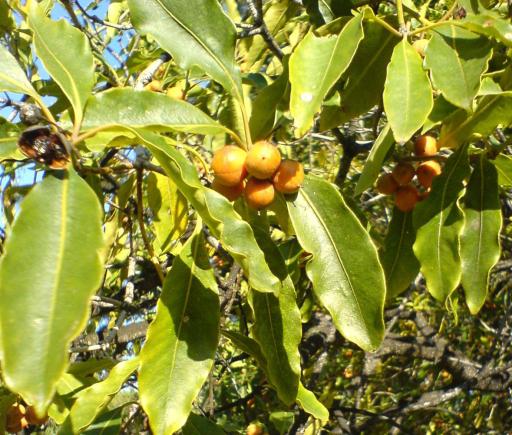
Victorian Box
Pittosporum undulatum is a small to medium-sized tree native to eastern Australia, widely cultivated for its glossy evergreen foliage and sweetly scented white flowers.
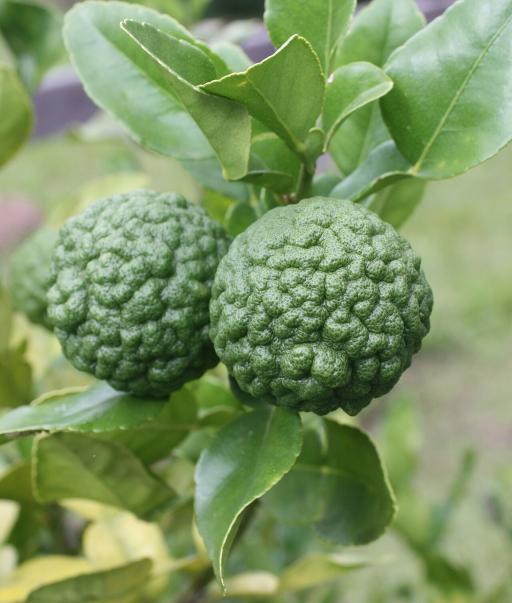
Kaffir Lime
Kaffir Lime is a tropical fruit tree native to tropical Asia, widely known for its distinct double-lobed leaves and intensely aromatic zest and leaves used in Southeast Asian cuisine.
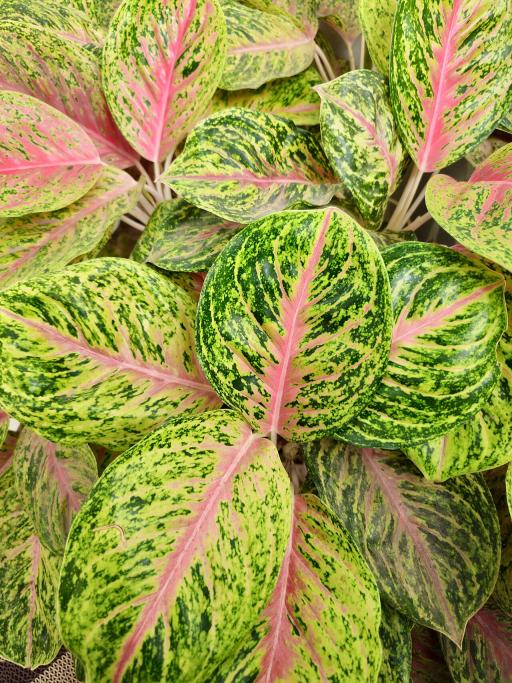
Chinese Evergreen
Aglaonema 'Pink Siam' is a stunning tropical foliage plant known for its vibrant pink and green leaves. It is exceptionally popular as an indoor houseplant due to its beauty and ease of care.
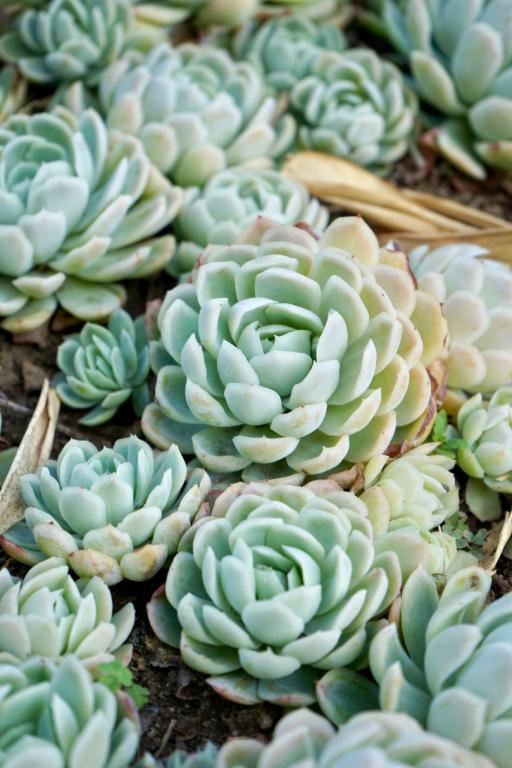
Echeveria
Echeveria is a large genus of flowering plants in the family Crassulaceae, native to semi-desert areas of Central America, Mexico, and northwestern South America. They are popular ornamental container plants known for their rosette-forming succulent leaves.