Is Bay Laurel toxic to pets?
No, Bay Laurel is generally safe for pets.
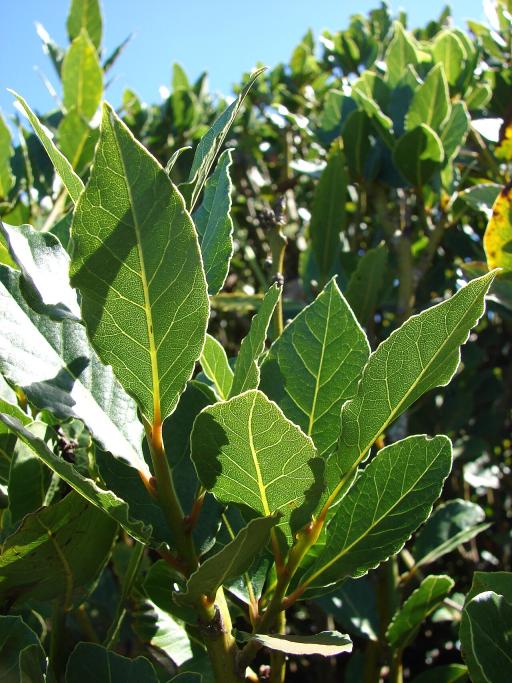
Laurus nobilis
Identified By Marcs
Bay Laurel, scientifically known as Laurus nobilis, is an aromatic evergreen tree or large shrub belonging to the Lauraceae family. Native to the Mediterranean region, it holds significant historical, cultural, and culinary value, famously used in ancient Greece and Rome to crown victors and poets. The plant features dark green, glossy, leathery leaves that emit a strong herbal fragrance when crushed, making them a staple in various culinary traditions worldwide, particularly for seasoning soups, stews, and sauces. Bay Laurel can be grown outdoors in mild climates or kept in containers in cooler regions, adapting well to pruning and shaping into ornamental topiary.
Climate: Characterized by warm, dry summers and mild, wet winters with plenty of sunshine and minimal severe frost exposure.
Water your bay laurel thoroughly whenever the top few centimeters of soil feel dry to the touch. During the active growing season in spring and summer, provide consistent moisture, but ensure excellent drainage as the plant absolutely dislikes sitting in waterlogged soil. In winter, significantly reduce watering frequency since growth slows down and the plant requires much less moisture to survive dormant periods safely.
To propagate bay laurel successfully through cuttings, select semi-ripe wood shoots from the current season's growth during late summer. Snip a 10 to 15 centimeter cutting just below a leaf node, remove the lower foliage, and dip the cut end into rooting hormone powder. Insert the cutting into a well-draining potting mix composed of perlite and peat moss. Cover the container with a clear plastic bag to maintain high humidity and place it in a warm, bright location out of direct sunlight until roots develop.
Foliage turns yellow, wilts prematurely, and drops off despite adequate or excessive soil moisture. The roots appear dark, mushy, and decayed with a foul odor when inspected.
Remove the plant from the affected soil, carefully prune away all decaying and infected root tissues using sterile shears, and repot into fresh, fast-draining potting medium. Adjust watering habits to prevent future water stagnation.
Always plant bay laurel in well-draining soil mixes and ensure that pots or garden beds feature adequate drainage holes to prevent standing water from accumulating around the root system.
Bay leaves have traditionally been utilized in various culinary preparations and herbal infusions to promote healthy digestion and alleviate common gastrointestinal discomforts such as bloating, gas, and indigestion. The organic compounds and unique essential oils present in the leaves can stimulate digestive secretions, reduce inflammation within the gut, and facilitate smoother processing of heavy meals, making them a valued addition to traditional soups, stews, and slow-cooked dishes.
Precautions: Always remove whole dried leaves before consuming meals to avoid choking hazards.
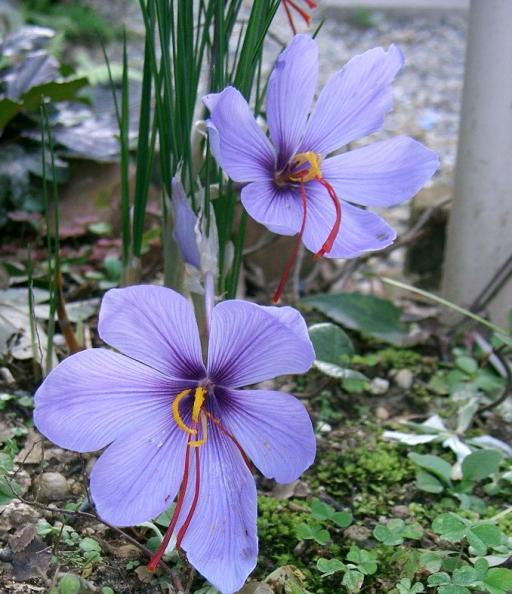
The Saffron Crocus is a fascinating and highly valued perennial geophyte belonging to the Iridaceae family. Famous primarily for producing the world's most expensive spice, saffron, which consists of the vibrant crimson thread-like stigmas collected from its delicate purple autumn-blooming flowers. This remarkable plant grows from underground corms and typically flowers in the cooler autumn months when most other garden flora are fading. Requiring well-drained soils and abundant sunshine, it thrives in Mediterranean-type climates with dry summers and cool, wet winters. Although cultivation and harvesting require immense manual labor, growing this captivating spice plant in a home garden is a rewarding experience for botany enthusiasts and culinary gardeners alike.
Bay Laurel, scientifically known as Laurus nobilis, is an aromatic evergreen tree or large shrub belonging to the Lauraceae family. Native to the Mediterranean region, it holds significant historical, cultural, and culinary value, famously used in ancient Greece and Rome to crown victors and poets. The plant features dark green, glossy, leathery leaves that emit a strong herbal fragrance when crushed, making them a staple in various culinary traditions worldwide, particularly for seasoning soups, stews, and sauces. Bay Laurel can be grown outdoors in mild climates or kept in containers in cooler regions, adapting well to pruning and shaping into ornamental topiary.
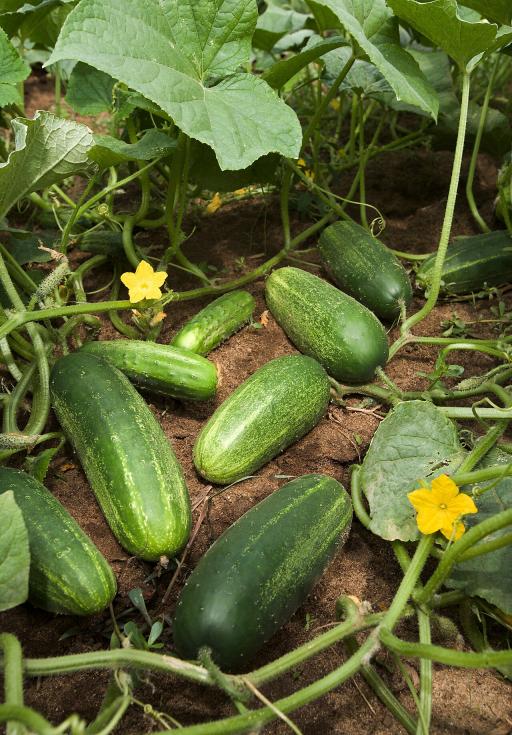
The cucumber is a widely cultivated plant in the gourd family, Cucurbitaceae. It is a creeping vine that bears cylindrical fruits that are used as culinary vegetables. Cucumbers have been cultivated for at least 3,000 years, originating from South Asia, though now grown globally in various types of greenhouses and containers. The plant produces rough, hairy leaves that form a canopy over the fruit, and small yellow flowers that are pollinated primarily by bees. They thrive in warm environments with plenty of moisture and direct sunlight, making them a popular choice for home gardeners worldwide due to their rapid growth and abundant harvest potential when properly maintained.
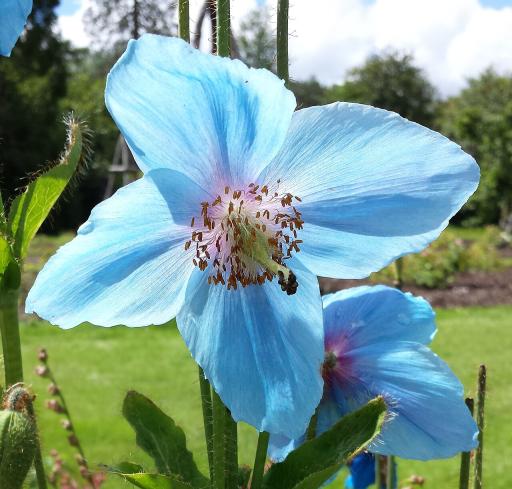
The Himalayan Blue Poppy is renowned for its striking, luminous sky-blue or turquoise blossoms that capture the imagination of gardeners worldwide. Native to high-altitude regions of the Himalayas, this short-lived perennial thrives in cool, moist, and shaded environments, mimicking its native mountain habitat. Cultivating this plant can be notoriously challenging in warmer or drier climates, as it demands acidic, humus-rich soil that remains consistently damp without waterlogging. Despite the difficulties in keeping it alive outside of its preferred alpine conditions, the breathtaking beauty of its cup-shaped flowers makes it a prized specimen for dedicated collectors and woodland garden enthusiasts.
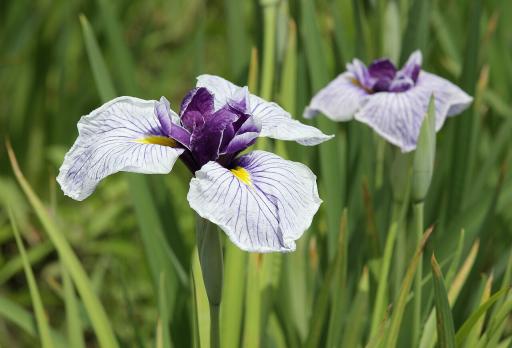
The Japanese Iris, scientifically known as Iris ensata, is an exquisite perennial flowering plant native to Japan, China, and Korea. Renowned for its stunning, large, flattened blooms that can measure up to 20 centimeters across, it features colors ranging from white and pink to deep blues, purples, and stunning violet-veined patterns. Unlike many other garden plants, Japanese Irises thrive in wet, acidic environments, making them a premier choice for pond margins, water gardens, and rain gardens. They require consistently moist to wet soil during the growing season and appreciate full sun to partial shade for optimal flowering performance. Their sword-like, bright green foliage provides excellent architectural interest in the landscape even when the plants are not in bloom.
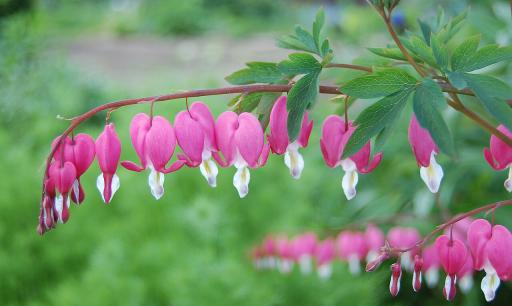
The Asian Bleeding Heart is a breathtaking perennial plant renowned for its uniquely shaped, heart-hung pink and white flowers that dangle gracefully from arching stems during the mid-spring season. Native to regions of East Asia including Siberia, northern China, Korea, and Japan, this woodland ephemeral thrives in cool, temperate climates and rich, moisture-retentive soils. As the weather warms up significantly in summer, the foliage naturally dies back to go dormant until the following spring. It is a quintessential addition to shaded garden beds, woodland gardens, and shaded borders, bringing a touch of ethereal elegance and romantic charm to any landscape design.
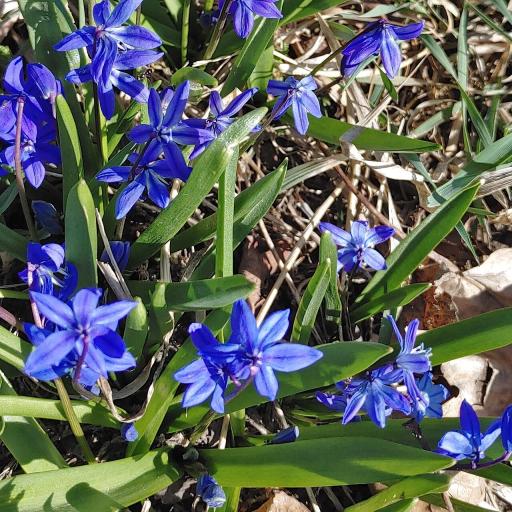
Siberian Squill is a popular bulbous perennial plant renowned for its stunning, vivid blue, star-shaped flowers that bloom very early in the spring, often piercing through the final layers of winter snow. Native to Eurasia and parts of southwestern Russia, this resilient botanical species adapts remarkably well to various temperate garden environments. It typically grows to a compact height, producing narrow, grass-like green leaves that accompany the drooping, bell-like blossoms. Widely utilized in landscaping for naturalizing lawns, woodland edges, and rock gardens, Siberian Squill spreads effortlessly via self-seeding and offsets, creating breathtaking carpets of azure color when planted in dense drifts during the early months of the growing season.
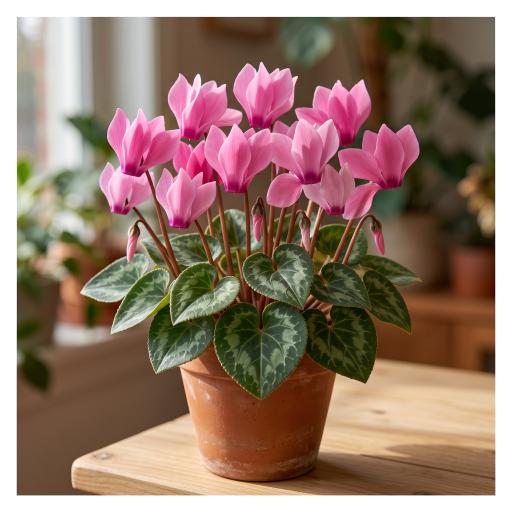
The Common Cyclamen, scientifically known as Cyclamen persica, is a beloved perennial tuberous plant native to rocky hillsides, scrub, and woodland areas in the Mediterranean region. It is widely prized for its striking, swept-back flowers that bloom in shades of pink, red, purple, and white, as well as its heart-shaped, intricately patterned dark green leaves often featuring silver marbling. As a popular indoor and shade-garden plant, it thrives in cooler temperatures and goes dormant during the hot summer months. Providing the right balance of bright indirect light, careful watering to avoid tuber rot, and well-draining soil ensures vibrant, long-lasting displays.
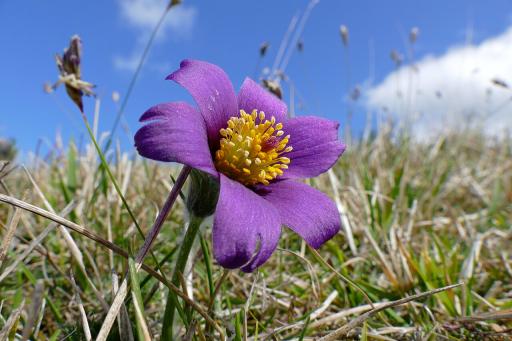
The European Pasqueflower, scientifically known as Pulsatilla vulgaris, is a stunning perennial herb belonging to the buttercup family Ranunculaceae. Native to calcareous grasslands across Europe, this charming plant is famous for its bell-shaped, vibrant purple or violet flowers that emerge in early spring, often coinciding with the Easter season, hence its common name. The entire plant is covered in fine, silky hairs that give it a silvery appearance and provide insulation against cold spring winds. Following flowering, it produces attractive, feathery seed heads that add ornamental value to rock gardens and borders. It thrives in well-drained, nutrient-poor soils under full sun conditions and is cherished by gardeners for its rustic beauty and resilience.
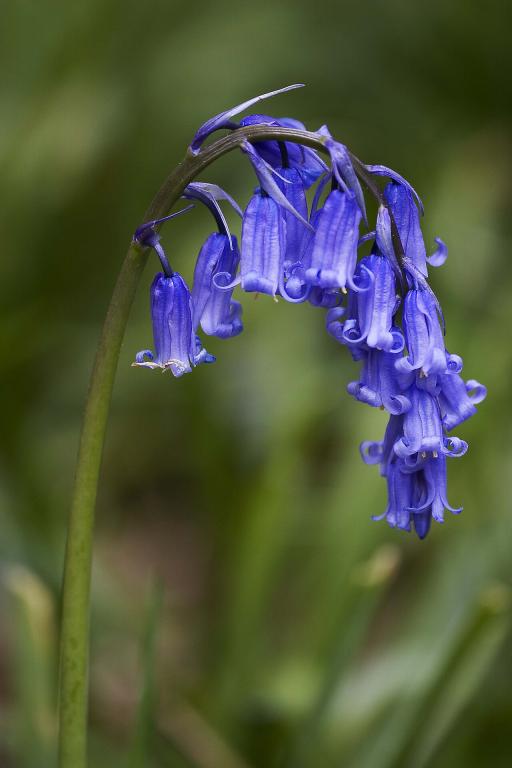
The Common Bluebell, scientifically known as Hyacinthoides non-scripta, is a beloved perennial bulbous plant native to the western regions of Europe, particularly well-known for creating stunning violet-blue carpets in ancient woodlands during the spring season. This iconic wildflower features narrow, linear leaves and nodding, bell-shaped, intensely fragrant flowers that arch gracefully on one side of the stem. They thrive best in deciduous woodlands where they can complete their growth cycle and soak up ample sunlight before the forest canopy fully leafs out in late spring. As a culturally significant and legally protected species in some regions, the common bluebell is cherished for its vivid color and ecological importance to early pollinators like bees and butterflies.
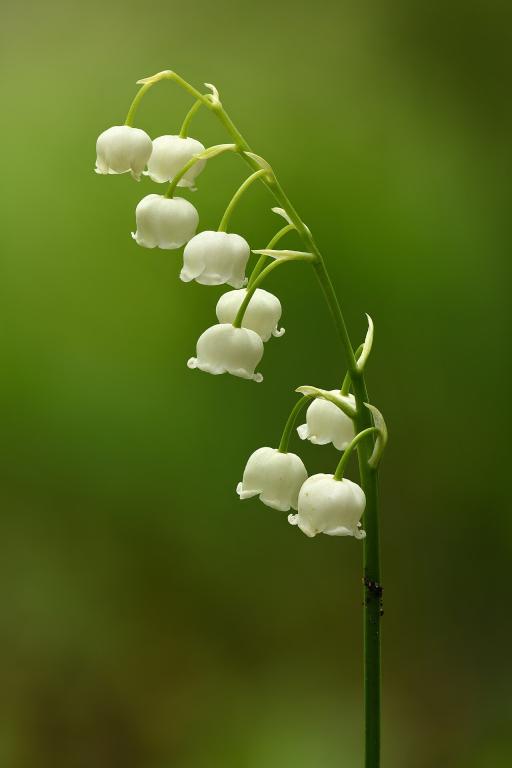
Lily of the Valley is a delightfully fragrant, highly popular woodland perennial plant native throughout the cool temperate Northern Hemisphere in Asia and Europe. It is widely celebrated for its distinctive, gracefully arching stems bearing dainty, bell-shaped white flowers that emerge during the mid-spring season. The lush green foliage consists of broad, lance-shaped leaves that form dense ground-covering colonies via creeping underground rhizomes known as pips. While highly prized in ornamental shade gardens and bridal bouquets for its exquisite beauty and intoxicating perfume, every single part of this charming plant contains potent cardiac glycosides and is extremely toxic to humans and domestic animals alike.
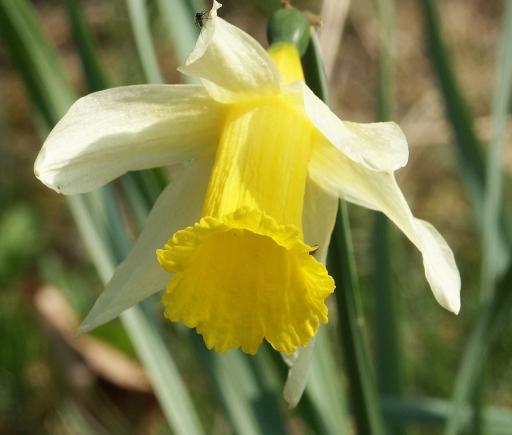
The wild daffodil, scientifically known as Narcissus pseudonarcissus, is a charming perennial bulbous plant native to woodlands and meadows across Western Europe. It is widely celebrated for its bright yellow flowers featuring a central trumpet surrounded by six petals, signaling the arrival of spring. Growing typically in large drifts, these hardy plants emerge from underground bulbs each year, providing a vibrant splash of color before deciduous trees fully leaf out. They are favored in naturalized garden settings and rustic landscapes for their resilience, ability to multiply over time, and minimal care requirements once established in suitable soil conditions.
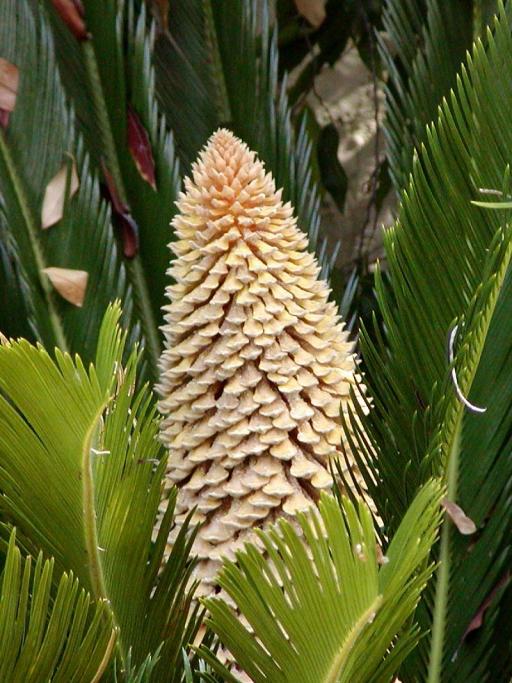
The Sago Palm, scientifically known as Cycas revoluta, is not actually a true palm but rather a cycad belonging to the ancient division Cycadophyta, which date back to prehistoric times. Featuring a thick, shaggy trunk and a stunning crown of stiff, glossy, dark green pinnate leaves, it is a remarkably popular ornamental plant for both indoor and outdoor landscaping in tropical and subtropical regions. Despite its striking appearance and slow-growing nature, every part of the plant is highly toxic to humans and domestic animals if ingested, containing potent neurotoxins and cycasin that can lead to severe liver failure. It thrives in bright, indirect light and requires well-draining soil to prevent root rot, making it a relatively low-maintenance choice when handled with care and kept away from pets.
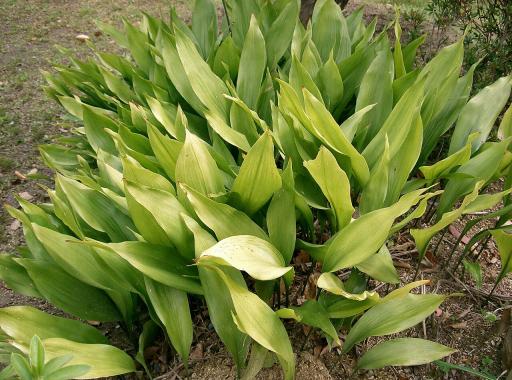
The Cast Iron Plant, scientifically known as Aspidistra elatior, is widely celebrated for its remarkable resilience and ability to thrive in conditions that would cause many other houseplants to wither. Native to the forest floors of Taiwan and southern Japan, this perennial evergreen produces long, glossy, dark green leaves that can elevate the aesthetic of any dimly lit indoor space. It earned its common name because it is practically indestructible, tolerating heavy neglect, low light levels, irregular watering, and a wide range of indoor temperatures. As a popular indoor foliage plant, it requires minimal care, making it an ideal choice for offices, dark corners, and beginner plant enthusiasts who want lush greenery without demanding maintenance routines.
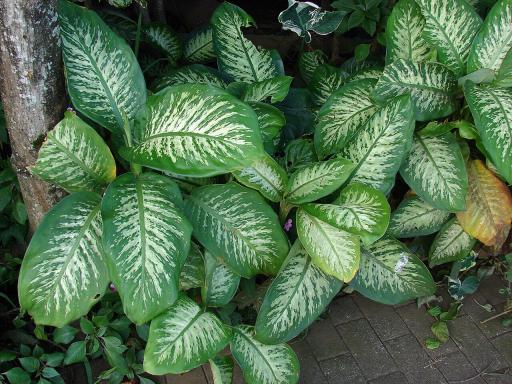
Dumb Cane is a very popular tropical foliage houseplant prized for its striking, large, variegated leaves featuring vibrant shades of green, cream, and white. Native to the tropical rain forests of Central and South America, it grows well indoors under bright, indirect light conditions. The common name 'Dumb Cane' originates from the toxic properties of its sap, which contains calcium oxalate crystals. When ingested or exposed to mucous membranes, these needle-like crystals cause immediate swelling, intense burning, and temporary loss of speech. Despite its high toxicity to humans and pets, it remains a beloved interior decoration plant due to its dramatic tropical appearance and relatively low maintenance requirements when proper watering and warmth are provided.
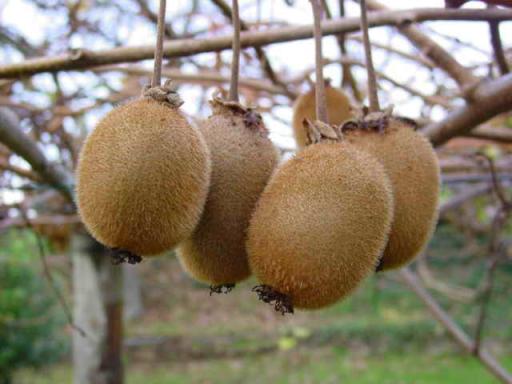
The fuzzy kiwifruit vine, scientifically known as Actinidia deliciosa, is a vigorous, deciduous woody climbing vine native to central and eastern China. It is widely cultivated for its delicious, oval-shaped edible fruits that feature a fuzzy, brown outer skin and vibrant green flesh studded with tiny black seeds. Growing as a robust liana, the plant requires sturdy trellising or arbors to support its heavy weight and extensive growth. It produces attractive, large white flowers that gradually turn buff-yellow before dropping. Kiwifruit vines are dioecious, meaning separate male and female plants are required for successful cross-pollination and fruit production. They thrive in temperate climates with mild summers and chilling hours in winter, preferring rich, well-draining soils with consistent moisture.
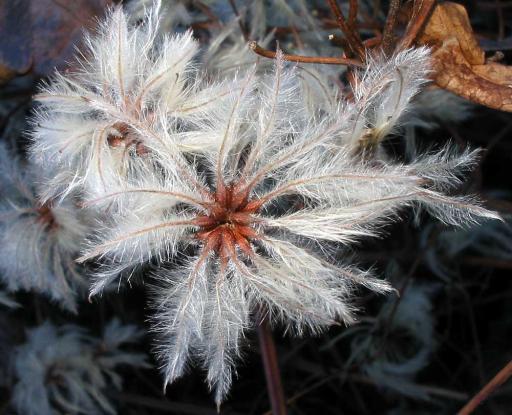
Old Man's Beard is a vigorous, deciduous scrambling vine belonging to the buttercup family Ranunculaceae. It is widely recognized for its distinctive, feathery seed heads that persist through the winter months, resembling a tangled, silvery-white beard. The plant produces woody stems, pinnate leaves, and clusters of fragrant, greenish-white flowers during the summer. While historically valued for its rustic charm and traditional rural uses, it can be an aggressive climber that smothers native vegetation in suitable temperate habitats. It thrives best in calcareous soils and requires adequate sunlight to reach its full ornamental and climbing potential.
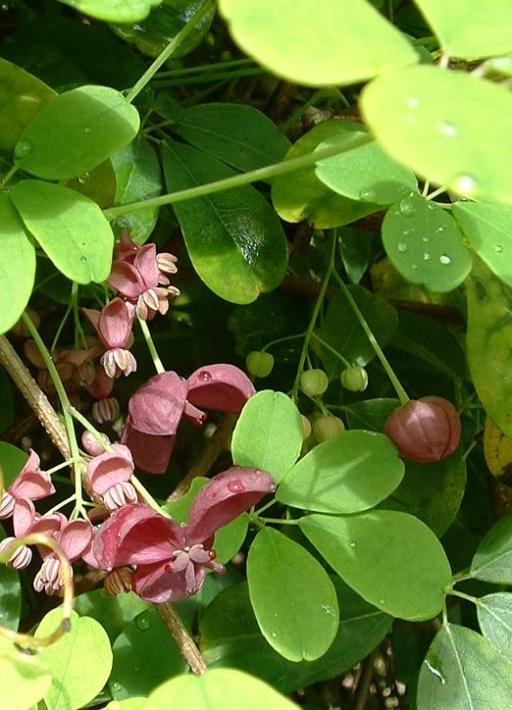
The Chocolate Vine, scientifically known as Akebia quinata, is a vigorous, deciduous to semi-evergreen woody twining vine native to East Asia, including China, Japan, and Korea. Renowned for its unique, fragrant flowers that feature a rich purple-brown color and a scent often reminiscent of chocolate or vanilla, this climbing plant is a popular choice for covering trellises, arbors, and pergolas. It features attractive, palmate compound leaves with five distinct leaflets, creating a delicate, fine-textured canopy throughout the growing season. While hardy and relatively adaptable to various soil types, the Chocolate Vine can become invasive in certain non-native regions due to its aggressive growth habit and rapid vine production. It produces sausage-shaped edible fruits after cross-pollination, which contain a sweet, translucent pulp filled with numerous black seeds.
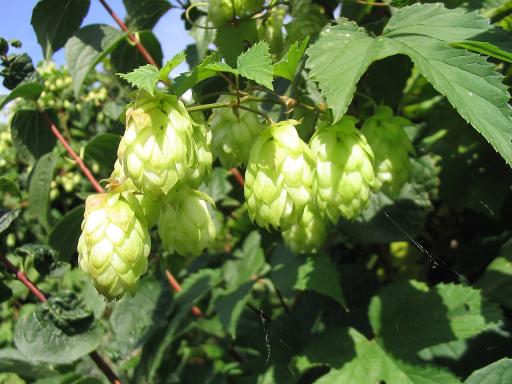
The common hop is a vigorous, herbaceous perennial climbing plant belonging to the Cannabaceae family. It is widely cultivated for its female flower cones, known as hops, which are extensively used by the brewing industry to impart bitterness, flavor, and aroma to beer. Additionally, the plant possesses historical uses in traditional herbal medicine due to its sedative and relaxing properties. Characterized by rapid bine growth, the plant climbs counter-clockwise using stiff trichomes for support, dying back to the rootstock each winter before re-emerging in spring.
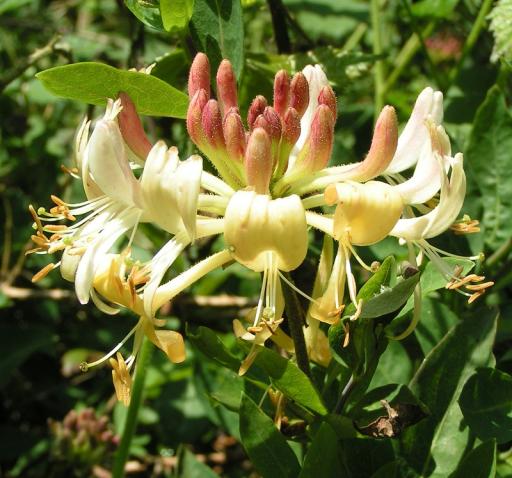
European Honeysuckle, scientifically known as Lonicera periclymenum, is a charming deciduous woody vine renowned for its highly fragrant, tubular flowers that transition from creamy white to soft yellow and pinkish hues. Native to much of Europe, North Africa, and the Middle East, this vigorous climber gracefully winds its way up trees, fences, and trellises, creating a romantic and wild aesthetic in woodland gardens. The intoxicating scent is particularly potent in the evenings, designed to attract nocturnal pollinators such as hawk moths. Beyond its ornamental appeal, it serves as a vital ecological resource, offering shelter and nourishment to various local wildlife species, birds, and beneficial insects.
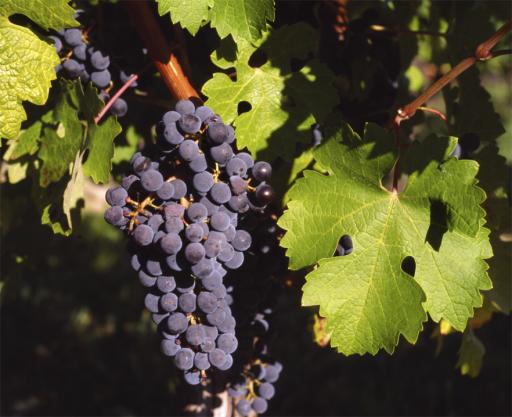
The common grape vine, scientifically known as Vitis vinifera, is a species of flowering plant native to the Mediterranean region, Central Europe, and southwestern Asia. It is a perennial woody vine that has been cultivated for thousands of years for its delicious and nutritious fruit, which is consumed fresh, dried into raisins, or fermented into wine. The plant features lobed leaves, tendrils that allow it to climb structures, and produces clusters of small, juicy berries. It thrives in temperate climates with warm, sunny summers and moderate winters, requiring well-draining soil and careful pruning to maximize fruit production and maintain plant health.
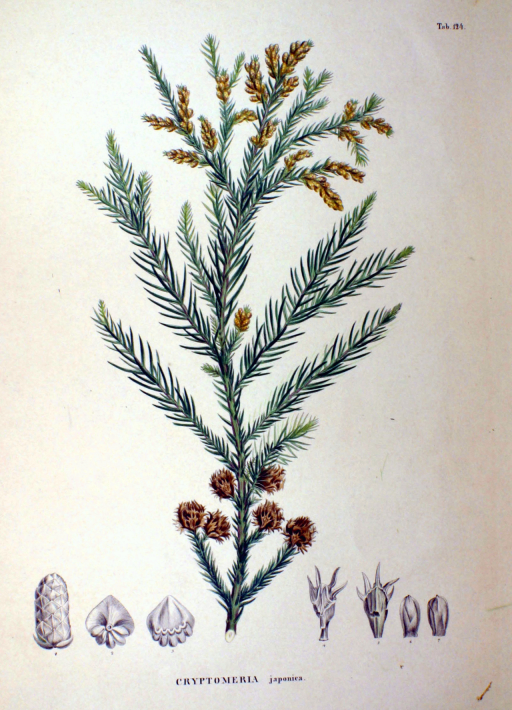
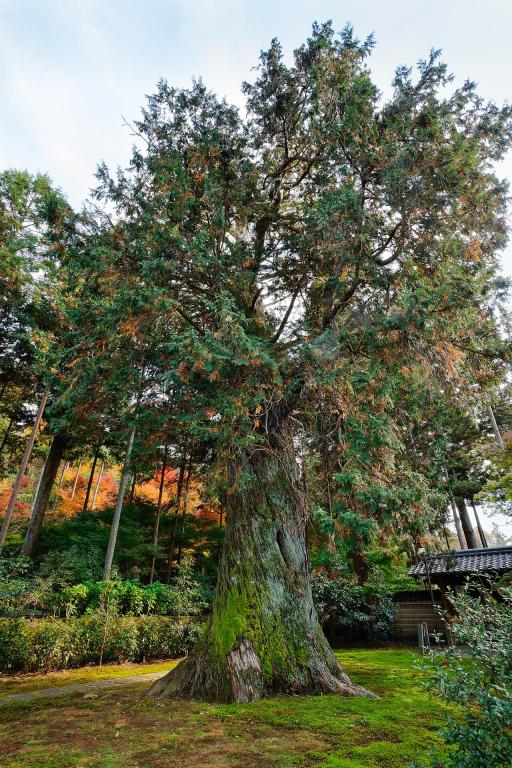
The Japanese Cedar, scientifically known as Cryptomeria japonica, is a magnificent evergreen conifer native to Japan and parts of China, where it holds significant ecological, cultural, and economic importance. This majestic tree can grow to towering heights, featuring a straight trunk with reddish-brown bark that peels in vertical strips, and dense, needle-like foliage that often turns a bronze-brown hue during the colder winter months. Highly valued for its durable, fragrant timber, the Japanese Cedar is frequently planted in large temple grounds, traditional forestry plantations, and expansive landscape gardens around the world. It thrives in deep, fertile, and well-drained soils under moist conditions, preferring regions with ample rainfall and high humidity. While it is relatively resilient, it requires careful management to prevent damage from certain fungal diseases and pests in non-native environments.
The Hinoki Cypress, scientifically known as Chamaecyparis obtusa, is a magnificent evergreen conifer native to central Japan. Revered for its slow, elegant growth and rich architectural presence, it features dense, fan-like sprays of dark green foliage with blunt-tipped scales. The reddish-brown bark peels away in attractive strips, adding to its year-round ornamental appeal. Historically, Hinoki wood is prized in Japan for building temples and shrines due to its durability and pleasant, refreshing fragrance. In landscaping, it serves brilliantly as a specimen plant, privacy screen, or formal hedge. It thrives best in temperate climates with ample moisture, well-draining soils, and cool atmospheric conditions, making it a favorite among bonsai enthusiasts and garden designers alike across the globe.
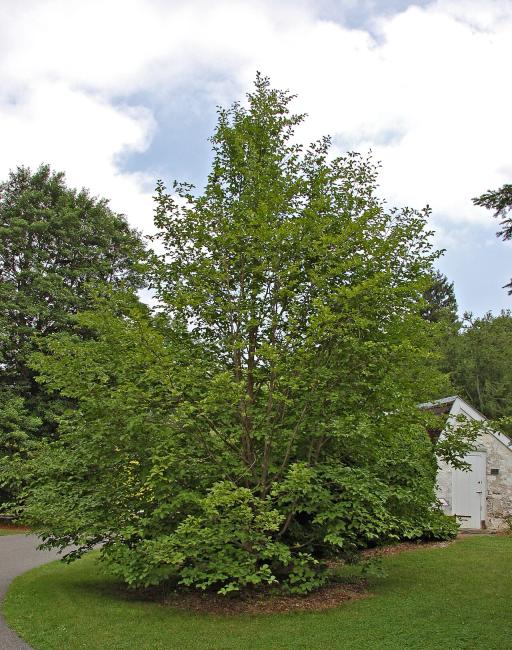
The Japanese Stewartia is a magnificent deciduous tree celebrated for its year-round ornamental appeal in temperate landscapes. Belonging to the Theaceae family, it typically grows as a large shrub or small tree featuring stunning, cup-shaped white camellia-like flowers that bloom in mid-summer with prominent yellow stamens. Beyond its delicate summer blossoms, the tree is highly prized for its striking exfoliating bark, which peels in patches to reveal smooth, multi-colored cinnamon and gray inner layers. In autumn, the foliage transforms into brilliant shades of orange, red, and deep purple, providing exceptional seasonal interest. It thrives best in acidic, well-draining soils with consistent moisture and partial shade protection from scorching afternoon sun.