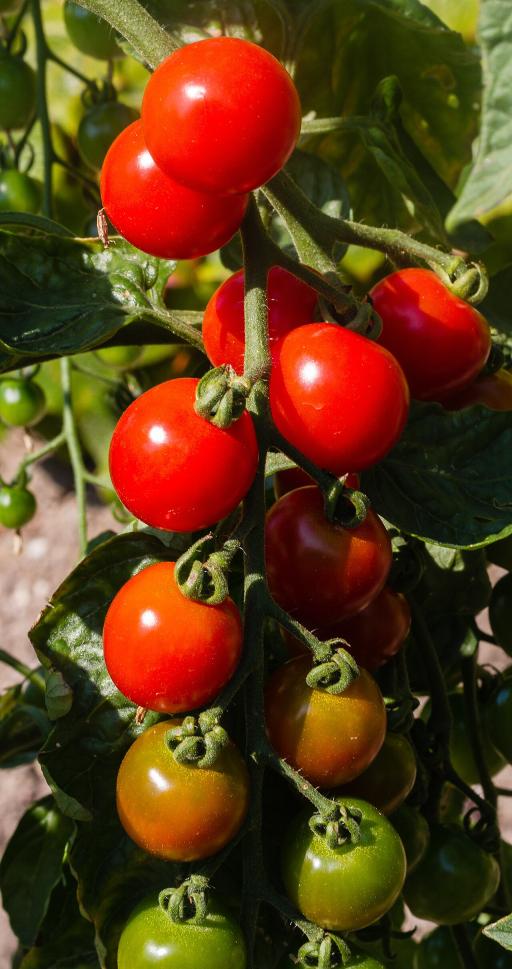
Cherry tomato
Solanum lycopersicum var. cerasiforme
Identified By Marcs
The cherry tomato is a delightful, bite-sized garden favorite belonging to the nightshade family. It produces abundant clusters of small, incredibly sweet and juicy fruits that are widely celebrated in culinary traditions across the globe. Highly versatile and relatively easy to cultivate, cherry tomatoes thrive in warm climates with ample sunlight and well-draining soil. Whether grown in large backyard gardens, raised beds, or even compact patio containers, these vigorous plants add vibrant color and fresh, tangy flavor to salads, pastas, and snacks while offering wonderful nutritional benefits.
Safety Warnings
Growth & Dimensions
Ideal Environment
Temperate and Subtropical Zones
Climate: Warm, sunny summers with moderate rainfall and well-draining conditions.
Native Regions
Care Guide
Consistent Watering
Water the plants deeply and consistently at the base to keep the soil evenly moist. Avoid overhead watering to prevent fungal disease development on leaves.
Ample Sunlight
Ensure the plant receives at least six to eight hours of direct, uninhibited sunlight daily for optimal fruit production and sweetness.
Fertilization
Feed with a balanced, organic fertilizer rich in phosphorus and potassium when flowers begin to form, reducing heavy nitrogen to promote fruiting.
Propagation Methods
Seed
Sow seeds indoors 6 to 8 weeks before the last expected spring frost, then transplant outdoors once soil temperatures warm up.
Common Diseases & Pests
Powdery Mildew
FungalWhite, powdery spots appearing on the upper and lower surfaces of leaves and stems.
Apply organic neem oil or copper-based fungicides according to label instructions.
Ensure proper plant spacing for air circulation and water only at the soil level.
Properties & Benefits
Uses & Health Benefits
Rich in Antioxidants
Cherry tomatoes are packed with lycopene and vitamin C, which help neutralize free radicals and support cellular health.
Key Nutrients / Compounds
OTHER PLANTS
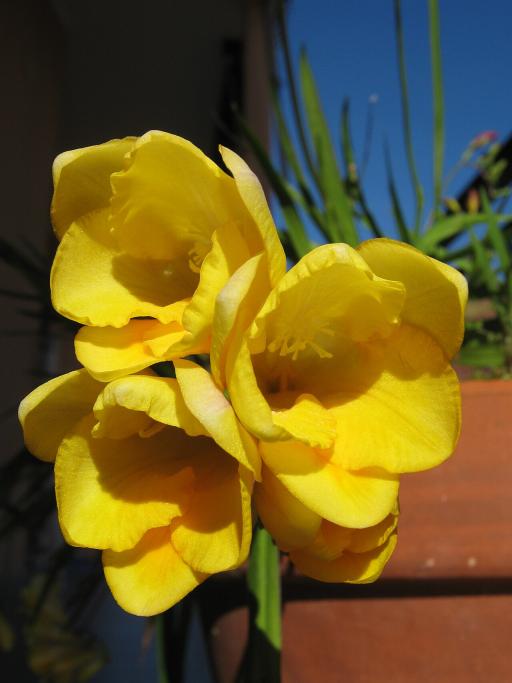
Freesia
Freesias are exquisitely fragrant flowering perennial plants belonging to the iris family, Iridaceae. Native to eastern and southern Africa, these popular ornamental plants are widely cherished for their funnel-shaped, brightly colored blooms and characteristic sweet, citrus-like fragrance that makes them a favorite in floral arrangements and gardens alike. They grow from underground corms and produce slender, grass-like leaves alongside graceful, one-sided spikes of flowers. While often grown outdoors in Mediterranean climates, they can also be successfully cultivated indoors or in greenhouses with proper care and attention to temperature and watering cycles.
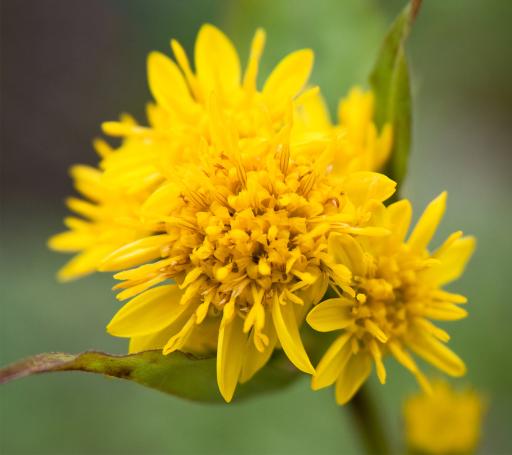
Goldenrod
Solidago, commonly known as goldenrod, is a vast genus of perennial herbaceous plants belonging to the aster family, Asteraceae. Famous for their brilliant, feathery plumes of bright yellow flowers that bloom profusely in late summer and autumn, these resilient plants are an essential nectar source for migrating butterflies, bees, and many other beneficial insects preparing for the colder months. Contrary to common misconceptions, goldenrod pollen is heavy and sticky, meaning it is not wind-borne and does not cause hay fever; rather, it shares its flowering season with ragweed, which is the true culprit. Gardeners appreciate goldenrods for their exceptional drought tolerance, robust constitution, and ability to brighten up neglected corners of the landscape with vibrant color when most other garden flora begins to fade.
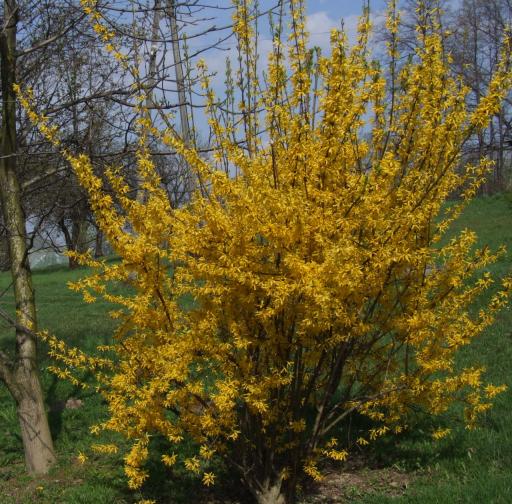
Forsythia
Forsythia is a popular deciduous shrub belonging to the olive family, Oleaceae, well known for its remarkably vibrant yellow flowers that bloom profusely in early spring before the appearance of any green leaves. These hardy shrubs make fantastic ornamental hedge plants and provide a much-needed splash of brilliant color after a long winter season. They are relatively low-maintenance, adapt well to various soil conditions, and thrive under abundant sunlight. Pruning right after flowering is essential to encourage lush new growth and abundant blooms for the following spring season. Their arching branches and cheerful blossoms have made them a staple in suburban landscapes and botanical gardens worldwide.

Mediterranean Cypress
The Mediterranean cypress is an iconic evergreen conifer native to the Mediterranean region, famous for its very tall, narrow, and columnar silhouette. It typically features dark green, scale-like leaves closely pressed against the branches, creating a dense and formal appearance. This resilient tree has been planted across southern Europe and the Middle East for millennia, often found in formal gardens, cemeteries, and lining majestic avenues. It thrives in hot, dry summers and can tolerate poor soils as long as they are well-draining. Its durable, aromatic wood has historically been used in construction and shipbuilding, making it both a culturally significant and practically valuable species in arid landscapes.
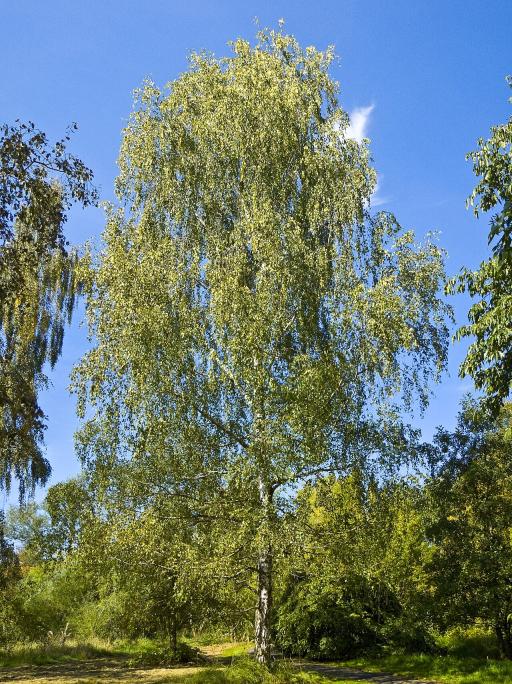
Birch Tree
The birch tree is a slender, graceful deciduous hardwood tree belonging to the family Betulaceae, widely recognized for its distinctive papery white bark that often peels in horizontal strips. These trees are exceptionally hardy, thriving primarily in temperate and boreal regions of the Northern Hemisphere. They possess delicate, serrated green leaves that turn a brilliant golden yellow in autumn, providing outstanding seasonal ornamental value. Birch trees prefer cool climates and moist, well-draining soils, often acting as pioneer species that quickly recolonize disturbed lands, forests, and open landscapes after fires or logging operations.
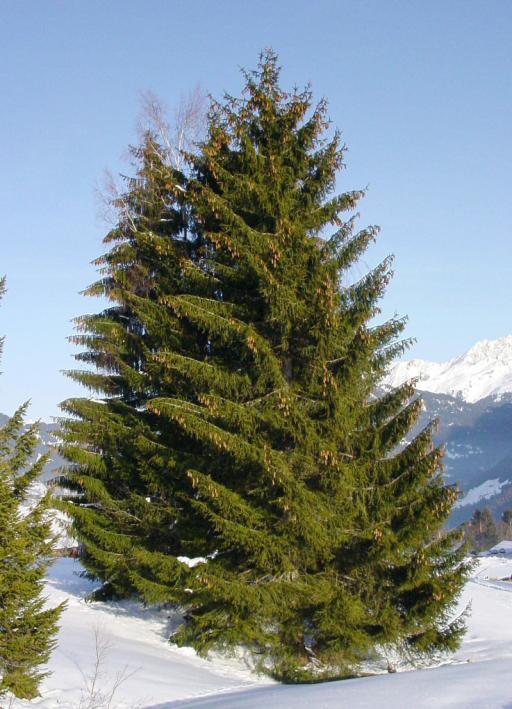
Spruce Tree
Spruce trees belong to the genus Picea, comprising about 35 species of large coniferous evergreen trees in the family Pinaceae, found in the northern temperate and boreal regions of the earth. They are easily recognized by their whorled branches and conical form. The leaves, or needles, are sharply pointed and attached individually to the twig on small peg-like structures called pulvini. Spruces are economically valuable for timber and paper production, and certain species are widely used as Christmas trees. They thrive in cool, moist climates with well-draining acidic soils, demonstrating remarkable resilience in harsh northern environments.
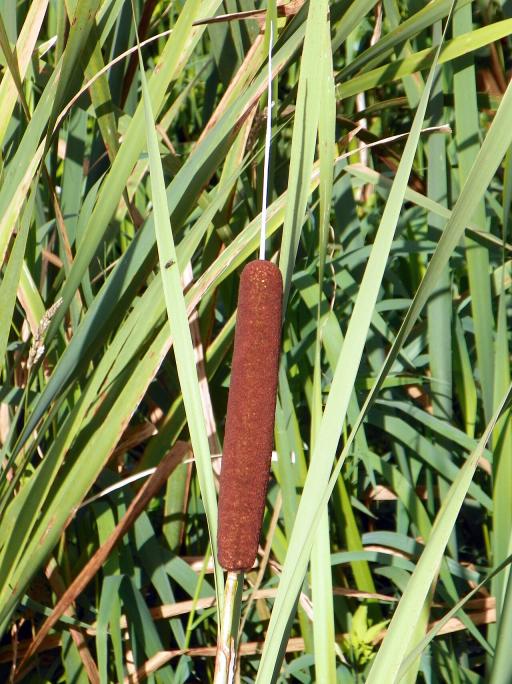
Cattail
Cattails are iconic wetland plants easily recognized by their distinctive cigar-shaped brown flowering spikes. Scientifically known as Typha latifolia, these robust perennial herbs thrive in wet soils along the margins of ponds, lakes, marshes, and slow-moving streams. They play a critical ecological role in wetland filtration, helping to absorb excess nutrients and provide essential habitat for various bird and insect species. Historically, nearly every part of the cattail plant has been utilized by humans for food, shelter, and craft, making it one of the most versatile and valuable wild plants found in temperate and tropical regions around the world.
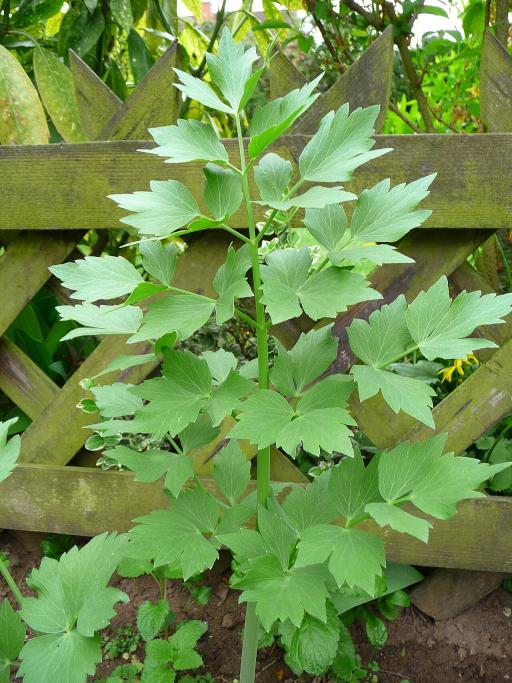
Lovage
Lovage is a tall, robust perennial herbaceous plant belonging to the parsley family Apiaceae, highly prized for its intensely savory, celery-like flavor profile that enhances soups, stews, and broths. Native to the mountainous regions of southwestern Asia and southern Europe, this hardy garden herb can grow impressively large, featuring dark green, glossy, deeply divided leaves and clusters of small yellow flowers. Every part of the lovage plant is aromatic and edible, including the leaves, stems, seeds, and thick taproots. It thrives in rich, moist, well-draining soils and prefers temperate climates with plenty of sunlight or partial shade. Historically, lovage has been utilized not only as a culinary flavoring agent but also in traditional herbal medicines due to its reputed diuretic and digestive properties. Its bold flavor means a little goes a long way in the kitchen, making it a favorite among home gardeners and culinary enthusiasts alike.
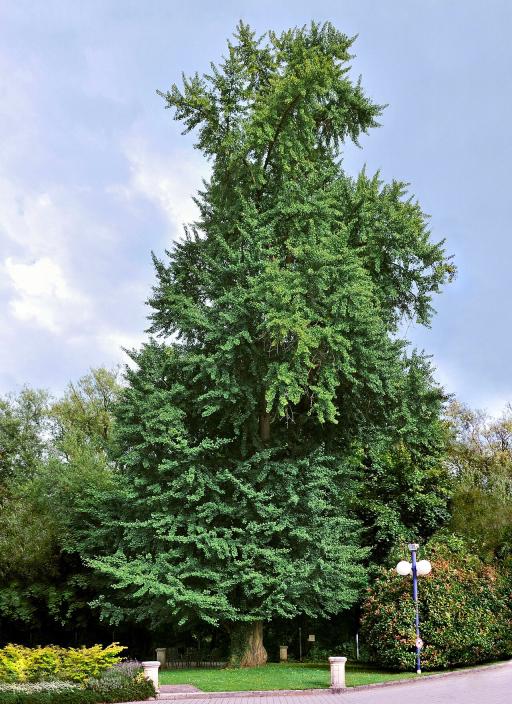
Ginkgo
Ginkgo biloba, commonly known as ginkgo or the maidenhair tree, is one of the oldest living tree species in the world, often considered a living fossil with a lineage stretching back over 200 million years. Famous for its distinctive fan-shaped leaves that turn a brilliant golden yellow in autumn, this resilient tree is remarkably resistant to pollution, diseases, and insect pests. Ginkgo trees are dioecious, meaning individual trees are either male or female. The female trees produce fleshy, foul-smelling seeds when mature. Widely cultivated in urban landscapes and traditional gardens across the globe, ginkgo holds significant historical and modern value due to its exceptional hardiness and potential health benefits derived from its unique foliage extracts.
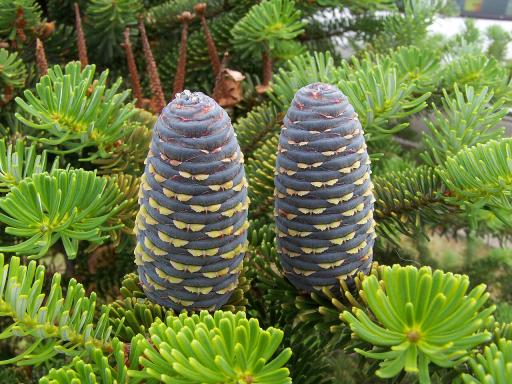
Fir Tree
Fir trees are large evergreen conifers belonging to the genus Abies in the pine family Pinaceae. They are well known for their majestic conical shape, needle-like leaves that are attached directly to the twig by a base resembling a suction cup, and upright cones that sit atop the branches like candles. Commonly found in cold and temperate regions, firs are economically and ecologically important, widely used in forestry for timber, paper production, and traditionally cherished worldwide as popular Christmas trees due to their pleasant fragrance and needle retention.
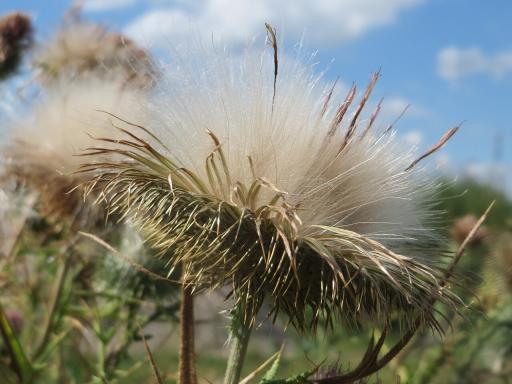
Thistles
Thistles are a group of flowering plants characterized by leaves with sharp prickles on the margins, most notably in the Asteraceae family. While many species are considered invasive agricultural weeds due to their aggressive spreading habits and resilient root systems, they play an important ecological role as a vital food source for numerous pollinators, including bees and butterflies, as well as seed-eating birds like goldfinches. Their robust defensive architecture protects them from most mammalian herbivores, allowing them to thrive in disturbed soils, pastures, and roadsides across temperate regions worldwide.
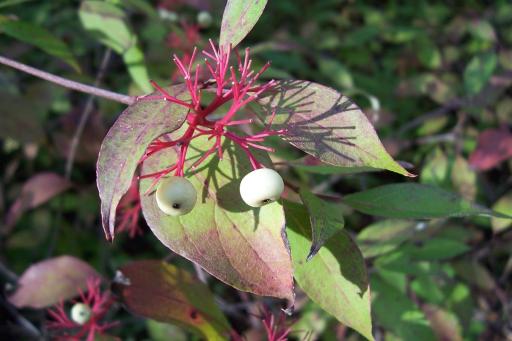
Red Osier Dogwood
The red osier dogwood is a resilient, deciduous shrub celebrated for its striking, bright red stems that provide exceptional winter color in landscape designs. Native to North America, this robust plant typically thrives in moist soils, wetlands, and along stream banks, making it an ideal choice for rain gardens, erosion control, and naturalized borders. In addition to its ornamental red branches, it produces clusters of small white flowers in the spring followed by white or bluish berries that attract a wide variety of local wildlife, including birds and pollinators. This versatile shrub adapts well to various conditions, offering lush green foliage in summer that transitions to vibrant autumn hues before dropping its leaves to reveal the iconic crimson bark.
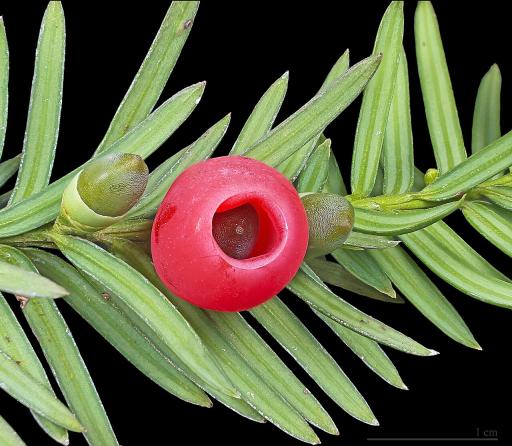
Yew
Taxus, commonly known as yew, is a genus of small conifers belonging to the family Taxaceae. These evergreen woody plants are widely recognized for their dense, dark green needle-like foliage, reddish-brown bark, and distinctive fleshy red arils that surround their toxic seeds. Yews are exceptionally long-lived and are frequently planted as ornamental hedges or specimen trees in gardens and churchyards across temperate regions. Due to their remarkable ability to tolerate severe pruning, they are exceptionally versatile for topiaries and landscape designs. Furthermore, parts of the yew plant contain valuable chemical compounds utilized in modern medicine for treating certain forms of cancer.
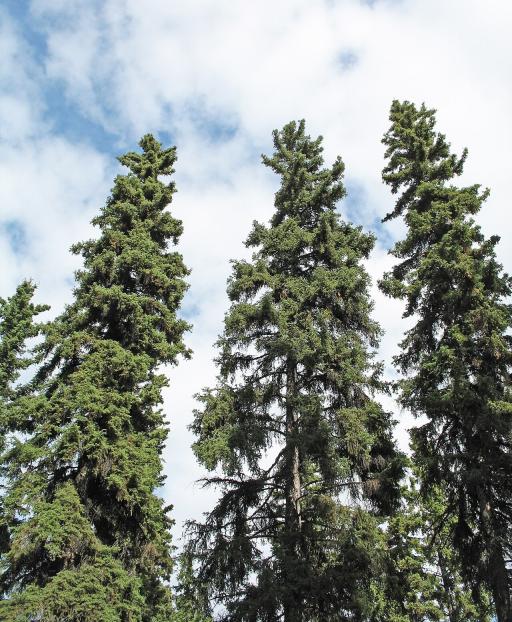
White spruce
The white spruce is a large, majestic evergreen conifer native to the northern temperate and boreal forests of North America. Recognized for its distinct bluish-green to silvery needles and pyramidal growth habit, this hardy tree plays a critical ecological role in providing shelter and food for numerous wildlife species. It thrives in harsh climates, enduring cold winters and poor soils, making it a popular choice for landscaping, windbreaks, and the forestry industry for paper pulp and lumber production. Its dense foliage and resilience also make it an iconic Christmas tree.
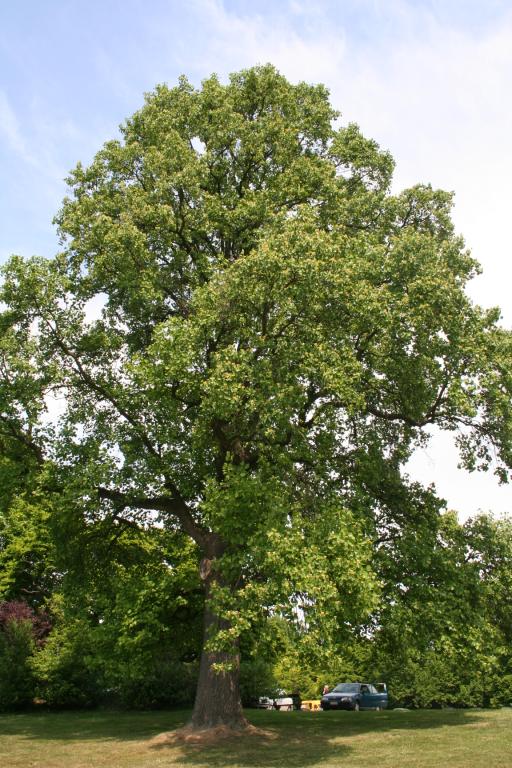
Tulip Tree
The tulip tree, scientifically known as Liriodendron tulipifera, is a magnificent deciduous tree native to eastern North America. Renowned for its distinctive, cup-shaped flowers that resemble tulips, this species features uniquely lobed, saddle-shaped leaves that turn a brilliant golden yellow in autumn. It is one of the largest and most majestic native trees in the eastern deciduous forest, often growing with a very straight trunk. The tulip tree is widely appreciated in large landscapes and parks for its striking aesthetic appeal, rapid growth rate, and provision of ample shade. Additionally, it serves as an important nectar source for native pollinators, particularly honeybees and hummingbirds, during its peak blooming season in late spring.
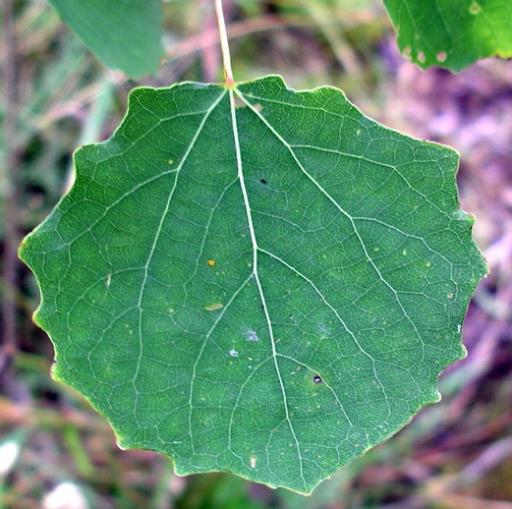
Poplar
Populus is a genus of roughly 30 to 35 species of deciduous flowering plants in the family Salicaceae, native to most of the Northern Hemisphere. These trees are known for their rapid growth rates, distinctive trembling leaves found in many species, and cotton-like seed dispersal mechanisms. They commonly thrive in moist soils near rivers, streams, and wetlands. Poplars are frequently utilized in commercial forestry, landscape architecture for quick shade, and as a vital component of riparian ecosystems providing habitat for diverse wildlife populations across the globe.
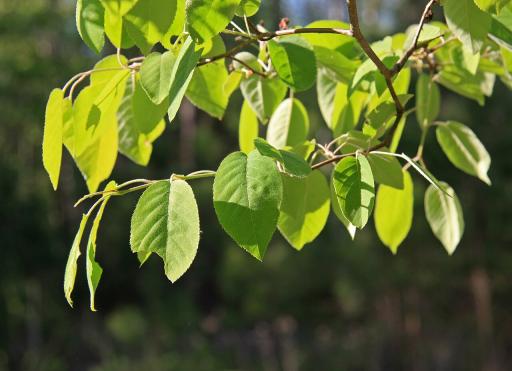
Common serviceberry
The common serviceberry, scientifically known as Amelanchier arborea, is a delightful deciduous small tree or large shrub celebrated for its stunning multi-seasonal ornamental interest. In early spring, it erupts into a profusion of delicate white flowers before the leaves fully emerge, signaling the arrival of warmer weather. As summer progresses, it yields edible, sweet, purplish-black berries that are deeply cherished by both humans and local wildlife. Its foliage transforms into brilliant shades of orange and red during autumn, making it an exceptional landscape plant for gardens seeking continuous visual appeal throughout the changing seasons.
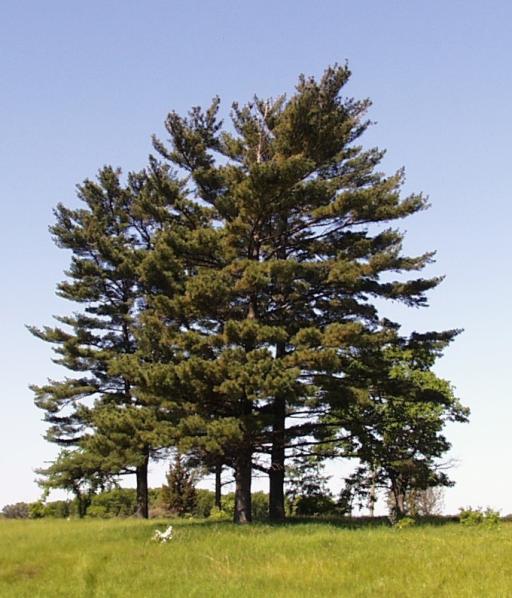
Eastern white pine
The Eastern white pine is a large, majestic conifer native to eastern North America. Recognized by its soft, flexible needles bundled in groups of five and its long, slender cones, this monumental tree can live for centuries and reach impressive heights. Historically significant as a primary source of lumber for tall ship masts, it now serves a vital ecological role by providing shelter and food for various wildlife species. It thrives best in cooler climates with well-drained soils and plenty of sunshine.
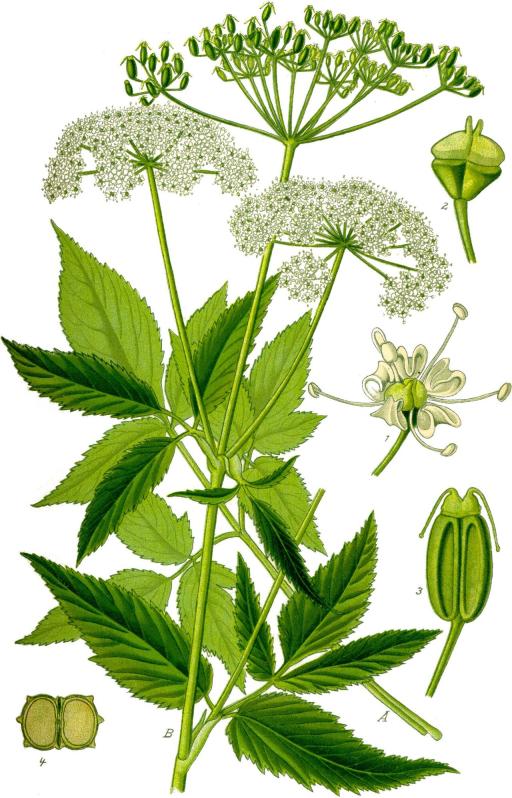
Ground elder
Ground elder is a perennial herbaceous plant belonging to the carrot family Apiaceae. It is widely recognized for its aggressive spreading habit via an extensive underground network of rhizomes, making it a notoriously difficult weed to eradicate once established in gardens and landscapes. The plant typically features triangular, toothed leaflets arranged in threes and produces clusters of small white flowers held in umbels during the summer months. Historically utilized in traditional European herbal medicine for treating ailments such as gout and arthritis, ground elder is also edible when harvested young and tender. Despite its ornamental variegated cultivars often planted in shady garden spots, its relentless vigor often overwhelms neighboring flora.
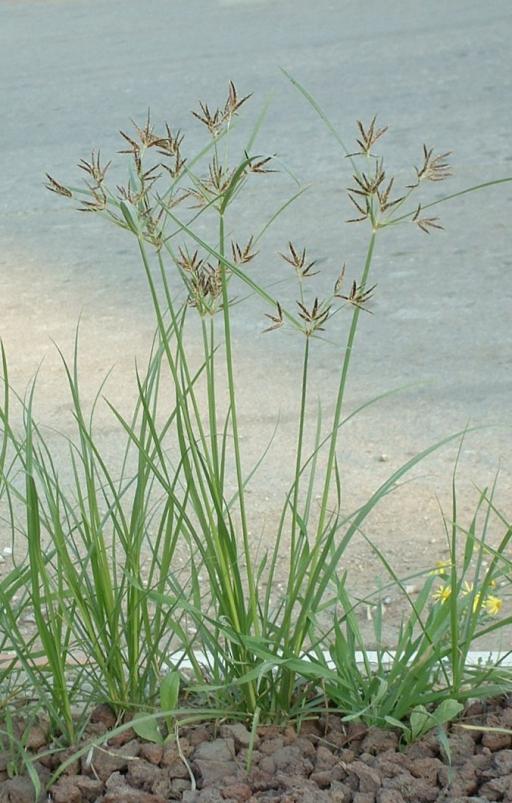
Nut grass
Cyperus rotundus, commonly known as nut grass or purple nutsedge, is a perennial plant belonging to the sedge family. Widely recognized as one of the world's most troublesome agricultural weeds, it produces an extensive underground network of rhizomes, tubers, and basal bulbs that make eradication extremely difficult. Despite its invasive and aggressive nature in agricultural settings, the tubers have historically been utilized in traditional herbal medicine, particularly within Ayurvedic practices, for treating various digestive ailments, fevers, and inflammatory conditions. The plant features narrow, grass-like leaves and distinctive purplish-brown flower spikelets. Its remarkable resilience is attributed to its ability to regenerate rapidly from small subterranean tubers left behind in the soil.
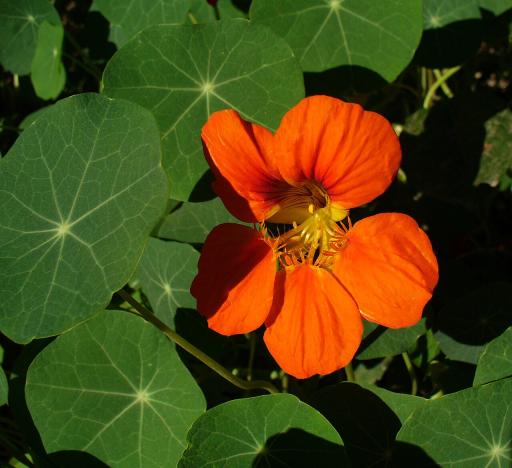
Nasturtium
Nasturtium is a popular, vibrant flowering plant cherished for its brightly colored blooms and distinctive round, lilypad-like leaves. Belonging to the Tropaeolaceae family, it is grown widely as an ornamental plant and valued in culinary traditions for its peppery, radish-like flavor. Every part of the plant above ground is edible, making it a favorite companion plant in organic gardens to deter pests naturally while adding beauty and zest to salads and dishes.
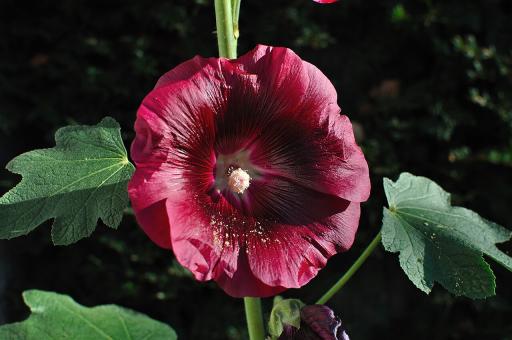
Hollyhock
The hollyhock, scientifically known as Alcea rosea, is a magnificent and traditional cottage garden favorite admired for its exceptionally tall, striking spikes of large, vibrant flowers. These prominent architectural plants can easily reach heights of over two meters, creating a breathtaking vertical element in garden borders, along rustic fences, and against sunny walls. Originating likely from southwestern Asia, hollyhocks produce blooms in a remarkably diverse array of colors ranging from pure white and soft pinks to deep maroons that appear almost black, yellows, and rich reds. Typically grown as biennials or short-lived perennials, they thrive under ample sunlight and require well-draining soils to perform at their absolute best throughout the warm summer months.
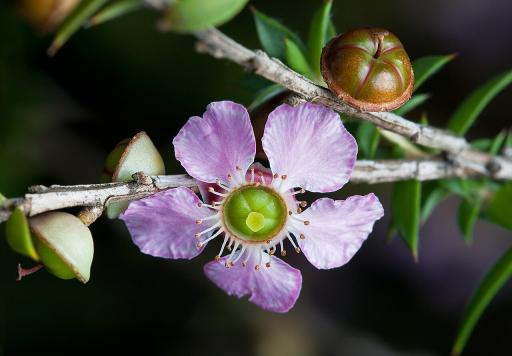
Tea Tree
Leptospermum is a diverse genus of shrubs and small trees belonging to the Myrtaceae family, predominantly native to Australia and New Zealand. Renowned for their abundance of small, colourful flowers in shades of white, pink, and red, these resilient plants are extremely popular in ornamental landscaping and native gardens. Many species produce aromatic foliage and nectar-rich blossoms that attract local pollinators such as bees and birds. One of the most famous species, Leptospermum scoparium, produces the renowned Manuka honey with unique antibacterial properties. They adapt well to coastal conditions and make exceptional hedging plants.
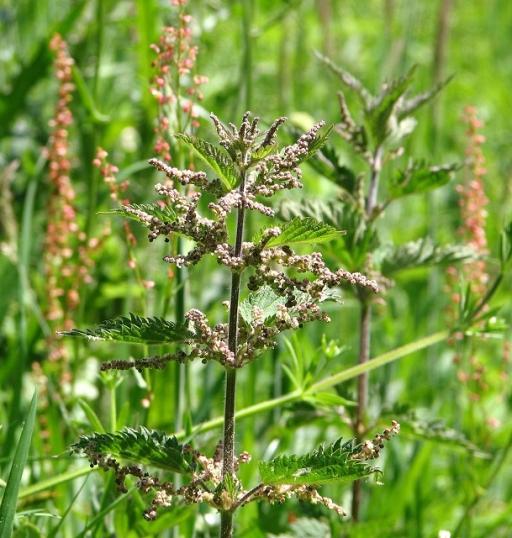
Common Nettle
Urtica dioica, commonly known as the stinging nettle or common nettle, is a herbaceous perennial flowering plant in the family Urticaceae. Originally native to Europe, much of temperate Asia and western North America, the plant is well known for its stinging hairs, called trichomes, which act like hypodermic needles, injecting histamine and other chemicals that produce a stinging sensation upon contact. Despite this defensive mechanism, the common nettle has a long history of human usage as a source for traditional medicine, food, and textile fiber. Young leaves can be cooked and consumed like spinach, losing their sting entirely once heated or dried thoroughly, making them exceptionally nutritious and versatile.