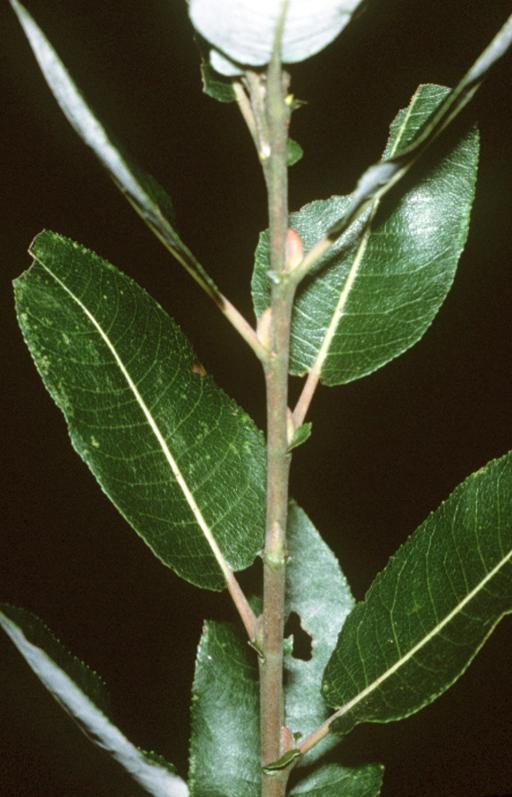
Pussy willow
Salix discolor
Identified By Marcs
Pussy willow is a delightful deciduous shrub or small tree widely celebrated for its distinctive furry, soft catkins that appear in early spring before the foliage emerges. Native to North America, this resilient plant thrives in moist soils and cool climates, making it a popular ornamental addition to gardens, particularly near water features or rain gardens. The catkins transition from silky silver to a dusting of golden yellow pollen as they mature, providing an essential early food source for emerging pollinators. Pruning right after flowering encourages vigorous new stem growth, ensuring an abundant display of catkins for the following year. This charming plant holds significant cultural importance in various spring celebrations and is frequently utilized in floral arrangements for its unique textural appeal and rustic aesthetic value.
Growth & Dimensions
Ideal Environment
North America
Climate: Cool temperate climates with adequate seasonal rainfall and moist soil conditions.
Native Regions
Care Guide
Watering Requirements
Pussy willow loves moisture and naturally grows near wetlands. Provide consistently moist soil, especially during dry spells. Water deeply once a week.
Sunlight Exposure
Plant in full sun to partial shade. Full sun encourages the densest growth and the most abundant display of soft spring catkins.
Pruning Schedule
Prune hard annually right after the catkins fade in spring. This promotes vigorous new stem growth, which produces the largest catkins for the next season.
Propagation Methods
Cutting
Take hardwood cuttings in late winter or softwood cuttings in spring, and place them in moist soil or water where they root very easily.
Common Diseases & Pests
Powdery Mildew
FungalWhite or gray powdery spots appearing on leaves and stems during humid summer months.
Apply fungicidal sprays or neem oil, and improve air circulation around the shrub.
Ensure adequate spacing between plants and avoid overhead watering in the evening.
Properties & Benefits
Uses & Health Benefits
Pollinator Support
Provides crucial early-season nectar and pollen for honeybees and other beneficial pollinators.
Key Nutrients / Compounds
OTHER PLANTS
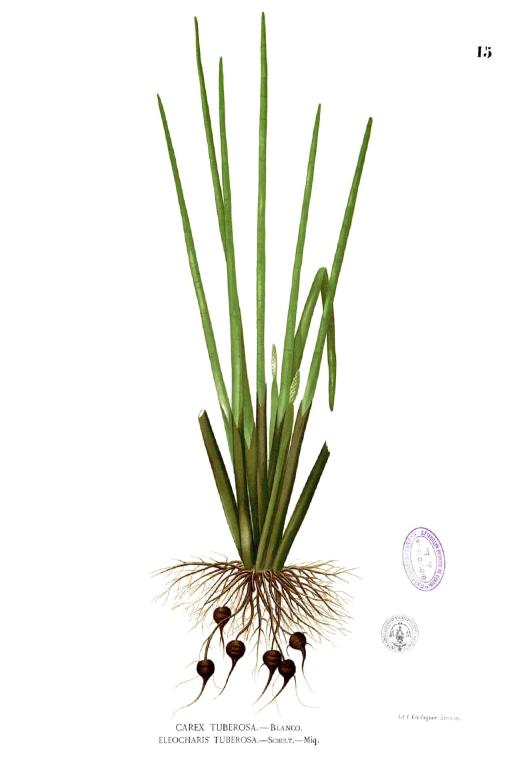
Chinese Water Chestnut
Eleocharis dulcis, commonly known as the Chinese water chestnut, is an aquatic sedge that produces edible corms. It is native to tropical and subtropical Asia, as well as parts of Oceania and tropical Africa. Characterized by its hollow, tubular green stems that resemble rushes, this plant thrives in flooded conditions such as marshes, ponds, and especially flooded paddy fields. The corms are crisp, sweet, and widely utilized in Asian cuisine. Cultivating this plant requires standing water during the growing season followed by draining before harvest.
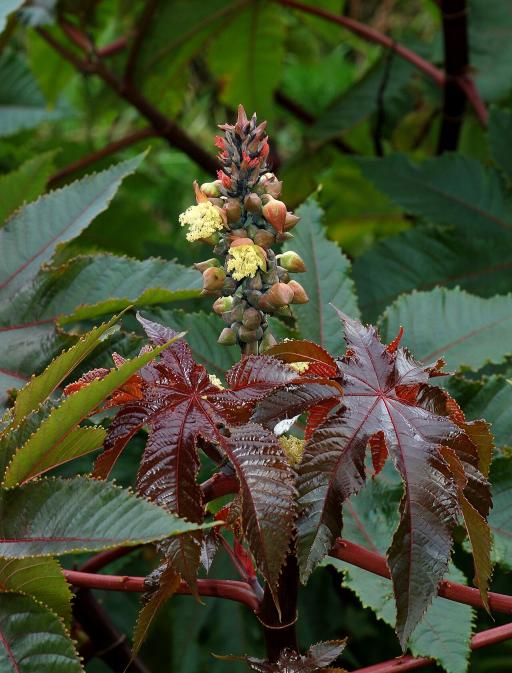
Castor Bean Plant
Ricinus communis, commonly known as the castor bean or castor oil plant, is a species of perennial flowering plant in the spurge family, Euphorbiaceae. It is the sole species in the monotypic genus, Ricinus, and subtribe, Racininae. The plant is well known for its large, star-shaped leaves and spiny seed capsules containing highly toxic ricin-bearing beans. Despite its toxicity, it is widely cultivated globally for commercial castor oil production, landscaping, and ornamental appeal due to its rapid growth and dramatic tropical foliage. It thrives in warm climates and requires ample sunlight and well-draining soil to reach its full potential size.
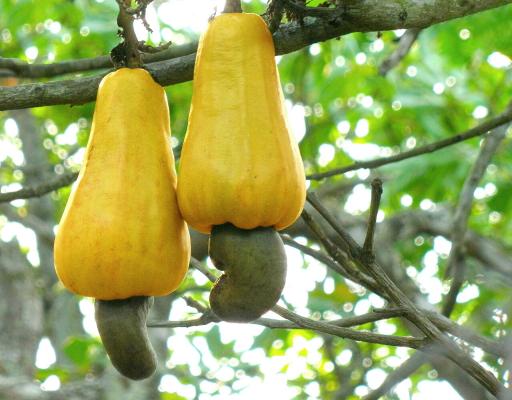
Cashew
The cashew tree is a tropical evergreen tree that produces the cashew seed and the cashew apple. Native to northeastern Brazil, it is now widely cultivated in tropical climates for its highly valued nuts and false fruits. The tree features a sprawling canopy and can grow quite large under optimal conditions. It thrives in warm temperatures with distinct wet and dry seasons. The unique growth habit involves the nut developing externally at the bottom of the fleshy cashew apple. Beyond its commercial value in the global food industry, various parts of the cashew plant have traditional uses in local medicines and manufacturing.
Pussy willow
Pussy willow is a delightful deciduous shrub or small tree widely celebrated for its distinctive furry, soft catkins that appear in early spring before the foliage emerges. Native to North America, this resilient plant thrives in moist soils and cool climates, making it a popular ornamental addition to gardens, particularly near water features or rain gardens. The catkins transition from silky silver to a dusting of golden yellow pollen as they mature, providing an essential early food source for emerging pollinators. Pruning right after flowering encourages vigorous new stem growth, ensuring an abundant display of catkins for the following year. This charming plant holds significant cultural importance in various spring celebrations and is frequently utilized in floral arrangements for its unique textural appeal and rustic aesthetic value.
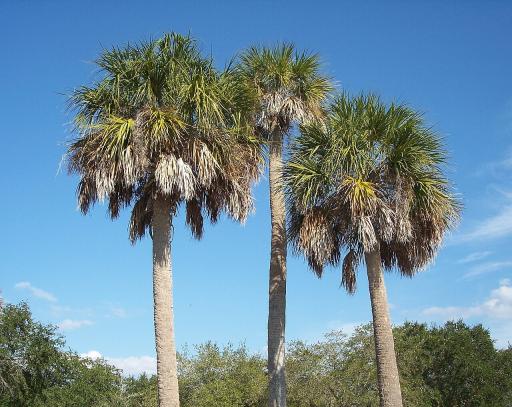
Cabbage Palm
Sabal palmetto, commonly known as the cabbage palm, is a very hardy and adaptable palm species native to the subtropical regions of North America, particularly the coastal areas of the southeastern United States. It serves as the official state tree of both Florida and South Carolina. This distinctive palm features a stout, single trunk that can grow up to twenty meters tall, topped with a dense, rounded crown of fan-shaped fronds. It is exceptionally resilient, tolerating salt spray, poor sandy soils, periodic flooding, and strong hurricane-force winds, making it a popular choice for coastal landscaping, urban avenues, and wildlife conservation areas.
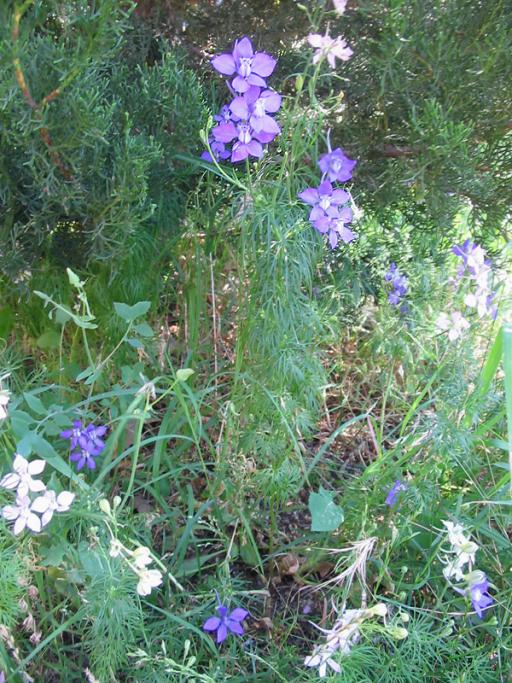
Larkspur
Larkspur is a charming and popular flowering plant belonging to the buttercup family, Ranunculaceae. Renowned for its tall, elegant spikes of densely packed blossoms in vibrant shades of blue, purple, pink, and white, this plant makes a stunning addition to traditional cottage gardens and floral arrangements. While widely appreciated for its ornamental beauty and ability to attract essential pollinators such as bees and butterflies, larkspur requires careful handling due to its highly toxic nature when ingested by humans and animals alike.
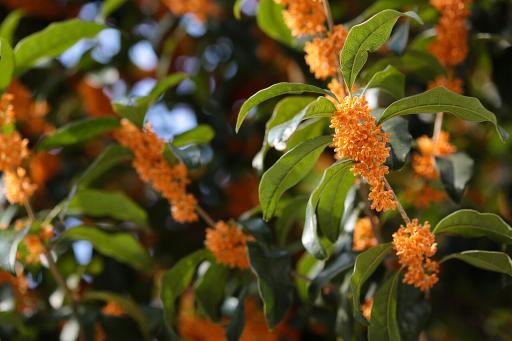
Osmanthus
Osmanthus fragrans is an exceptional evergreen shrub or small tree celebrated globally for its intensely fragrant, small white or yellowish blossoms that often perfume entire gardens during autumn or spring. Belonging to the Oleaceae family, this versatile botanical marvel thrives in temperate to subtropical climates. Gardeners prize it for its dense, glossy dark green foliage, making it a stellar choice for hedges, borders, or specimen plantings. Beyond its ornamental landscape appeal, the delicate flowers hold deep cultural significance in East Asia, where they are traditionally harvested to flavor teas, wines, and exquisite culinary delicacies.
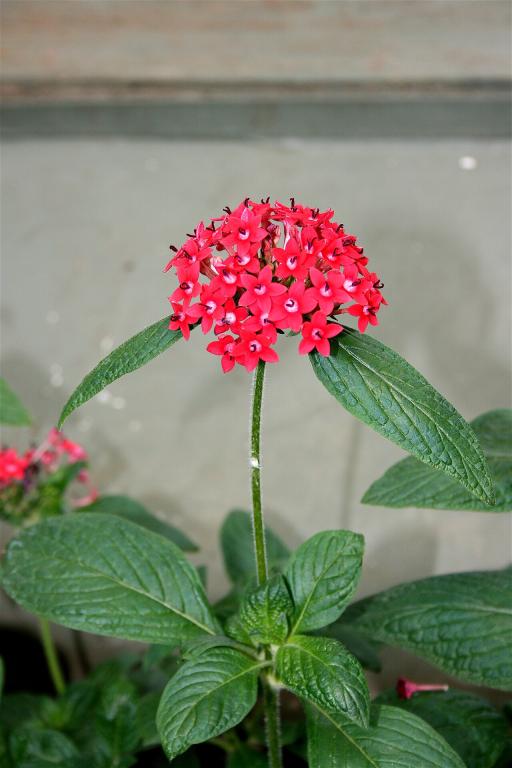
Pentas
Pentas lanceolata, commonly known as the Egyptian starcluster, is a popular perennial flowering plant belonging to the Rubiaceae family. Native to tropical Africa and the Arabian Peninsula, it is highly valued for its striking, star-shaped clusters of flowers that bloom continuously throughout the warm months. These vibrant blossoms come in shades of red, pink, purple, lavender, and white, making them a favorite ornamental choice for gardens, patios, and landscapes. Beyond their aesthetic appeal, pentas are renowned pollinators magnets, frequently attracting butterflies, bees, and hummingbirds to the garden. They thrive in warm climates and full sun, preferring well-draining soils with moderate moisture. While typically grown as perennials in frost-free regions, they are often treated as annuals in cooler climates.
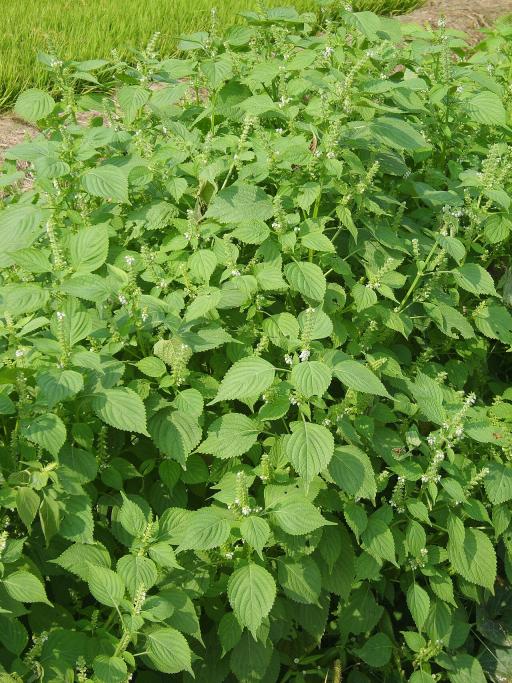
Perilla
Perilla is a stunning and versatile member of the mint family, Lamiaceae, highly valued for both its ornamental beauty and extensive culinary uses across East Asia. Characterized by its serrated, deeply colored leaves that range from vibrant green to rich purple, this robust herb releases a distinctive fragrance reminiscent of mint, anise, and basil when crushed. Often cultivated as an annual garden plant, perilla adapts remarkably well to various growing conditions, thriving in fertile, well-draining soils and soaking up the warmth of the sun. Beyond its aesthetic appeal in garden beds, it plays an integral role in traditional Japanese, Korean, and Chinese cuisine, frequently garnishing dishes, wrapping barbecued meats, or imparting a unique herbal flavor to oils and preserves.
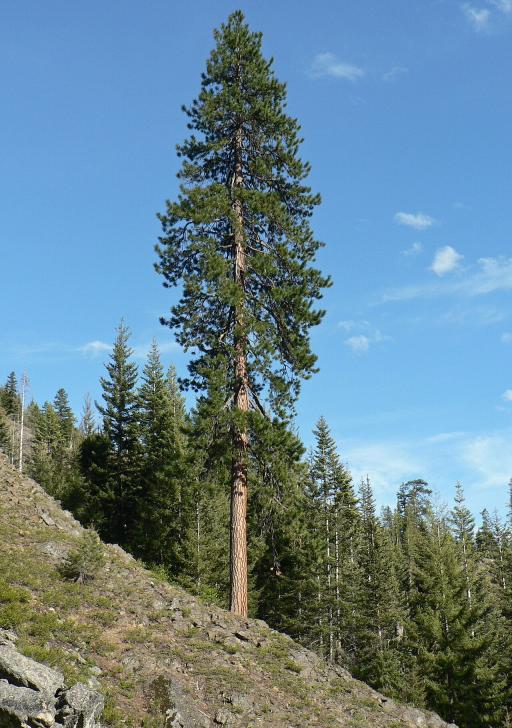
Ponderosa Pine
Pinus ponderosa, commonly known as the ponderosa pine, is a large pine tree species native to the mountainous regions of western North America. Recognized for its striking, vanilla-scented bark that breaks into large, puzzle-like plates with a cinnamon-red hue, this majestic conifer plays a critical role in forest ecosystems. It typically grows in dry, mountainous habitats, displaying impressive resilience to drought and periodic wildfires due to its thick bark and high-set branches. The tree provides essential habitat and food for various wildlife species, making it an ecological cornerstone across its natural range. Furthermore, it is heavily utilized in the timber industry for its strong, durable softwood.
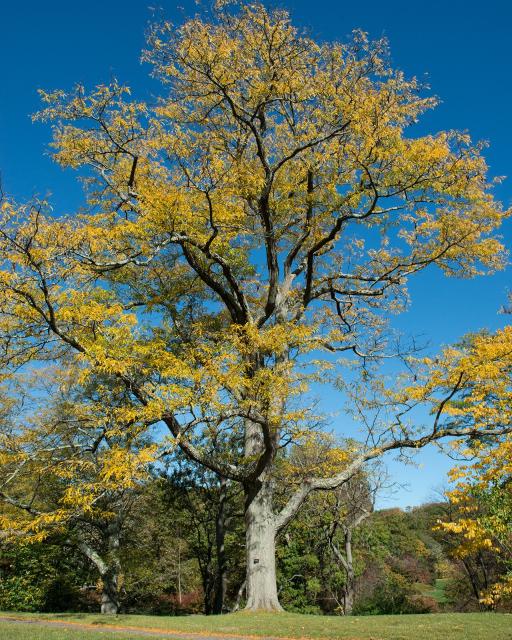
Honey Locust
The honey locust is a deciduous tree native to central North America, typically found in moist forest soils along streams and river valleys. Known for its delicate, fern-like compound leaves and often formidable branched thorns on the trunk and branches, this species has been widely planted in urban environments due to its high tolerance for poor soils, pollution, and drought. Cultivars without thorns are especially popular for landscaping, providing filtered shade with minimal maintenance required once established.
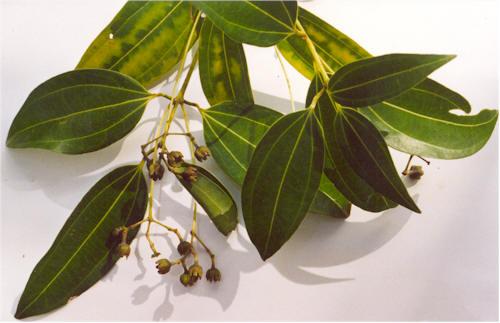
Cinnamon
Cinnamon is a small evergreen tree belonging to the Lauraceae family, native to Sri Lanka and parts of India. It is primarily known for its aromatic inner bark, which is widely utilized globally as a spice in both sweet and savory cooking. The tree features glossy green leaves, small yellowish-white flowers, and dark purple berries. Valued for thousands of years in ancient traditions, cinnamon thrives in tropical environments with high humidity and well-draining soils. Beyond its culinary uses, it has a rich history in traditional medicine, perfumery, and aromatherapy, largely due to the essential oils found within its bark and leaves, making it one of the most economically important and beloved trees in the spice trade.
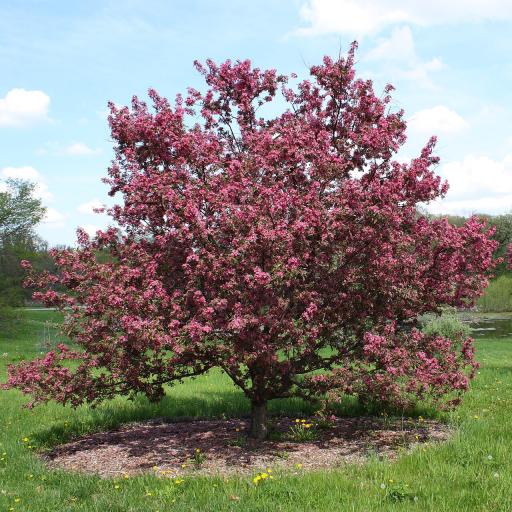
Crabapple
Crabapples are stunning deciduous trees or large shrubs belonging to the Rosaceae family, widely celebrated for their breathtaking spring blossoms and colorful autumn fruit displays. They serve as exceptional ornamental additions to temperate landscapes, providing multi-seasonal interest with vibrant pink, white, or red flowers followed by small, tart fruits that attract numerous species of wildlife. Adaptable and hardy, crabapples thrive in full sun and well-drained soils, making them a favorite choice among landscape architects and home gardeners alike for urban and rural settings.
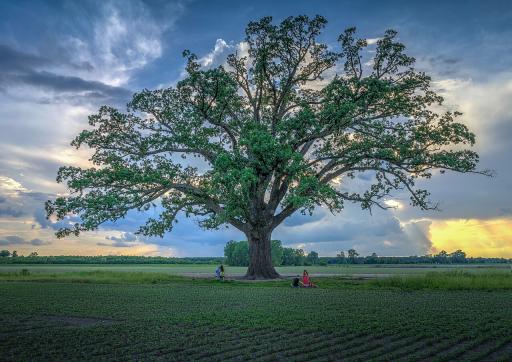
Bur Oak
Quercus macrocarpa, commonly known as the bur oak, is a species of oak native to North America, primarily in the eastern and central United States and south-central Canada. It is a large deciduous tree characterized by its massive trunk, expansive canopy, and distinctive large acorns encased in a mossy, fringed cup. The bur oak is exceptionally hardy and resilient, known for its ability to withstand urban pollution, drought, and severe windstorms. It plays a crucial ecological role by providing food and habitat for various wildlife species, including squirrels, birds, and deer. Historically, its durable wood has been utilized for construction, furniture, and shipbuilding. This magnificent tree is frequently planted in large parks and open landscapes as a prominent shade specimen.
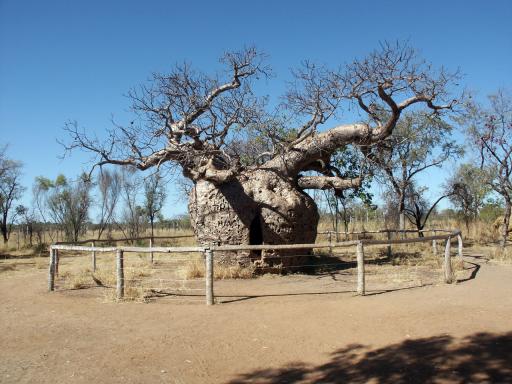
Australian Baobab
Adansonia gregorii, commonly known as the Australian baobab or boab, is a distinctive deciduous tree endemic to the Kimberley region of Western Australia and parts of the Northern Territory. Famous for its remarkably swollen, bottle-shaped trunk which stores vast amounts of water to survive harsh arid conditions, the boab can reach heights up to 15 meters with a massive canopy spread. It sheds its leaves during the dry winter months, producing large, creamy-white flowers pollinated by bats and nocturnal insects. The tree yields large, woody fruit capsules filled with an edible, vitamin-rich powdery pulp surrounding dark seeds, which has traditionally sustained Indigenous Australians for thousands of years as both a vital source of nourishment and hydration in remote desert landscapes.
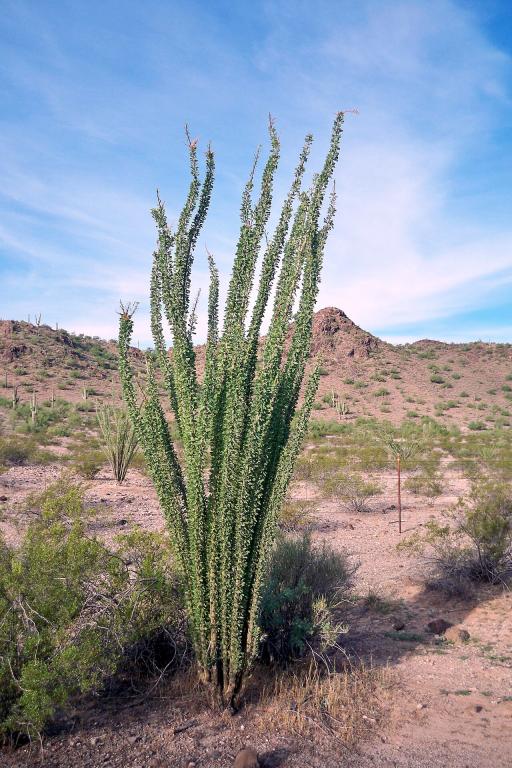
Ocotillo
Ocotillo is a striking desert succulent shrub native to the southwestern United States and northern Mexico. Recognized by its long, whip-like, spiny cane stems, it remains dormant and appears dead during dry periods. However, it dramatically bursts into lush green leaves and produces brilliant crimson-red tubular flowers shortly after rainfall. This remarkable plant is exceptionally well-adapted to extreme arid environments, thriving in intense heat and poor soils. It is frequently cultivated in xeriscape gardens for its unique architectural form and its incredible ability to attract hummingbirds.
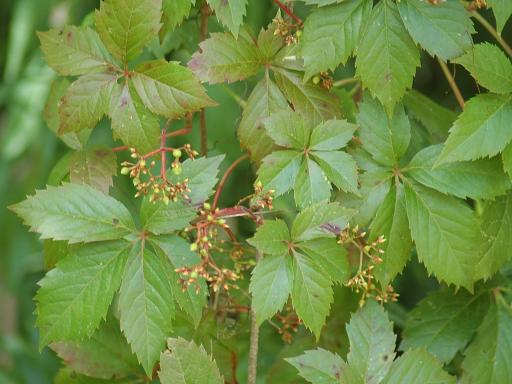
Virginia creeper
Virginia creeper is a vigorous, deciduous woody vine native to eastern and central North America. Renowned for its brilliant autumn foliage that transitions from deep green to vibrant shades of red and purple, it is frequently cultivated as an ornamental plant to cover walls, fences, and trellises. The plant climbs aggressively using specialized adhesive tendrils tipped with small suction disks, allowing it to scale smooth vertical surfaces without causing structural damage. It produces inconspicuous greenish flowers followed by small, dark blue berries that serve as an important food source for local birds and wildlife throughout the winter months.
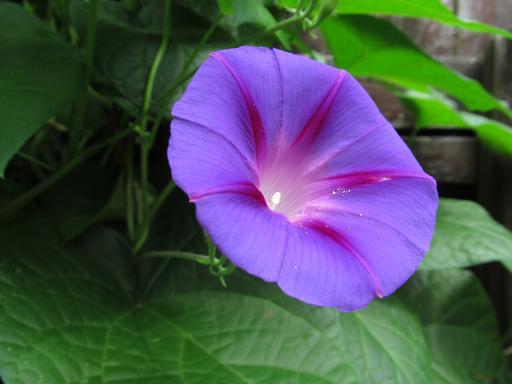
Morning Glory
Morning glory is a widely popular flowering vine known for its vibrant trumpet-shaped blooms that typically open in the morning and close by the afternoon. Belonging to the Convolvulaceae family, these fast-growing annual or perennial plants are frequently used to cover fences, trellises, and walls in gardens around the world. They thrive in warm climates with full sun exposure and well-draining soil. While prized for their ornamental beauty and ability to attract pollinators like hummingbirds and bees, certain parts of the plant, especially the seeds, contain compounds that can cause toxicity if ingested by humans or pets.
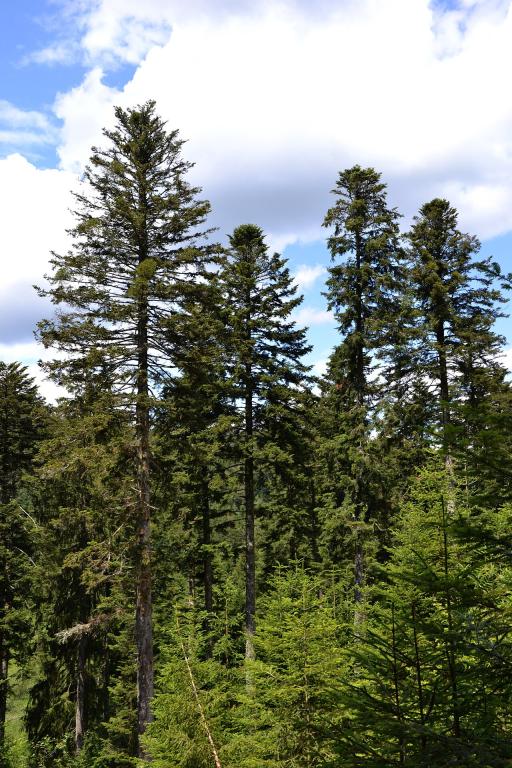
Conifer
Conifers are a diverse division of vascular land plants containing single extant class, Pinopsida. They are gymnosperms, meaning they bear seeds unprotected in an ovule rather than enclosed in a fruit. Most conifers are trees, though some are bushes or shrubs. Famous examples include pines, spruces, firs, and cedars. They typically feature needle-like or scale-like leaves and produce woody cones. Conifers dominate vast boreal forests across the Northern Hemisphere and hold immense ecological and economic importance worldwide for timber and paper production, as well as serving as popular evergreen landscape and ornamental plants in gardens.
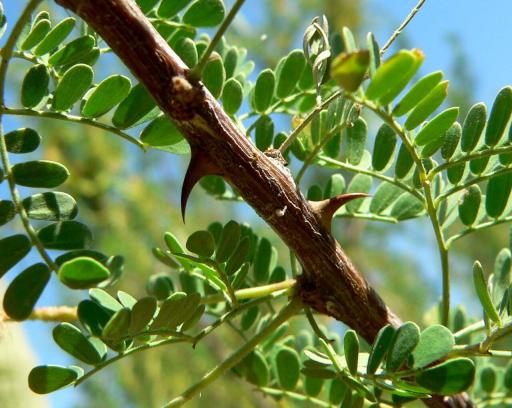
Acacia
Acacia is a large genus of shrubs and trees belonging to the subfamily Mimosoideae of the pea family Fabaceae. They are widely distributed throughout tropical and subtropical regions of the world, particularly in Australia, which is home to the majority of species. Acacias are well known for their distinctive bipinnate leaves and clusters of small, bright yellow or white flowers that often resemble tiny fluffy spheres. Many species are exceptionally drought-tolerant, making them prominent components of arid and semi-arid ecosystems. Beyond their ecological significance in preventing soil erosion and providing habitats for native wildlife, various acacia species hold considerable economic importance. They are utilized globally for timber production, high-grade paper manufacturing, tannin extraction for the leather industry, and traditional medicinal applications.
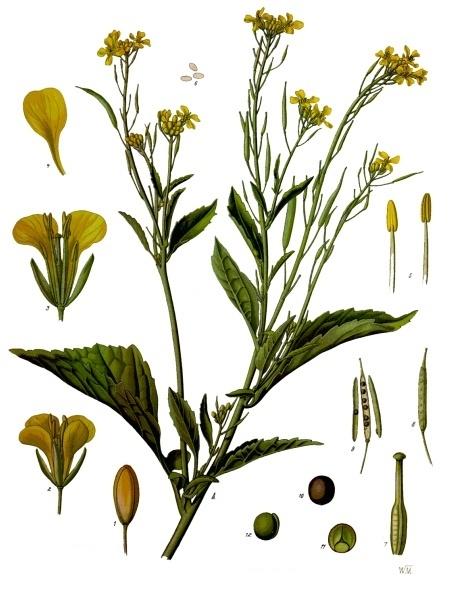
Mustard plant
The mustard plant is a fast-growing annual herb belonging to the Brassicaceae family, widely cultivated for its nutritious leaves and pungent seeds. These versatile plants feature bright yellow flowers and lobed green leaves, thriving in cooler temperate climates. Both the greens and the seeds are extensively utilized in culinary applications globally, ranging from fresh salads and stir-fries to the production of sharp, spicy table condiments. Additionally, mustard plants are frequently grown as cover crops to improve soil structure and suppress weeds through biofumigation properties.
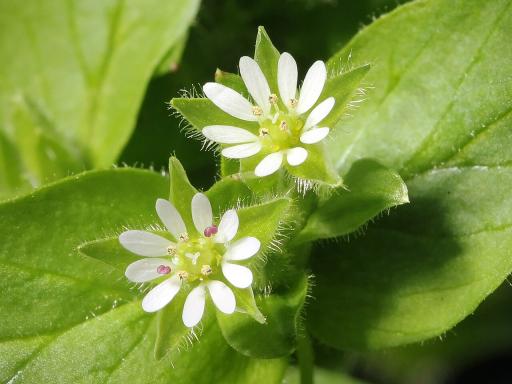
Chickweed
Chickweed is a widespread annual and winter annual plant native to Eurasia and naturalized throughout much of the world. It belongs to the Caryophyllaceae family and is commonly found in gardens, fields, and disturbed soils. Characterized by its low-growing, creeping habit, small white star-like flowers, and a distinct line of hairs running along the stem, chickweed thrives in cool, moist environments. While often managed as a lawn or garden weed, it is edible, highly nutritious, and frequently utilized in herbal medicine for soothing skin irritations and supporting respiratory and digestive health.
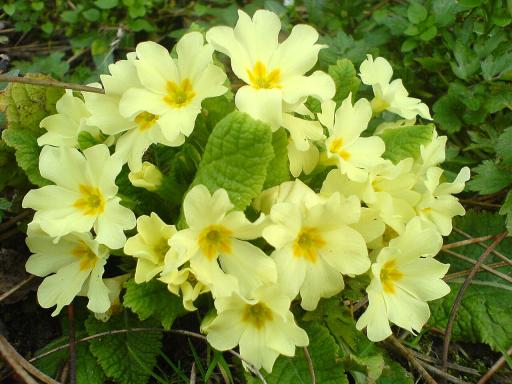
Primrose
The primrose is a beloved perennial herbaceous flowering plant native to western and southern Europe, northwest Africa, and parts of southwest Asia. Known for its cheerful, pale yellow blossoms that appear in early spring, this charming woodland plant brightens up gardens just as winter fades away. Primroses typically form low-growing rosettes of wrinkled, oval green leaves from which individual flowers emerge on slender stalks. They thrive in damp, shaded environments such as woodland floors, hedgerows, and stream banks. Gardeners frequently cultivate them in borders, rock gardens, and container pots. They symbolize youth and renewed life, making them a traditional favorite for springtime displays across many temperate regions.
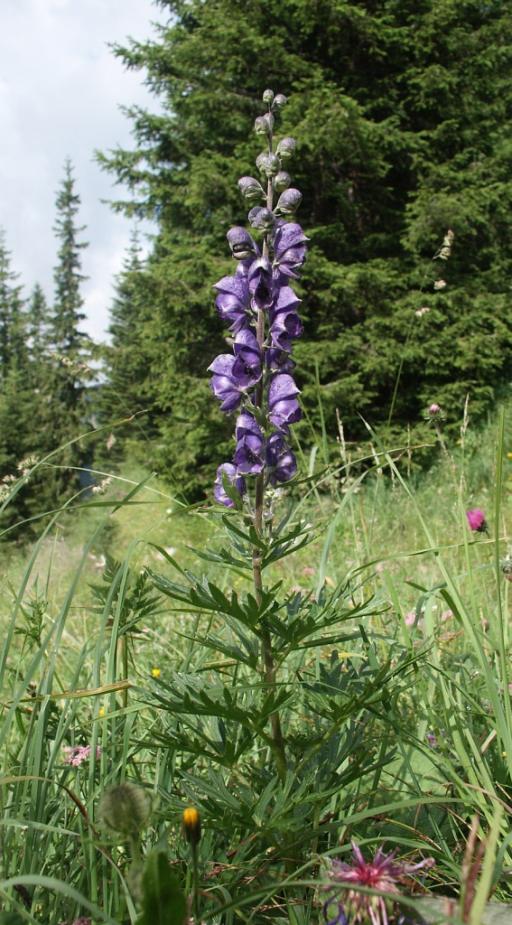
Wolf's bane
Wolf's bane, scientifically known as Aconitum napellus, is a remarkably striking yet dangerously toxic perennial herbaceous plant belonging to the buttercup family, Ranunculaceae. Native to the mountainous regions of Western and Central Europe, it is widely celebrated for its distinctive, helmet-shaped hooded flowers that typically bloom in striking shades of deep purple or blue during the summer months. Historically, the plant has held a notorious reputation in folklore, literature, and ancient warfare due to its extreme toxicity. Despite its deadly nature, it has occasionally been utilized in controlled historical herbalism for pain relief, although such practices are virtually obsolete today due to the severe risks involved. Cultivating this plant requires extreme caution, sturdy gloves, and a secure location far away from children, pets, and livestock to prevent accidental poisoning or severe systemic toxicity.