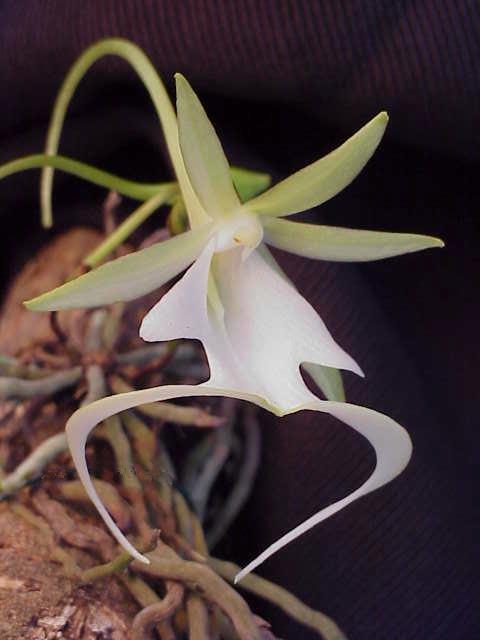
Ghost Orchid
Dendrophylax lindenii
Identified By Marcs
The ghost orchid is a fascinating and rare epiphyte native to the swampy forests of Florida, the Bahamas, and Cuba. Lacking traditional leaves, this remarkable plant relies entirely on its greenish, greyish roots for photosynthesis, clinging directly to the bark of host trees like pond cypress and pop ash. Its common name stems from the ethereal appearance of its striking white blossoms, which seem to magically hover in mid-air when in full bloom during the warm summer months. Because of its strictly specialized ecological requirements, microscopic mycorrhizal associations, and extremely specific habitat demands, cultivating the ghost orchid outside of its native wetland environment is notoriously difficult and nearly impossible for average hobbyists.
Growth & Dimensions
Ideal Environment
Everglades Wetland Ecosystem
Climate: Subtropical swamp with consistently high humidity, warm temperatures, and frequent rainfall.
Native Regions
Care Guide
Humidity and Watering
Provide exceptionally high humidity levels between 70 and 95 percent. Mist exposed roots daily with pure, chemical-free water, ensuring they dry out quickly to prevent fungal rot.
Light Requirements
Keep in filtered, dappled shade mimicking the deep canopy of a swamp forest. Never expose to direct, harsh sunlight which will easily burn the photosynthetic roots.
Propagation Methods
Seed
Propagation from seed is extremely challenging and requires sterile laboratory flasking techniques with specific mycorrhizal fungi.
Common Diseases & Pests
Root Rot
FungalBrowning, mushy, or decaying root tissue that loses its silvery-green appearance.
Trim away infected sections with a sterile tool and improve air circulation around the mounting surface.
Avoid letting the roots stay waterlogged for extended periods and use clean, unpolluted water.
Properties & Benefits
Key Nutrients / Compounds
OTHER PLANTS
Ghost Orchid
The ghost orchid is a fascinating and rare epiphyte native to the swampy forests of Florida, the Bahamas, and Cuba. Lacking traditional leaves, this remarkable plant relies entirely on its greenish, greyish roots for photosynthesis, clinging directly to the bark of host trees like pond cypress and pop ash. Its common name stems from the ethereal appearance of its striking white blossoms, which seem to magically hover in mid-air when in full bloom during the warm summer months. Because of its strictly specialized ecological requirements, microscopic mycorrhizal associations, and extremely specific habitat demands, cultivating the ghost orchid outside of its native wetland environment is notoriously difficult and nearly impossible for average hobbyists.
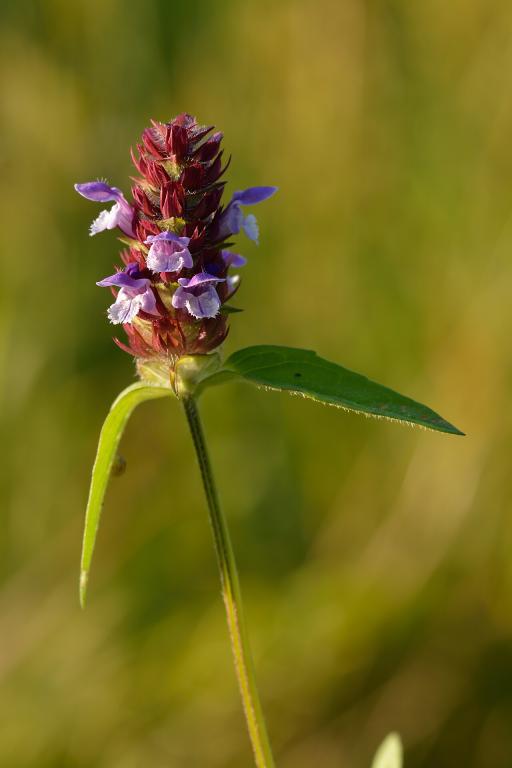
Prunella
Prunella, commonly known as self-heal, is a low-growing herbaceous perennial plant belonging to the mint family, Lamiaceae. Widely distributed across temperate regions of the Northern Hemisphere, it is often found thriving in lawns, meadows, woodlands, and along roadsides. Characterized by its square stems, opposite leaves, and dense spikes of purple-blue or violet flowers, prunella has a long history of traditional use in herbal medicine. It is remarkably resilient, capable of adapting to various soil types and mowing regimes, making it both a familiar wild flower and a hardy garden plant. The leaves and young stems are entirely edible, often consumed raw in salads or cooked as a potherb, while its medicinal properties have been cherished for centuries by various cultures.
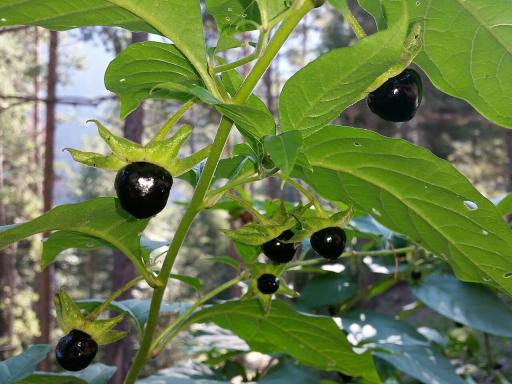
Deadly Nightshade
Atropa bella-donna, commonly known as deadly nightshade, is a perennial herbaceous plant belonging to the nightshade family Solanaceae, which also includes economically important crops like tomatoes, potatoes, and eggplants. Native to Europe, North Africa, and Western Asia, this notorious plant is celebrated both for its historical uses in cosmetics and medicine and feared for its extreme toxicity. It features dull green leaves, bell-shaped purple flowers, and shiny black berries that contain potent tropane alkaloids. Despite its lethal nature, extracts from the plant have been utilized in ophthalmology and pharmacology for centuries.
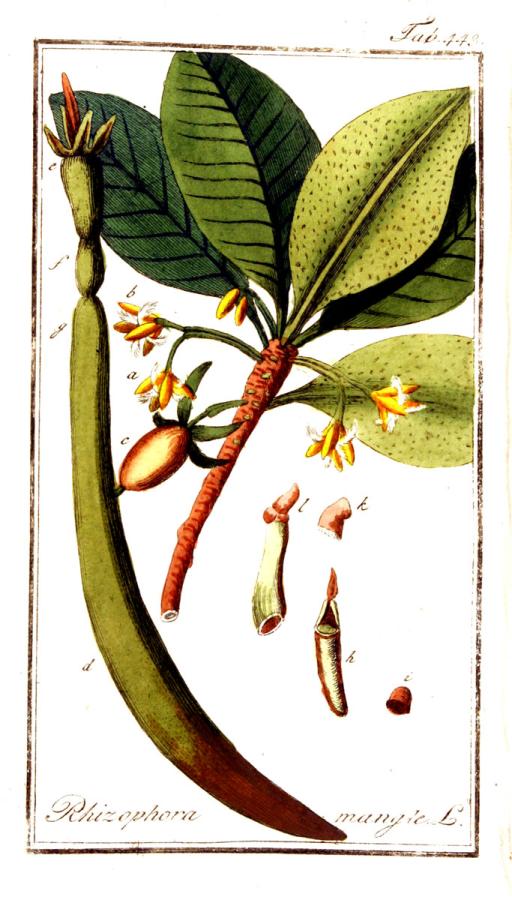
Mangrove
Mangroves are remarkable salt-tolerant trees and shrubs that thrive in the harsh coastal intertidal zones of tropical and subtropical regions. They possess specialized adaptations such as complex aerial root systems, including prop roots and pneumatophores, which allow them to survive in oxygen-poor, waterlogged mud and filter out salt from seawater. These resilient plants play an ecologically vital role by protecting coastlines from storm surges, preventing erosion, and serving as essential nurseries for numerous marine species, thereby supporting rich coastal biodiversity.
Mesquite
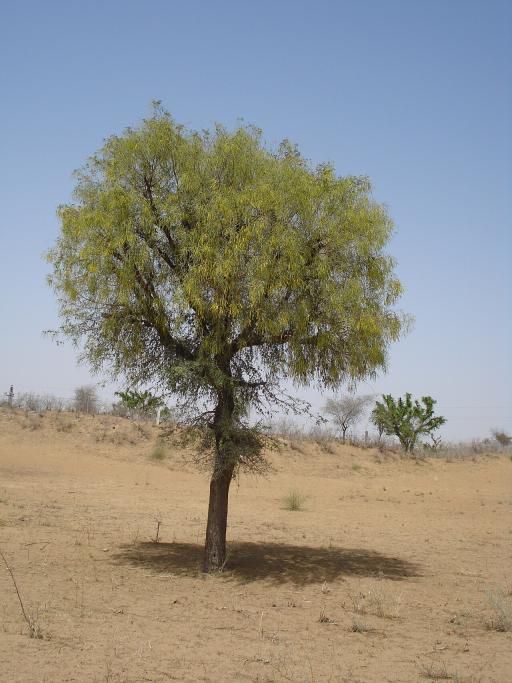
Mesquite is a genus of flowering plants in the legume family, Fabaceae. It contains about 40 species of spiny trees and shrubs, mostly native to arid and semi-arid regions of the Americas, Africa, and southwest Asia. They are remarkably hardy plants capable of withstanding severe drought conditions thanks to their exceptionally deep taproots, which can reach deep into the water table. Mesquite wood is extremely dense and hard, highly valued for barbecuing due to the distinctive sweet smoke flavor it produces. The pods are rich in nutrients and have historically been used as a staple food source by indigenous peoples, ground into a sweet flour.
Pokeweed
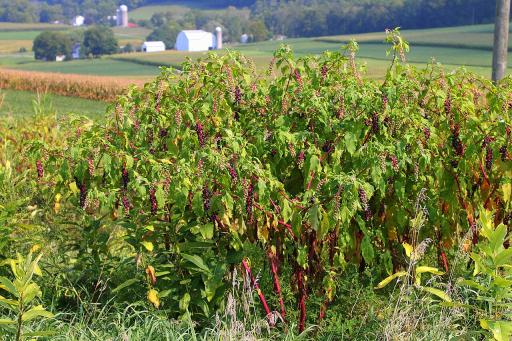
Pokeweed is a large, herbaceous perennial plant native to eastern North America, known for its distinctive reddish-purple stems, large leaves, and drooping clusters of dark purple berries. While young shoots are sometimes consumed after meticulous boiling, all parts of the mature plant, especially the roots and berries, contain potent toxins that can cause severe gastrointestinal distress and other systemic symptoms in humans and animals. Despite its toxic nature, it serves as an important ecological food source for numerous bird species and possesses a striking architectural presence in wild or naturalized garden settings.
Water hemlocks
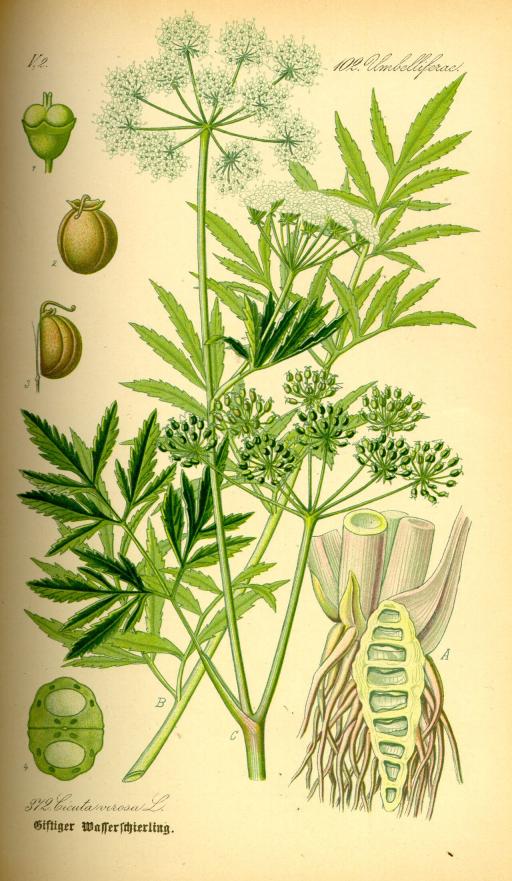
Water hemlocks are a small genus of highly poisonous plants comprising four species of biennial or perennial herbaceous plants in the carrot family, Apiaceae. They are extremely toxic plants that are native to temperate regions of the Northern Hemisphere, particularly North America and Eurasia. Typically found growing in wet meadows, along streambanks, marshes, and other damp habitats, these plants feature small white flowers arranged in umbrella-shaped clusters known as umbels. They possess characteristic hollow, swollen root nodes that contain a high concentration of cicutoxin, a potent neurotoxin that causes violent seizures and death. Because of their extreme toxicity, they are widely considered among the most dangerous plants in North America, posing a severe threat to humans, livestock, and wildlife alike.
Manchineel
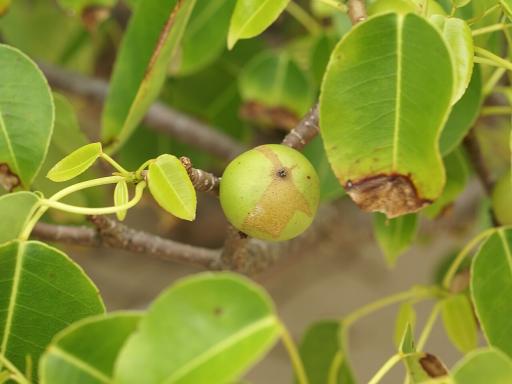
The manchineel is widely recognized as one of the most dangerous trees in the entire world, native to tropical regions of southern North America, Central America, the Caribbean, and northern South America. Every single part of this remarkable yet perilous tree, including its bark, leaves, flowers, and fruits, contains a powerful and highly toxic milky sap that can cause severe chemical burns, inflammation, and temporary or permanent blindness upon contact with human skin or eyes. Despite its extreme toxicity, the manchineel plays a vital ecological role in coastal environments by stabilizing sandy beaches and acting as an effective natural windbreak against severe tropical storms and hurricanes.
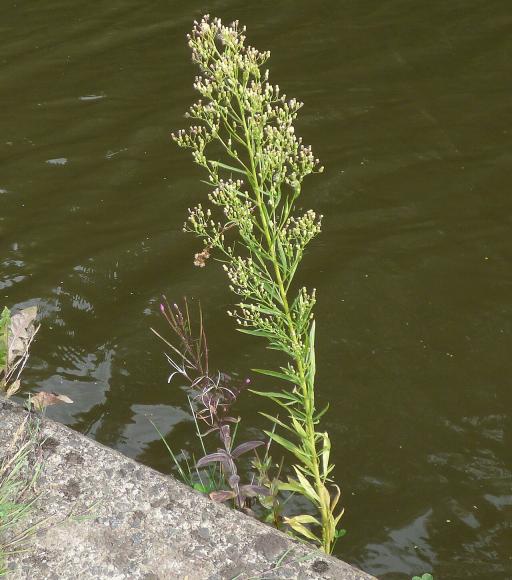
Horseweed
Horseweed is a common annual herb native to North America that has spread extensively throughout temperate regions across the globe. Characterized by its tall, unbranched, hairy stem and narrow, crowded leaves, it frequently grows as a weed in disturbed soils, agricultural fields, and waste areas. Despite often being considered a troublesome agricultural weed due to its resistance to certain herbicides, horseweed has historical uses in traditional herbal medicine and possesses mild astringent properties. Its prolific seed production allows it to colonize new environments rapidly via wind dispersal.
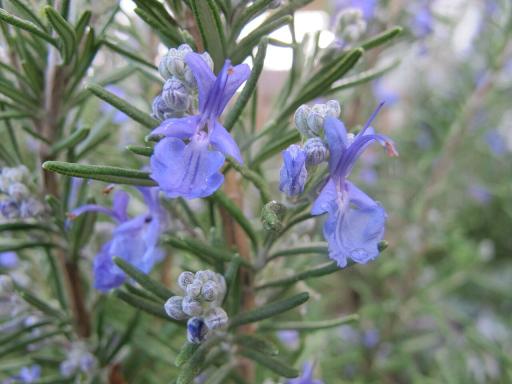
Rosemary
Rosemary is a woody, perennial herb with fragrant, evergreen, needle-like leaves and white, pink, purple, or blue flowers, native to the Mediterranean region. It is a member of the mint family Lamiaceae, which includes many other herbs. Known for its distinct aroma and pine-like flavor, rosemary has been used for centuries in culinary traditions, traditional medicine, and cosmetics. It thrives in sunny, well-drained environments and is remarkably drought-tolerant once established. Beyond its culinary uses, rosemary is celebrated for its essential oils, ornamental value in landscaping, and historical symbolism associated with remembrance and fidelity.
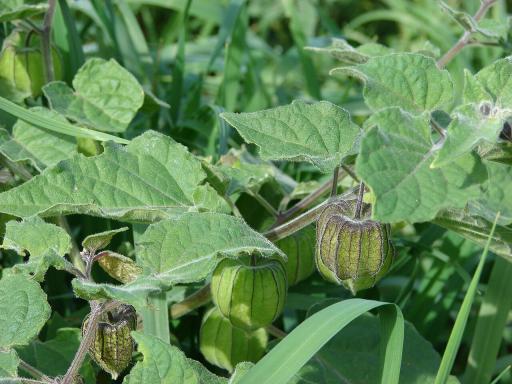
Groundcherry
Groundcherry refers to several species of herbaceous plants in the nightshade family, most notably Physalis pruinosa, grown for their small, sweet, edible fruits. The fruit is uniquely encased in a papery husk resembling a Chinese lantern. As the fruit ripens, it turns a golden-yellow and drops to the ground inside its protective covering. Groundcherries thrive in warm, sunny climates and are cultivated similarly to tomatoes. They offer a delightful sweet-tart flavor profile often compared to a mix of pineapple, vanilla, and tomato, making them exceptionally popular in jams, pies, and fresh eating.
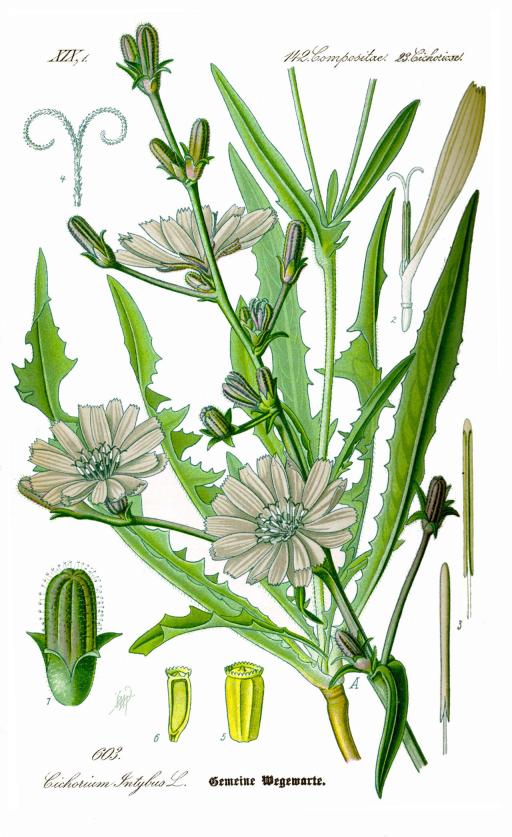
Chicory
Chicory is a somewhat woody, perennial herbaceous plant belonging to the dandelion family Asteraceae. It typically features bright blue flowers, occasionally white or pink, and has been cultivated for centuries for its various culinary, medicinal, and agricultural uses. The leaves are often used in salads, while the roasted root is widely utilized as a coffee substitute and flavoring additive. Additionally, chicory is exceptionally rich in inulin, a type of prebiotic dietary fiber that promotes digestive health by supporting beneficial gut bacteria. It thrives in well-drained soils and full sunlight environments globally.
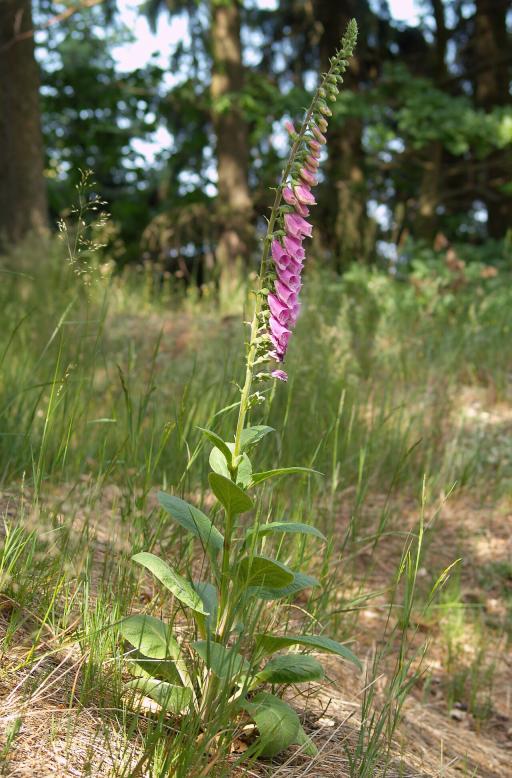
Foxglove
Digitalis purpurea, commonly known as foxglove, is a striking biennial or short-lived perennial plant renowned for its magnificent, tall spikes of tubular, bell-shaped flowers marked with distinctive spots inside. Native to temperate Europe, western Asia, and northwestern Africa, it naturally populates open woodland areas, clearings, and moorlands. Although widely cultivated as a dramatic ornamental feature in cottage gardens and shaded borders, every single part of the plant contains potent cardiac glycosides. These powerful chemical compounds have historically served as the foundational source for crucial heart medications, yet they render the entire plant extremely toxic when ingested by humans and domestic animals alike.
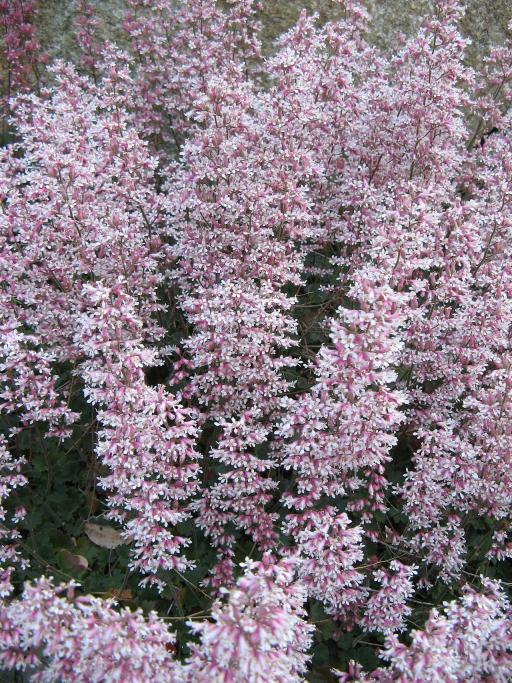
Coral bells
Coral bells are exceptionally popular perennial foliage plants prized for their vividly colored, ruffled leaves that range from lime green and amber to deep purple and near-black. Native to North America, they form neat, mounding rosettes that add continuous seasonal interest to shade gardens, borders, and container arrangements. In addition to their stunning foliage, they produce slender, wiry stems topped with dainty, bell-shaped flowers in shades of pink, red, or white that attract hummingbirds and pollinators throughout the late spring and summer months.
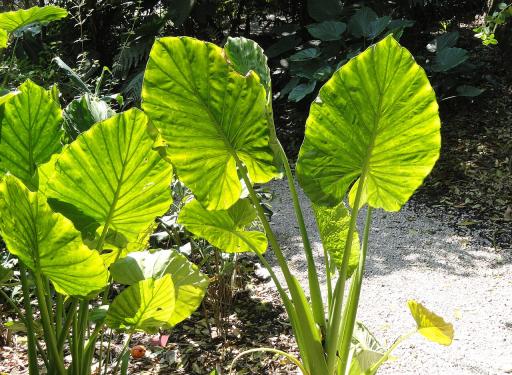
Alocasia
Alocasia is a genus of rhizomatous or tuberous perennial flowering plants from the family Araceae. Known for their dramatic, arrow-shaped or shield-shaped leaves, they make striking houseplants and tropical garden specimens.
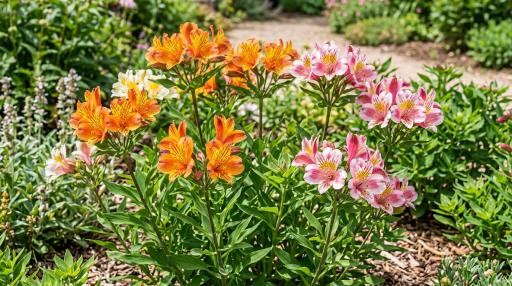
Alstroemeria
Alstroemeria is a genus of flowering plants known commonly as the Peruvian lily or lily of the Incas. Native to South America, they are popular garden plants and florist staples due to their vibrant, orchid-like flowers and exceptional vase life.
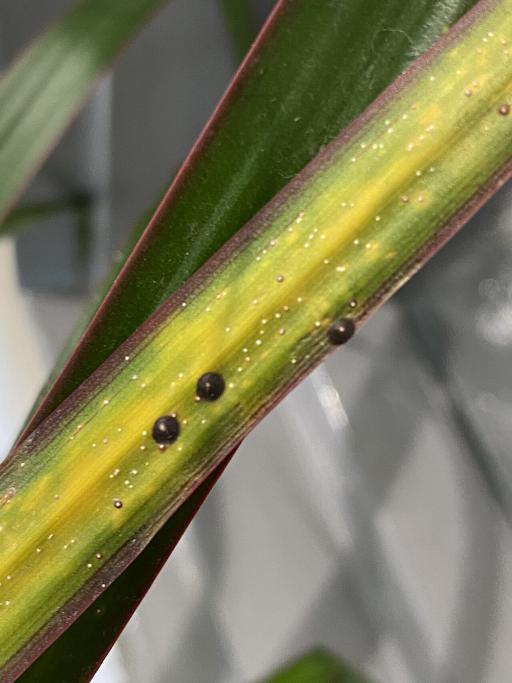
Dracaena
Dracaena is a popular genus of about 120 species of shrubs and tree-like plants, highly valued for their striking foliage and air-purifying capabilities in indoor environments.
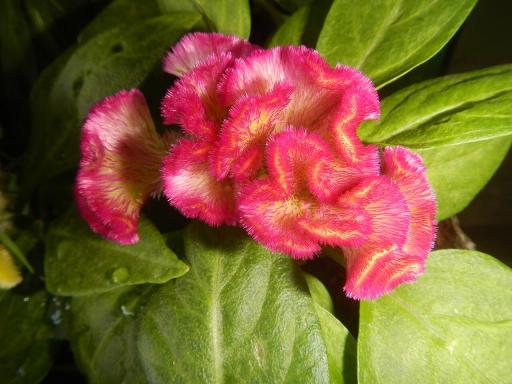
Comb Flower
Comb flower is a striking ornamental plant known for its brightly colored, velvety flower heads that resemble a rooster's comb. It thrives in warm weather and is popular in gardens and as a cut flower.
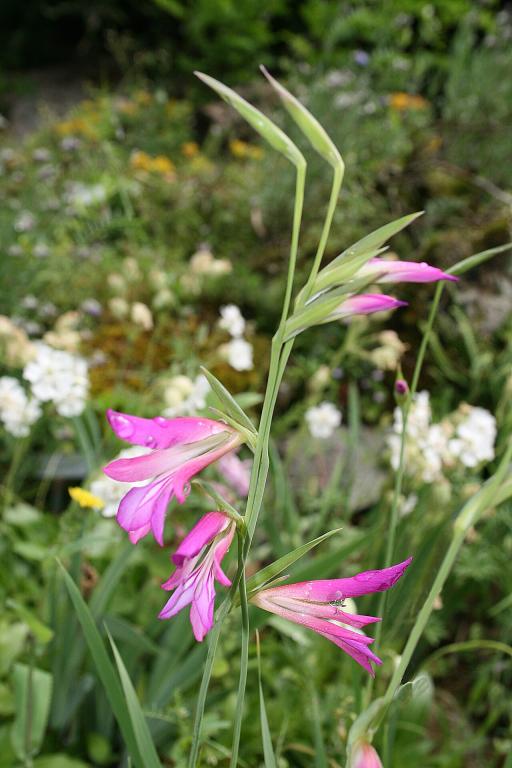
Gladiolus
Gladiolus is a genus of perennial bulbous flowering plants in the iris family. Known for their tall spikes of brightly colored flowers, they are popular favorites in gardens and floral arrangements.
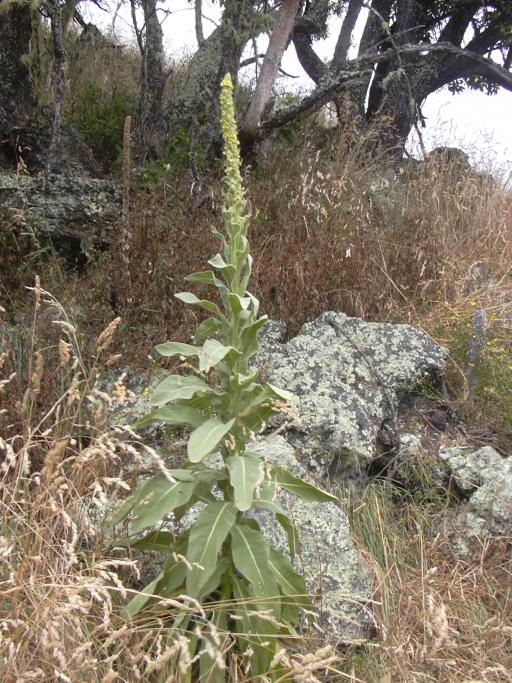
Mullein
Mullein is a biennial herb known for its tall, stately flowering spikes of yellow blooms and soft, woolly, flannel-like leaves. It thrives in disturbed soils and open, sunny environments.
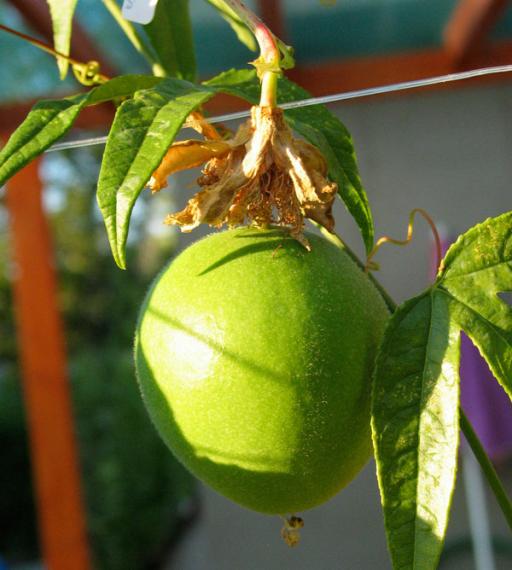
Passion Flower
Passiflora, commonly known as passion flowers or passion vines, is a genus of about 500 species of flowering plants, known for their brilliantly complex blossoms and edible fruit.
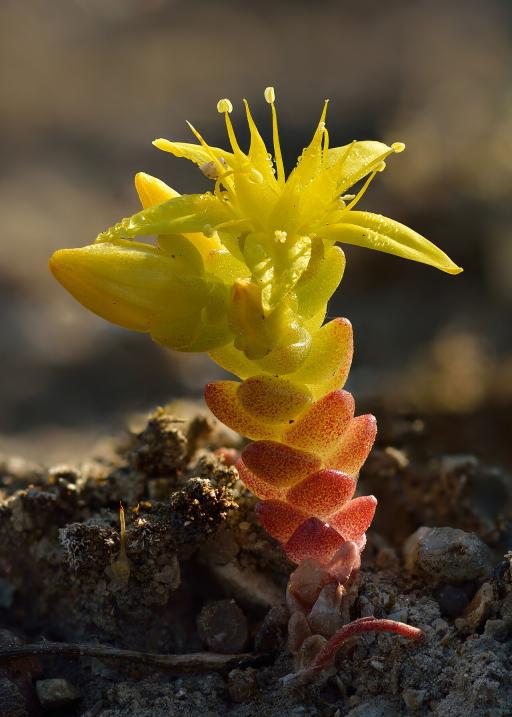
Sedum
Sedum is a large genus of flowering plants in the family Crassulaceae, commonly known as stonecrops. They are succulent perennials known for their fleshy leaves, water-storing capabilities, and resilience in poor soils and dry conditions.
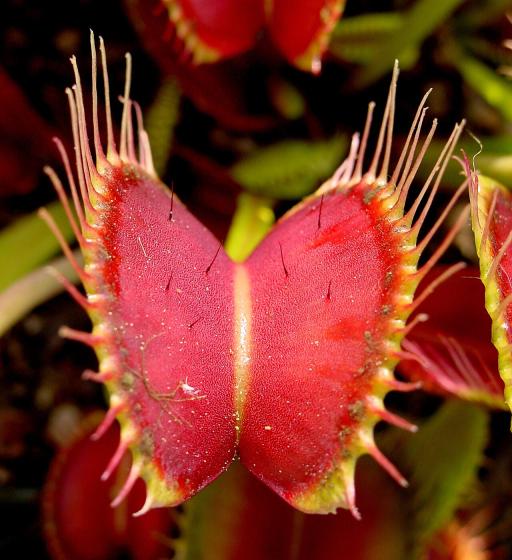
Venus flytrap
The Venus flytrap is a carnivorous plant native to subtropical wetlands on the East Coast of the United States. It catches and digests animal prey—mostly insects and arachnids—with a trapping mechanism formed by the terminal portion of each of the plant's leaves.
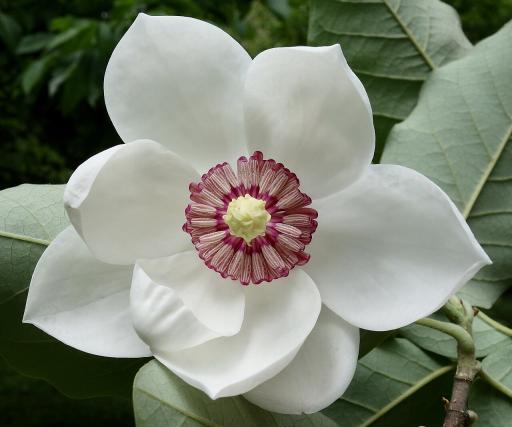
Magnolia Tree
Magnolia is a large genus of about 210 flowering plant species in the subfamily Magnolioideae of the family Magnoliaceae. It is named after French botanist Pierre Magnol. Magnolias are ancient plants, appearing before bees did; their flowers evolved to be pollinated by beetles.