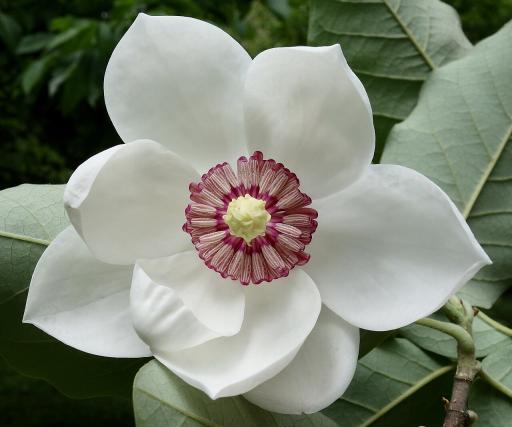
Magnolia Tree
Magnolia
Identified By Unknown Guest
Magnolia is a large genus of about 210 flowering plant species in the subfamily Magnolioideae of the family Magnoliaceae. It is named after French botanist Pierre Magnol. Magnolias are ancient plants, appearing before bees did; their flowers evolved to be pollinated by beetles.
Growth & Dimensions
Ideal Environment
Temperate and Subtropical Zones
Climate: Mild winters and warm, humid summers with moderate to high rainfall.
Native Regions
Care Guide
Watering
Water deeply once a week during dry spells to establish a strong root system. Mature trees are somewhat drought tolerant but prefer consistently moist soil.
Sunlight
Plant in an area that receives full sun to partial shade. Full sun promotes the heaviest blooming.
Soil and Fertilizer
Prefers rich, moist, slightly acidic, and well-draining soil. Apply a balanced slow-release fertilizer in early spring before new growth begins.
Pruning
Prune lightly only after flowering is complete. Avoid heavy pruning as magnolias can bleed sap and are slow to heal from large cuts.
Propagation Methods
Cutting
Take semi-hardwood cuttings in summer, apply rooting hormone, and place in a humid propagation medium.
Seed
Extract seeds from ripe cones, clean off the fleshy aril, stratify in cold storage over winter, and plant in spring.
Common Diseases & Pests
Leaf Spot
FungalBrown or black spots on leaves, sometimes leading to premature leaf drop.
Remove and destroy infected fallen leaves. Apply a fungicidal spray if the infection is severe.
Ensure good air circulation and avoid overhead watering.
Scale Insects
PestSmall bumps on twigs and branches, sticky honeydew residue, and sooty mold.
Treat with horticultural oil or insecticidal soap during the crawler stage.
Monitor trees regularly and encourage beneficial insects.
Properties & Benefits
Uses & Health Benefits
Traditional Medicinal Use
Bark extracts from certain magnolia species have been used in traditional medicine for stress relief, digestion, and respiratory support.
Precautions: Consult a healthcare professional before use, as excessive amounts can cause side effects.
Key Nutrients / Compounds
OTHER PLANTS
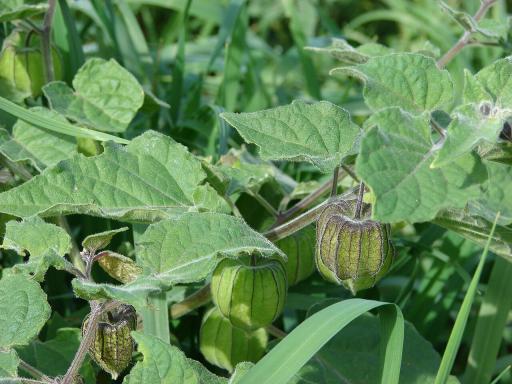
Groundcherry
Groundcherry refers to several species of herbaceous plants in the nightshade family, most notably Physalis pruinosa, grown for their small, sweet, edible fruits. The fruit is uniquely encased in a papery husk resembling a Chinese lantern. As the fruit ripens, it turns a golden-yellow and drops to the ground inside its protective covering. Groundcherries thrive in warm, sunny climates and are cultivated similarly to tomatoes. They offer a delightful sweet-tart flavor profile often compared to a mix of pineapple, vanilla, and tomato, making them exceptionally popular in jams, pies, and fresh eating.
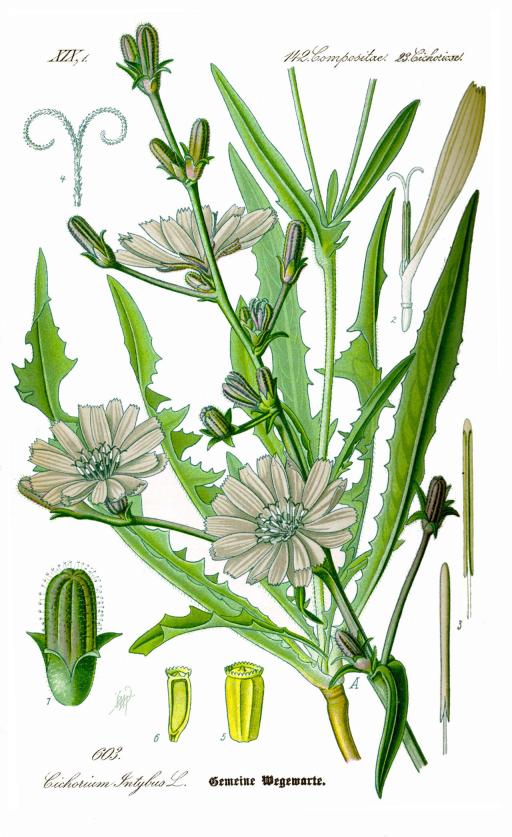
Chicory
Chicory is a somewhat woody, perennial herbaceous plant belonging to the dandelion family Asteraceae. It typically features bright blue flowers, occasionally white or pink, and has been cultivated for centuries for its various culinary, medicinal, and agricultural uses. The leaves are often used in salads, while the roasted root is widely utilized as a coffee substitute and flavoring additive. Additionally, chicory is exceptionally rich in inulin, a type of prebiotic dietary fiber that promotes digestive health by supporting beneficial gut bacteria. It thrives in well-drained soils and full sunlight environments globally.
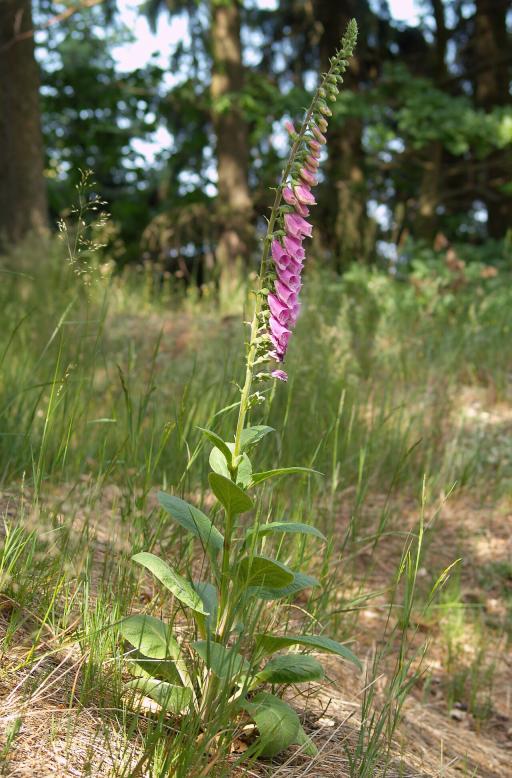
Foxglove
Digitalis purpurea, commonly known as foxglove, is a striking biennial or short-lived perennial plant renowned for its magnificent, tall spikes of tubular, bell-shaped flowers marked with distinctive spots inside. Native to temperate Europe, western Asia, and northwestern Africa, it naturally populates open woodland areas, clearings, and moorlands. Although widely cultivated as a dramatic ornamental feature in cottage gardens and shaded borders, every single part of the plant contains potent cardiac glycosides. These powerful chemical compounds have historically served as the foundational source for crucial heart medications, yet they render the entire plant extremely toxic when ingested by humans and domestic animals alike.
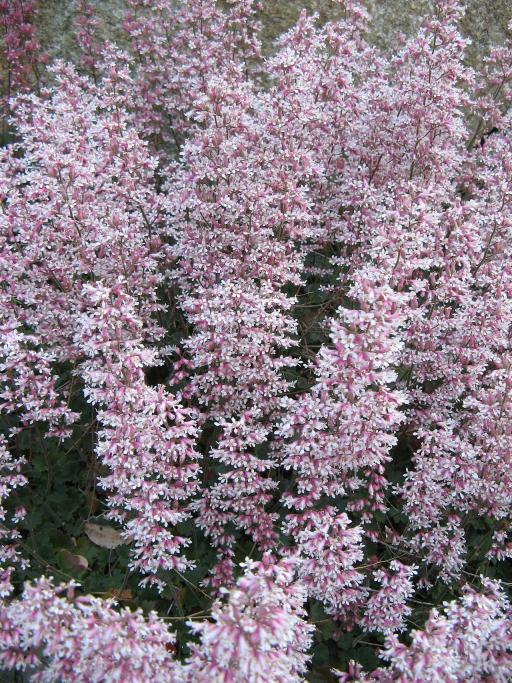
Coral bells
Coral bells are exceptionally popular perennial foliage plants prized for their vividly colored, ruffled leaves that range from lime green and amber to deep purple and near-black. Native to North America, they form neat, mounding rosettes that add continuous seasonal interest to shade gardens, borders, and container arrangements. In addition to their stunning foliage, they produce slender, wiry stems topped with dainty, bell-shaped flowers in shades of pink, red, or white that attract hummingbirds and pollinators throughout the late spring and summer months.
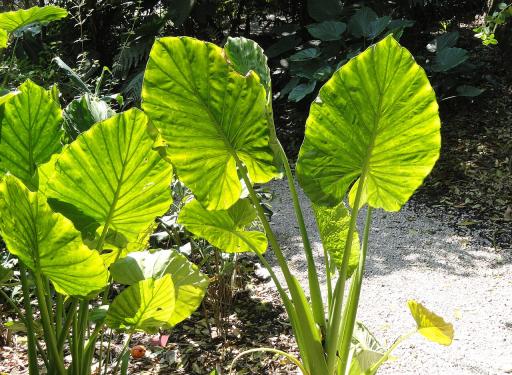
Alocasia
Alocasia is a genus of rhizomatous or tuberous perennial flowering plants from the family Araceae. Known for their dramatic, arrow-shaped or shield-shaped leaves, they make striking houseplants and tropical garden specimens.
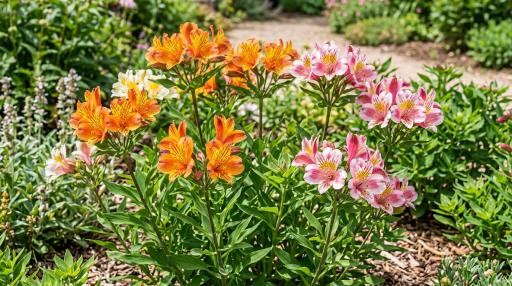
Alstroemeria
Alstroemeria is a genus of flowering plants known commonly as the Peruvian lily or lily of the Incas. Native to South America, they are popular garden plants and florist staples due to their vibrant, orchid-like flowers and exceptional vase life.
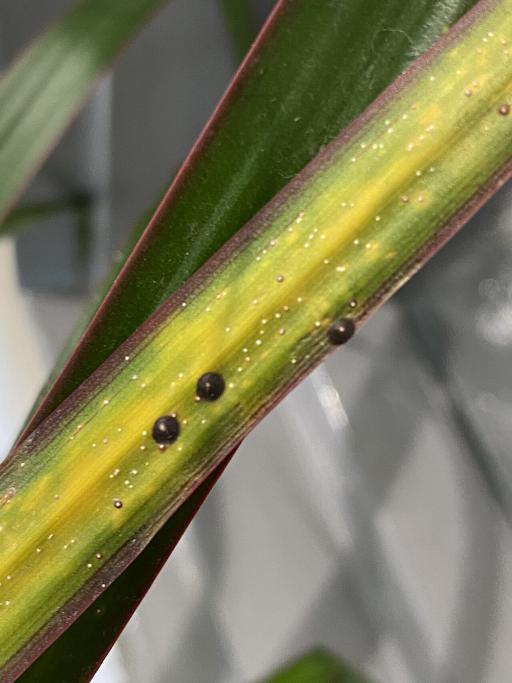
Dracaena
Dracaena is a popular genus of about 120 species of shrubs and tree-like plants, highly valued for their striking foliage and air-purifying capabilities in indoor environments.
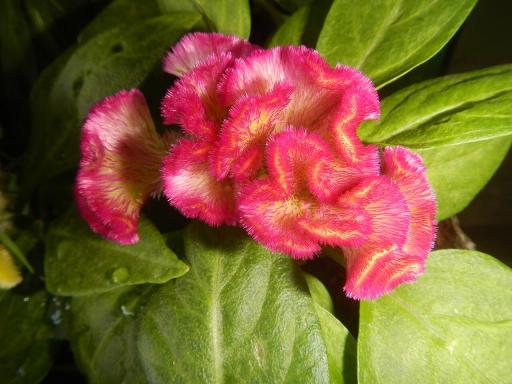
Comb Flower
Comb flower is a striking ornamental plant known for its brightly colored, velvety flower heads that resemble a rooster's comb. It thrives in warm weather and is popular in gardens and as a cut flower.
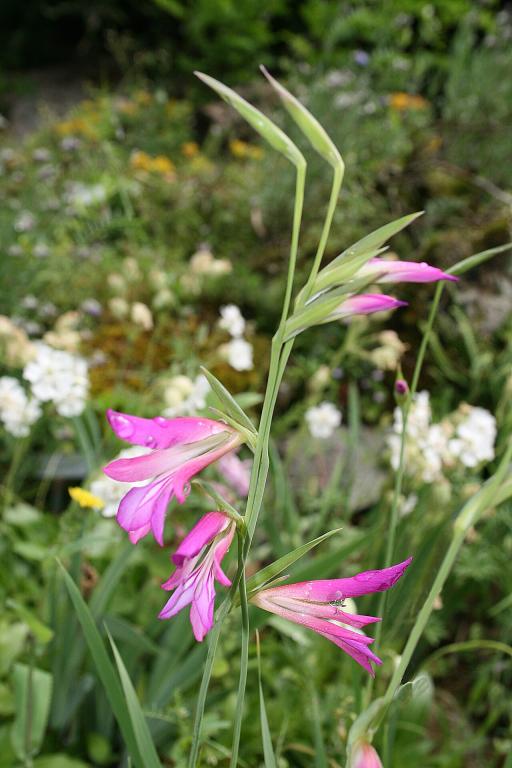
Gladiolus
Gladiolus is a genus of perennial bulbous flowering plants in the iris family. Known for their tall spikes of brightly colored flowers, they are popular favorites in gardens and floral arrangements.
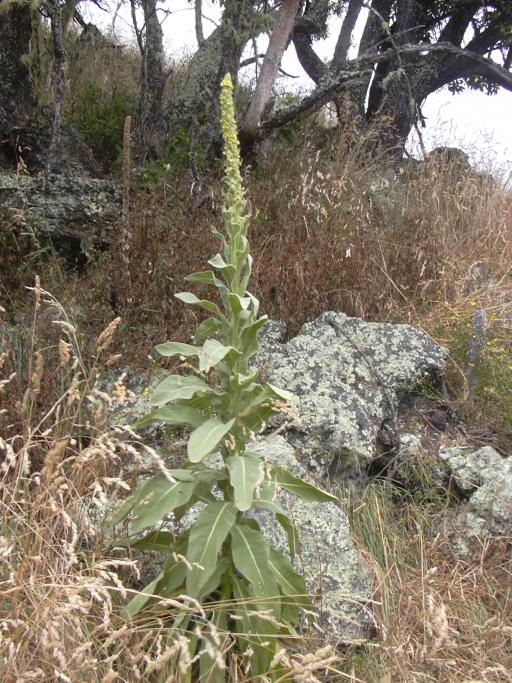
Mullein
Mullein is a biennial herb known for its tall, stately flowering spikes of yellow blooms and soft, woolly, flannel-like leaves. It thrives in disturbed soils and open, sunny environments.
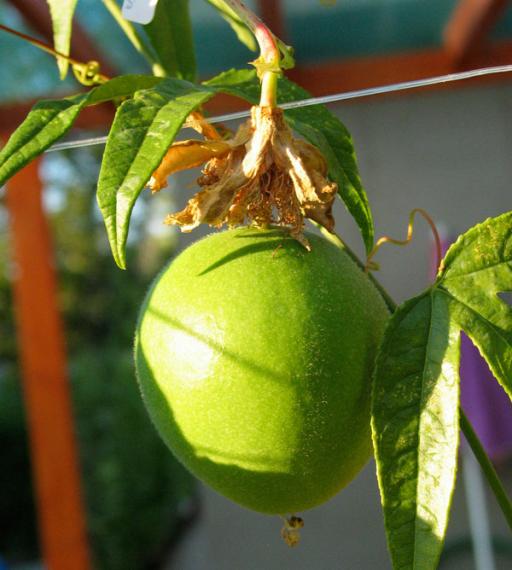
Passion Flower
Passiflora, commonly known as passion flowers or passion vines, is a genus of about 500 species of flowering plants, known for their brilliantly complex blossoms and edible fruit.
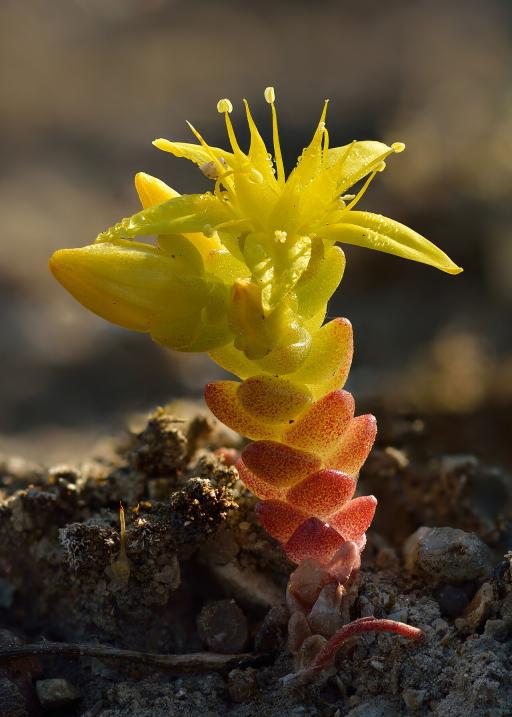
Sedum
Sedum is a large genus of flowering plants in the family Crassulaceae, commonly known as stonecrops. They are succulent perennials known for their fleshy leaves, water-storing capabilities, and resilience in poor soils and dry conditions.
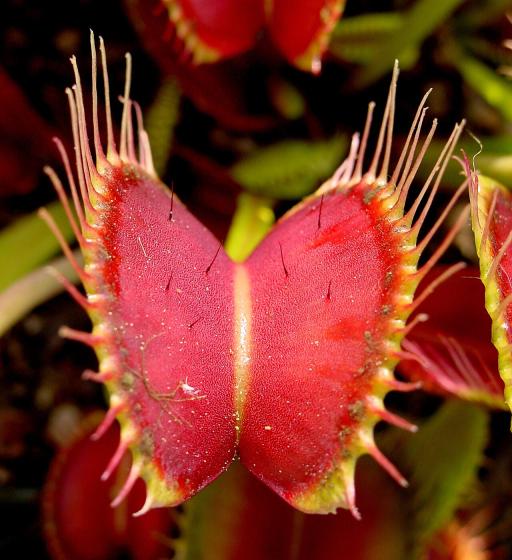
Venus flytrap
The Venus flytrap is a carnivorous plant native to subtropical wetlands on the East Coast of the United States. It catches and digests animal prey—mostly insects and arachnids—with a trapping mechanism formed by the terminal portion of each of the plant's leaves.
Magnolia Tree
Magnolia is a large genus of about 210 flowering plant species in the subfamily Magnolioideae of the family Magnoliaceae. It is named after French botanist Pierre Magnol. Magnolias are ancient plants, appearing before bees did; their flowers evolved to be pollinated by beetles.
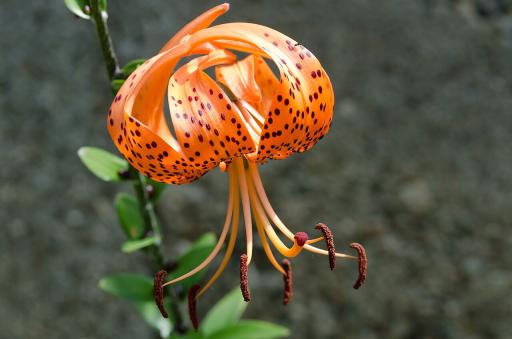
Tiger Lily
Tiger lily is a striking perennial bulb known for its vibrant orange flowers featuring dark spots and recurved petals. Highly popular in ornamental gardens, they are hardy and resilient.
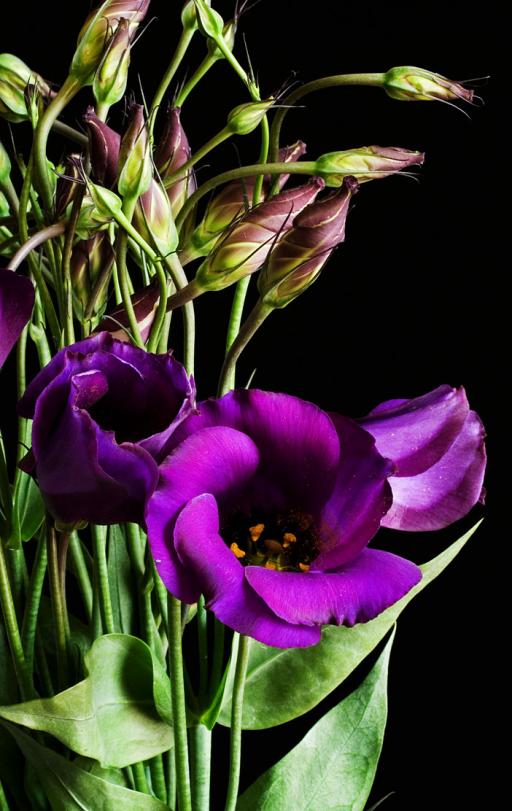
Lisianthus
Lisianthus is renowned for its large, rose-like blooms and long vase life. Native to the warm regions of the southern United States, Mexico, Caribbean, and northern South America, it is a popular ornamental flower prized for its elegance.
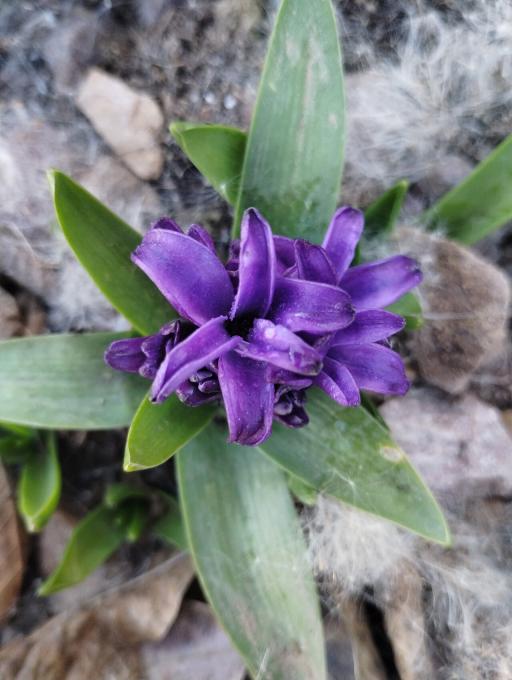
Hyacinth
Hyacinthus orientalis is a bulbous perennial flowering plant prized for its intensely fragrant spikes of bell-shaped flowers that bloom in early to mid-spring. They come in a wide array of vibrant colors including blue, purple, pink, white, and red.
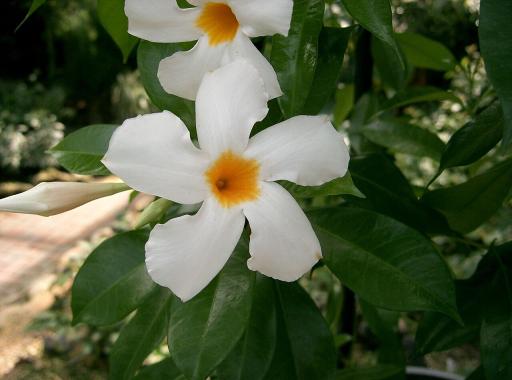
Dipladenia
Dipladenia is a popular tropical and subtropical flowering vine known for its glossy green leaves and vibrant, trumpet-shaped flowers in shades of pink, red, or white. It is frequently grown as a patio container plant or annual in cooler climates.

Poinsettia
The poinsettia is a commercially important plant species of the diverse spurge family. Indigenous to Mexico and Central America, it is widely known for its red and green foliage and is widely used in Christmas holiday decor.
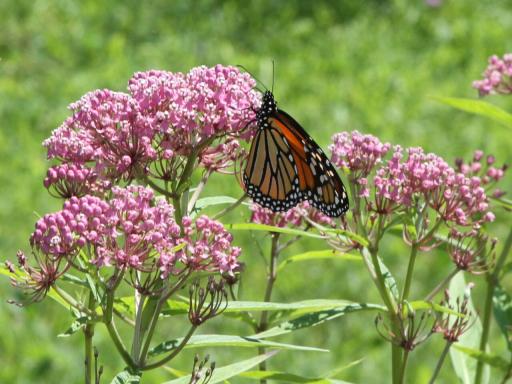
Milkweed
Milkweed is a vital herbaceous perennial plant best known as the exclusive host plant for monarch butterfly larvae. It features distinctive milky sap, clusters of showy flowers, and seed pods filled with silky hairs.
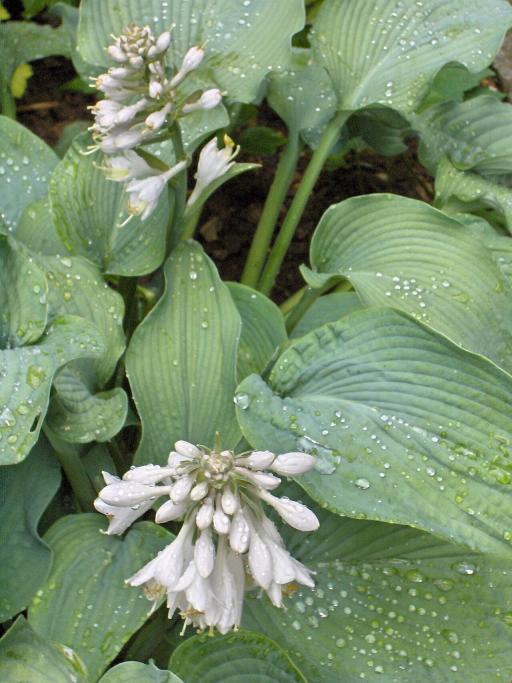
Hosta
Hostas are popular shade-tolerant perennial foliage plants grown primarily for their lush, mounding leaves in various shades of green, blue, and variegated patterns.
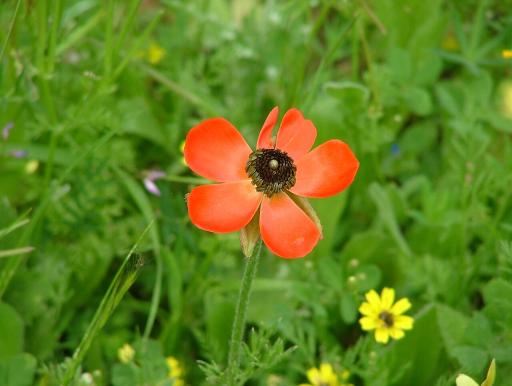
Persian Buttercup
Ranunculus asiaticus is a species of buttercup native to the eastern Mediterranean region, southwest Asia, and northeastern Africa. They are prized for their brilliantly colored, rose-like double flowers and are popular in gardens and floral arrangements.
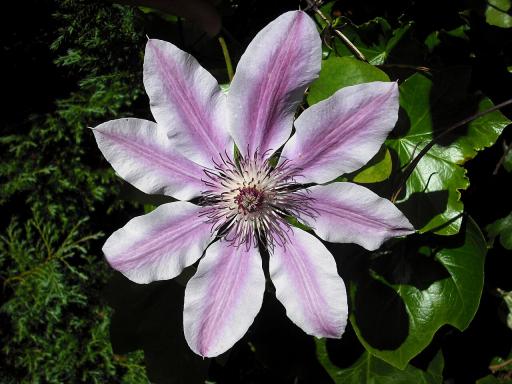
Clematis
Clematis is a popular genus of about 300 species of mostly vigorous, woody, climbing vines valued for their stunning, often colorful flowers that bloom in various seasons.
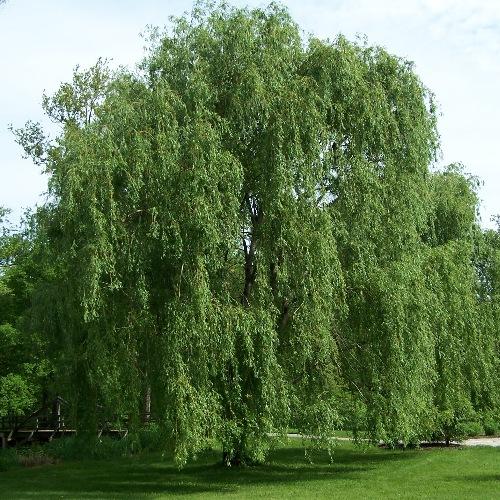
Willow
Willows, also known as sallows and osiers, form the genus Salix, comprising around 400 species of deciduous trees and shrubs, found primarily on moist soils in cold and temperate regions of the Northern Hemisphere.