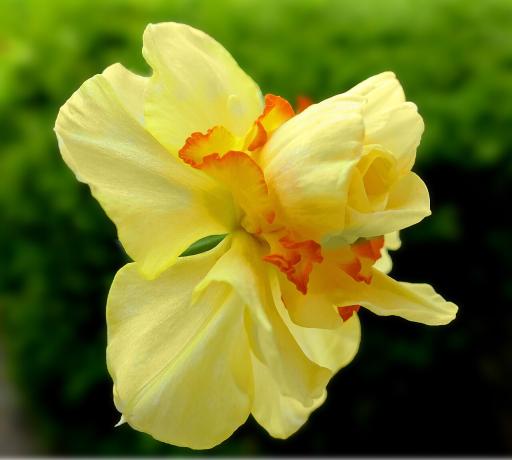
Daffodil
Narcissus
Identified By Unknown Guest
Daffodils are classic spring-flowering bulbs known for their cheerful yellow or white blooms featuring a central trumpet. They are hardy perennials that naturalize easily and herald the arrival of spring.
Safety Warnings
Growth & Dimensions
Ideal Environment
Temperate Regions
Climate: Cool winters and warm springs, ideal for winter chilling requirements of bulbs.
Native Regions
Care Guide
Watering
Water actively growing daffodils during dry spells. Once foliage dies back in summer, they require very little water as they enter dormancy.
Sunlight
Plant in full sun to partial shade. At least 6 hours of direct sunlight daily is ideal for robust blooming.
Soil and Fertilizer
Use well-draining, fertile soil. Apply a balanced bulb fertilizer in early spring as new shoots emerge.
Pruning
Allow foliage to yellow and die back naturally before cutting it off; this feeds the bulb for the next blooming season.
Propagation Methods
Division
Carefully dig up clumps of daffodils after foliage has died back in summer, separate the offsets (bulblets) from the mother bulb, and replant them immediately.
Common Diseases & Pests
Narcissus Bulb Fly
PestStunted growth, yellowing leaves, and bulbs that feel soft or hollowed out by larvae.
Remove and destroy infested bulbs. Use insect-free planting stock.
Cover newly planted areas with fine mesh netting to prevent adult flies from laying eggs.
Basal Rot
FungalBrown decay starting at the base of the bulb, spreading upwards, with yellowing and wilting leaves.
Discard infected bulbs immediately. Improve soil drainage.
Ensure proper soil drainage and avoid planting in waterlogged soils.
Properties & Benefits
Key Nutrients / Compounds
OTHER PLANTS
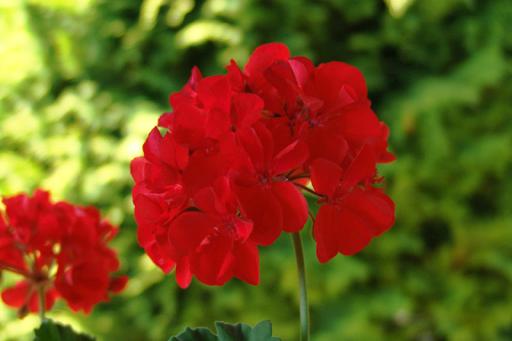
Geranium
Geraniums are popular flowering plants known for their vibrant clusters of red, pink, white, or purple blooms and distinctively scented foliage. They are widely used in gardens, hanging baskets, and window boxes.
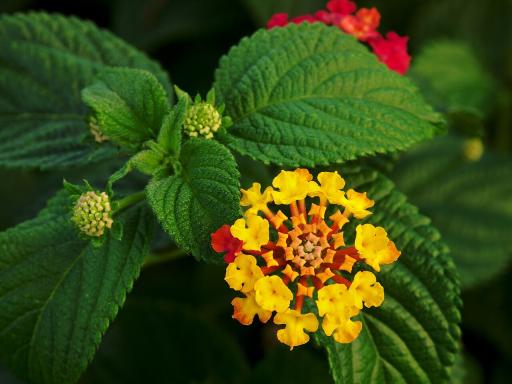
Lantana
Lantana is a genus of about 150 species of perennial flowering plants in the verbena family. They are native to the American tropics and Africa and are widely grown as ornamental garden plants for their brightly colored flowers.
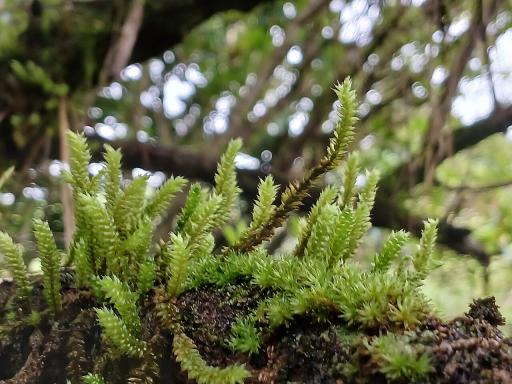
Moss
Mosses are small flowerless plants that typically form dense green clumps or mats, often in damp or shady locations. They do not have roots, flowers, or seeds, and absorb water and nutrients directly through their leaves.
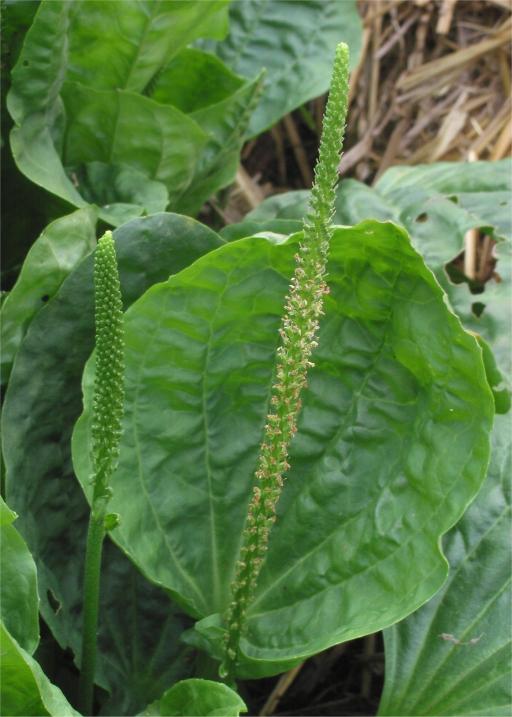
Plantain
Plantago major, commonly known as greater plantain or broadleaf plantain, is a species of flowering plant in the plantain family Plantaginaceae. The plant is native to most of Europe and northern and central Asia, and has widely naturalized elsewhere in the world.
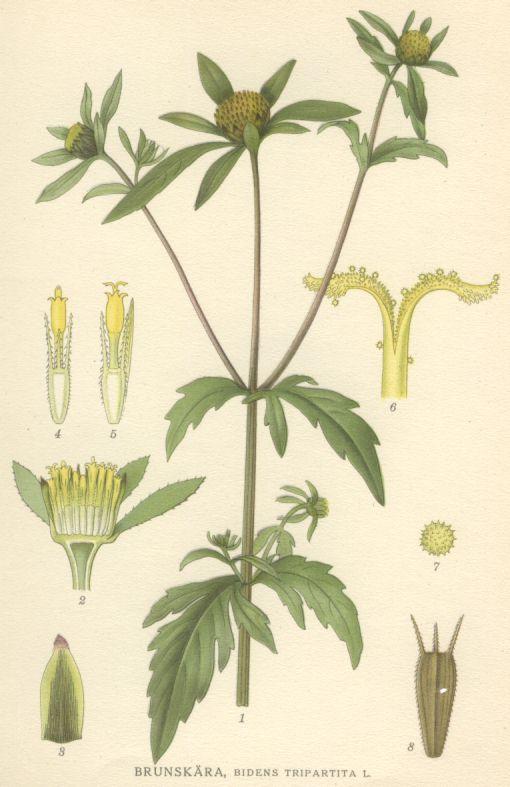
Bidens
Bidens is a large genus of flowering plants in the aster family, Asteraceae. Known for their cheerful yellow, daisy-like flowers, they are exceptionally resilient, thrive in full sun, and are popular choices for hanging baskets, borders, and pollinator gardens.
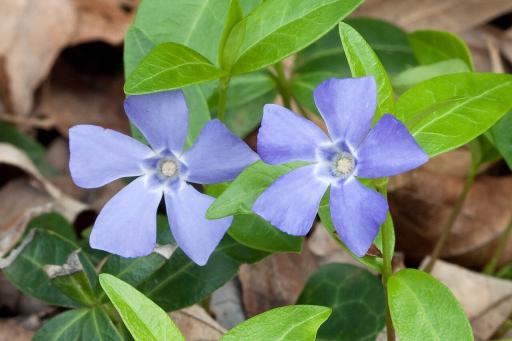
Periwinkle
Periwinkle is a popular evergreen trailing ground cover known for its glossy dark green leaves and vibrant blue-purple pinwheel-shaped flowers. It thrives in shaded areas and spreads quickly.
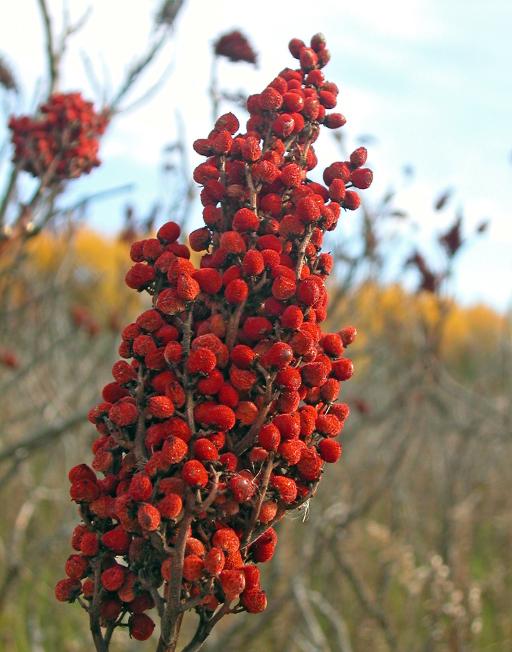
Sumac
Sumac is a shrub or small tree belonging to the cashew family, Anacardiaceae. Known for its vibrant red autumn foliage and conical clusters of fuzzy red berries, sumac is widely valued for ornamental use, wildlife support, and culinary or medicinal applications.
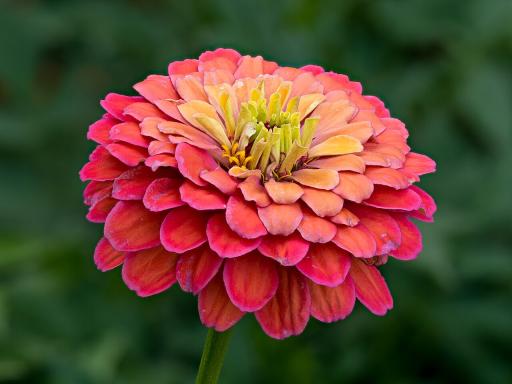
Zinnia
Zinnias are popular garden plants with bright, daisy-like flower heads that come in a wide variety of vivid colors. They are extremely easy to grow, blooming profusely from summer until the first frost.
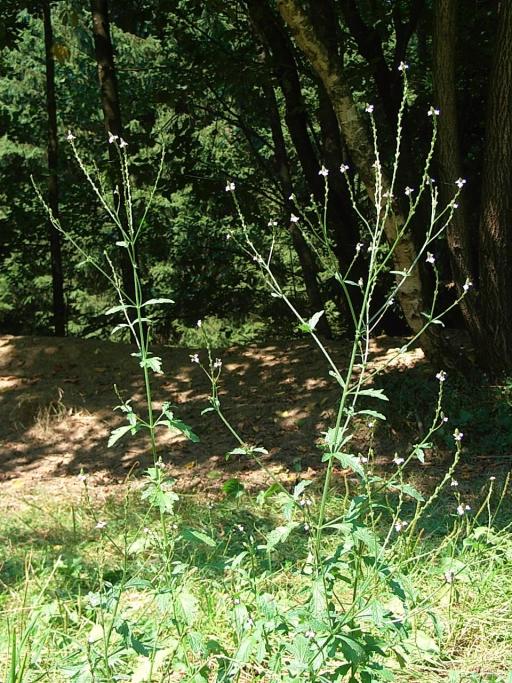
Verbena
Verbena is a genus of flowering plants containing about 250 species of annual and perennial herbs or semi-woody plants, widely known for their clusters of brightly colored flowers that attract pollinators.
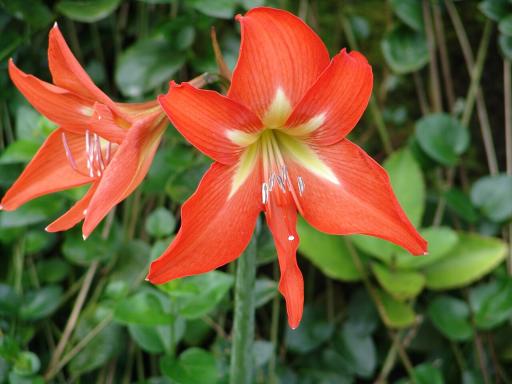
Amaryllis
Amaryllis is a popular bulbous plant known for its large, striking, trumpet-shaped flowers that bloom in vibrant shades of red, pink, white, and orange during the winter and spring months.

Wisteria
Wisteria is a genus of flowering plants in the legume family, Fabaceae, that includes ten species of woody climbing vines native to the Eastern United States and to countries in East Asia such as China, Korea, and Japan. They are widely cultivated for their cascading clusters of fragrant purple, pink, or white flowers.
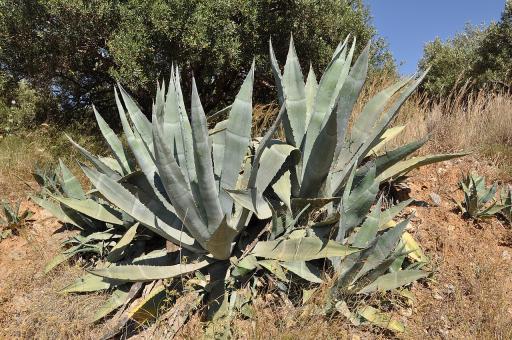
Agave
Agave is a genus of monocots native to the arid and semi-arid regions of the Americas, known for their large rosettes of thick, fleshy leaves and impressive flowering stalks.
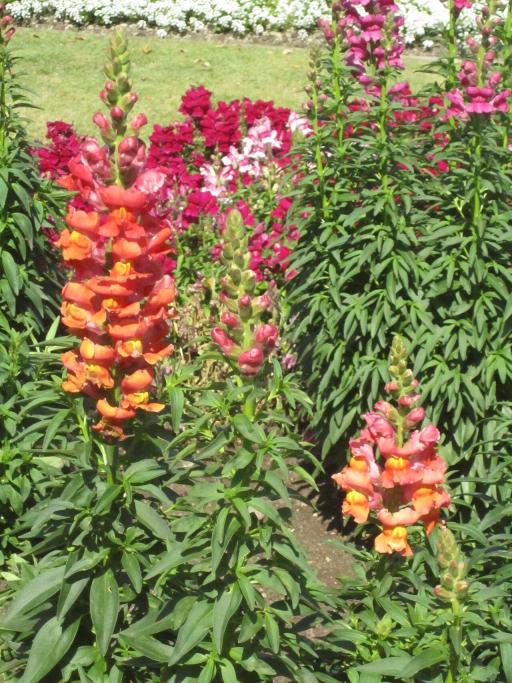
Snapdragon
Snapdragons are popular garden plants known for their colorful, vertically stacked spike flowers that resemble the face of a dragon opening and closing when squeezed.
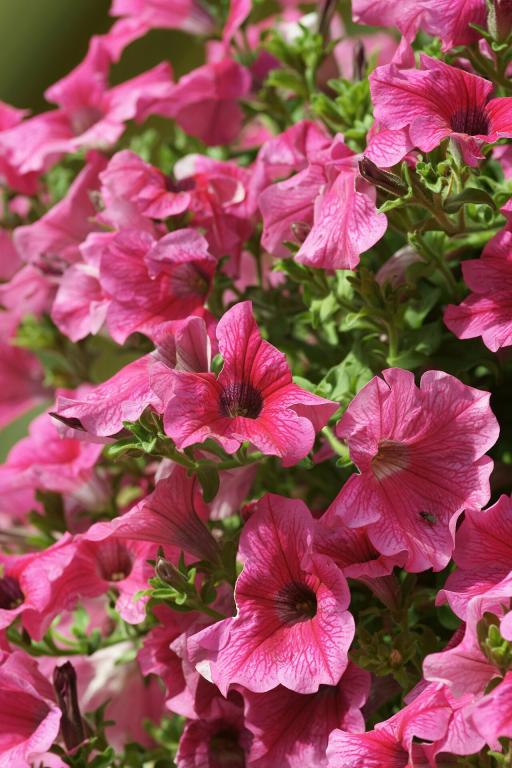
Petunia
Petunias are popular flowering plants known for their vibrant, trumpet-shaped blooms that thrive in sunny garden beds, containers, and hanging baskets.
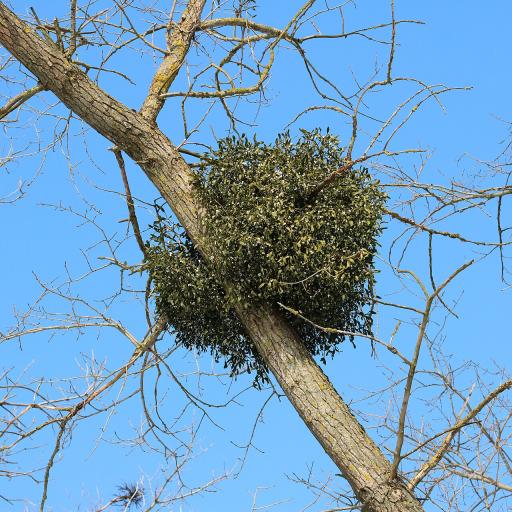
Mistletoe
Mistletoe is a hemiparasitic plant that grows on the branches of trees. It is well known for its role in holiday traditions, particularly in Christmas folklore.
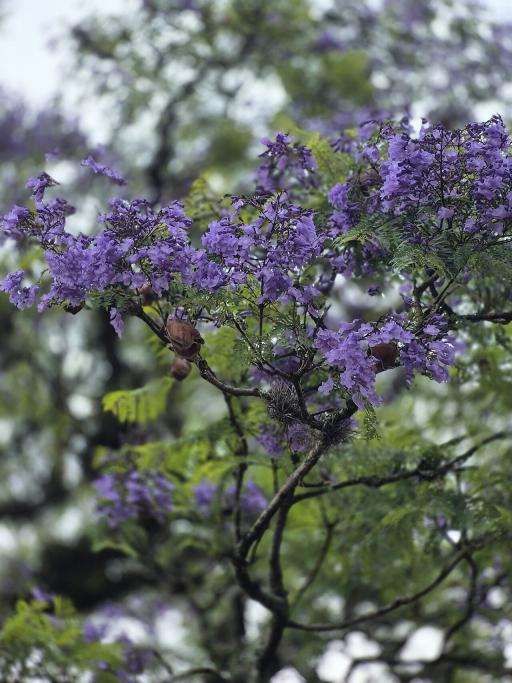
Jacaranda
Jacaranda is a sub-tropical tree native to South America, widely cultivated for its stunning and long-lasting pale indigo flowers. It features large, feathery, fern-like leaves and produces flat, woody seed pods.
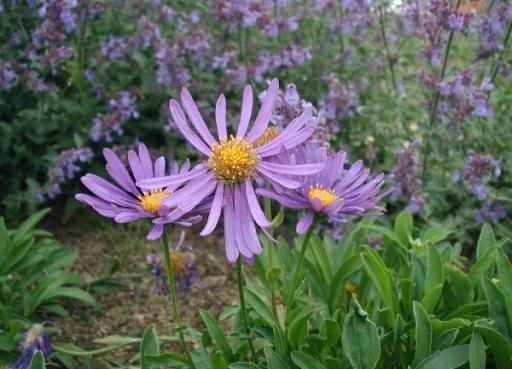
Aster
Asters are a genus of perennial flowering plants in the family Asteraceae. Characterized by their star-shaped flower heads, they bloom profusely in late summer and autumn, providing vital late-season nectar for pollinators.
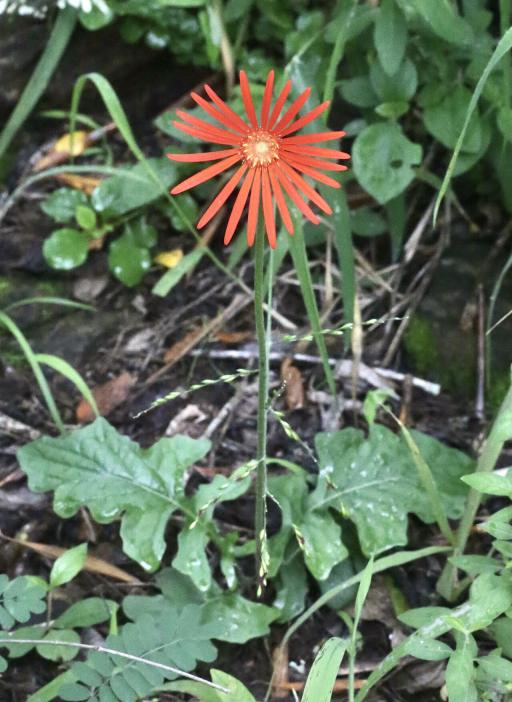
Gerbera Daisy
Gerbera is a genus of plants in the Asteraceae family, native to tropical regions of South America, Africa and tropical Asia. Known for their large, colorful, daisy-like flowers, they are widely grown as ornamental garden plants and cut flowers.
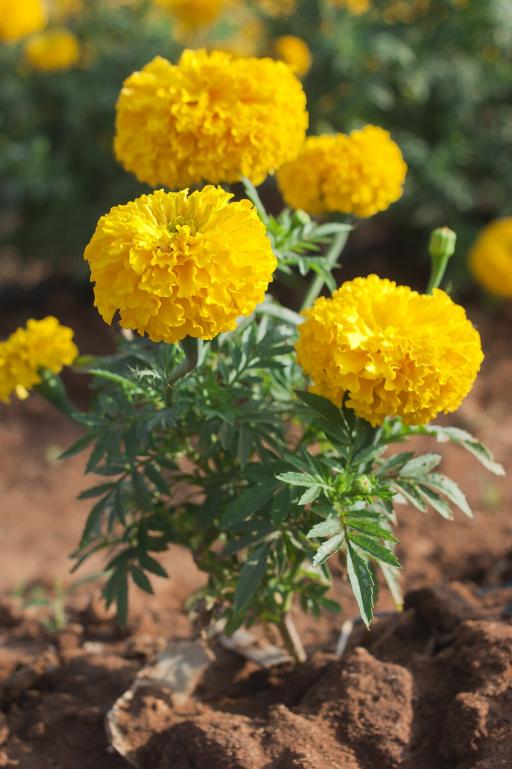
Marigolds
Marigolds are popular, cheerful annual or perennial flowering plants in the daisy family (Asteraceae). Known for their vibrant yellow, orange, and red blooms, they are widely used in gardens for their ornamental value and natural pest-repelling properties.
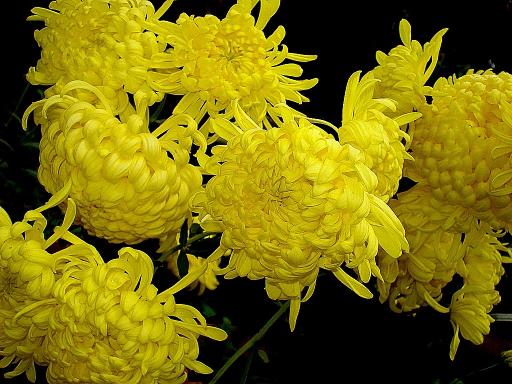
Chrysanthemum
Chrysanthemums are popular flowering plants of the Asteraceae family, prized for their vibrant and long-lasting autumn blooms in gardens and floral arrangements.
Daffodil
Daffodils are classic spring-flowering bulbs known for their cheerful yellow or white blooms featuring a central trumpet. They are hardy perennials that naturalize easily and herald the arrival of spring.
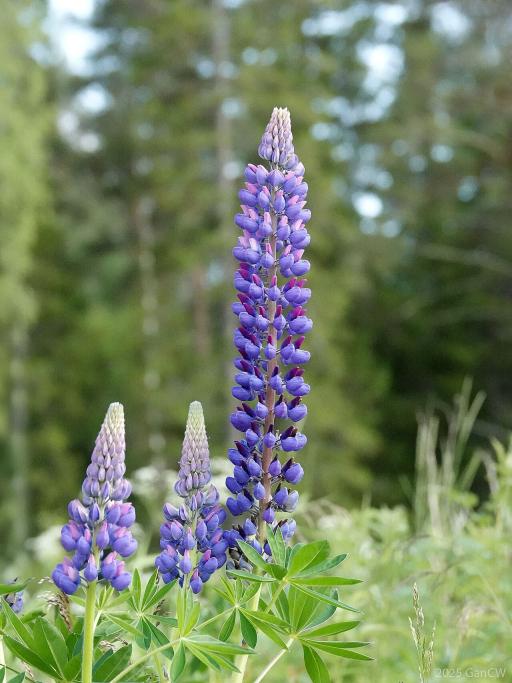
Lupins
Lupins are popular garden plants known for their tall, striking spikes of pea-like flowers in a wide variety of bright colors. They belong to the legume family and are capable of fixing nitrogen in the soil.
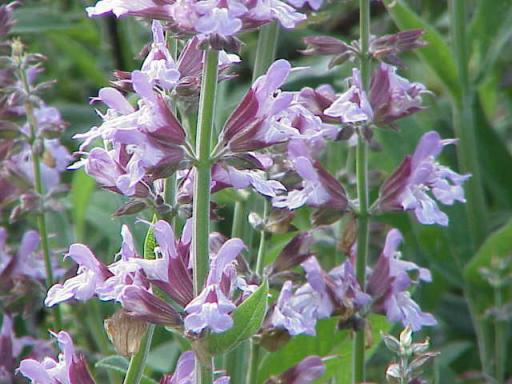
Sage / Salvia
Salvia is the largest genus of plants in the mint family, Lamiaceae, ranging from herbaceous perennials to shrubs. Known for their tubular flowers and often aromatic foliage, salvias are widely grown for ornamental, culinary, and medicinal purposes.
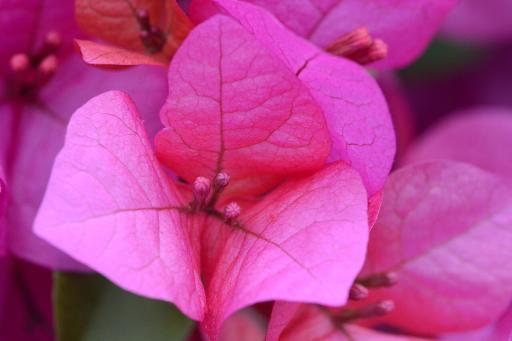
Bougainvillea
Bougainvillea is a genus of thorny ornamental vines, bushes, or trees known for their vibrant, papery bracts that surround inconspicuous white flowers. Native to South America, they thrive in warm climates and full sun.