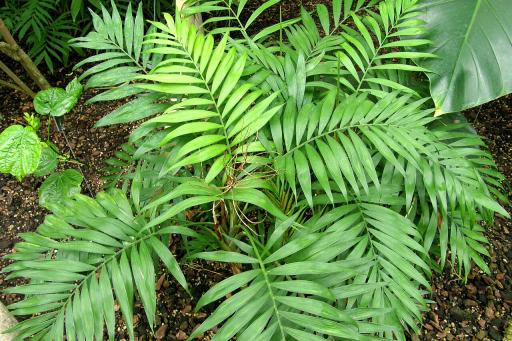
Parlor Palm
Chamaedorea elegans
Identified By Unknown Guest
Chamaedorea elegans, commonly known as the parlor palm, is a small species of palm native to the rainforests in Mexico and Guatemala. It is one of the most popular and hardy indoor palms, prized for its tolerance to low light and low humidity.
Growth & Dimensions
Ideal Environment
Tropical Rainforests
Climate: Warm, humid, and shaded under the forest canopy.
Native Regions
Care Guide
Watering
Water when the top 3 cm of soil feels dry to the touch. Ensure proper drainage and never let the pot sit in standing water to prevent root rot.
Sunlight
Provide bright, indirect sunlight. Avoid direct sunlight, which can scorch the delicate fronds. It can tolerate lower-light conditions but growth will slow down.
Soil and Fertilizer
Use a well-draining potting mix rich in organic matter. Feed with a diluted balanced liquid houseplant fertilizer once a month during spring and summer.
Propagation Methods
Seed
Sow fresh seeds in a warm, moist potting medium at temperatures around 25°C. Germination can be slow and erratic, taking anywhere from 1 to 6 months.
Division
Carefully separate clumps during repotting, ensuring each section has its own root system and fronds.
Common Diseases & Pests
Spider Mites
PestFine webbing on the undersides of leaves and yellow, speckled foliage.
Wipe leaves with a damp cloth and apply insecticidal soap or neem oil.
Maintain adequate humidity levels around the plant and avoid dry indoor air.
Root Rot
FungalYellowing fronds, mushy brown stems, and a foul odor from the soil.
Remove the plant from the pot, trim away rotting roots, and repot in fresh, dry, well-draining soil.
Allow the top soil to dry out between waterings and ensure the container has drainage holes.
Properties & Benefits
Uses & Health Benefits
Air Purification
Known to help purify indoor air by removing common household toxins such as benzene and formaldehyde.
Key Nutrients / Compounds
OTHER PLANTS
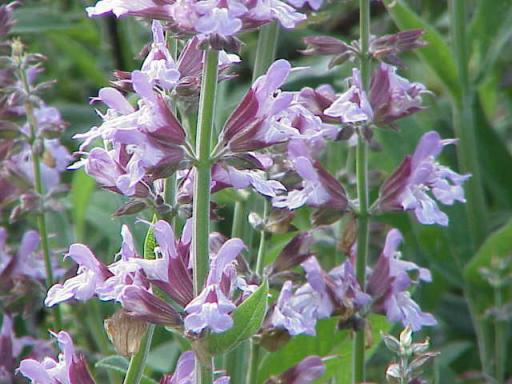
Sage / Salvia
Salvia is the largest genus of plants in the mint family, Lamiaceae, ranging from herbaceous perennials to shrubs. Known for their tubular flowers and often aromatic foliage, salvias are widely grown for ornamental, culinary, and medicinal purposes.
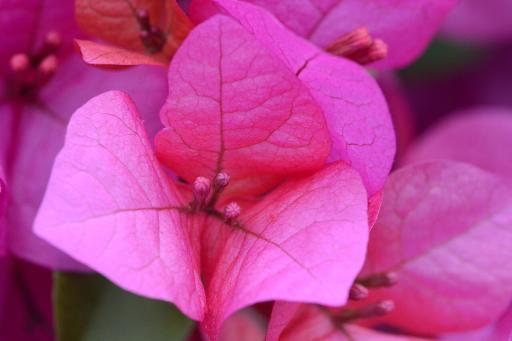
Bougainvillea
Bougainvillea is a genus of thorny ornamental vines, bushes, or trees known for their vibrant, papery bracts that surround inconspicuous white flowers. Native to South America, they thrive in warm climates and full sun.
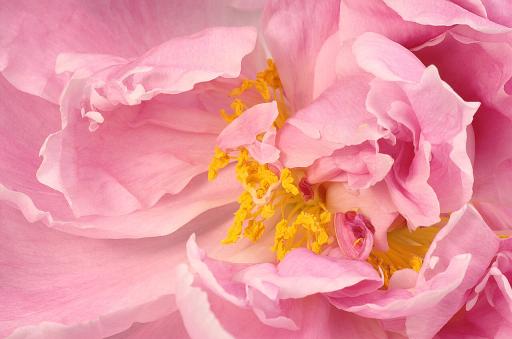
Peony
Peonies are popular garden plants known for their large, often fragrant flowers in shades of pink, white, red, yellow, and purple. They are long-lived perennials that thrive in temperate climates.
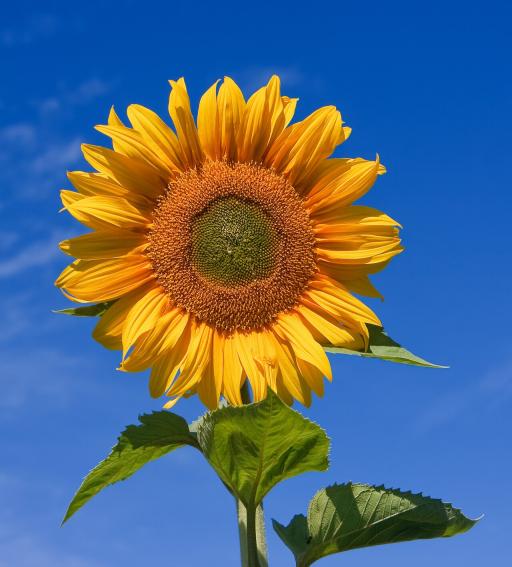
Sunflower
Sunflowers are large, bright annual plants known for their massive flower heads that track the sun. They produce nutritious seeds and are widely grown as crops, ornamentals, and for oil.
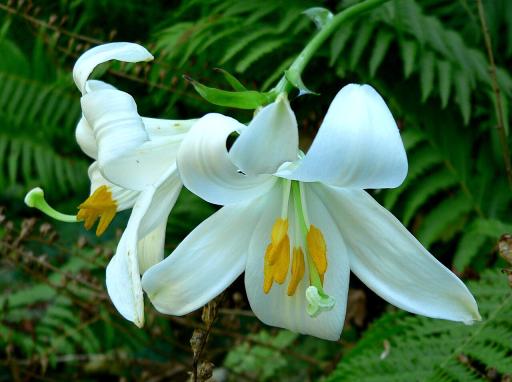
Lily
Lilies are a group of herbaceous flowering plants growing from bulbs, all with large prominent flowers. They are prized worldwide for their striking beauty, elegant form, and often sweet fragrance.
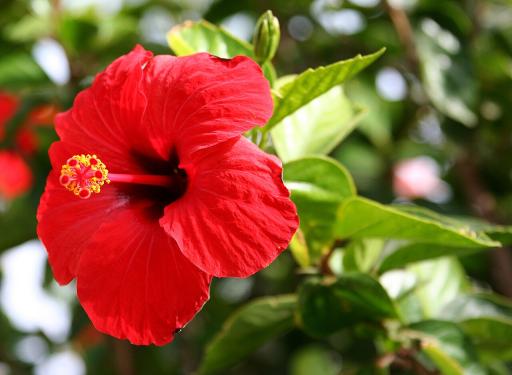
Hibiscus
Hibiscus is a genus of flowering plants in the mallow family, Malvaceae. It is native to warm temperate, subtropical, and tropical regions throughout the world. Known for their large, showy, trumpet-shaped flowers, they are widely grown as ornamental plants.
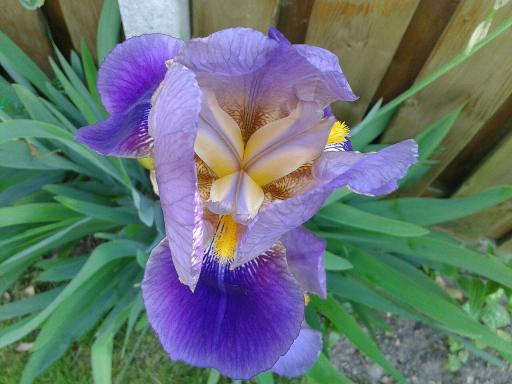
Iris
Irises are popular perennial plants featuring showy flowers that resemble orchids, available in a vast array of colors. They grow from rhizomes or bulbs and thrive in temperate climates with proper sunlight and well-draining soil.

Eucalyptus
Eucalyptus, commonly known as gum trees, is a diverse genus of flowering trees and shrubs in the myrtle family, Myrtaceae. Native to Australia, they are widely cultivated across the world for their fast growth, essential oils, and timber.
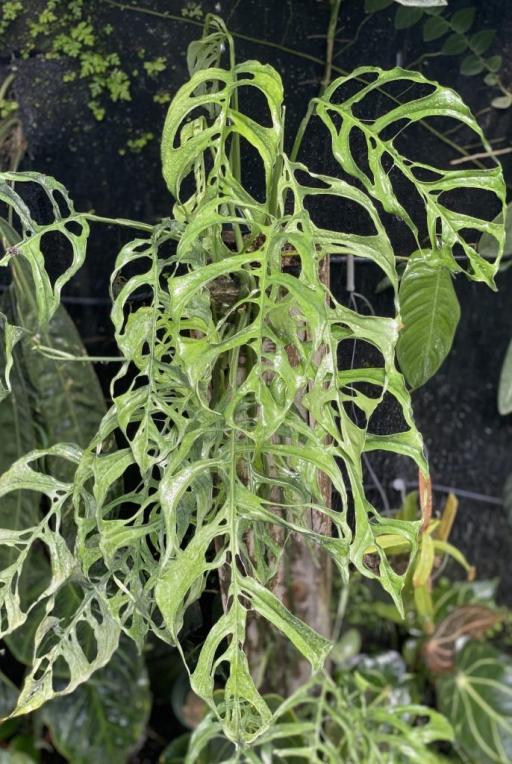
Monstera obliqua
Monstera obliqua is a rare and highly sought-after tropical epiphyte known for its extremely delicate, paper-thin leaves featuring dramatic, large holes that often take up more surface area than the leaf blade itself.
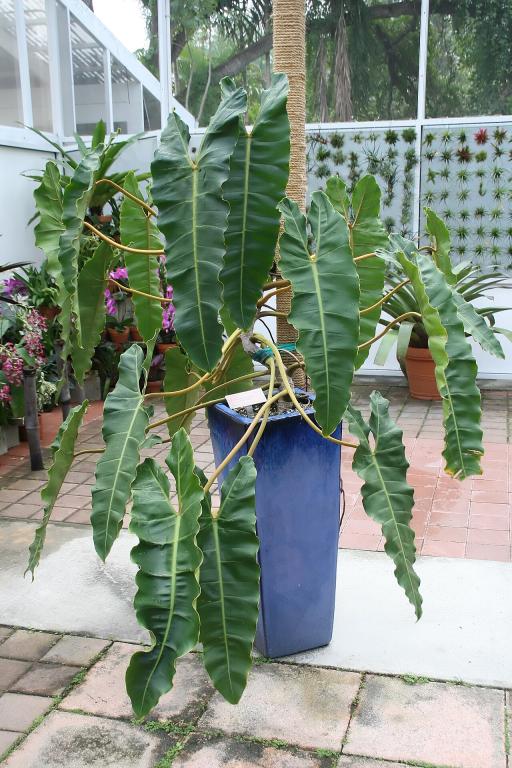
Philodendron Billietiae
Philodendron billietiae is a stunning hemiepiphytic arum native to the rainforests of South America, highly prized by collectors for its distinctive, deeply wavy, elongated leaves and striking vibrant orange-to-yellow petioles.
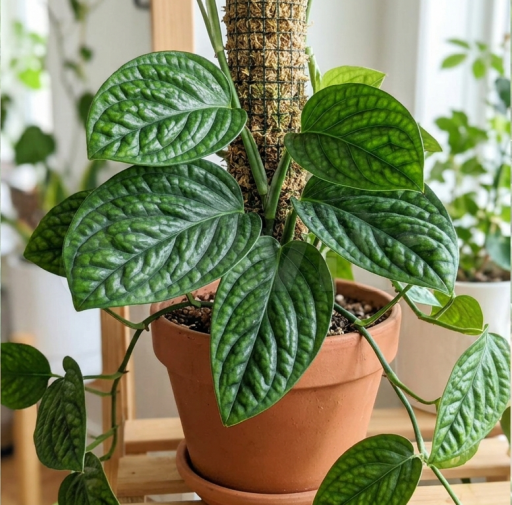
Peru Monstera
Monstera karstenianum, commonly known as Monstera Peru, is a unique and sought-after tropical vine featuring deeply textured, puckered, leathery leaves with a semi-glossy finish. Unlike many other Monsteras, it typically does not develop fenestrations (splits), but its striking green texture makes it a favorite for indoor jungle setups.
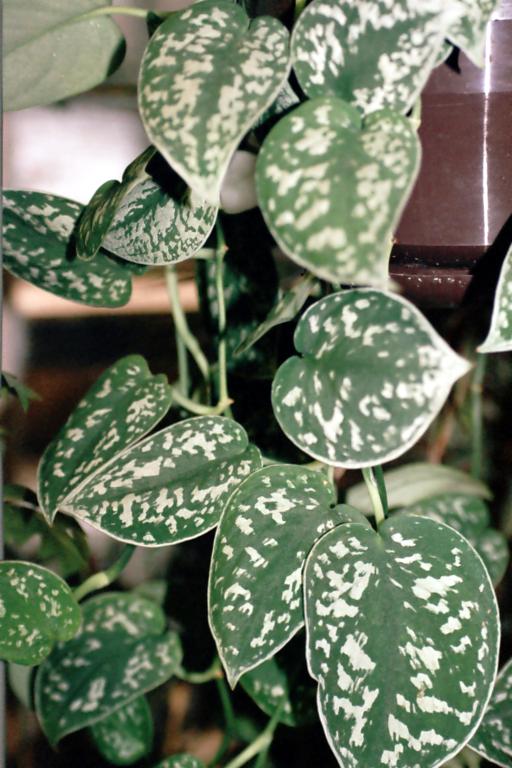
Satin Pothos
Scindapsus pictus, commonly known as Satin Pothos or Silver Pothos, is a popular tropical vine prized for its velvety, heart-shaped leaves adorned with striking silver variegation. It makes an excellent indoor houseplant, thriving in hanging baskets or climbing up poles.
Parlor Palm
Chamaedorea elegans, commonly known as the parlor palm, is a small species of palm native to the rainforests in Mexico and Guatemala. It is one of the most popular and hardy indoor palms, prized for its tolerance to low light and low humidity.
Cat Palm
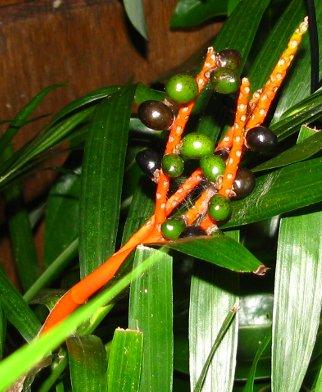
Chamaedorea cataractarum, commonly known as the Cat Palm or Cascade Palm, is a lush, non-clumping small palm native to Central America. Unlike most palms, it thrives in very moist, even boggy soils and partial to full shade, often found growing near streams and waterfalls in the wild.
King Begonia
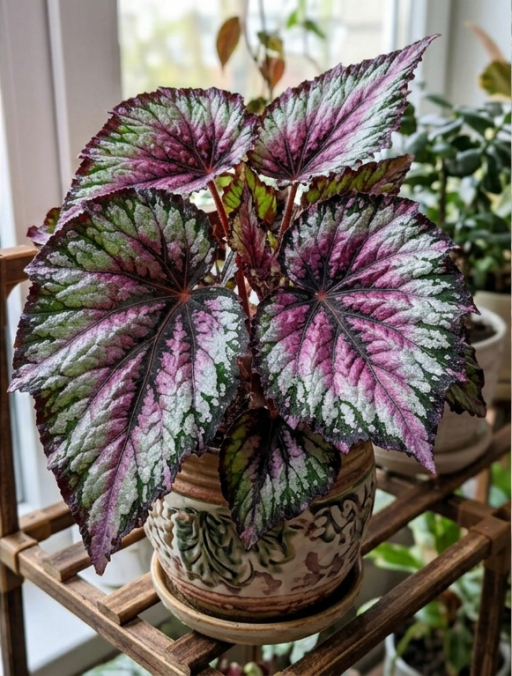
Begonia rex, commonly known as the king begonia, is a species of flowering plant in the family Begoniaceae. It is native to tropical Asia and is widely cultivated for its striking, highly patterned, and colorful foliage.
Chinese Evergreen
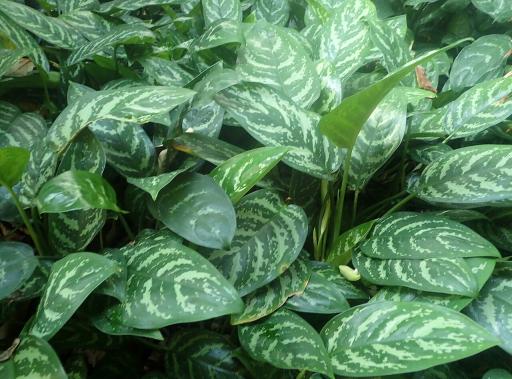
Aglaonema commutatum, commonly known as Chinese Evergreen, is a popular and hardy foliage houseplant featuring attractive variegated green and silver leaves. It is well-known for its ease of care and ability to thrive in low-light indoor environments.
Hoya
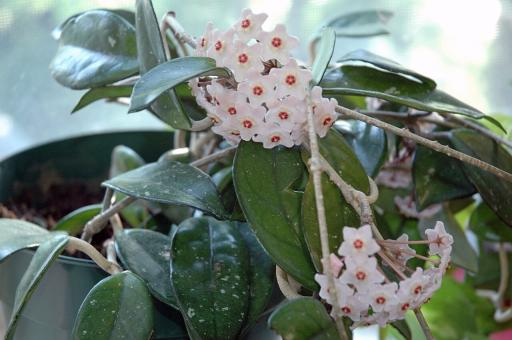
Hoya is a large genus of tropical climbing or pendulous epiphytic plants in the dogbane family, Apocynaceae. Native to Asia, Australia, and Polynesia, they are widely cultivated as popular houseplants valued for their thick, waxy foliage and clusters of star-shaped, porcelain-like flowers.
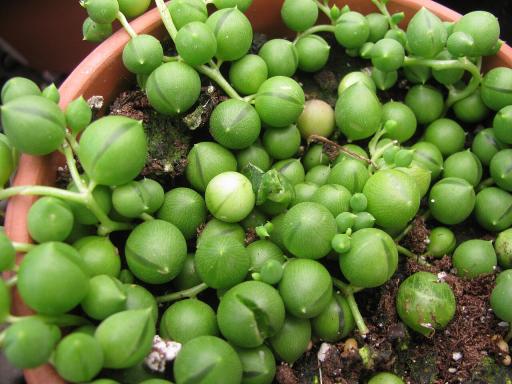
String of Pearls
Curio rowleyanus, commonly known as String of Pearls, is a unique trailing succulent featuring pea-like leaves threaded along slender stems, making it a popular choice for hanging baskets.
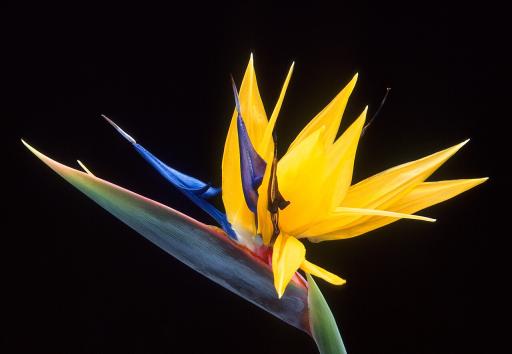
Bird of Paradise
Strelitzia is a genus of perennial plants native to South Africa. Famous for their striking flowers that resemble colorful birds in flight, they feature large, banana-like leaves and make exceptional ornamental plants for gardens or indoor spaces.
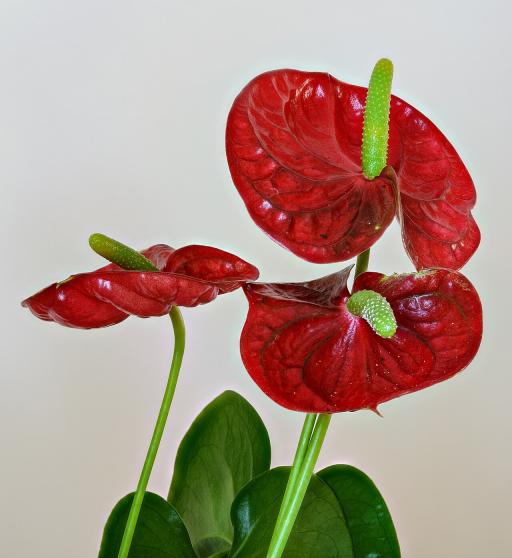
Anthurium
Anthurium is a large genus of about 1000 species of flowering plants, best known for their heart-shaped leaves and brightly colored waxy spathes surrounding a protruding spadix.
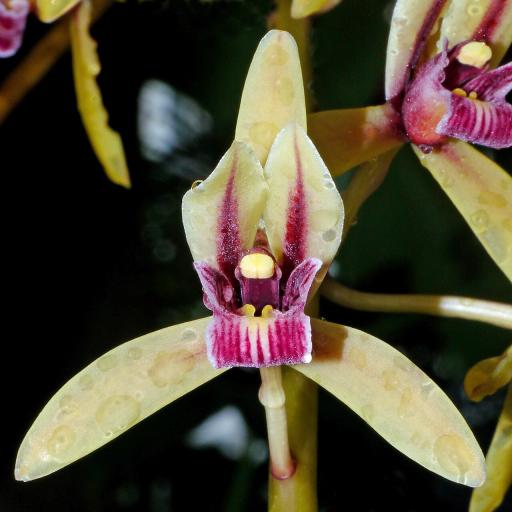
Orchid
Orchids are a diverse and widespread family of flowering plants, with colourful and fragrant blooms that are globally famous for their beauty and elegance.
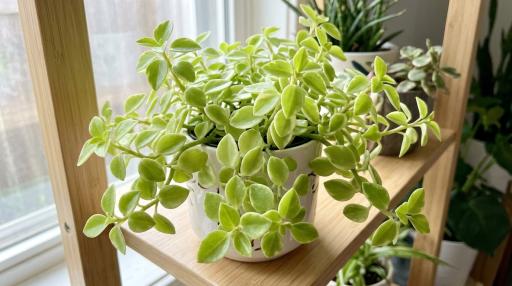
Peperomia Pixie Lime
Peperomia 'Pixie Lime' is a charming, compact houseplant known for its vibrant, chartreuse to lime-green foliage. With small, succulent-like leaves and a bushy growth habit, it is an ideal choice for terrariums, tabletops, and small indoor spaces.
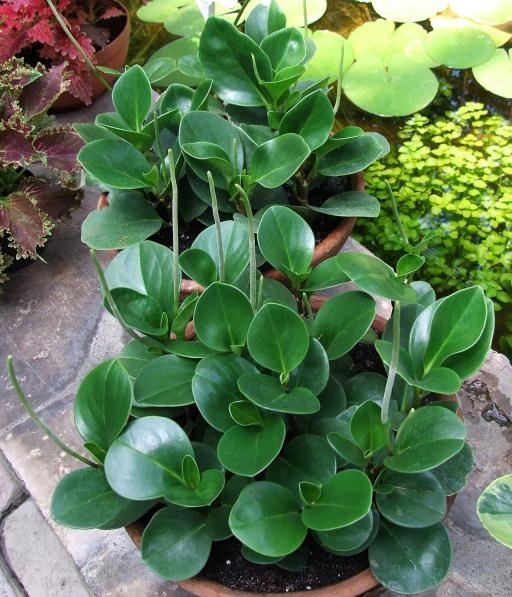
Baby Rubber Plant
Peperomia obtusifolia, commonly known as the baby rubber plant, is a species of flowering plant in the family Piperaceae, native to Florida, Mexico, and the Caribbean. It is a popular compact evergreen indoor plant appreciated for its thick, succulent-like glossy green leaves.
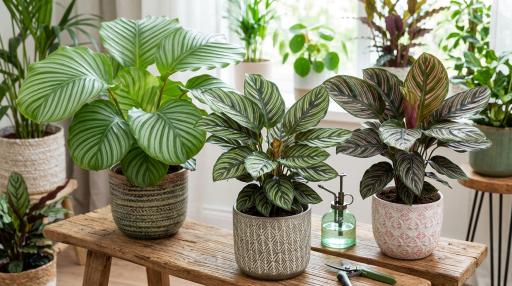
Calathea
Calathea is a genus of flowering plants belonging to the family Marantaceae, often called prayer plants because their leaves fold up at night. They are native to the tropical Americas and are exceptionally popular indoor foliage plants grown for their striking, patterned leaves.