European Almond Disease Diagnostic
Upload a photo of your plant to check for diseases, pests, or nutrient issues and receive a full care plan.
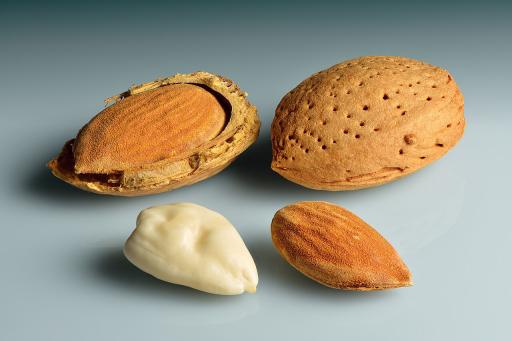
European Almond
The European almond, scientifically known as Prunus dulcis, is a species of tree native to the Mediterranean region of the Middle East and South Asia. It is widely cultivated for its edible and nutritious seeds, commonly referred to as almonds. The tree belongs to the Rosaceae family, featuring beautiful pale pink to white blossoms that appear in early spring before the leaves unfurl. Almond trees thrive in Mediterranean climates characterized by warm, dry summers and mild, wet winters. They require a significant amount of sunlight and well-draining soil to achieve optimal growth and fruit production. Beyond their culinary appeal, almonds are packed with healthy fats, protein, fiber, vitamins, and minerals, making them a staple in healthy diets globally. The plant requires cross-pollination, usually facilitated by bees, to produce abundant crops of drupes containing the hard-shelled nuts.