Grape Hyacinth Disease Diagnostic
Upload a photo of your plant to check for diseases, pests, or nutrient issues and receive a full care plan.
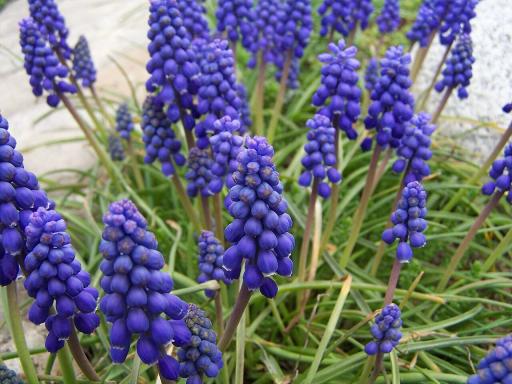
Grape Hyacinth
Grape Hyacinth, scientifically known as Muscari armeniacum, is a charming and resilient perennial bulbous plant belonging to the Asparagaceae family. Native to southeastern Europe and southwestern Asia, these delightful plants are widely celebrated for producing dense, conical spikes of intensely blue or purple, urn-shaped flowers that strongly resemble tiny bunches of grapes in early spring. Typically growing up to fifteen to thirty centimeters tall, they feature narrow, grass-like basal leaves that often emerge in autumn and persist through winter. Grape hyacinths are exceptionally popular in garden landscapes due to their ability to naturalize quickly, forming vibrant carpets of color beneath deciduous trees, in rock gardens, or along borders. They are remarkably hardy, low-maintenance, and serve as an important early nectar source for emerging pollinators after the long winter months.