Comfrey Disease Diagnostic
Upload a photo of your plant to check for diseases, pests, or nutrient issues and receive a full care plan.
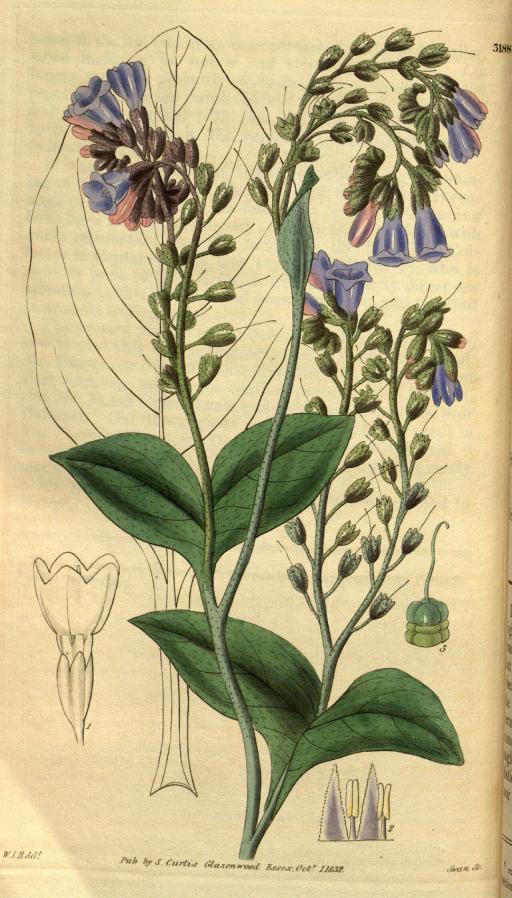
Comfrey
Symphytum, commonly known as comfrey, is a robust herbaceous perennial plant belonging to the borage family, Boraginaceae. Native to Europe and temperate regions of Asia, it has been widely cultivated and naturalized around the world for its remarkable medicinal properties, vigorous growth, and usefulness as an organic fertilizer and mulch in gardens. Comfrey produces large, hairy leaves and bell-shaped flowers that range in color from purple and blue to pink and cream. Its deep taproot allows it to extract valuable minerals from deep within the soil, making the harvested leaves an exceptional nutrient-rich addition to compost piles and liquid plant feeds. Historically, comfrey was heavily utilized in traditional medicine to accelerate the healing of fractures, wounds, and bruises, earning it the traditional folk name knitbone. However, modern botanical and medical research urges caution regarding internal consumption due to the presence of potentially hepatotoxic compounds.